Sugar Alcohols & Polyols
Xylitol Supplier — Crystalline & Powder
Xylitol (E 967), a five-carbon polyol about as sweet as sucrose, in crystalline and powder grades quoted against JECFA or EU specifications, for confectionery and food.
- Crystalline · Granular · PowderForms supplied
- Export from ThailandQuoted on your Incoterm
- COA with every lotSpecification in the quotation
Quick quote
Select a product ICUMSA 45 Refined SugarICUMSA 45Quote
 ICUMSA 150 White SugarICUMSA 150Quote
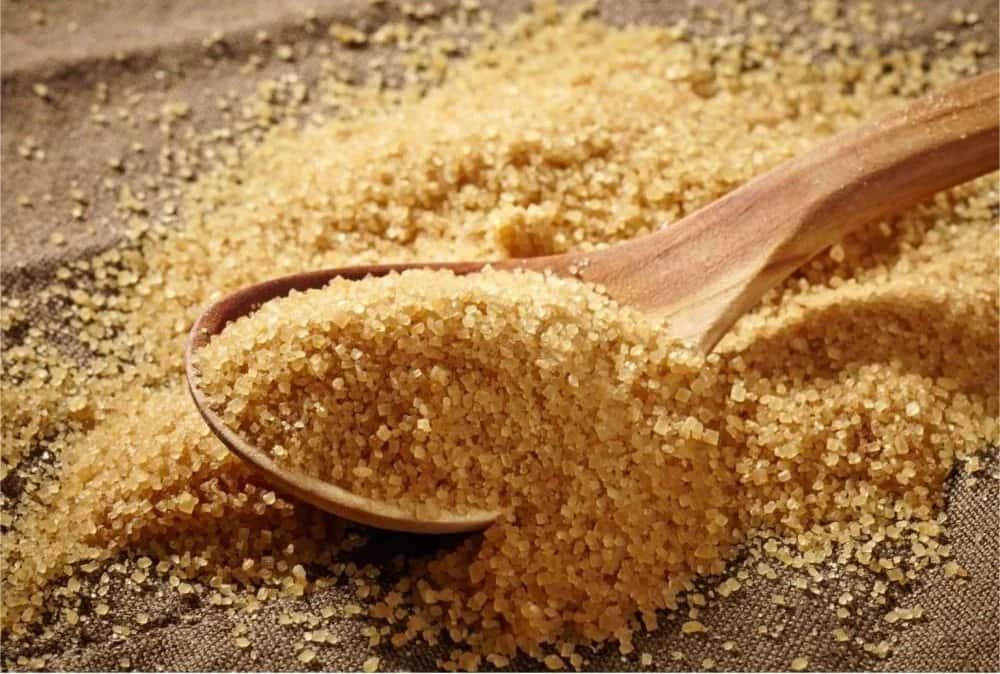 VHP Raw SugarRaw cane sugar sold under the VHP (very high polarisation) labelQuote
 Thai Hi-Pol Raw SugarHigh-polarisation raw cane sugarQuote
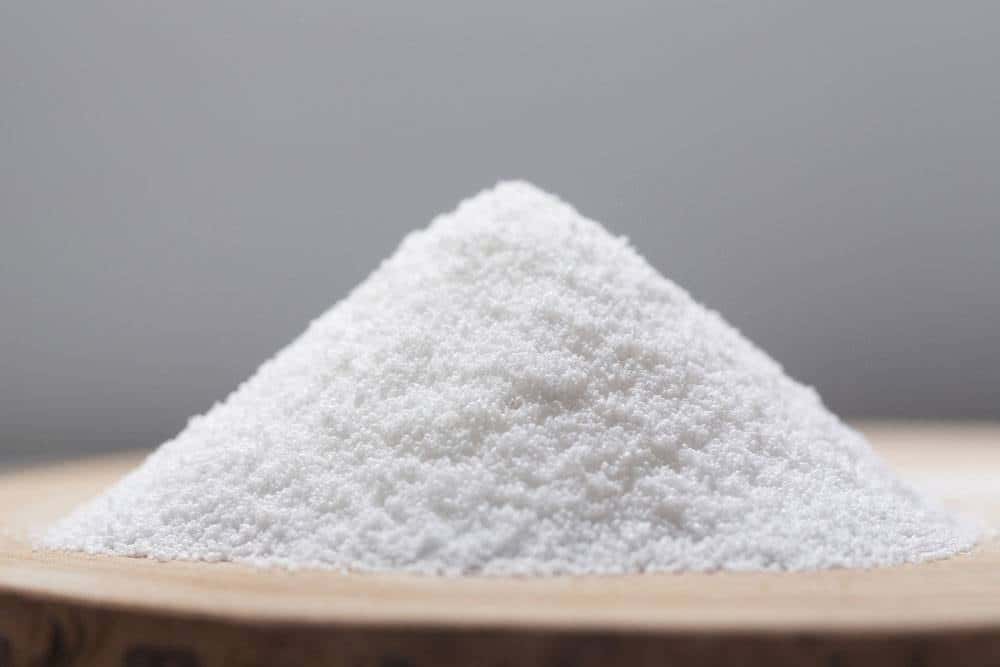 XylitolSugar alcohol (polyol)Quote
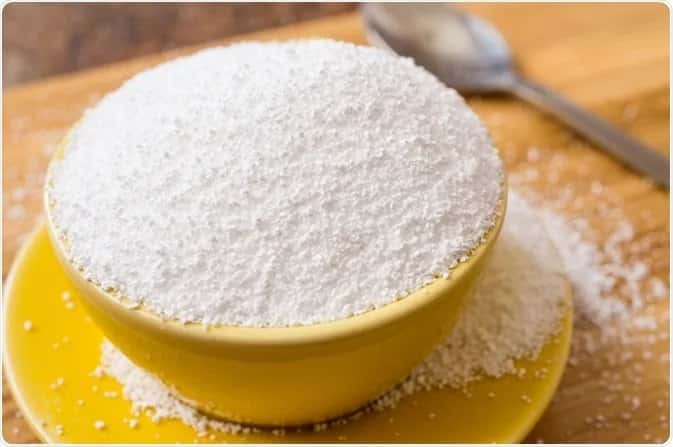 SorbitolSugar alcohol (polyol)Quote
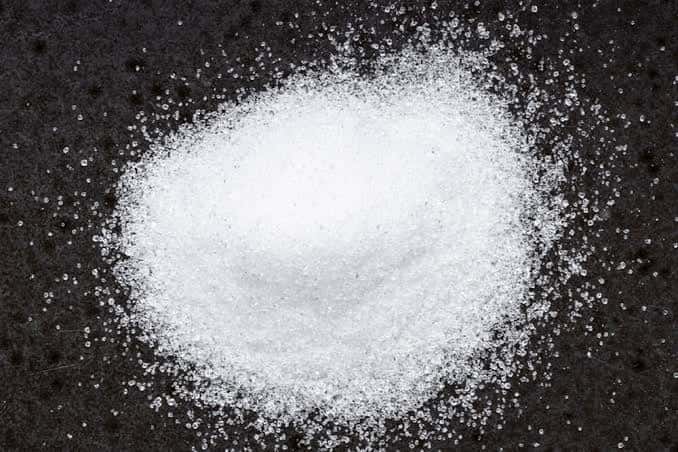 MaltitolSugar alcohol (polyol)Quote
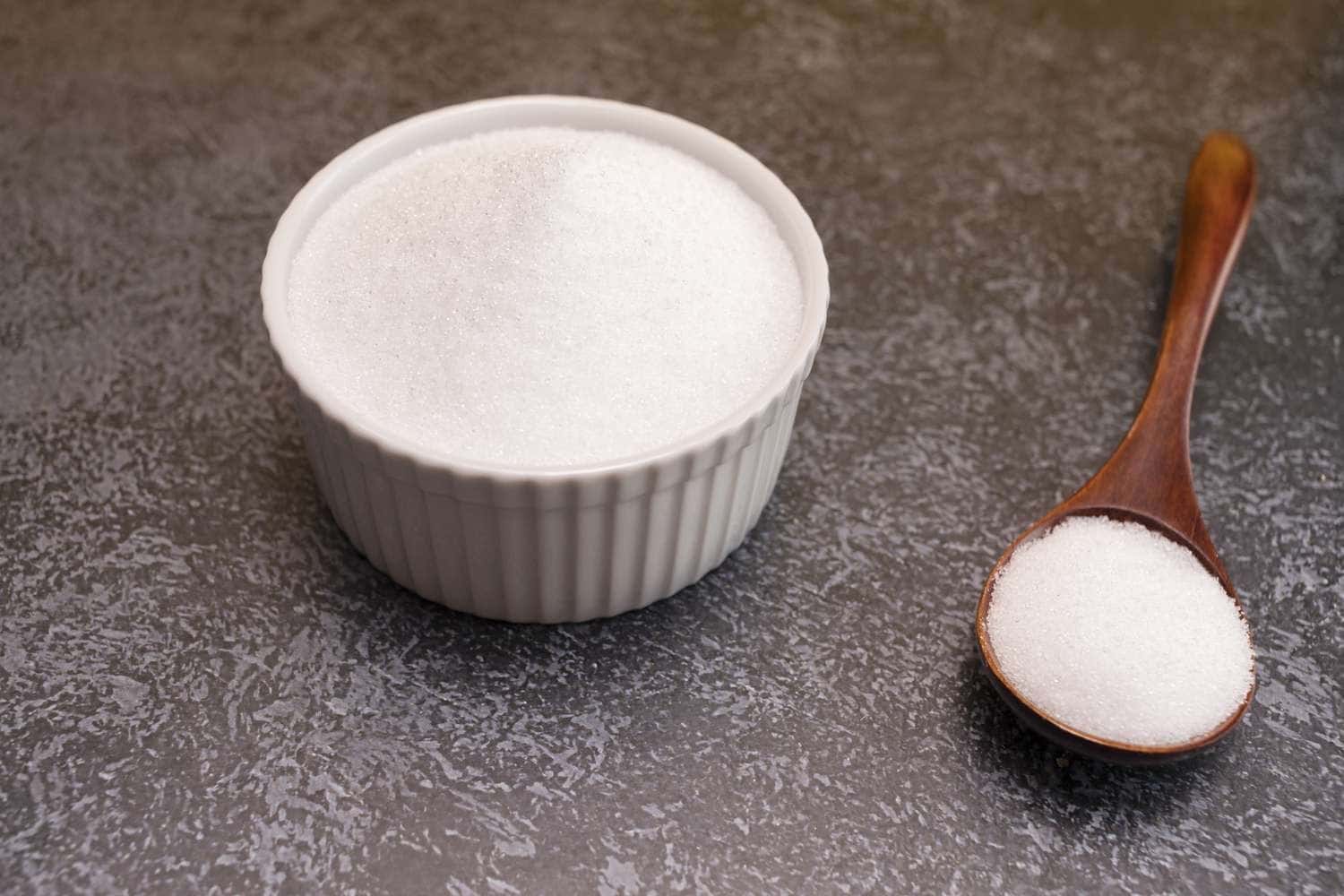 ErythritolSugar alcohol (polyol)Quote
- Thailand basedUdon Thani, Thailand
- Ready stockCommercial supply
- Multiple Thai producersBroad product range
- Global exportShipped from Thailand
- Specification supportCOA with every lot
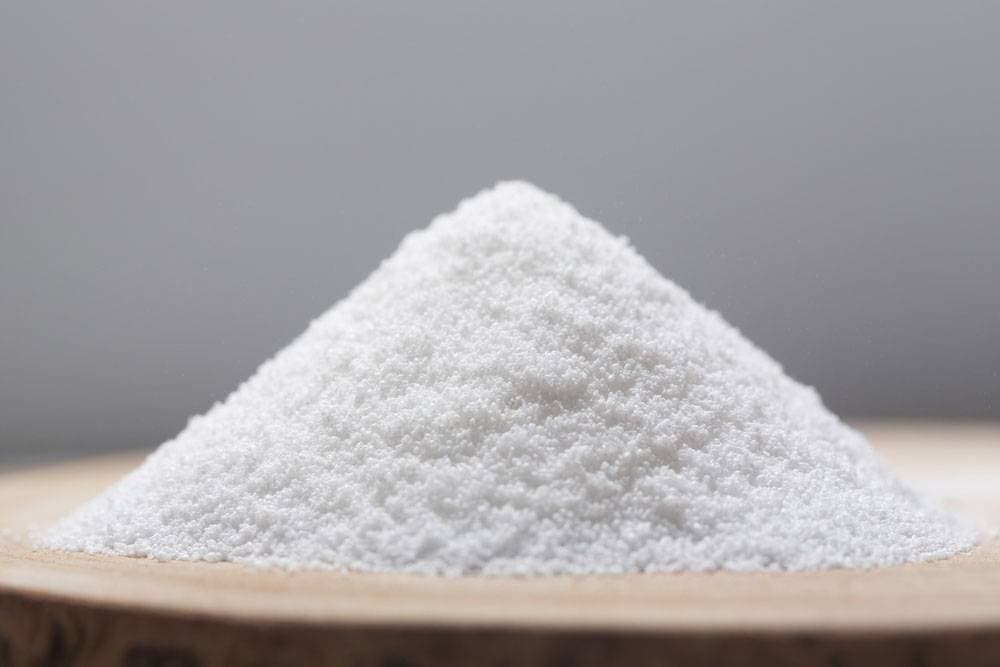
Sugar Alcohols & Polyols
Xylitol
Sugar alcohol (polyol)
- Crystalline
- Granular
- Powder
- E 967
- INS 967
- Sweetness
- ≈ 100
- Moisture
- ≤ 0.5%
- pH
- 5–7
- Ash
- ≤ 0.1%
Certificate of Analysis with every lot
What is Xylitol?
Xylitol (C5H12O5, formula weight 152.15) is a five-carbon sugar alcohol with the INS and EU number 967. JECFA describes it as a white, practically odourless crystalline powder, and lists its technical functions as sweetener and humectant. Of the bulk polyols it is the one closest to sugar in sweetness: Health Canada gives it 100% of the sweetness of sucrose. Together with erythritol, it is also known for a pronounced cooling sensation when the crystals dissolve.
- Confectionery
- Bakery
- Food Manufacturing
- Distributors & Wholesalers
Key features
- Supplied in crystalline, granular and powder forms
- Food additive identity E 967 / INS 967
- Specification limits from official standards
- Certificate of Analysis with every lot
- Packed in 25 kg bags, 20 kg bags and jumbo bags (fibc)
- Exported from Thailand on your Incoterm
Technical data
Technical specifications
Crystalline
Xylitol, crystalline / granular
Standard crystalline grade. Particle size is stated on the specification and COA.
Also known as: xylitol crystals, granular xylitol
Powder
Xylitol powder
Milled grade for coatings, tablets and fast dissolving. Particle size is stated on the specification and COA.
Also known as: powdered xylitol, milled xylitol
| Parameter | Value | Basis |
|---|---|---|
| INS number | 967 | Standard / official specification |
| EU additive number | E 967 | Standard / official specification |
| CAS number | 87-99-0 | Standard / official specification |
| Chemical formula | C5H12O5 (formula weight 152.15) | Standard / official specification |
| Assay (JECFA) | 98.5–101.0% (anhydrous basis) | Standard / official specification |
| Assay (EU Reg. 231/2012) | ≥ 98.5% (anhydrous basis) | Standard / official specification |
| Water, Karl Fischer (JECFA) | ≤ 0.5% | Standard / official specification |
| Water, Karl Fischer (EU Reg. 231/2012) | ≤ 1% | Standard / official specification |
| Sulfated ash | ≤ 0.1% | Standard / official specification |
| Reducing sugars | ≤ 0.2%EU Reg. 231/2012: ≤ 0.2% as glucose, dry weight basis. | Standard / official specification |
| Other polyols (L-arabinitol, galactitol, mannitol, sorbitol) | ≤ 1.0% | Standard / official specification |
| Nickel | ≤ 2 mg/kg | Standard / official specification |
| Lead | ≤ 1 mg/kg | Standard / official specification |
| Conductivity (20% dry-solids solution, 20 °C) | ≤ 20 μS/cm | Standard / official specification |
| pH (10% w/v aqueous solution) | 5–7 | Standard / official specification |
| Melting range (identification) | 92–96 °C | Standard / official specification |
| Relative sweetness (sucrose = 100) | ≈ 100 | Typical value (reference) |
| Particle size / mesh | Confirmed per lot on the Certificate of Analysis — contact ANUTIDA for the current specification. | |
Identity & status
Regulatory identity
| INS number | 967 |
|---|---|
| EU specifications | E 967, Regulation (EU) No 231/2012 |
| EU conditions of use | Group IV polyol under Regulation (EC) No 1333/2008; E 967 may not be used in flavoured drinks (category 14.1.4) |
| JECFA ADI | Not specified (27th JECFA, 1983) |
| United States | 21 CFR 172.395: may be used in foods for special dietary uses, in amounts not greater than required to produce its intended effect |
| EU label statement | “excessive consumption may produce laxative effects” for foods containing more than 10% added polyols (Reg. (EU) 1169/2011, Annex III, 2.4) |
Additive approvals, use levels and labelling differ by destination market. Confirm the rules for your market; ANUTIDA states in each quotation the specification the lot is supplied against.
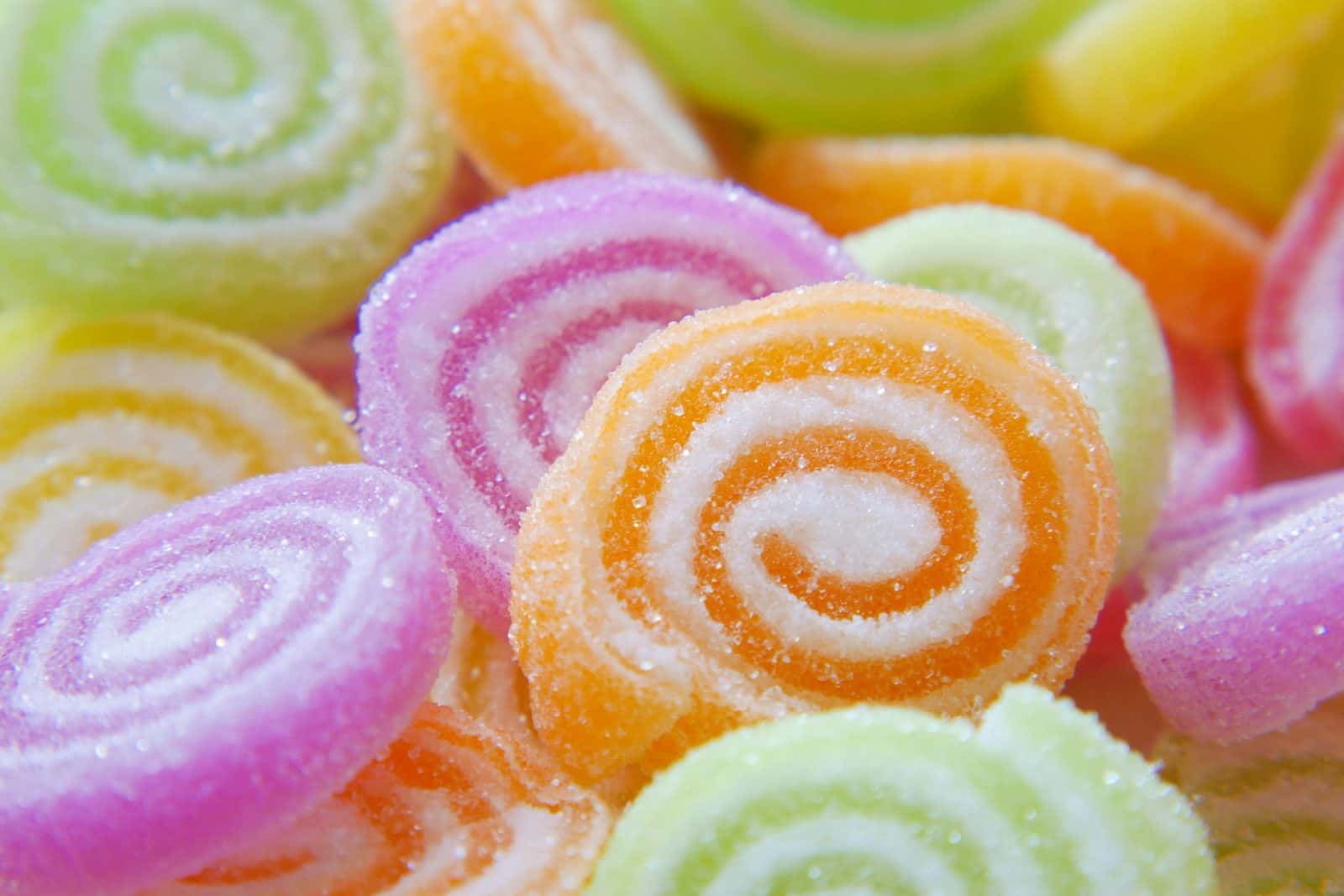
Applications & industries
- Chewing gum
- Mints and hard candies
- Chocolate
- Cakes and other baked goods
- Foods for special dietary uses (US)
- Cosmetic humectant (technical grade specified)
Packaging, origin and manufacturers
Packaging options
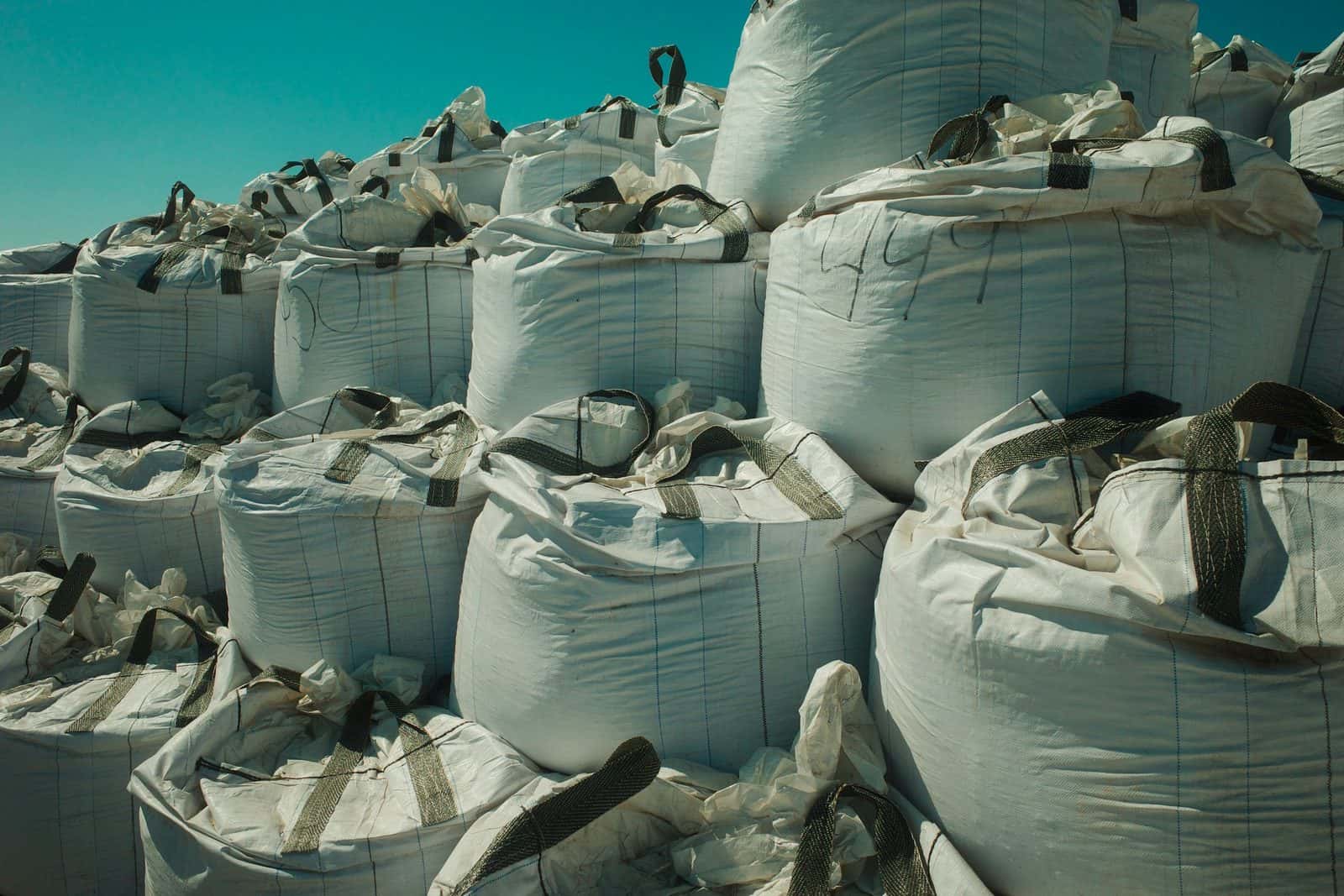
- 25 kg bags
- 20 kg bags
- Jumbo bags (FIBC)
Xylitol is commonly packed in 20 kg or 25 kg lined bags and in 1-tonne bulk bags. These are formats commonly supplied in the trade; the format for your order is confirmed in the quotation.
Origin
Stated in the quotation
Each quotation states the origin, producer and specification of the offered lot.
Supplied and exported by ANUTIDA — Udon Thani, Thailand
Manufacturer information
You buy from ANUTIDA. The producer of the offered lot is named in the quotation; state any preferred manufacturer or brand in your request.
Paperwork & shipping
Documentation & export
Each quotation states the specification of the offered product. Export shipments travel with the document set agreed in your contract — typically a commercial invoice, packing list, bill of lading, certificate of origin and a Certificate of Analysis for the lot. List any further documents you need, such as third-party inspection, halal or kosher certificates or a health certificate, and they are confirmed in the quotation. Read how shipping works on the export and logistics pages.
- Minimum order
- Confirmed with quotation
- Lead time
- Confirmed with quotation
- Delivery
- Export from Thailand
Product guide
About Xylitol
How xylitol is produced
Xylitol is made from D-xylose, a five-carbon sugar found in the hemicellulose of plant material. Industrially, a hemicellulose-rich raw material is hydrolysed, and the xylose is separated, purified and then catalytically hydrogenated, traditionally over a Raney-nickel catalyst. The xylitol is then purified and crystallised. Birch wood and corn cobs are among the commercial sources of xylose. Fermentation routes from xylose are an active research area, but commercial production is generally by chemical hydrogenation. The EU specification allows small amounts of related polyols (L-arabinitol, galactitol, mannitol, sorbitol) and JECFA caps these other polyols at 1.0% in total.
Forms and grades
- Crystalline (granular) xylitol: the standard grade for confectionery, chewing gum and dry blends.
- Xylitol powder: milled grades for coatings, pressed tablets and fast dissolving.
- Both carry the same identity (E 967 / INS 967). Particle size is grade-specific and is confirmed on the specification and COA.
Functional properties
- Sucrose-level sweetness: it matches sucrose in sweetness, so it can replace sugar on a like-for-like sweetness basis.
- Strong cooling effect: its heat of solution is strongly negative, second only to erythritol among common polyols, which suits mints and chewing gum.
- Moderate hygroscopicity: rated medium among polyols, so it holds moisture better than erythritol or mannitol but less than sorbitol.
- Low melting point: the melting range is 92–96 °C, which matters for processes involving heat and for tablet compression.
- Non-reducing: reducing sugars are limited to 0.2%, so xylitol does not take part in Maillard browning the way sugars do.
For how xylitol compares with the other cooling polyol, see erythritol vs xylitol.
Applications by industry
The main users of xylitol are in confectionery: chewing gum, mints, hard candies and chocolate, where its sweetness and cooling are the point. In bakery and general food manufacturing it is used as a sweetener and humectant in foods where sucrose is replaced, such as cakes. Distributors stock both crystalline and powder grades. Xylitol is also a recognised humectant in cosmetic products, so technical buyers outside food take the same ingredient; state the intended use and grade on the RFQ.
Market rules differ. In the US, 21 CFR 172.395 lists xylitol as a food additive for foods for special dietary uses; for other US uses, confirm the regulatory basis with your regulatory team. In the EU it is permitted as E 967 under Regulation (EC) No 1333/2008, but polyols other than erythritol may not be used in flavoured drinks (category 14.1.4).
Formulation and handling
- Store in closed bags in a cool, dry place away from sunlight to prevent moisture uptake.
- Allow for the low melting range (92–96 °C) when setting process temperatures.
- In the EU, foods with more than 10% added polyols must carry the statement “excessive consumption may produce laxative effects”.
Regulatory identity
Xylitol is INS 967 and E 967. EU purity criteria are in Regulation (EU) No 231/2012 and use conditions are in Regulation (EC) No 1333/2008. JECFA has allocated an ADI “not specified” (1983). In the US it is listed as a food additive under 21 CFR 172.395 for foods for special dietary uses.
What to specify when you request a xylitol quotation
- Grade: crystalline/granular or powder, and the particle-size range you need.
- Specification basis (JECFA, EU Regulation 231/2012 or FCC) and critical limits such as assay, water, other polyols and nickel.
- Intended market and use, since rules for xylitol differ between the EU and the US.
- Packaging (20 kg or 25 kg bags, or bulk bags), volume, delivery schedule and destination.
Buyer questions
Xylitol FAQ
Which xylitol grades does ANUTIDA supply?
Crystalline (granular) xylitol and milled xylitol powder. Both meet the same JECFA/EU identity; particle size is stated on the specification and COA.
How sweet is xylitol?
Health Canada gives xylitol about the same sweetness as sucrose (100%). It also has a marked cooling effect when the crystals dissolve.
Which specification and documents come with each lot?
Each lot is supplied against the specification agreed in the quotation (for example JECFA, EU Regulation 231/2012 or FCC) and ships with a Certificate of Analysis. Ask in your RFQ for any other documents your market requires.
How is xylitol packed and stored?
Commonly in 20 kg or 25 kg lined bags or 1-tonne bulk bags. Keep it in closed bags in a cool, dry place away from sunlight to prevent moisture uptake. The format for your order is confirmed in the quotation.
How do I order xylitol from ANUTIDA?
Send a request for quotation stating the form and grade, the specification you buy against, quantity, packaging, destination port and the documents you need. ANUTIDA replies with a quotation that confirms the specification, packaging, minimum order quantity and lead time for that order.
Last updated 6 October 2026
Related supply
Other Sweeteners You May Be Interested In
Knowledge Center
Related Articles & Resources
- SweetenersErythritol vs Xylitol: A Technical Comparison for BuyersErythritol and xylitol are the two crystalline, strongly cooling polyols. They differ in how they are made, how sweet they are and where the law lets you use them.Read guide
 SweetenersDextrose Monohydrate vs Dextrose AnhydrousBoth forms are at least 99.5% D-glucose on a dry basis. The difference is one molecule of crystal water, which changes total solids, dosage and moisture behaviour.Read guide
 SweetenersGlucose Syrup vs Dextrose: What Buyers Need to KnowBoth are made from starch and both are often called "glucose", but glucose syrup is a liquid mixture of saccharides (DE ≥ 20) while dextrose is crystallised D-glucose. Here is how they differ and how to choose.Read guide
 SweetenersHFCS 42 vs HFCS 55: Composition, Uses and LabellingHFCS 42 and HFCS 55 differ in fructose content, solids, sweetness, typical use, EU name and HS subheading. A side-by-side guide for buyers of high-fructose syrup.Read guide

Request a quotation
Need Xylitol or Other Sweeteners?
Tell us your product, specification, quantity and destination. ANUTIDA replies with packaging options and a written quotation.