Sugar & Sweeteners for Refining, Fermentation & Industry
Industrial buyers use sugar as a feedstock rather than a finished ingredient. Refiners buy on polarisation and colour; fermentation plants on fermentable sugar and consistency. ANUTIDA supplies Thai raw sugar in its commercial grades alongside white sugar and starch-based sugars for process use.
Raw cane sugar is partially purified sucrose whose crystals still carry a film of cane molasses. It is not meant to be eaten as it is: refiners re-melt, decolourise and re-crystallise it. Thai rules class any cane sugar of 601 ICUMSA units or more and at least 97.00 °Z as raw sugar; within that class the trade uses commercial descriptions:
Thai Hi-Pol — Thailand's benchmark raw export grade. Platts assesses it at a minimum 98.5° polarisation (wet basis), FOB Thai ports, in bulk cargoes.
VHP raw sugar — primarily a Brazilian designation (Platts Brazil VHP: 99.00–99.49°). Some Thai mills label product VHP to their own specification, so ANUTIDA quotes VHP against the actual polarisation and colour in your contract.
Raw cane sugar — standard raws. The world benchmark, ICE Sugar No. 11, prices raw sugar on a 96° polarisation basis.
Customer-specific raws — specifications written for particular destination refiners, such as J-Spec for Japan and K-Spec for Korea.
Higher polarisation means less non-sugar to remove, but raw sugar does not keep indefinitely: a refinery study found that even VHP raw sugar can double its colour during long-term storage. Destination rules matter too — Indonesia, the largest buyer of Thai raw sugar, requires imported raw sugar to be ICUMSA 600 or higher, while USDA notes that both Indonesia and South Korea have large domestic refining industries. In 2025 Thai raw-sugar exports went mainly to Indonesia and South Korea, followed by Vietnam and Japan.
Sugar for fermentation and process use
Distilleries, vinegar makers and other fermentation plants buy sugar as fermentable carbohydrate — one Thai producer lists them among its raw-sugar buyers. The organism splits sucrose with its own invertase before fermenting it; baker's yeast, for example, turns sugars into carbon dioxide and ethanol and uses glucose in preference to fructose. The grade follows the process:
Raw or Hi-Pol sugar where colour and minor non-sugars do not matter and cost per tonne of sucrose does.
White sugar where the process or product needs a cleaner, low-colour feedstock.
Dextrose and glucose syrup where glucose itself is wanted rather than sucrose — EU definitions set dextrose monohydrate at ≥ 90% and anhydrous dextrose at ≥ 98% dry matter.
Liquid sucrose for plants within tanker range that want to skip dissolving.
Specifying industrial sugar
RFQ parameters for industrial and refinery sugar
Parameter
Raw / Hi-Pol / VHP
White sugar, dextrose, syrups
Polarisation / purity
Minimum °Z with a premium/discount scale, e.g. Hi-Pol min. 98.5° (Platts basis)
≥ 99.50 °Z (Thai white grade 1), or dextrose content
Colour
Maximum ICUMSA units — check destination import limits
ICUMSA maximum where colour matters
Moisture
Maximum %; raw sugar typically holds 0.25–1.1% water
Maximum %
Other refinery parameters
Ash, reducing sugars and any others in your refining contract
As your process requires
Shipment
Bulk vessel (Platts Thai Hi-Pol basis: 12,000 t parcels) or bagged in containers
50 kg or jumbo bags; tanker for liquids
Inspection
Independent weighing and sampling at loading
COA per lot
RFQ parameters for industrial and refinery sugar.
Shipping raw sugar
Raw sugar normally ships loose in bulk carriers; the Platts Thai Hi-Pol basis is 12,000 t parcels (8,000–12,000 t considered) loading at Bangkok, Laem Chabang, Koh Si Chang or Sri Racha. Smaller buyers can take bagged raw sugar in containers — some Thai mills dry Hi-Pol before bagging it. Raw sugar deliquesces once relative humidity reaches about 80%, and sugar loaded above about 48 °C may cake as it cools. Read what Hi-Pol sugar is, what VHP sugar is and raw vs refined sugar.
Refinery contracts usually settle on loading-port weights and analysis. Under ICE Sugar No. 11 rules, an independent supervision company weighs and samples the cargo, with samples drawn for each 2,000 tons; if buyer's and seller's polarisation results differ by 0.15° or more, a third sample goes to an independent chemist.
Every Thai sugar export needs Cane and Sugar Board permission; ANUTIDA arranges the export permits, customs clearance and shipping documents each shipment requires. See sugar export and logistics.
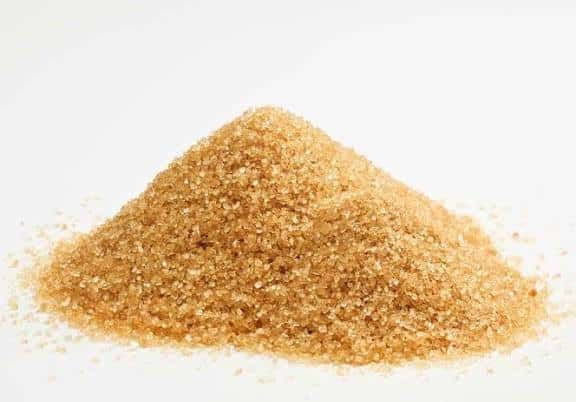
Thailand's benchmark raw export grade: raw cane sugar with a minimum pol of 98.5° (wet basis) under the Platts Thai Hi-Pol assessment, loaded in bulk at Thai ports or bagged for smaller buyers.
Raw cane sugar traded under the VHP (very high polarisation) label, benchmarked by Platts at 99.00–99.49° pol for Brazil. Thai mills selling VHP publish their own specs, and ANUTIDA quotes against the offer's actual pol and colour.
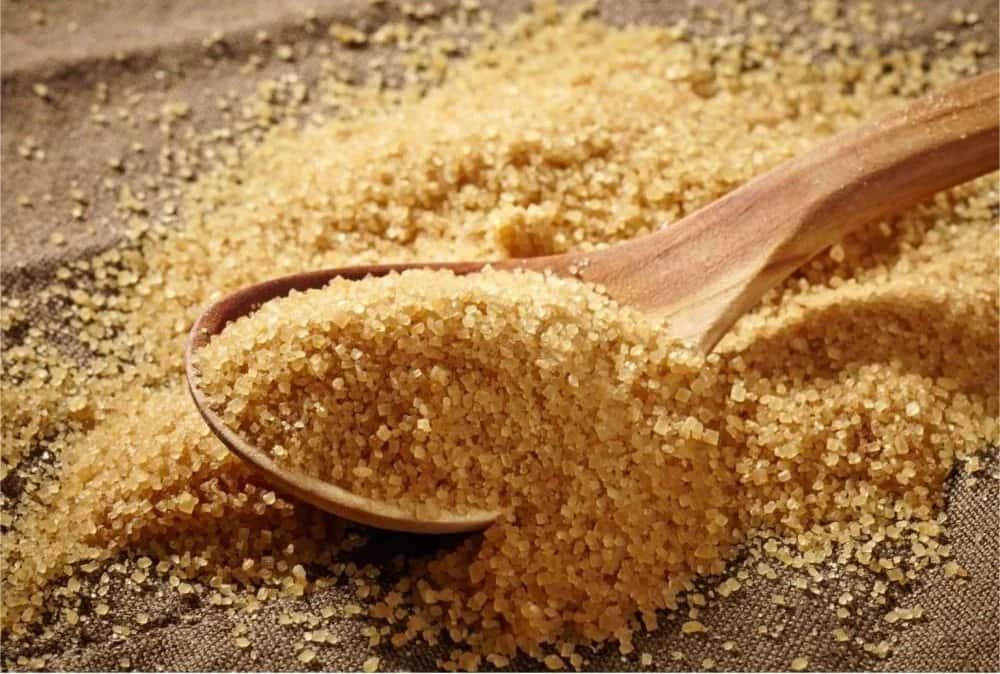
Thai raw cane sugar — pol of at least 97.00 °Z and colour from 601 IU under Thai rules — priced off the ICE No. 11 96° basis and shipped mainly in bulk to destination refineries.
Thai mill white cane sugar held to the Codex plantation-white colour ceiling of 150 IU (pol ≥ 99.5 °Z), inside Thai white sugar grade 1 — bagged for importers, repackers and food manufacturers.
Thai refined cane sugar in the 0–45 IU colour class with pol of at least 99.80 °Z — the quality behind the world white-sugar benchmark — supplied in 50 kg, 25 kg and 1-tonne bags for export.
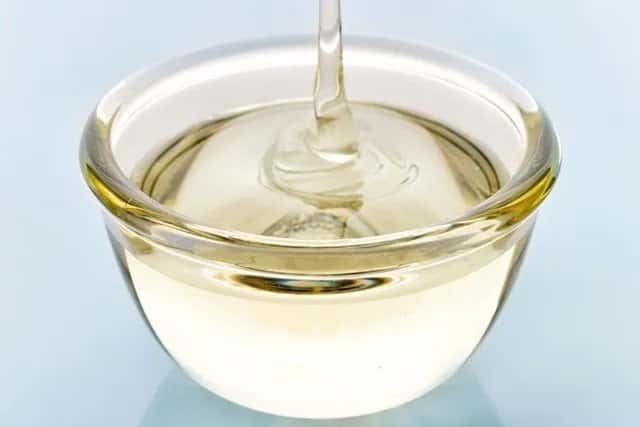
Thai liquid sucrose — refined-quality sugar dissolved to about 66–68 % solids with colour of 35 IU or less — delivered by road tanker to beverage and food plants.
Purified, crystallised D-glucose (≥ 99.5% D-glucose, dry basis) in monohydrate or anhydrous form, commonly supplied in 25 kg or 50 kg bags with a COA for each lot.
Purified, concentrated starch hydrolysate with DE ≥ 20 and ≥ 70% total solids (Codex CXS 212), quoted by ANUTIDA against your DE and solids specification.
What is the difference between Hi-Pol and VHP raw sugar?
Both are high-polarisation raw sugars. Thai Hi-Pol is Thailand's benchmark export grade, assessed by Platts at a minimum 98.5° polarisation. VHP is mainly a Brazilian designation, assessed at 99.00–99.49°. Neither is a Thai regulatory class — both are raw sugar under Thai rules — so the contract should state the polarisation and colour you require.
Can raw sugar be supplied in bags?
Bulk vessel shipment is the norm for refinery cargoes, but some Thai mills dry and bag high-pol sugar for export, so bagged raw sugar in containers can be quoted for smaller volumes. The format is confirmed in the quotation.
Is raw sugar food grade?
Raw sugar is intended for refining, not direct consumption. For food or beverage use, choose white or refined sugar.
Request a quotation
Supplying industrial?
Tell us the product, specification, quantity and destination. ANUTIDA's sales desk replies with packaging options and a written quotation.