Starch-Based Sweeteners · Glucose syrups
Glucose Syrup Supplier — DE Grades for Confectionery & Food
Purified, concentrated starch hydrolysate with DE ≥ 20 and ≥ 70% total solids (Codex CXS 212), quoted by ANUTIDA against your DE and solids specification.
- SyrupForms supplied
- Multiple Thai producersChao Khun Agro Products, Mc Andrew and Partners
- COA with every lotSpecification in the quotation
Quick quote
Select a product ICUMSA 45 Refined SugarICUMSA 45Quote
 ICUMSA 150 White SugarICUMSA 150Quote
 VHP Raw SugarRaw cane sugar sold under the VHP (very high polarisation) labelQuote
 Thai Hi-Pol Raw SugarHigh-polarisation raw cane sugarQuote
 Glucose SyrupStarch hydrolysate syrup (nutritive sweetener)Quote
 DextroseCrystalline D-glucose (nutritive sweetener)Quote
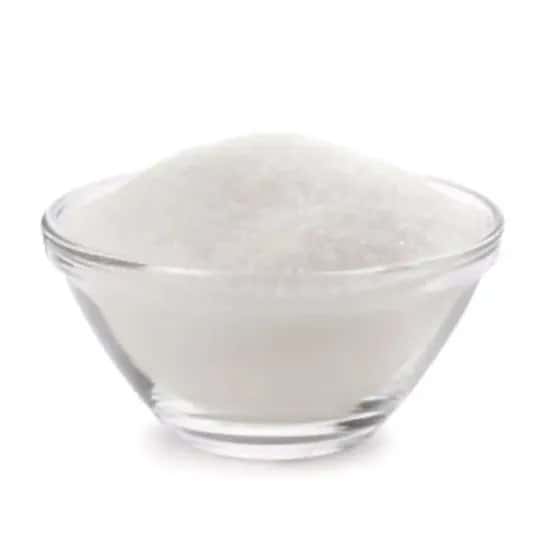 FructoseCrystalline D-fructose (nutritive sweetener)Quote
 High-Fructose Syrup (HFCS)Isomerised glucose–fructose syrupQuote
- Thailand basedUdon Thani, Thailand
- Ready stockCommercial supply
- Multiple Thai producersBroad product range
- Global exportShipped from Thailand
- Specification supportCOA with every lot
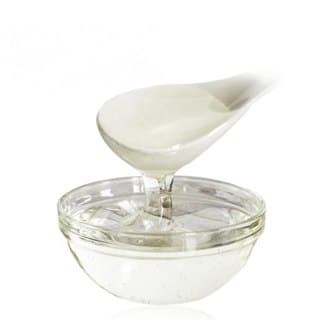
Starch-Based Sweeteners
Glucose Syrup
Starch hydrolysate syrup (nutritive sweetener)
- Syrup
- Dry matter
- ≥ 70.0% m/m
- Ash
- ≤ 1.0%
- SO₂
- ≤ 20 mg/kg
- Forms
- Syrup
Certificate of Analysis with every lot
What is Glucose Syrup?
Glucose syrup is a purified, concentrated water solution of nutritive saccharides obtained by hydrolysing edible starch. Codex CXS 212-1999 and EU Directive 2001/111/EC define it with two thresholds: a dextrose equivalent (DE) of at least 20 on a dry basis and a total solids content of at least 70%. Depending on how far the starch is broken down, the syrup contains glucose, maltose and longer glucose chains in varying proportions. In trade it is also called liquid glucose or glucose sirup, and US rules allow the starch to be named — "corn syrup" or "tapioca syrup", for example.
- Confectionery
- Dairy
- Bakery
- Food Manufacturing
Key features
- Supplied in syrup form
- Specification limits from official standards
- Certificate of Analysis with every lot
- Packed in drums, ibc totes and flexitank
- Produced in Thailand by makers including Chao Khun Agro Products and Mc Andrew and Partners
- Exported from Thailand on your Incoterm
Technical data
Technical specifications
Syrup
Lower-DE glucose syrup
Grades at the low end of the glucose syrup range (just above DE 20). Higher viscosity, more body and stronger anti-crystallising effect.
Syrup
Medium-DE (regular) glucose syrup
General-purpose grades for confectionery, bakery and food manufacturing that balance body and sweetness.
Syrup
High-DE glucose syrup
More extensively hydrolysed grades. Sweeter, more fermentable and faster-browning, with lower viscosity.
Syrup
High-maltose glucose syrup
Glucose syrup with a saccharide profile concentrated in maltose, quoted on maltose content and DE.
Also known as: maltose syrup, high-maltose syrup
| Parameter | Value | Basis |
|---|---|---|
| Dextrose equivalent (DE, dry basis) | ≥ 20.0% m/m, as D-glucoseSame minimum in EU Directive 2001/111/EC and 21 CFR 168.120. The DE of a specific grade is a range in the producer's specification. | Standard / official specification |
| Total solids | ≥ 70.0% m/m | Standard / official specification |
| Sulphated ash (dry basis) | ≤ 1.0%Also ≤ 1.0% m/m in 21 CFR 168.120 and in the Codex annex. | Standard / official specification |
| Sulphur dioxide — Codex, general use | ≤ 20 mg/kg | Standard / official specification |
| Sulphur dioxide — Codex, syrup for sugar confectionery | ≤ 400 mg/kg | Standard / official specification |
| Sulphur dioxide — US (21 CFR 168.120) | ≤ 40 mg/kg | Standard / official specification |
| Brix | Confirmed per lot on the Certificate of Analysis — contact ANUTIDA for the current specification. | |
| Colour | Confirmed per lot on the Certificate of Analysis — contact ANUTIDA for the current specification. | |
| pH | Confirmed per lot on the Certificate of Analysis — contact ANUTIDA for the current specification. | |
| Saccharide profile (glucose, maltose, higher saccharides) | Confirmed per lot on the Certificate of Analysis — contact ANUTIDA for the current specification. | |
Lower-DE glucose syrup
| Parameter | Value | Basis |
|---|---|---|
| DE range | Confirmed per lot on the Certificate of Analysis — contact ANUTIDA for the current specification. | |
Medium-DE (regular) glucose syrup
| Parameter | Value | Basis |
|---|---|---|
| DE range | Confirmed per lot on the Certificate of Analysis — contact ANUTIDA for the current specification. | |
High-DE glucose syrup
| Parameter | Value | Basis |
|---|---|---|
| DE range | Confirmed per lot on the Certificate of Analysis — contact ANUTIDA for the current specification. | |
High-maltose glucose syrup
| Parameter | Value | Basis |
|---|---|---|
| Maltose content | Confirmed per lot on the Certificate of Analysis — contact ANUTIDA for the current specification. | |
Identity & status
Regulatory identity
| Codex | Defined in the Standard for Sugars, CXS 212-1999 (DE ≥ 20, total solids ≥ 70%) |
|---|---|
| EU | Directive 2001/111/EC, Annex A.7. Above 5% fructose (dry matter) the name must be "glucose-fructose syrup" or "fructose-glucose syrup" (Art. 2(5)). |
| EU labelling | Ingredient category name "Glucose syrup" (Reg. (EU) 1169/2011, Annex VII Part B). Wheat-based and barley-based glucose syrups are excluded from the cereal-allergen entry in Annex II. |
| US standard of identity | 21 CFR 168.120 (glucose sirup; names such as "corn sirup" or "tapioca sirup" permitted) |
| US GRAS (corn-derived) | 21 CFR 184.1865 (corn syrup) |
| HS subheading | 1702.30 — glucose and glucose syrup containing < 20% fructose (dry); national tariff lines vary |
Glucose syrup is a food, not an additive, so it has no INS/E number. Import requirements are confirmed per destination.
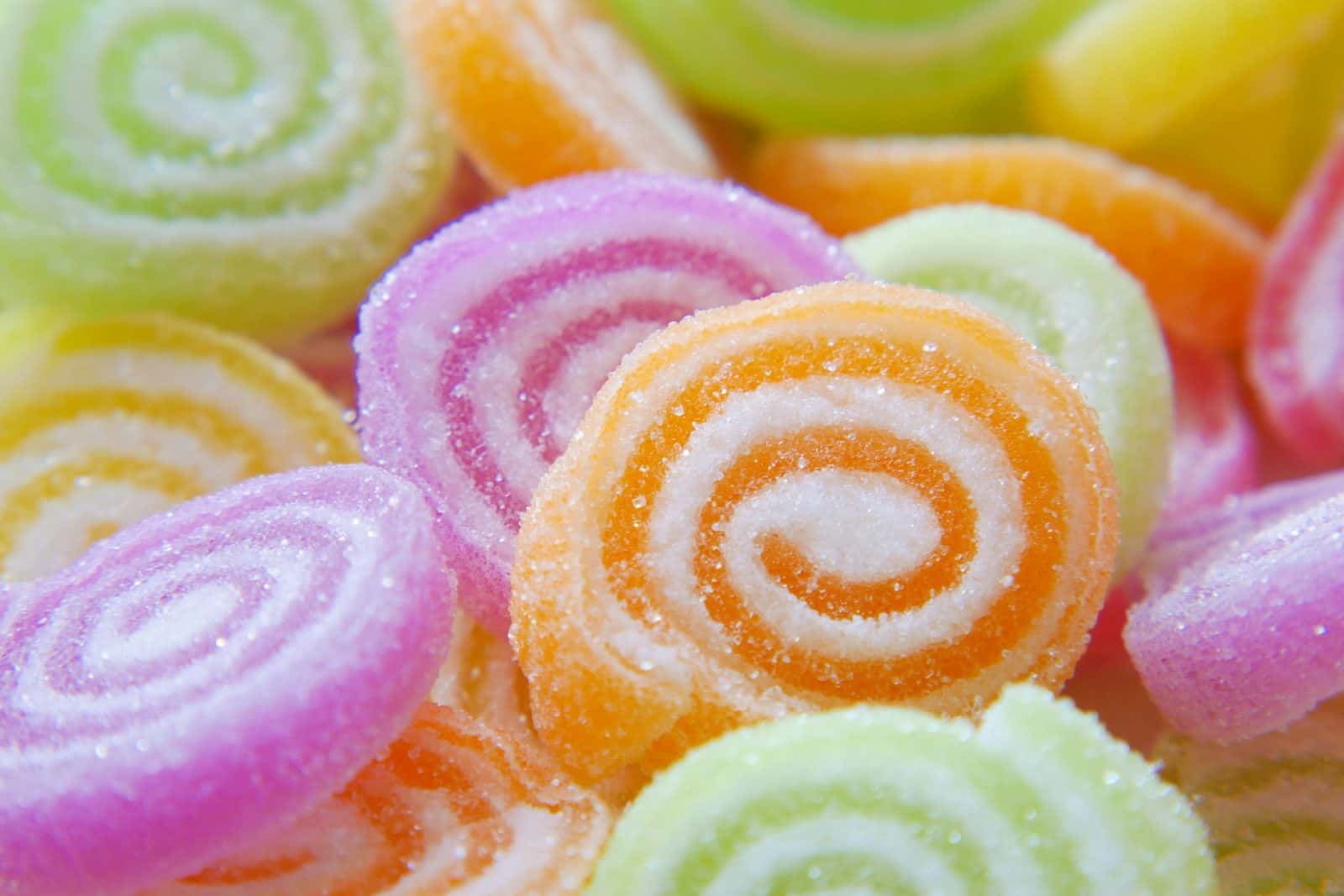
Applications & industries
- Hard candy, toffee and jellies
- Ice cream and frozen desserts
- Cookies, bars and soft baked goods
- Jams and fruit preparations
- Sauces and processed foods
- Beverage syrups and drink bases
- Fermentation feedstock
Packaging, origin and manufacturers
Packaging options
- Drums
- IBC totes
- Flexitank
- Road tanker
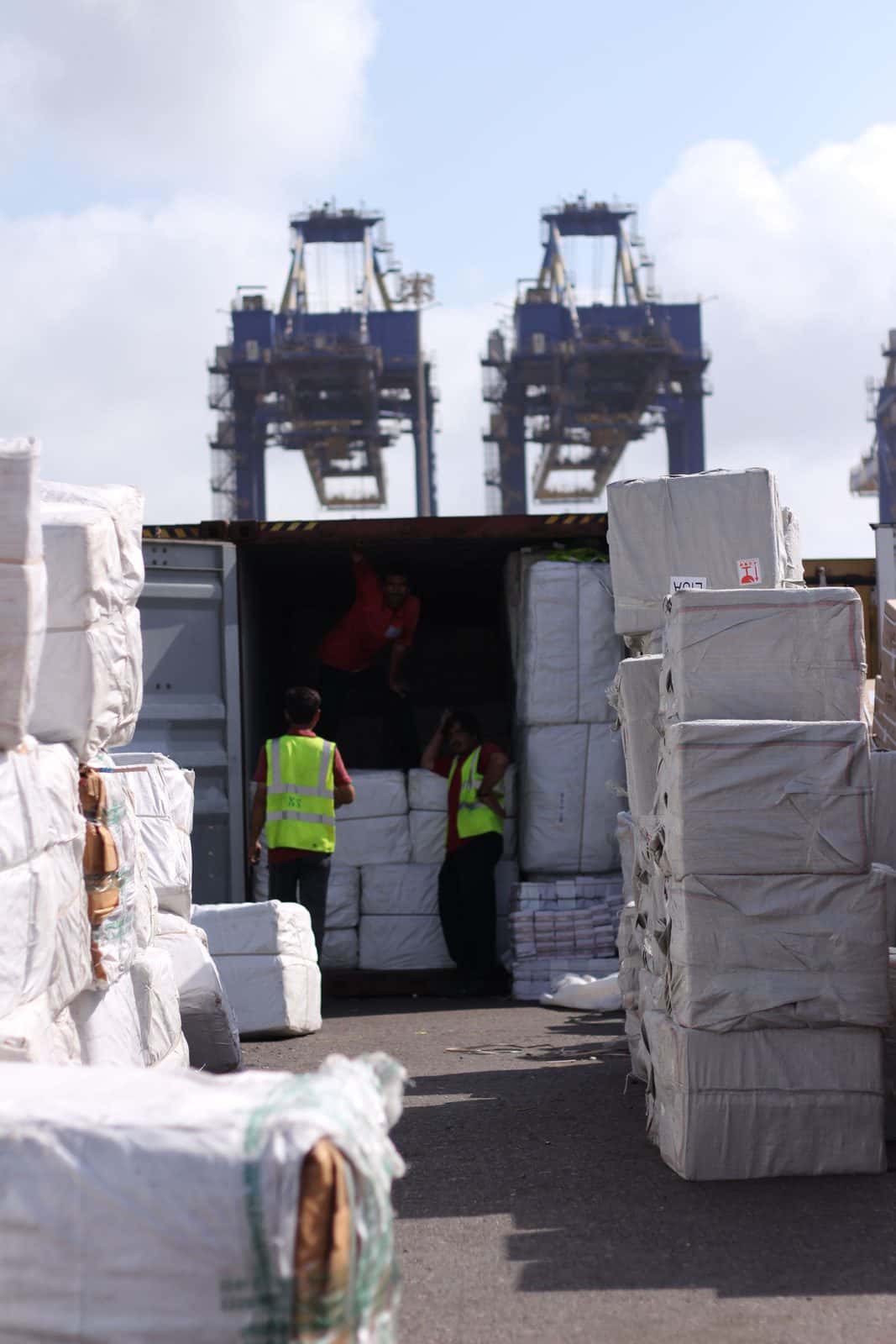
Liquid formats commonly supplied in the trade: drums (around 290–300 kg), IBC totes, flexitanks for export containers and road tankers for bulk. The format for your order is confirmed in the quotation.
Origin
Stated in the quotation
Each quotation states the origin, producer and specification of the offered lot.
Supplied and exported by ANUTIDA — Udon Thani, Thailand
Manufacturer information
Multiple Thai manufacturers
- Chao Khun Agro Products
- Mc Andrew and Partners
You buy from ANUTIDA. Name a preferred mill or brand in your request.
Paperwork & shipping
Documentation & export
Each quotation states the specification of the offered product. Export shipments travel with the document set agreed in your contract — typically a commercial invoice, packing list, bill of lading, certificate of origin and a Certificate of Analysis for the lot. List any further documents you need, such as third-party inspection, halal or kosher certificates or a health certificate, and they are confirmed in the quotation. Read how shipping works on the export and logistics pages.
- Minimum order
- Confirmed with quotation
- Lead time
- Confirmed with quotation
- Delivery
- Export from Thailand
Product guide
About Glucose Syrup
Glucose syrup and dextrose are different products. Dextrose is crystallised D-glucose with at least 99.5% D-glucose on a dry basis. Glucose syrup is a mixture of saccharides sold as a viscous liquid. The comparison is set out in glucose syrup vs dextrose.
How glucose syrup is made
Starch is heated in water to gelatinise it and then hydrolysed with acid, enzymes or both. The hydrolysate is refined and concentrated to syrup solids. DE measures how far hydrolysis has gone: it is the reducing sugar content, expressed as dextrose, per 100 g of dry matter. Pure dextrose has a DE of 100. Products below DE 20 are maltodextrins, and the literature places starch syrups roughly in the DE 20–75 band. Corn and tapioca (cassava) starch are the usual feedstocks. Wheat is also used, and wheat-based glucose syrups are excluded from the EU cereal-allergen list.
Choosing a grade: what DE changes
Producers sell glucose syrup as a family of grades, each with its own DE range. A review of starch hydrolysates summarises how the main properties move with DE:
- Lower-DE syrups have higher viscosity, binding power and anti-crystallising power, and depress the freezing point less. They add body and chewiness and help stop sucrose crystallising.
- Higher-DE syrups are sweeter and more hygroscopic. They brown more readily on heating, are more fermentable and enhance flavour more strongly.
- High-maltose syrups are glucose syrups whose saccharide profile is concentrated in maltose. They are quoted on their own maltose and DE specification.
No international standard sets fixed DE bands for "low", "regular" or "high" syrups. Each producer publishes its own range per grade. ANUTIDA quotes against that producer specification, and each lot's actual DE and solids are stated on its Certificate of Analysis.
Applications by industry
- Confectionery: controls sucrose crystallisation and adds body in hard candy, toffee and jellies. Codex sets a separate, higher sulphur dioxide limit for glucose syrup used to make sugar confectionery.
- Dairy and frozen desserts: adds smoothness to ice cream and limits a sandy texture after temperature cycling.
- Bakery: retains moisture and keeps cookies and bars soft. Higher-DE grades also brown faster.
- Food manufacturing: in jams and fruit preparations it brings out fruit flavour, improves spreadability and lowers water activity. It is also used in sauces and processed foods.
- Beverages: provides body and a consistent mouthfeel in syrups and drink bases.
- Industrial: used as a fermentation feedstock and in non-food uses such as leather finishing.
Handling and formulation notes
Viscosity rises as DE falls, so lower-DE grades need suitable pumping and unloading arrangements. Sulphur dioxide limits depend on the market: Codex allows up to 20 mg/kg for general use and 400 mg/kg for syrup used to make sugar confectionery, while the US standard (21 CFR 168.120) sets 40 mg/kg. State the destination market so the quoted grade meets the limit that applies there.
Regulatory identity
Glucose syrup is a food, not a food additive, so it has no INS or E number. It is defined in Codex CXS 212-1999 and in Annex A.7 of Directive 2001/111/EC. In the EU, a glucose syrup with more than 5% fructose on a dry basis must be named "glucose-fructose syrup" or "fructose-glucose syrup". Such syrups are covered on the high-fructose syrup page. The US standard of identity is 21 CFR 168.120, and corn-derived syrup is affirmed GRAS under 21 CFR 184.1865. For customs, glucose and glucose syrup with less than 20% fructose fall under HS subheading 1702.30.
Thailand production context
The Thai Tapioca Starch Association (TTSA) describes Thailand as the world's largest producer and exporter of tapioca products. Its survey figures put the 2024/25 cassava crop at about 25.0 million tonnes of roots. Thai Customs data compiled by TTSA show 2.89 million tonnes of native tapioca starch and 1.07 million tonnes of modified starch exported in 2025. TTSA also notes that tapioca starch makes up about 80% of the raw material for sweeteners such as glucose and fructose syrups. ANUTIDA confirms the feedstock and origin of each lot in the quotation.
What to specify in your RFQ
- DE range and total solids or Brix, or the saccharide profile if your process depends on it
- Feedstock (tapioca, corn or other) and any allergen or GMO-status requirements of your market
- Sulphur dioxide limit, colour and clarity requirements for your destination market
- Packaging: drums, IBC totes, flexitank or road tanker, plus delivery schedule and volume
- Documents needed with each shipment, starting with the lot Certificate of Analysis
Buyer questions
Glucose Syrup FAQ
What DE grades of glucose syrup can ANUTIDA supply?
Glucose syrup by definition has a DE of at least 20. Within that range, producers offer lower-, medium- and higher-DE grades as well as high-maltose syrups. Tell us the DE range and solids your process needs, and the quotation names a grade whose specification matches.
Is your glucose syrup made from tapioca or corn?
Both feedstocks exist in the trade, and in Thailand tapioca starch is the main raw material for glucose syrups. The feedstock and origin of the lot offered are stated in each quotation. If your market requires a specific starch source, include it in the RFQ.
What specification and documents come with each lot?
Each lot is supplied with a Certificate of Analysis showing its actual DE, solids and other agreed parameters against the producer specification. Other shipping and compliance documents are agreed with the quotation.
How is glucose syrup packed and shipped?
Glucose syrup moves in drums, IBC totes, flexitanks inside containers, or road tankers for bulk. The format, net weight per unit and loading plan are confirmed in the quotation.
Is glucose syrup the same as glucose-fructose syrup?
No. Once fructose exceeds 5% of dry matter, EU rules require the name glucose-fructose syrup or fructose-glucose syrup. Those products are covered under high-fructose syrup.
How do I order through ANUTIDA?
Send a request through the quote form with the grade, specification limits, quantity, packaging, destination port and Incoterm. ANUTIDA replies with a quotation that confirms the producer specification, origin, packaging, minimum order and lead time for that enquiry.
Last updated 6 October 2026
Related supply
Other Sweeteners You May Be Interested In
- SweetenerDextroseCrystalline D-glucose (nutritive sweetener)SpecificationView specification
 SweetenerMaltodextrinStarch hydrolysate powder (DE < 20)SpecificationView specification
- SweetenerHigh-Fructose Syrup (HFCS)Isomerised glucose–fructose syrupSpecificationView specification
- SweetenerFructoseCrystalline D-fructose (nutritive sweetener)SpecificationView specification
Knowledge Center
Related Articles & Resources
- SweetenersGlucose Syrup vs Dextrose: What Buyers Need to KnowBoth are made from starch and both are often called "glucose", but glucose syrup is a liquid mixture of saccharides (DE ≥ 20) while dextrose is crystallised D-glucose. Here is how they differ and how to choose.Read guide
- SweetenersMaltodextrin vs Glucose Syrup: The DE 20 Dividing LineMaltodextrin and glucose syrup come from the same starch hydrolysis. Maltodextrin stops below DE 20 and glucose syrup starts at DE 20, and that line decides sweetness, function, naming and regulation.Read guide
- SweetenersDextrose Monohydrate vs Dextrose AnhydrousBoth forms are at least 99.5% D-glucose on a dry basis. The difference is one molecule of crystal water, which changes total solids, dosage and moisture behaviour.Read guide
 SweetenersErythritol vs Xylitol: A Technical Comparison for BuyersErythritol and xylitol are the two crystalline, strongly cooling polyols. They differ in how they are made, how sweet they are and where the law lets you use them.Read guide
Request a quotation
Need Glucose Syrup or Other Sweeteners?
Tell us your product, specification, quantity and destination. ANUTIDA replies with packaging options and a written quotation.