Natural Sweeteners · Monk fruit
Monk Fruit Extract Supplier — Luo Han Guo Mogroside Sweetener
Monk fruit (luo han guo) extract powders graded by mogroside V content, and juice concentrate — supplied and exported by ANUTIDA.
- Powder · Extract · LiquidForms supplied
- Export from ThailandQuoted on your Incoterm
- COA with every lotSpecification in the quotation
Quick quote
Select a product ICUMSA 45 Refined SugarICUMSA 45Quote
 ICUMSA 150 White SugarICUMSA 150Quote
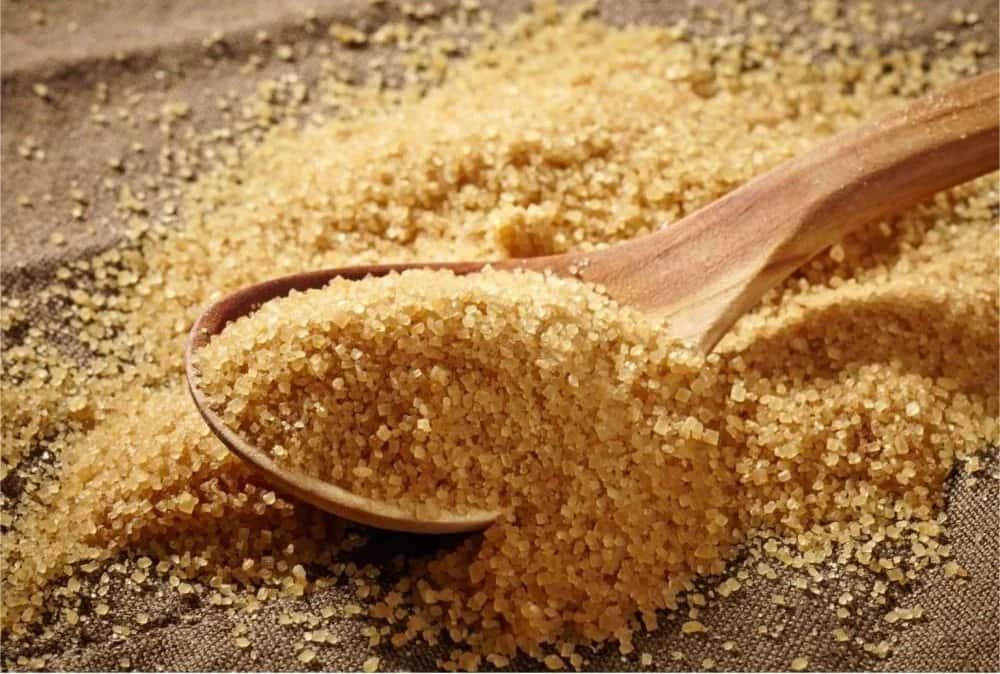 VHP Raw SugarRaw cane sugar sold under the VHP (very high polarisation) labelQuote
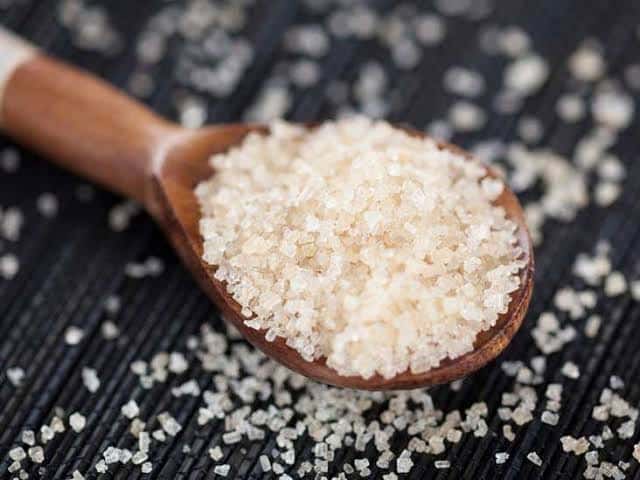
 Thai Hi-Pol Raw SugarHigh-polarisation raw cane sugarQuote
 Monk Fruit ExtractFruit-derived high-intensity sweetener (mogrosides)Quote
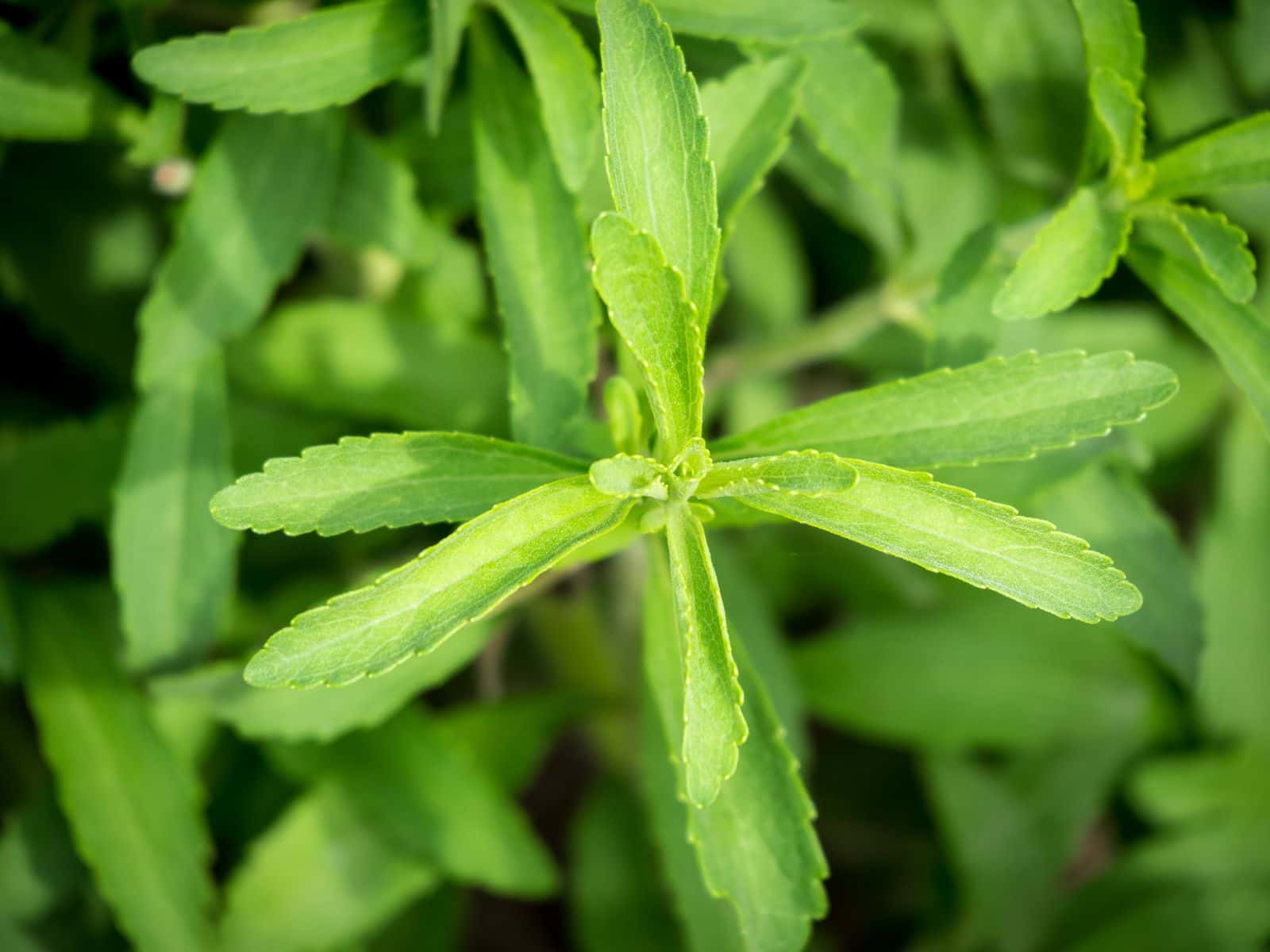
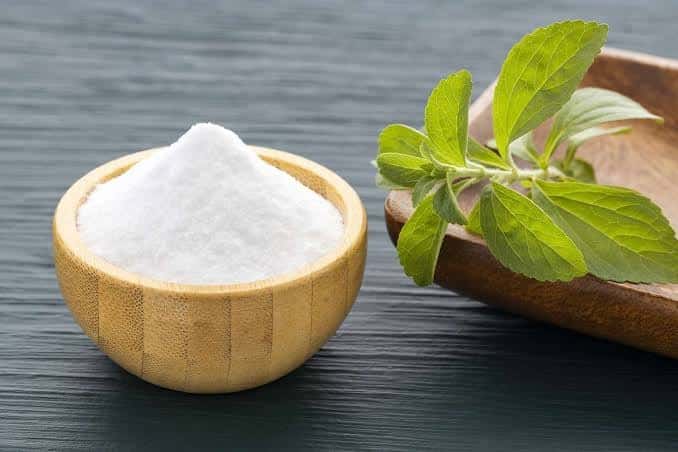 SteviaPlant-derived sweetener (Stevia rebaudiana)Quote
 Steviol GlycosidesHigh-intensity sweetener (food additive)Quote
 Rebaudioside A (Reb A)Steviol glycoside (high-intensity sweetener)Quote
- Thailand basedUdon Thani, Thailand
- Ready stockCommercial supply
- Multiple Thai producersBroad product range
- Global exportShipped from Thailand
- Specification supportCOA with every lot
Natural Sweeteners
Monk Fruit Extract
Fruit-derived high-intensity sweetener (mogrosides)
- Powder
- Extract
- Liquid
- INS 970
- INS number
- INS 970
- CAS number
- 88901-36-4
- Forms
- Powder · Extract
- Packaging
- Fibre drum
Certificate of Analysis with every lot
What is Monk Fruit Extract?
Monk fruit, or luo han guo, is the fruit of Siraitia grosvenorii, a plant of the cucumber family (Cucurbitaceae) native to southern China. Its sweetness comes from mogrosides, cucurbitane glycosides of which mogroside V (CAS 88901-36-4) is the major component. Monk fruit extract is a water extract of the fruit, concentrated and purified to a stated mogroside V content; FDA describes such extracts as 100–250 times sweeter than sugar depending on their mogroside content.
- Beverage
- Dairy
- Confectionery
- Food Manufacturing
Key features
- Supplied in powder, extract and liquid forms
- Food additive identity INS 970
- Specification limits from official standards
- Certificate of Analysis with every lot
- Packed in fibre drums
- Exported from Thailand on your Incoterm
Technical data
Technical specifications
Powder
Monk fruit extract powder (mogroside V grades)
Spray-dried hot-water extract, purified and blended to a stated mogroside V content.
Liquid
Monk fruit juice concentrate
Deionised hot-water extract concentrated under vacuum and sterilised; contains water and other fruit components.
| Parameter | Value | Basis |
|---|---|---|
| Botanical source | Fruit of Siraitia grosvenorii (Cucurbitaceae) | Standard / official specification |
| Sweet constituents | Mogrosides (II–VI); mogroside V is the major component | Typical value (reference) |
| CAS number (mogroside V) | 88901-36-4 | Typical value (reference) |
| INS number (as listed by JECFA) | INS 970 (monk fruit extract) | Standard / official specification |
| Relative sweetness | About 100–250 × sugar, depending on mogroside content | Typical value (reference) |
| Mogroside V content (lot) | Confirmed per lot on the Certificate of Analysis — contact ANUTIDA for the current specification. | |
| Moisture | Confirmed per lot on the Certificate of Analysis — contact ANUTIDA for the current specification. | |
| Colour / appearance | Confirmed per lot on the Certificate of Analysis — contact ANUTIDA for the current specification. | |
Monk fruit extract powder (mogroside V grades)
| Parameter | Value | Basis |
|---|---|---|
| Mogroside V content (US GRAS notices 301, 359, 522, 556) | 12.5–90 % across the notified grades | Typical value (reference) |
Monk fruit juice concentrate
| Parameter | Value | Basis |
|---|---|---|
| Concentration (GRN 784) | 10, 40, 50 or 65 °Brix | Typical value (reference) |
| Mogroside V content (GRN 784) | About 0.6–3.9 % | Typical value (reference) |
Identity & status
Regulatory identity
| INS | 970 (monk fruit extract), as listed in the JECFA database |
|---|---|
| JECFA (102nd meeting, 2026) | Temporary ADI 0–10 mg/kg bw per day as mogroside V; tentative specifications; exposure estimate based on proposed GSFA uses exceeded the temporary ADI |
| US GRAS — fruit extract | GRN 301 (2010), 359, 522, 556, 706 — FDA no questions |
| US GRAS — juice concentrate | GRN 627 (2016), 784 (2018) — FDA no questions |
| US — FDA statement on ADI | FDA's sweetener page states that an ADI has not been specified for monk fruit |
| EU — novel food status | Fruit: not yet authorised novel food; monk fruit decoctions: not novel |
| EU — food additive | No E-number; EFSA (2019) could not conclude on safety as a food additive |
Monk fruit extract is not interchangeable with steviol glycosides from a regulatory point of view; confirm the status in each destination market before ordering.
Applications & industries
- General-purpose sweetening (where permitted)
- Table-top sweeteners
- Beverages
- Dairy products and desserts
- Confectionery
Packaging, origin and manufacturers
Packaging options
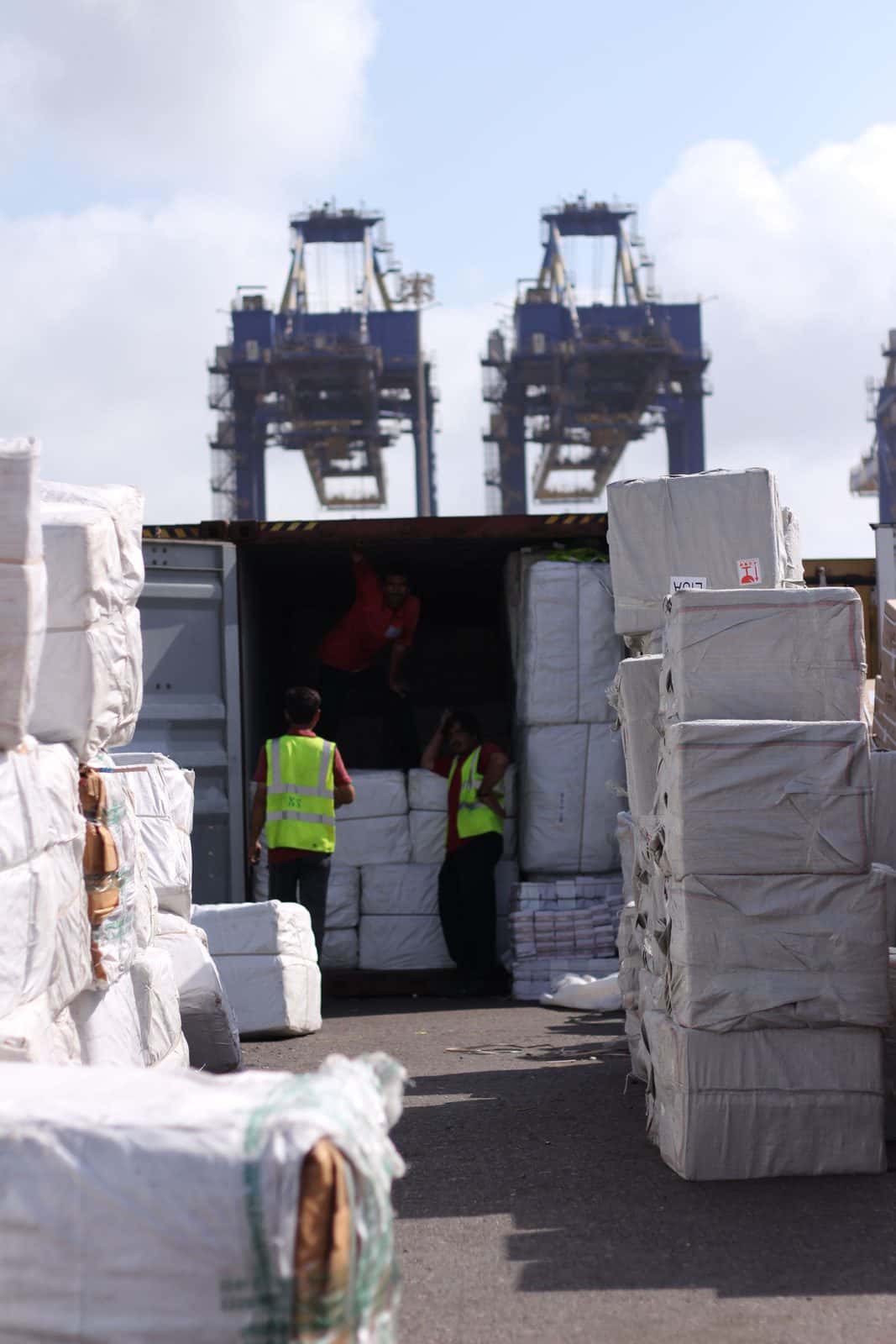
- Fibre drums
Extract powder is commonly packed in 20 kg fibre (paper) drums with plastic inner bags. Packing for juice concentrate is confirmed in the quotation.
Origin
Stated in the quotation
Each quotation states the origin, producer and specification of the offered lot.
Supplied and exported by ANUTIDA — Udon Thani, Thailand
Manufacturer information
You buy from ANUTIDA. The producer of the offered lot is named in the quotation; state any preferred manufacturer or brand in your request.
Paperwork & shipping
Documentation & export
Each quotation states the specification of the offered product. Export shipments travel with the document set agreed in your contract — typically a commercial invoice, packing list, bill of lading, certificate of origin and a Certificate of Analysis for the lot. List any further documents you need, such as third-party inspection, halal or kosher certificates or a health certificate, and they are confirmed in the quotation. Read how shipping works on the export and logistics pages.
- Minimum order
- Confirmed with quotation
- Lead time
- Confirmed with quotation
- Delivery
- Export from Thailand
Product guide
About Monk Fruit Extract
How monk fruit extract is made
In the process summarised in FDA's response to GRAS notice 706, unpeeled fruit is washed and crushed and extracted in hot water. The extract is cooled, centrifuged and filtered, passed through an adsorption resin and desorbed with aqueous ethanol, then concentrated and spray-dried to a powder with 18–32 % mogroside V. Further ion-exchange, silica-gel and membrane steps give higher-purity fractions, which are blended to the target mogroside V level. Juice concentrate is simpler: the hot-water extract is deionised and concentrated under vacuum to between 10 and 65 °Brix, giving about 0.6–3.9 % mogroside V (GRN 784).
Grades and how buyers choose
Extracts are specified by mogroside V content. Across the first four US GRAS notices (GRN 301, 359, 522 and 556), FDA records mogroside V levels from 12.5 % to 90 %. Lower-purity extracts and juice concentrates carry more of the fruit's other components — carbohydrates, fibre and protein — while high-mogroside grades are closer to a pure sweetener. Choose the grade from the sweetness load your formula needs, the labelling you intend to use and what your destination market accepts.
Regulatory status by market
- United States — FDA had no questions on GRAS notices for Siraitia grosvenorii fruit extract (GRN 301, 359, 522, 556, 706) and juice concentrate (GRN 627, 784) as general-purpose and table-top sweeteners.
- JECFA / Codex — monk fruit extract is listed under INS 970 in the JECFA database; at its 102nd meeting (2026) JECFA set a temporary ADI of 0–10 mg/kg bw per day expressed as mogroside V, with tentative specifications. It noted that its conservative exposure estimate, based on proposed GSFA uses and levels, exceeded the temporary ADI about four-fold.
- European Union — monk fruit extract has no E-number. EFSA concluded in 2019 that the data were insufficient to assess it as a food additive. The Novel Food Status Catalogue lists the fruit as a not-yet-authorised novel food, while monk fruit decoctions are considered not novel.
- Other markets — check the destination's sweetener and novel-food rules before ordering; ANUTIDA confirms the documents for each lot in the quotation.
Applications by industry
In markets that permit it, monk fruit extract is used as a general-purpose and table-top sweetener — in beverages (beverage), dairy products and desserts (dairy), confectionery and other foods (food manufacturing), and is regulated separately from steviol glycosides. The US notices for these products (for example GRN 706 and 784) exclude infant formula and foods under USDA jurisdiction from the intended uses.
What to specify in an RFQ
- Form: extract powder or juice concentrate (state °Brix for concentrates).
- Minimum mogroside V content and the test method the COA should use.
- Destination market and intended use, so the regulatory position can be checked.
- Microbiological and contaminant limits required by your customers.
- Quantity, packaging and documents.
Buyer questions
Monk Fruit Extract FAQ
Is monk fruit extract approved in the EU?
No. It has no E-number, EFSA could not conclude on its safety as an additive in 2019, and the fruit is listed as a not-yet-authorised novel food; only monk fruit decoctions are considered not novel.
What grade should I specify?
Specify the minimum mogroside V content. FDA records extracts from 12.5 % to 90 % mogroside V in the early GRAS notices; juice concentrates contain far less (about 0.6–3.9 %).
What did JECFA decide in 2026?
At its 102nd meeting JECFA set a temporary ADI of 0–10 mg/kg bw per day expressed as mogroside V and issued tentative specifications; its database lists monk fruit extract under INS 970.
How is monk fruit extract packed?
Extract powder commonly in 20 kg fibre drums with plastic liners; the format for your order is confirmed in the quotation.
How do I order?
Send a request for quotation with form, mogroside V grade, quantity, packaging and destination. MOQ and lead time are confirmed with the quotation.
Last updated 6 October 2026
Related supply
Other Sweeteners You May Be Interested In
- SweetenerSteviol GlycosidesHigh-intensity sweetener (food additive)SpecificationView specification
- SweetenerSteviaPlant-derived sweetener (Stevia rebaudiana)SpecificationView specification
 SweetenerRebaudioside M (Reb M)Steviol glycoside (high-intensity sweetener)SpecificationView specification
- SweetenerRebaudioside A (Reb A)Steviol glycoside (high-intensity sweetener)SpecificationView specification
Knowledge Center
Related Articles & Resources
- SweetenersSteviol Glycosides vs Monk Fruit Extract: What Buyers Should KnowStevia-derived steviol glycosides and monk fruit extract compared — composition, grades, sweetness and, above all, where each one may legally be sold.Read guide
 SweetenersDextrose Monohydrate vs Dextrose AnhydrousBoth forms are at least 99.5% D-glucose on a dry basis. The difference is one molecule of crystal water, which changes total solids, dosage and moisture behaviour.Read guide
 SweetenersErythritol vs Xylitol: A Technical Comparison for BuyersErythritol and xylitol are the two crystalline, strongly cooling polyols. They differ in how they are made, how sweet they are and where the law lets you use them.Read guide
 SweetenersGlucose Syrup vs Dextrose: What Buyers Need to KnowBoth are made from starch and both are often called "glucose", but glucose syrup is a liquid mixture of saccharides (DE ≥ 20) while dextrose is crystallised D-glucose. Here is how they differ and how to choose.Read guide
Request a quotation
Need Monk Fruit Extract or Other Sweeteners?
Tell us your product, specification, quantity and destination. ANUTIDA replies with packaging options and a written quotation.