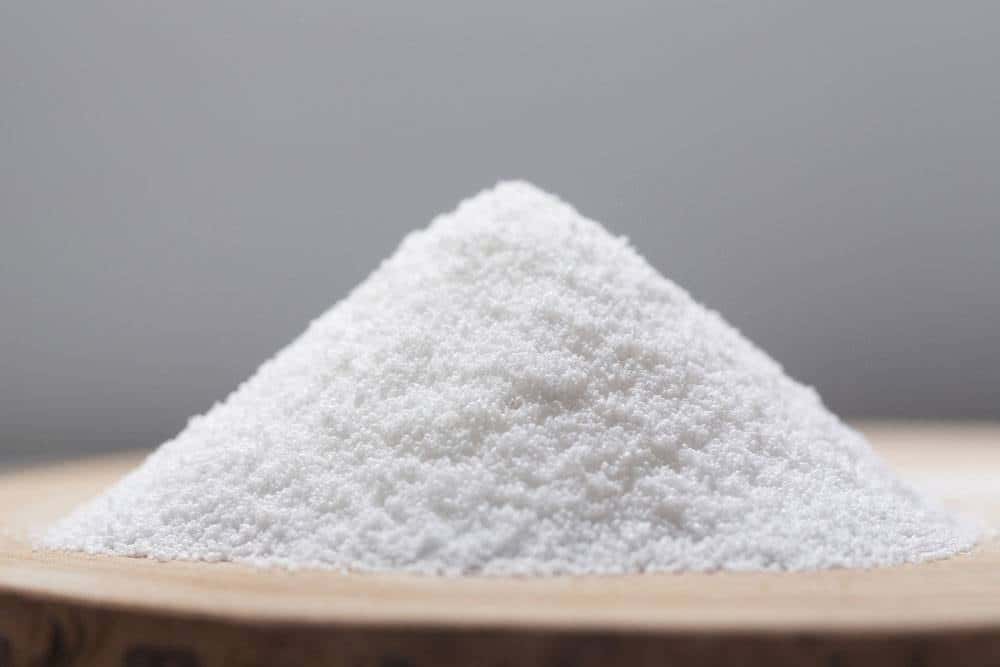
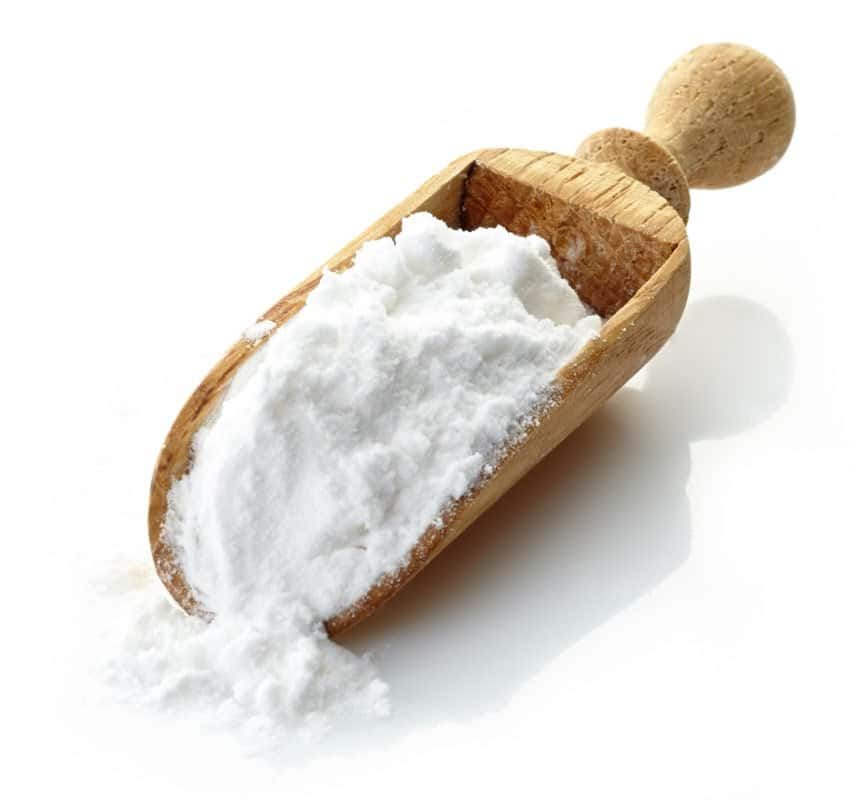
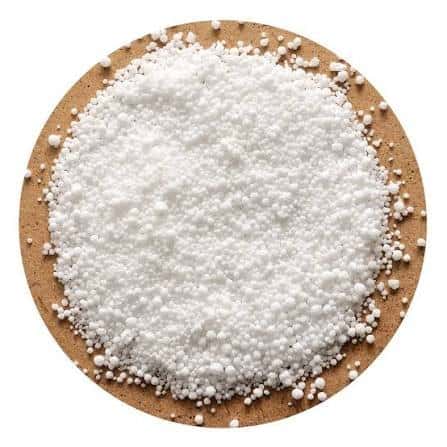
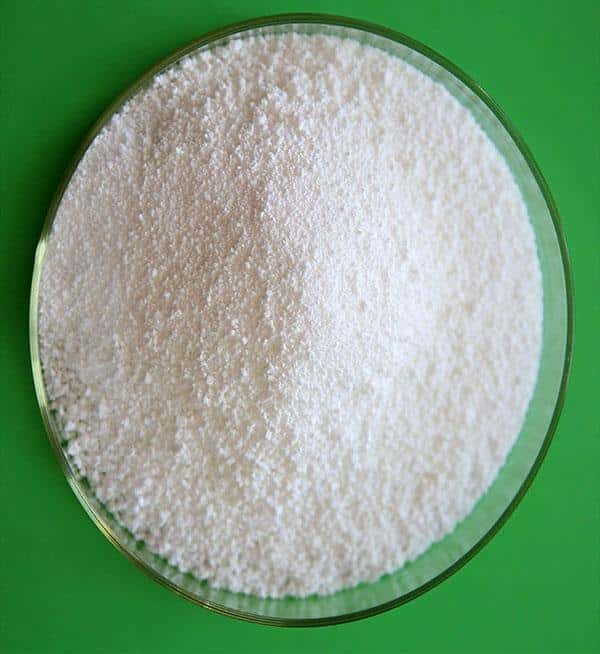
Sugar alcohols (polyols) are bulk sweeteners made mostly by hydrogenating sugars, used where sucrose has to be replaced while keeping body, moisture control or a crystalline texture. ANUTIDA supplies sorbitol, maltitol, erythritol, xylitol and mannitol to food, confectionery and pharmaceutical buyers, with the specification and packaging confirmed in every quotation.
Bulk sugar alcohols — sorbitol, maltitol, erythritol, xylitol and mannitol — in crystalline, powder and syrup forms, quoted against JECFA or EU specifications.
Sorbitol (E 420) as crystalline powder and as sorbitol syrup / 70% solution, quoted against JECFA or EU specifications, for food, pharmaceutical and technical use.
Maltitol (E 965) as crystalline maltitol and as maltitol syrup, quoted against JECFA or EU specifications, for chocolate, confectionery, bakery and dairy use.
Erythritol (E 968), a fermentation-derived polyol, in granular and powder grades quoted against JECFA or EU specifications, for beverage, confectionery and bakery use.
Xylitol (E 967), a five-carbon polyol about as sweet as sucrose, in crystalline and powder grades quoted against JECFA or EU specifications, for confectionery and food.
D-mannitol (E 421), a low-hygroscopicity polyol quoted against JECFA, EU or pharmacopoeial specifications, for gum dusting, pressed mints and pharmaceutical use.
EU food-information law defines polyols simply as alcohols containing more than two hydroxyl groups. The US labelling rules are more specific: sugar alcohols are saccharide derivatives in which a hydroxyl group replaces the aldehyde or ketone group of the sugar. That is the chemistry behind most commercial polyols. Sorbitol is made from glucose, mannitol from fructose or glucose, xylitol from D-xylose, maltitol from high-maltose starch syrup and lactitol from lactose, each by catalytic hydrogenation. Two are made differently: erythritol is produced by yeast fermentation, and isomalt by enzymatically rearranging sucrose before hydrogenation.
In the EU these substances form one additive group, Group IV polyols (E 420, E 421, E 953, E 965, E 966, E 967 and E 968), each with its own purity criteria in Regulation (EU) No 231/2012. JECFA has evaluated all of them and allocated each an ADI “not specified”.
Commercial polyols at a glance. INS numbers and commercial forms: JECFA specifications and EU Regulation 231/2012. Relative sweetness: Health Canada (typical values). Hygroscopicity: comparative table in Msomi et al., J Food Drug Anal 2021.
Choosing between polyols
Sweetness: xylitol and maltitol are closest to sucrose; erythritol, sorbitol, mannitol and isomalt sit at roughly half to three-quarters; lactitol and the syrups are the least sweet. Lower-sweetness polyols are often combined with high-intensity sweeteners.
Moisture behaviour: sorbitol is the humectant of the group. Erythritol, lactitol, isomalt and mannitol have low or very low hygroscopicity and stay free-flowing.
Cooling: erythritol and xylitol have the most negative heats of solution and give a marked cooling sensation. Maltitol, lactitol and isomalt give the least.
Heat and colour: all are non-reducing (reducing sugars are capped at 0.1–0.3% in the specifications), so they contribute little to Maillard browning.
Physical form: syrups (sorbitol and maltitol syrups) suit liquid dosing and bulk delivery. Crystalline grades suit chocolate, tablets and dry blends.
Market rules: in EU flavoured drinks only erythritol is permitted (as a flavour enhancer in energy-reduced or no-added-sugar drinks). In the US the legal basis differs by polyol: sorbitol is GRAS under 21 CFR 184.1835, mannitol an interim additive under 21 CFR 180.25, xylitol is listed under 21 CFR 172.395 for foods for special dietary uses, and erythritol has FDA “no questions” GRAS notices.
Name the exact identity. Several polyols have two EU entries, such as sorbitol E 420(i) and sorbitol syrup E 420(ii), maltitol E 965(i) and maltitol syrup E 965(ii), and mannitol by hydrogenation E 421(i) or by fermentation E 421(ii). These are different articles of commerce with different assays.
State the specification basis: JECFA, EU Regulation 231/2012, FCC, or a named pharmacopoeia for pharmaceutical use. Where JECFA and EU limits differ (for example water in sorbitol or xylitol), say which applies.
Check the COA parameters that matter to you, typically assay, water or loss on drying, reducing sugars, nickel (hydrogenated polyols are made over nickel catalysts, and the specifications cap nickel at 2 mg/kg) and lead.
Agree particle size for powders and the dry-solids content for syrups. Neither is fixed by the food specifications.
Plan labelling: in the EU, foods with more than 10% added polyols must state “excessive consumption may produce laxative effects”.
Origin is confirmed in each quotation, and minimum order quantity and lead time are confirmed with the quotation. Send your requirements through the quotation form.
Packaging and handling
Crystalline and powder polyols are commonly shipped in 20–25 kg lined bags, fibre drums or 1-tonne bulk bags. Sorbitol syrup moves in drums, IBC totes, flexitanks or road tankers. The format for each order is confirmed in the quotation. Keep powders sealed in a dry store, especially sorbitol, which is hygroscopic. See logistics for container and shipping options and quality for how specifications and COAs are handled.
Applications by industry
Confectionery: chewing gum, hard and soft candies, mints, chocolate and coatings, using sorbitol, maltitol, xylitol, mannitol, erythritol and isomalt.
Bakery: maltitol and sorbitol in biscuits, cakes and other baked goods, where sorbitol also retains moisture.
Dairy: ice cream, frozen desserts and yogurt, using maltitol, sorbitol and erythritol.
Beverage: erythritol, the only polyol permitted in EU flavoured drinks.
Pharmaceutical: sorbitol solution and mannitol in pharmacopoeial grades, which must be specified on the order.
What is the difference between a sugar alcohol and a sugar?
A sugar alcohol is made from a sugar by converting its aldehyde or ketone group into a hydroxyl group, usually by hydrogenation. EU nutrition labelling counts polyols separately from sugars.
Which polyol is closest to sucrose in sweetness?
Xylitol (about 100% of sucrose) and maltitol (about 90%), according to Health Canada. Erythritol is about 60–80%, sorbitol and mannitol 50–70%, isomalt 45–65% and lactitol 30–40%.
Which polyols can be used in EU flavoured drinks?
In the EU flavoured-drinks category (14.1.4), E 420, E 421, E 953, E 965, E 966 and E 967 may not be used. Erythritol (E 968) is permitted up to 16,000 mg/l, only in energy-reduced or no-added-sugar drinks and only as a flavour enhancer.
Do you supply polyol syrups as well as powders?
Yes. Sorbitol and maltitol are available as crystalline products and as syrups (sorbitol solution 70%, maltitol syrup). Erythritol, xylitol and mannitol are crystalline products in granular or powder grades.
What labelling statement applies to polyols in the EU?
Foods containing more than 10% added polyols must carry “excessive consumption may produce laxative effects” (Regulation (EU) No 1169/2011, Annex III). Table-top sweeteners containing polyols carry “excessive consumption may induce laxative effects” (Regulation (EC) No 1333/2008, Article 23).
How do I get a quotation?
Use the quotation form with the polyol and identity (for example E 420(ii) sorbitol syrup), specification basis, quantity, packaging and destination. ANUTIDA confirms specification, packaging, minimum order quantity and lead time in the quotation.
Request a quotation
Buying sugar alcohols & polyols?
Send the product, specification, quantity, packaging and destination. ANUTIDA replies with a written quotation.