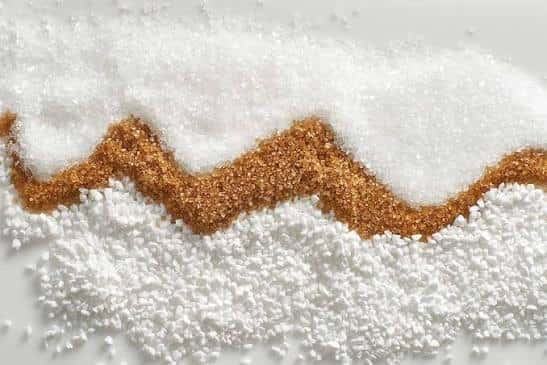
Distributors sell on reliable supply and consistency: the same grade, the same bag and the same paperwork every shipment. ANUTIDA supplies Thai sugar and a full sweetener range from one export partner, so importers and wholesalers can serve industrial and retail customers with fewer suppliers.
Most importers serve two customer groups at once: factories that take sugar in 50 kg or jumbo bags, and retail or food-service channels that need consumer packs. Thai white and refined sugar is the core of both — USDA reports that Cambodia, the Philippines and Laos import mainly refined sugar from Thailand for food manufacturing and retail.
There are two routes to retail: import industrial bags and repack locally, or buy packed goods. Thai mills pack sugar in sizes from 1 kg retail packs to 50 kg and one-tonne bags; the formats for your order are confirmed in the quotation.
Repacking locally keeps the import in standard 50 kg bags — the unit export contracts are written around — and puts your own brand on the shelf. Check market rules first: Nigeria bans imports of refined sugar in retail packaging, and in the GCC, duty-free onward movement between member states applies in practice to unopened containers; repacked or partial shipments may pay an additional 5%.
Buying packed saves a repacking step but fixes the label at origin. Under OCSB control rules, sacks packed for export carry the mill's code, name, trademark, sugar type and net weight, so agree any neutral or private-label packing before contracting.
Mixed loads let smaller distributors hold a wider range. A 20 ft container typically carries about 540 × 50 kg bags (27 t) of one product; list everything you need in one request and consolidation options are confirmed in the quotation.
Labelling and market rules
Labelling is set by the destination, and sugar has its own special cases. Examples from USDA market reports and EU law:
UAE — labels in Arabic under UAE.S GSO 9:2019; solid sugar is exempt from an expiry date but must show a production or harvest date and a packing date; products are registered before an import permit is issued.
Jordan — labels in Arabic, or with an Arabic adhesive label.
Philippines — the food fortification law requires refined sugar, including imports, to be fortified with vitamin A.
Indonesia — refined sugar (HS 1701.99.10, ICUMSA 75 or lower) is an industrial input, and refined sugar made from imported raw sugar may not be sold to retail.
Vietnam — pre-packaged foods, including food ingredients, need a self-declaration before import.
Sweeteners in the EU — “with sweetener(s)” next to the product name, a phenylalanine statement for aspartame, and a laxative-effect statement above 10% added polyols.
Rules change, so confirm current requirements with your customs broker or food authority before printing labels. For export bags, reference contracts such as ICE White Sugar require English marks for product, net weight, origin, crop year, producer and an expiry at least two years after production; local-language marks may be added.
Keeping supply consistent
Thai cane is crushed in one season a year, starting around December, but mills hold stock and sell through the year, and the OCSB requires a minimum domestic safety stock. Practical steps for a steady flow:
Contract for the season — agree volumes, grades and a shipment schedule instead of buying spot lots.
Fix specification and packaging so every lot is interchangeable on your shelves.
Keep documents consistent — the same COA format, a certificate of origin (Form D for preferential tariffs within ASEAN) and any halal certificate your customers need; USDA notes halal certification is standard for Thai sugar.
Allow for policy risk — the Cane and Sugar Board can suspend exports if domestic supply is short; a short-lived export restriction in November 2023 was lifted after 12 days.
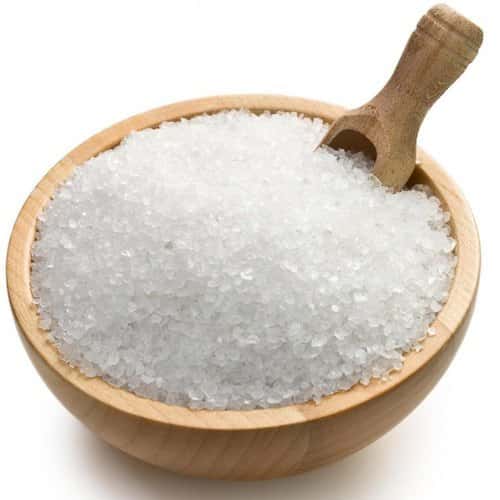
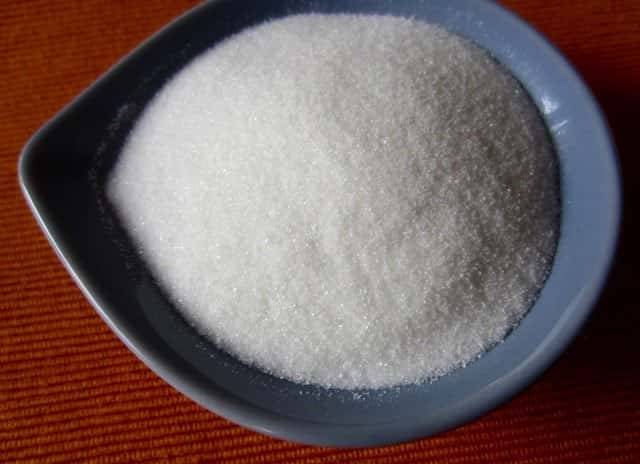
Thai refined cane sugar in the 0–45 IU colour class with pol of at least 99.80 °Z — the quality behind the world white-sugar benchmark — supplied in 50 kg, 25 kg and 1-tonne bags for export.
Thai mill white cane sugar held to the Codex plantation-white colour ceiling of 150 IU (pol ≥ 99.5 °Z), inside Thai white sugar grade 1 — bagged for importers, repackers and food manufacturers.
Thai white cane sugar contracted at 100 IU or less — a buyer and producer tier inside Thai white grade 1 for users who want whiter sugar than standard mill white without moving to refined.
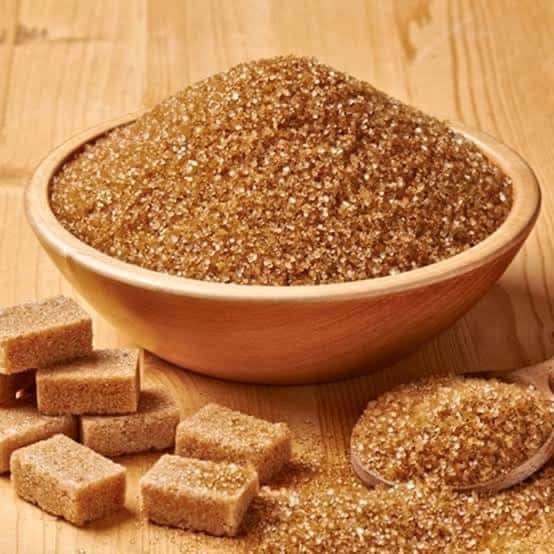
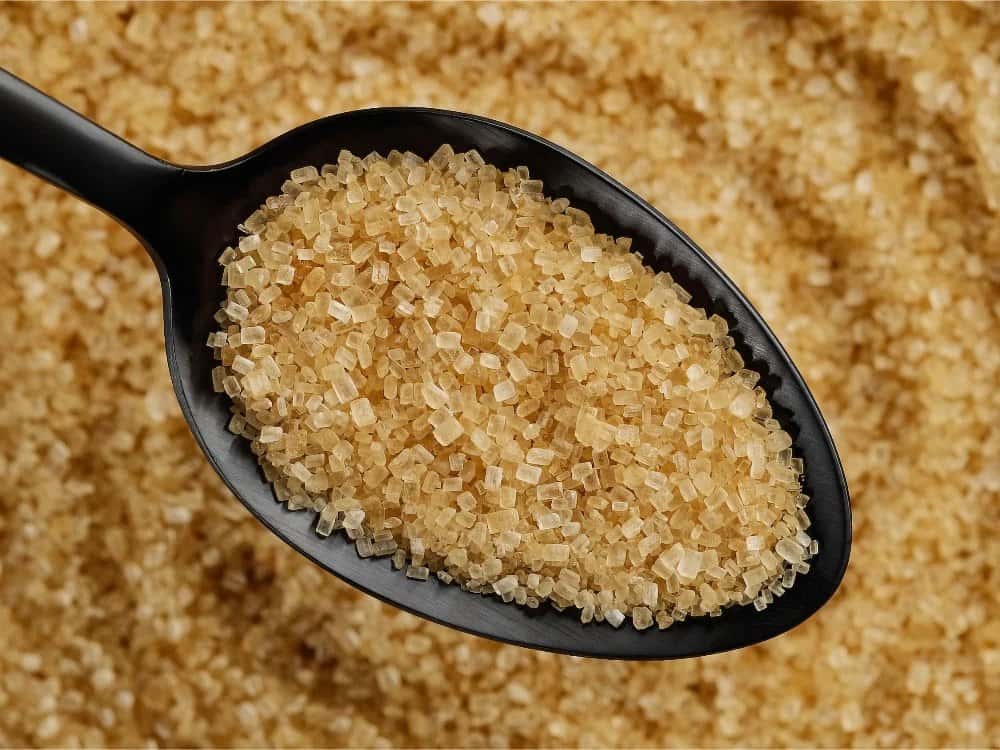
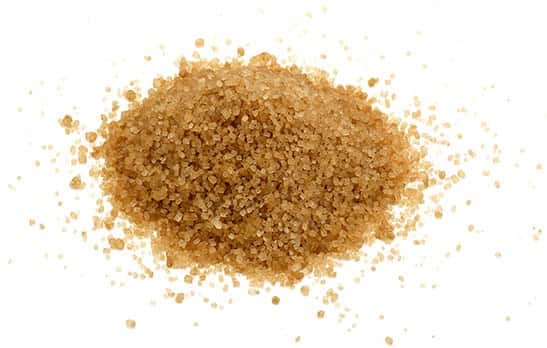
Thai natural and golden brown cane sugars — free-flowing mill crystals that keep part of the cane's colour and flavour, specified by producer colour ranges and packed from 1 kg retail packs to 1-tonne bags.
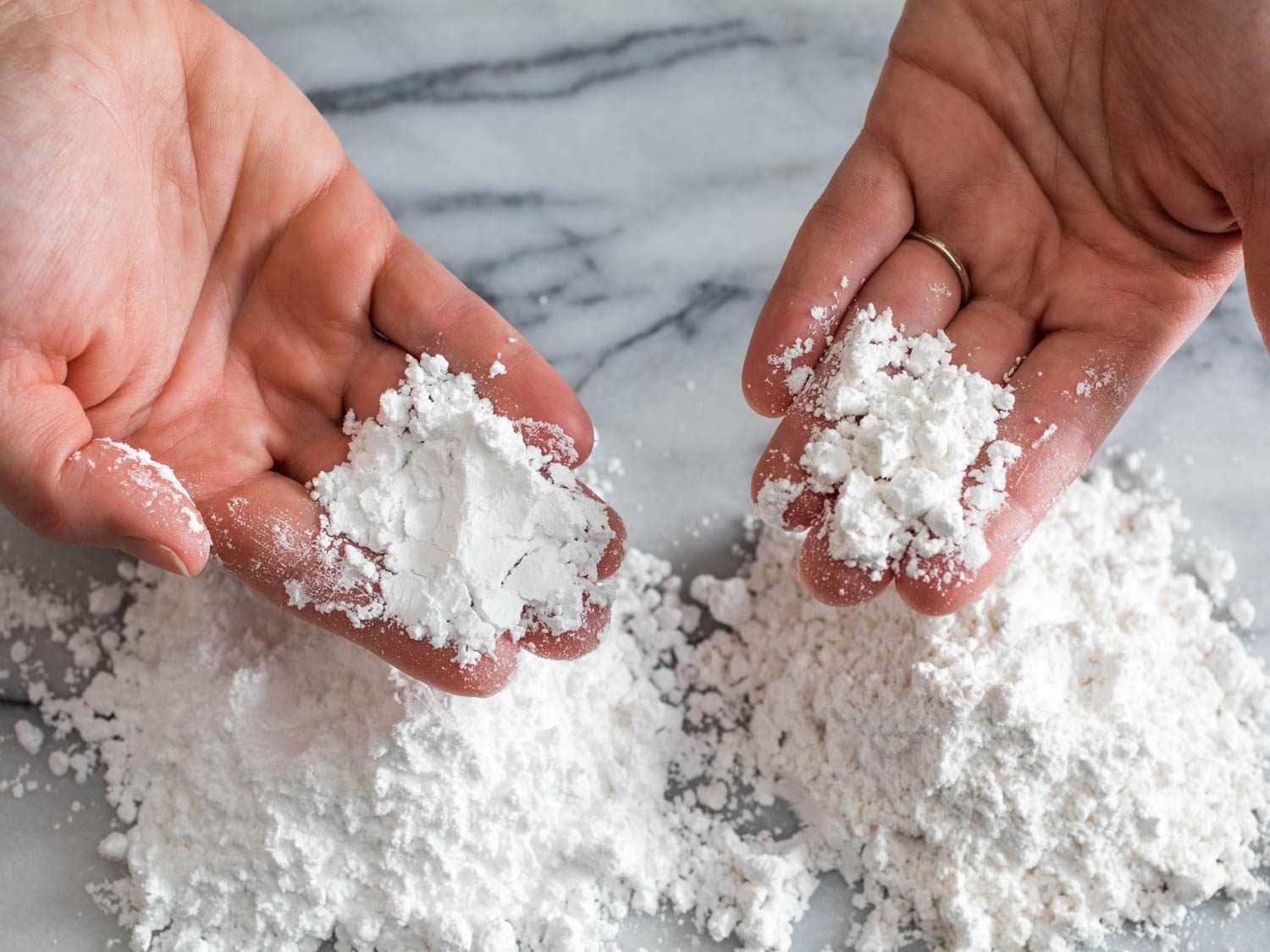
Finely milled Thai icing sugar made from white or refined sugar, with or without starch as an anticaking agent — Codex colour ≤ 60 IU — supplied in 25 kg sacks for bakeries and confectioners.
Thai refined or white sugar made to a fine crystal — Thai producers publish grain sizes of 0.40 mm or below — for fast dissolving in bakery, beverages and dry mixes; 25 kg sacks and 1 kg packs.
Demerara cane sugar made at Thai mills — about 60,800 t recorded by OCSB in 2025/26 at Wangkanai, Mitr Phol and Thai Roong Ruang group mills — specified per contract.
Cane sugar grown and milled under organic certification in Thailand — defined by its certificate rather than by a colour grade — with organic production recorded at Wangkanai and Thai Roong Ruang group mills.
Purified, crystallised D-glucose (≥ 99.5% D-glucose, dry basis) in monohydrate or anhydrous form, commonly supplied in 25 kg or 50 kg bags with a COA for each lot.
Purified, concentrated starch hydrolysate with DE ≥ 20 and ≥ 70% total solids (Codex CXS 212), quoted by ANUTIDA against your DE and solids specification.
Starch hydrolysate with DE below 20 (21 CFR 184.1444): a low-sweetness, soluble white powder for bulking and carrying flavours, commonly packed in 25 kg bags.
Sorbitol (E 420) as crystalline powder and as sorbitol syrup / 70% solution, quoted against JECFA or EU specifications, for food, pharmaceutical and technical use.
Erythritol (E 968), a fermentation-derived polyol, in granular and powder grades quoted against JECFA or EU specifications, for beverage, confectionery and bakery use.
Purified steviol glycosides with ≥ 95 % total glycosides — leaf-extracted (E 960a), fermentation, enzyme-modified and glucosylated grades supplied by ANUTIDA.
Thai mills produce retail packs, commonly 1 kg. The pack, brand and labelling for your grade and market are confirmed in the quotation — the destination's labelling rules always apply.
Can I combine sugar and sweeteners in one container?
List all products, grades and pack sizes in one request for quotation. Consolidation and the resulting load plan are confirmed in the quotation.
Can sugar be packed under my own brand?
Ask in your request. Thai export sacks normally carry the producing mill's markings, so neutral or private-label packing is agreed before contracting. Repacking in your own market is the alternative.
Which certificates can accompany a shipment?
Every lot has a Certificate of Analysis, and a certificate of origin (including ASEAN Form D where applicable) can be supplied. Thai FDA also issues export certificates such as a Certificate of Free Sale on application. Name what you need — including any halal or food-safety certificates — in your request, and the document set is confirmed in the quotation.
Request a quotation
Supplying distributors & wholesalers?
Tell us the product, specification, quantity and destination. ANUTIDA's sales desk replies with packaging options and a written quotation.