Starch-Based Sweeteners
Dextrose Supplier — Monohydrate & Anhydrous
Purified, crystallised D-glucose (≥ 99.5% D-glucose, dry basis) in monohydrate or anhydrous form, commonly supplied in 25 kg or 50 kg bags with a COA for each lot.
- Crystalline · PowderForms supplied
- Export from ThailandQuoted on your Incoterm
- COA with every lotSpecification in the quotation
Quick quote
Select a product ICUMSA 45 Refined SugarICUMSA 45Quote
 ICUMSA 150 White SugarICUMSA 150Quote
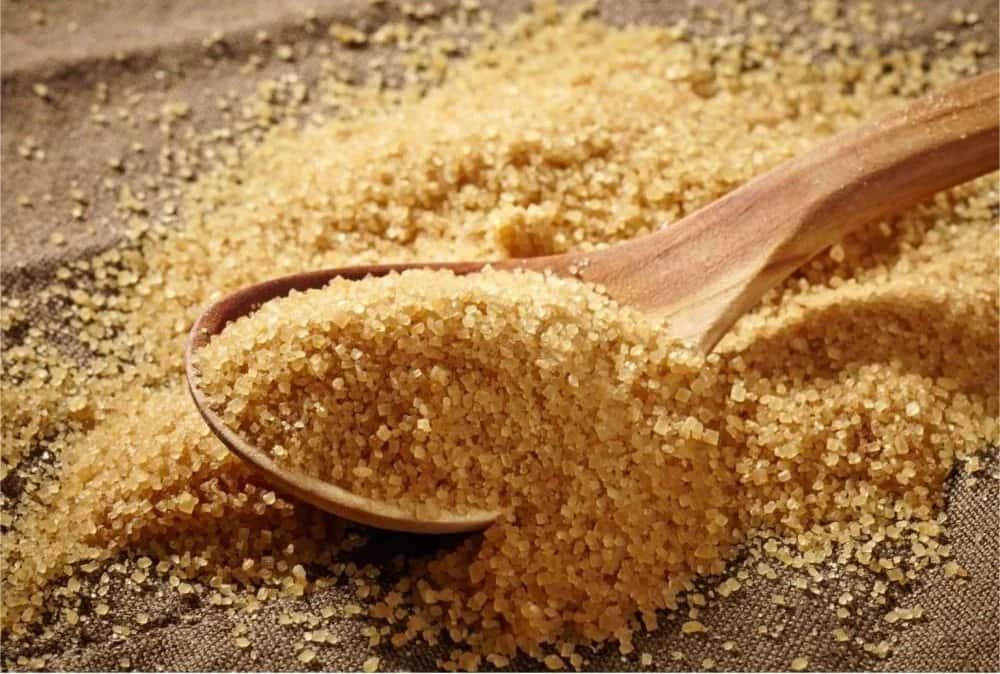 VHP Raw SugarRaw cane sugar sold under the VHP (very high polarisation) labelQuote
 Thai Hi-Pol Raw SugarHigh-polarisation raw cane sugarQuote
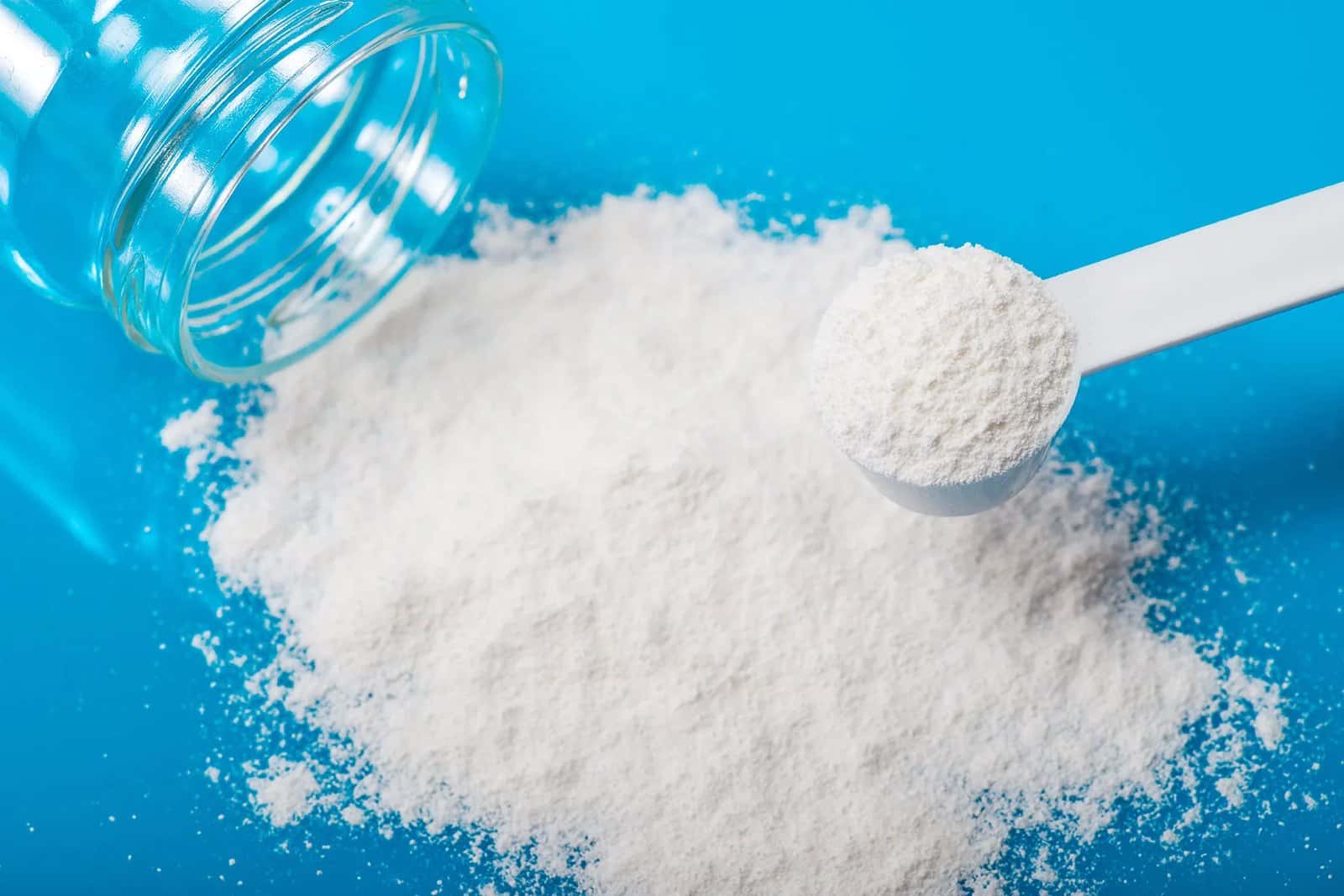 DextroseCrystalline D-glucose (nutritive sweetener)Quote
 Glucose SyrupStarch hydrolysate syrup (nutritive sweetener)Quote
 FructoseCrystalline D-fructose (nutritive sweetener)Quote
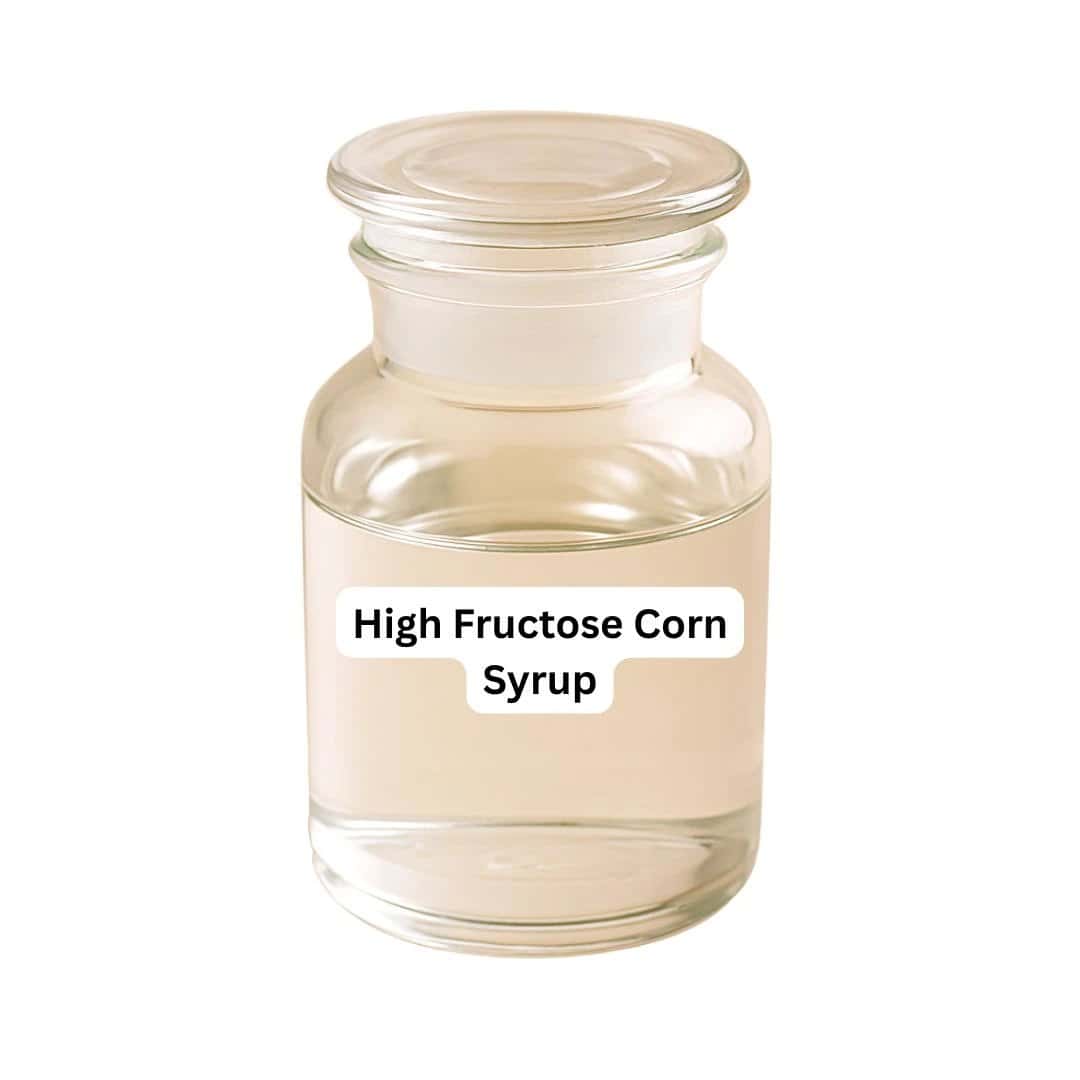 High-Fructose Syrup (HFCS)Isomerised glucose–fructose syrupQuote
- Thailand basedUdon Thani, Thailand
- Ready stockCommercial supply
- Multiple Thai producersBroad product range
- Global exportShipped from Thailand
- Specification supportCOA with every lot
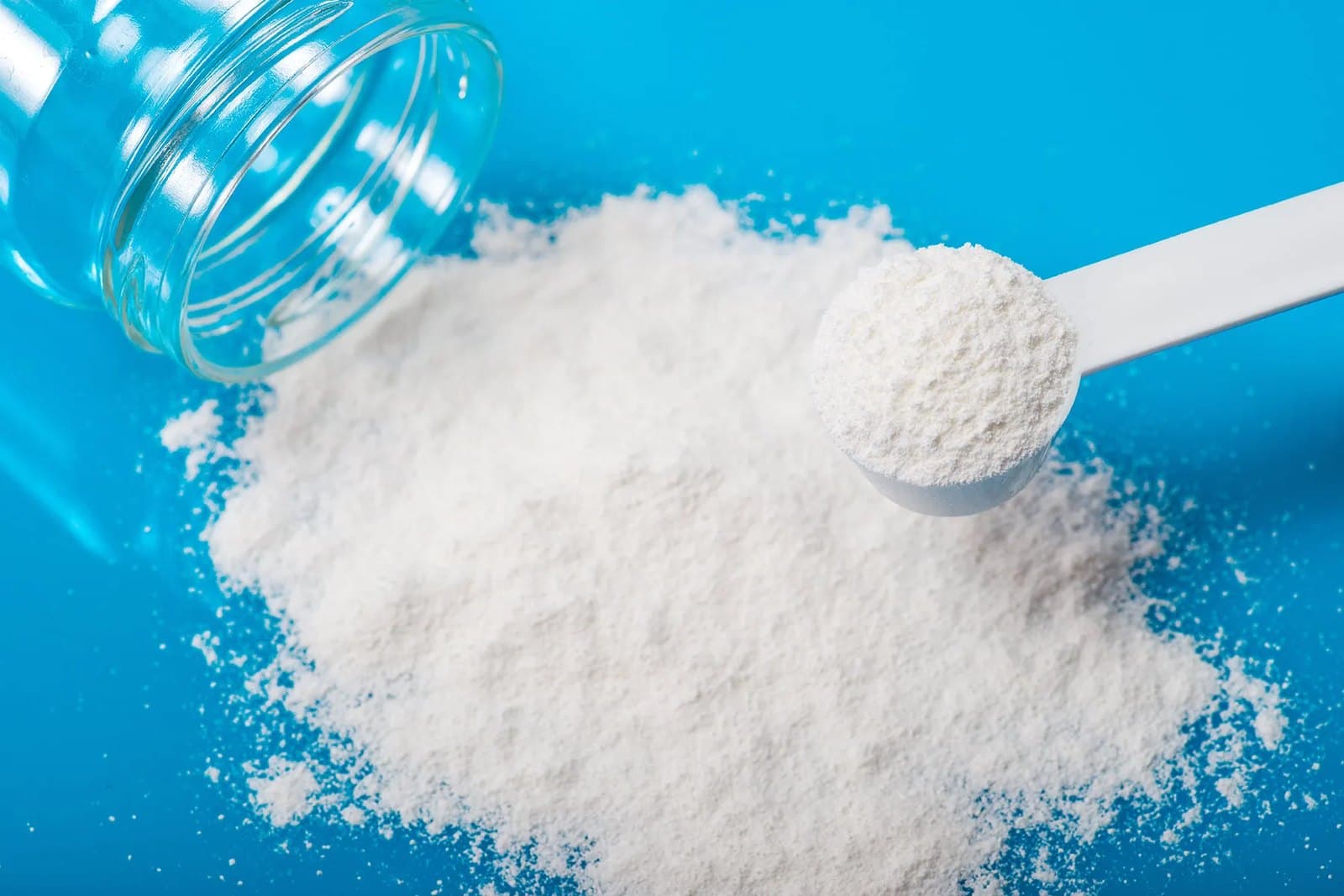
Starch-Based Sweeteners
Dextrose
Crystalline D-glucose (nutritive sweetener)
- Crystalline
- Powder
- Assay
- ≥ 99.5% m/m
- Sweetness
- ≈ 0.7
- Ash
- ≤ 0.25%
- SO₂
- ≤ 15 mg/kg
Certificate of Analysis with every lot
What is Dextrose?
Dextrose is purified, crystallised D-glucose (α-D-glucopyranose, C₆H₁₂O₆). It is produced by hydrolysing starch completely to glucose, refining the hydrolysate and crystallising it. Codex CXS 212-1999 and EU Directive 2001/111/EC recognise two commercial forms. Both must contain at least 99.5% D-glucose on a dry basis, and they differ in water of crystallisation and minimum total solids. In US regulations dextrose made from corn is called corn sugar.
- Bakery
- Confectionery
- Beverage
- Dairy
Key features
- Supplied in crystalline and powder forms
- Specification limits from official standards
- Certificate of Analysis with every lot
- Packed in 25 kg bags and 50 kg bags
- Exported from Thailand on your Incoterm
Technical data
Technical specifications
Crystalline
Dextrose Monohydrate
Crystallised D-glucose with one molecule of water of crystallisation; total solids ≥ 90.0%.
Also known as: dextrose, glucose monohydrate, corn sugar monohydrate
Crystalline
Dextrose Anhydrous
Crystallised D-glucose without water of crystallisation; total solids ≥ 98.0%.
Also known as: anhydrous dextrose, corn sugar anhydrous
| Parameter | Value | Basis |
|---|---|---|
| Formula (D-glucose) | C₆H₁₂O₆ | Standard / official specification |
| CAS number (D-glucose) | 50-99-7 | Standard / official specification |
| D-glucose content (dry basis) — Codex / EU | ≥ 99.5% m/m | Standard / official specification |
| Reducing sugar content as D-glucose (dry basis) — 21 CFR 168.111 | ≥ 99.5% m/m | Standard / official specification |
| Sulphated ash (dry basis) | ≤ 0.25%Also ≤ 0.25% m/m in 21 CFR 168.111 and the Codex annex. | Standard / official specification |
| Sulphur dioxide — Codex | ≤ 15 mg/kg | Standard / official specification |
| Sulphur dioxide — US (21 CFR 168.111) | ≤ 20 mg/kg | Standard / official specification |
| Sweetness relative to sucrose (= 1.0) | ≈ 0.7 | Typical value (reference) |
| Moisture / loss on drying | Confirmed per lot on the Certificate of Analysis — contact ANUTIDA for the current specification. | |
| Particle size / granulation | Confirmed per lot on the Certificate of Analysis — contact ANUTIDA for the current specification. | |
Dextrose Monohydrate
| Parameter | Value | Basis |
|---|---|---|
| Formula | C₆H₁₂O₆·H₂OOne molecule of water of crystallisation per molecule of D-glucose (Codex CXS 212-1999). | Standard / official specification |
| Total solids | ≥ 90.0% m/mSame limit in EU Directive 2001/111/EC and 21 CFR 168.111. | Standard / official specification |
| CAS number (monohydrate) | Confirmed per lot on the Certificate of Analysis — contact ANUTIDA for the current specification. | |
Dextrose Anhydrous
| Parameter | Value | Basis |
|---|---|---|
| Formula | C₆H₁₂O₆ | Standard / official specification |
| Total solids | ≥ 98.0% m/mSame limit in EU Directive 2001/111/EC and 21 CFR 168.110. | Standard / official specification |
Identity & status
Regulatory identity
| Codex | Dextrose anhydrous and dextrose monohydrate defined in CXS 212-1999 |
|---|---|
| EU | Directive 2001/111/EC, Annex A.9 (monohydrate) and A.10 (anhydrous) |
| EU labelling | Either form may be declared as "Dextrose" (Reg. (EU) 1169/2011, Annex VII Part B). Wheat-based glucose syrups including dextrose are excluded from the cereal-allergen entry (Annex II). |
| US standards of identity | 21 CFR 168.110 (anhydrous) and 168.111 (monohydrate) |
| US GRAS (corn-derived) | 21 CFR 184.1857 (corn sugar) |
| HS subheading | 1702.30 — glucose and glucose syrup containing < 20% fructose (dry); national tariff lines vary |
Dextrose is a food sugar, not an additive, and has no INS/E number. Pharmacopoeia grades are separate products and must be specified.
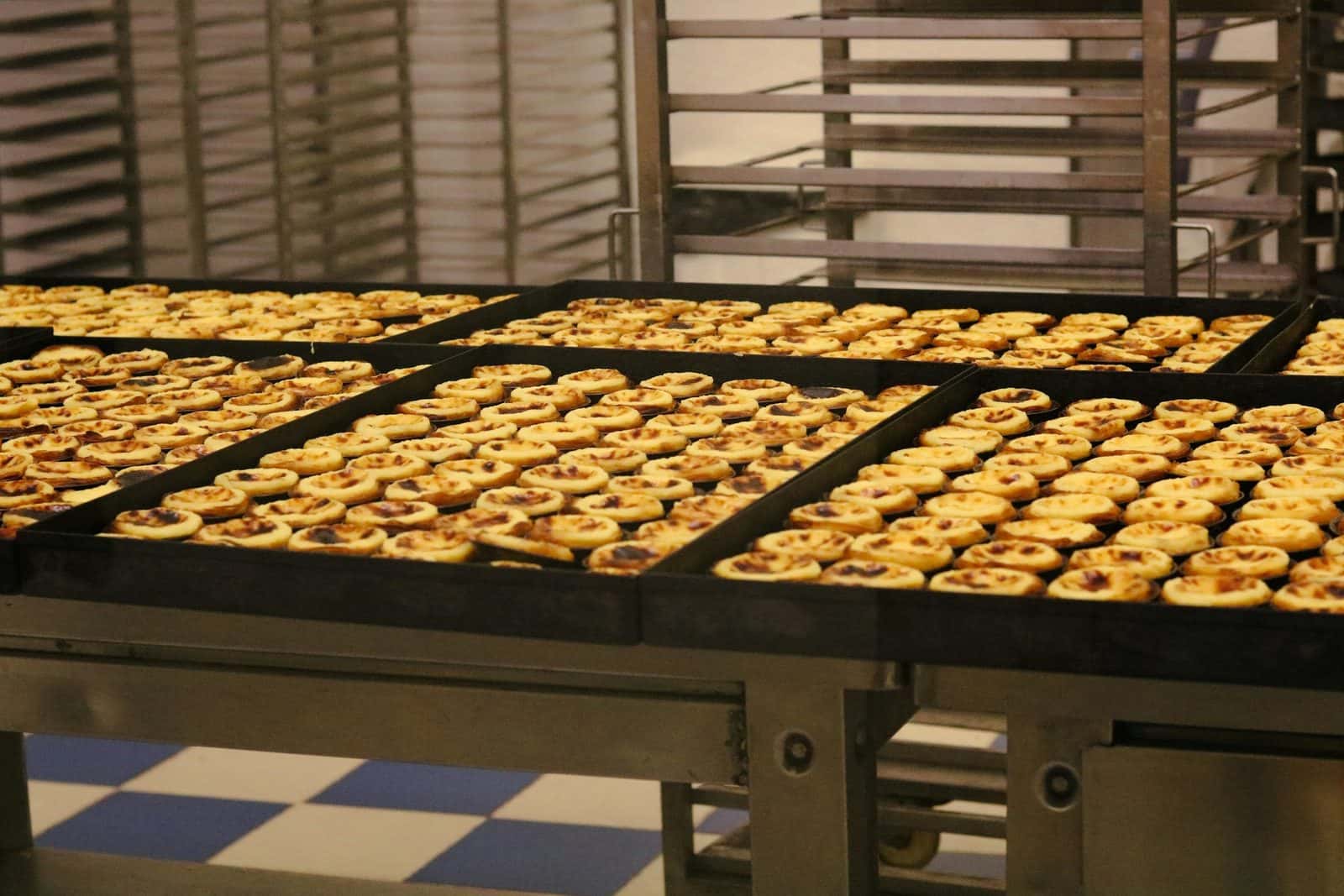
Applications & industries
- Yeast-raised bakery products
- Compressed tablets and powdered confectionery
- Powdered drink mixes
- Dairy desserts, soups and sauces
- Fermentation feedstock
Packaging, origin and manufacturers
Packaging options
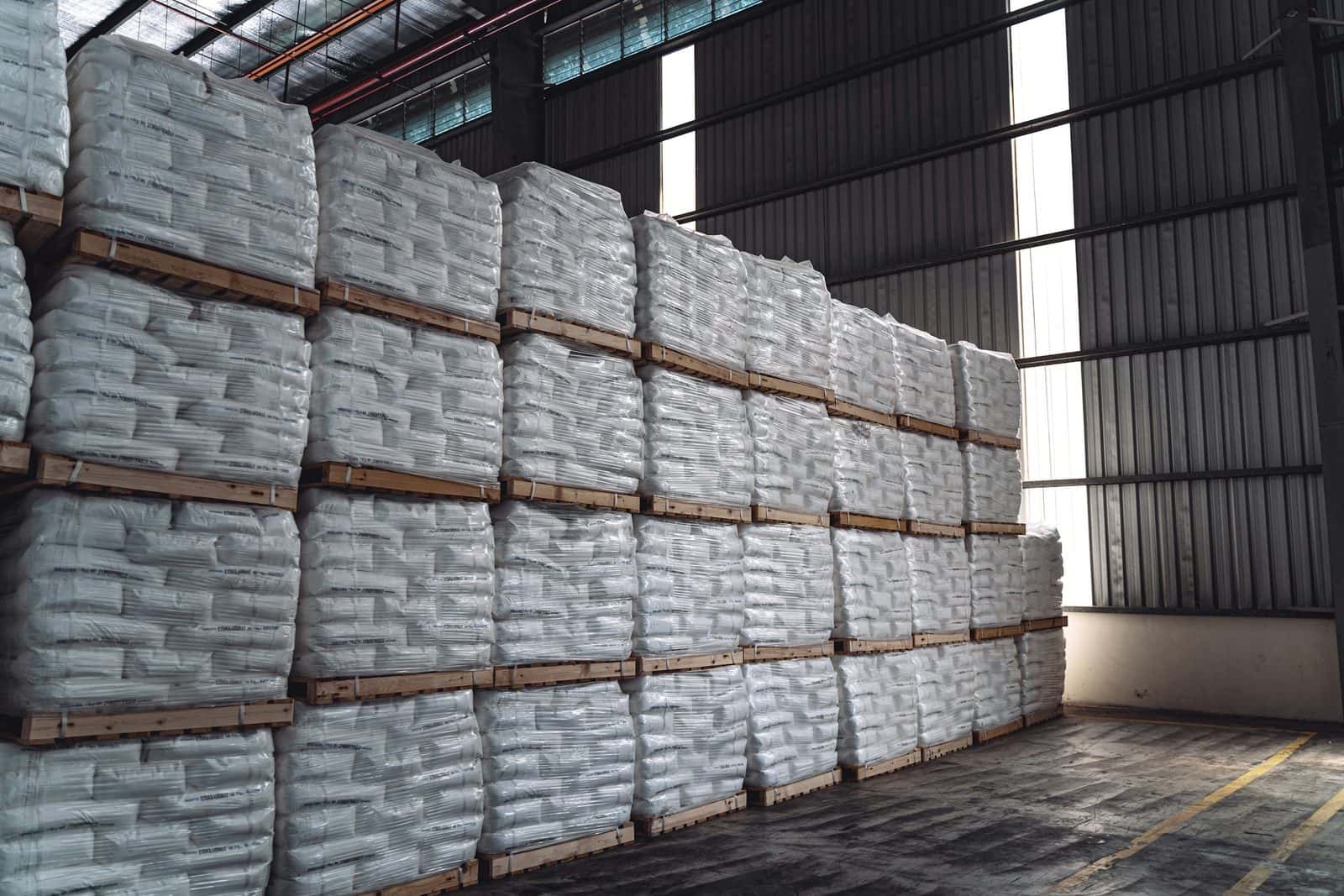
- 25 kg bags
- 50 kg bags
Formats commonly supplied in the trade are 25 kg and 50 kg bags. The format for your order is confirmed in the quotation.
Origin
Stated in the quotation
Each quotation states the origin, producer and specification of the offered lot.
Supplied and exported by ANUTIDA — Udon Thani, Thailand
Manufacturer information
You buy from ANUTIDA. The producer of the offered lot is named in the quotation; state any preferred manufacturer or brand in your request.
Paperwork & shipping
Documentation & export
Each quotation states the specification of the offered product. Export shipments travel with the document set agreed in your contract — typically a commercial invoice, packing list, bill of lading, certificate of origin and a Certificate of Analysis for the lot. List any further documents you need, such as third-party inspection, halal or kosher certificates or a health certificate, and they are confirmed in the quotation. Read how shipping works on the export and logistics pages.
- Minimum order
- Confirmed with quotation
- Lead time
- Confirmed with quotation
- Delivery
- Export from Thailand
Product guide
About Dextrose
Dextrose is not interchangeable with glucose syrup. Glucose syrup is a liquid mixture of glucose, maltose and longer chains with a DE from 20 upward. Dextrose is essentially a single sugar, with a DE of 100. The trade-offs are covered in glucose syrup vs dextrose.
Dextrose monohydrate and dextrose anhydrous
| Parameter | Dextrose monohydrate | Dextrose anhydrous |
|---|---|---|
| Water of crystallisation | One molecule per molecule of D-glucose | None |
| D-glucose content (dry basis) | ≥ 99.5% | ≥ 99.5% |
| Total solids | ≥ 90.0% | ≥ 98.0% |
| Sulphated ash (dry basis) | ≤ 0.25% | ≤ 0.25% |
| US standard of identity | 21 CFR 168.111 | 21 CFR 168.110 |
Because the D-glucose requirement is the same, the practical difference is water. The monohydrate carries roughly a tenth of its weight as crystal water, while anhydrous dextrose is at least 98% solids. That changes how much product a recipe needs for the same glucose input, and it matters in low-moisture systems. The details are in dextrose monohydrate vs anhydrous.
Functional properties
- Sweetness: about 0.7 times as sweet as sucrose, so dextrose is often used where bulk and solids matter more than sweetness.
- Fermentability and browning: as the fully hydrolysed end of the starch-sweetener range, dextrose has the highest fermentability and browning response of the glucose-based products.
- Solubility and form: white crystalline powder that dissolves readily in water. Granulation varies by producer and grade.
Applications by industry
- Bakery: fermentable sugar for yeast and a contributor to crust colour.
- Confectionery: compressed tablets, panned and powdered confections, and as part of the sugar system in candies.
- Beverages and dry mixes: carbohydrate base in powdered drinks and blends.
- Dairy and food manufacturing: solids and mild sweetness in dairy desserts, soups and sauces, and a lower-cost partial replacement for sucrose or lactose.
- Industrial fermentation: feedstock for producing organic acids, amino acids and enzymes.
- Pharmaceutical: dextrose is used in intravenous solutions and as a tablet excipient. Pharmacopoeia grades are separate products and must be specified in the RFQ; food-grade lots are not a substitute.
Regulatory identity
Dextrose is a food sugar, not an additive, so it has no INS or E number. Codex CXS 212-1999 and Directive 2001/111/EC define both forms, and Codex sets a 15 mg/kg sulphur dioxide limit. In EU ingredient lists either form may be declared as "dextrose", and wheat-based glucose syrups including dextrose are excluded from the cereal-allergen entry. In the US, 21 CFR 168.110 and 168.111 are the standards of identity, with a 20 mg/kg sulphur dioxide limit for the monohydrate. Corn-derived dextrose is affirmed GRAS under 21 CFR 184.1857. For customs, dextrose falls under HS subheading 1702.30.
Supply and origin
Dextrose is made from corn, wheat or tapioca starch, depending on the producing region. ANUTIDA states the feedstock and country of origin of the dextrose offered in each quotation. If your customers need a particular starch source or allergen status, specify it at the RFQ stage.
What to specify in your RFQ
- Form: dextrose monohydrate or dextrose anhydrous
- Grade: food grade, or a named pharmacopoeia grade if required
- Granulation or particle-size range, and moisture or total-solids limit
- Feedstock and any allergen or GMO-status requirement
- Packaging (25 kg or 50 kg bags), pallet configuration and container load
- Required documents, including the lot Certificate of Analysis
Buyer questions
Dextrose FAQ
Which form should I order, monohydrate or anhydrous?
Both contain at least 99.5% D-glucose on a dry basis. Monohydrate carries one molecule of crystal water and has at least 90% total solids. Anhydrous has at least 98% total solids and suits low-moisture formulations. See dextrose monohydrate vs anhydrous for a detailed comparison.
Is dextrose the same as glucose syrup?
No. Dextrose is crystallised D-glucose with a DE of 100. Glucose syrup is a liquid mixture of saccharides with a DE of at least 20. They behave differently in sweetness, viscosity and crystallisation.
Can ANUTIDA supply pharmaceutical-grade dextrose?
Pharmacopoeia grades are separate products from food-grade dextrose. Name the pharmacopoeia and monograph you require in the RFQ, and the quotation will state the grade and documentation offered.
How is dextrose packed?
Dextrose is normally supplied in 25 kg or 50 kg bags, palletised for container shipment. The bag size and loading plan are confirmed in the quotation.
How should dextrose be stored?
Keep bags sealed, on pallets and in a clean, dry warehouse, because moisture pick-up causes caking. The producer's shelf-life statement appears on the specification.
How do I order through ANUTIDA?
Send a request through the quote form with the grade, specification limits, quantity, packaging, destination port and Incoterm. ANUTIDA replies with a quotation that confirms the producer specification, origin, packaging, minimum order and lead time for that enquiry.
Last updated 6 October 2026
Related supply
Other Sweeteners You May Be Interested In
- SweetenerGlucose SyrupStarch hydrolysate syrup (nutritive sweetener)SpecificationView specification
 SweetenerMaltodextrinStarch hydrolysate powder (DE < 20)SpecificationView specification
- SweetenerHigh-Fructose Syrup (HFCS)Isomerised glucose–fructose syrupSpecificationView specification
- SweetenerFructoseCrystalline D-fructose (nutritive sweetener)SpecificationView specification
Knowledge Center
Related Articles & Resources
- SweetenersDextrose Monohydrate vs Dextrose AnhydrousBoth forms are at least 99.5% D-glucose on a dry basis. The difference is one molecule of crystal water, which changes total solids, dosage and moisture behaviour.Read guide
- SweetenersGlucose Syrup vs Dextrose: What Buyers Need to KnowBoth are made from starch and both are often called "glucose", but glucose syrup is a liquid mixture of saccharides (DE ≥ 20) while dextrose is crystallised D-glucose. Here is how they differ and how to choose.Read guide
 SweetenersErythritol vs Xylitol: A Technical Comparison for BuyersErythritol and xylitol are the two crystalline, strongly cooling polyols. They differ in how they are made, how sweet they are and where the law lets you use them.Read guide
- SweetenersHFCS 42 vs HFCS 55: Composition, Uses and LabellingHFCS 42 and HFCS 55 differ in fructose content, solids, sweetness, typical use, EU name and HS subheading. A side-by-side guide for buyers of high-fructose syrup.Read guide
Request a quotation
Need Dextrose or Other Sweeteners?
Tell us your product, specification, quantity and destination. ANUTIDA replies with packaging options and a written quotation.