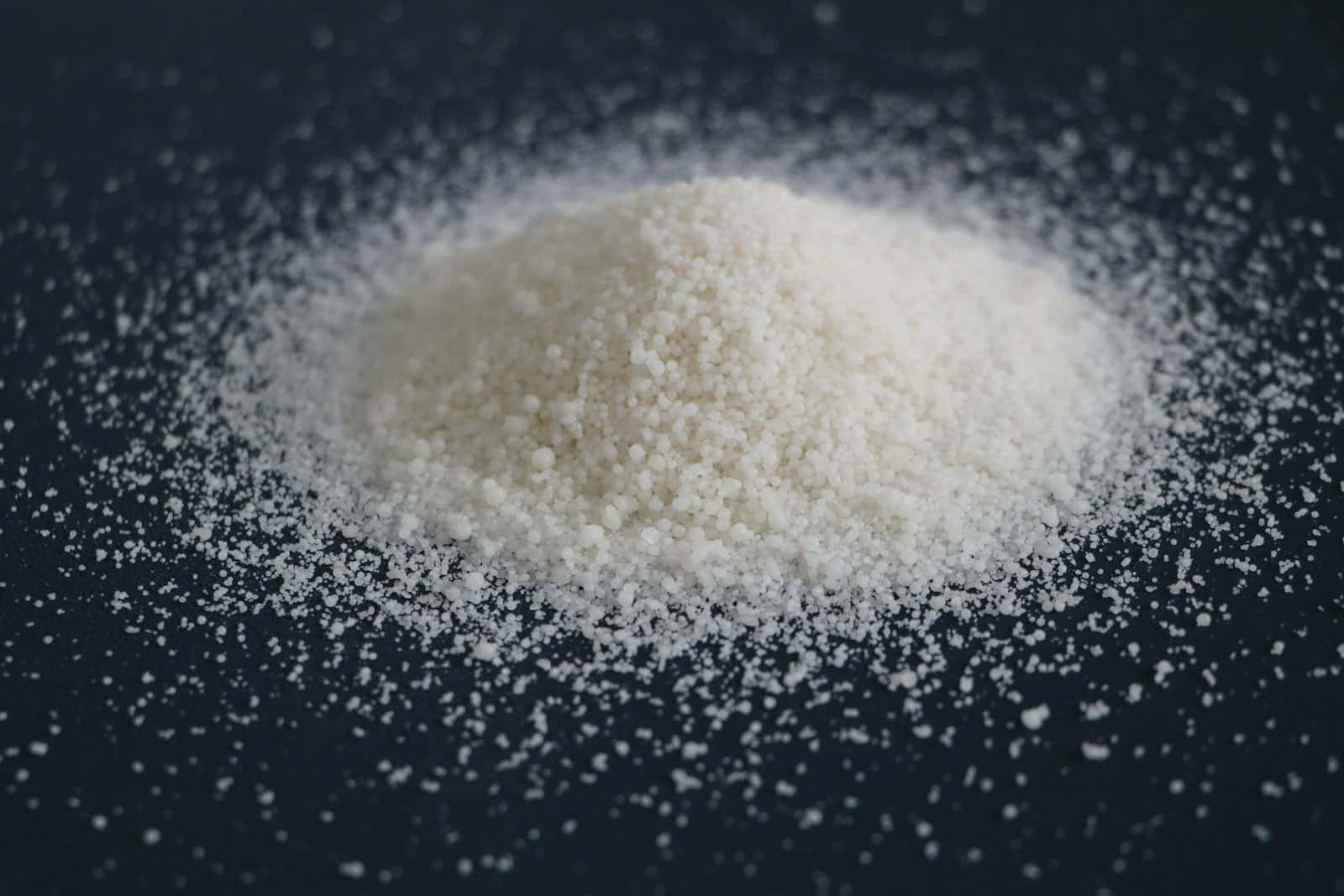
Sugar Alcohols & Polyols
Sorbitol Supplier — Powder & Syrup
Sorbitol (E 420) as crystalline powder and as sorbitol syrup / 70% solution, quoted against JECFA or EU specifications, for food, pharmaceutical and technical use.
- Powder · Crystalline · GranularForms supplied
- Multiple Thai producersUeno Fine Chemicals, Siam Sorbitol
- COA with every lotSpecification in the quotation
Quick quote
Select a product ICUMSA 45 Refined SugarICUMSA 45Quote
 ICUMSA 150 White SugarICUMSA 150Quote
 VHP Raw SugarRaw cane sugar sold under the VHP (very high polarisation) labelQuote
 Thai Hi-Pol Raw SugarHigh-polarisation raw cane sugarQuote
 SorbitolSugar alcohol (polyol)Quote
 MaltitolSugar alcohol (polyol)Quote
 ErythritolSugar alcohol (polyol)Quote
 XylitolSugar alcohol (polyol)Quote
- Thailand basedUdon Thani, Thailand
- Ready stockCommercial supply
- Multiple Thai producersBroad product range
- Global exportShipped from Thailand
- Specification supportCOA with every lot
Sugar Alcohols & Polyols
Sorbitol
Sugar alcohol (polyol)
- Powder
- Crystalline
- Granular
- Syrup
- E 420
- INS 420
- Ash
- ≤ 0.1%
- EU additive no.
- E 420
- CAS number
- 50-70-4
- Forms
- Powder · Crystalline
Certificate of Analysis with every lot
What is Sorbitol?
Sorbitol (D-glucitol, C6H14O6) is a six-carbon sugar alcohol made by hydrogenating glucose. The aldehyde group of the sugar is converted to an alcohol group, which is how US labelling rules define a sugar alcohol, and it is why sorbitol does not behave as a reducing sugar. It is traded under two separate international identities: crystalline sorbitol (INS 420(i), E 420(i)) and sorbitol syrup (INS 420(ii), E 420(ii)), the aqueous product most buyers know as sorbitol solution 70%. JECFA lists its technical functions as sweetener, humectant, sequestrant, texturizer, stabilizer and bulking agent.
- Confectionery
- Bakery
- Dairy
- Food Manufacturing
Key features
- Supplied in powder, crystalline, granular and syrup forms
- Food additive identity E 420 / INS 420
- Specification limits from official standards
- Certificate of Analysis with every lot
- Packed in 25 kg bags, fibre drums and drums
- Produced in Thailand by makers including Ueno Fine Chemicals and Siam Sorbitol
Technical data
Technical specifications
Powder
Sorbitol Powder (crystalline sorbitol, E 420(i))
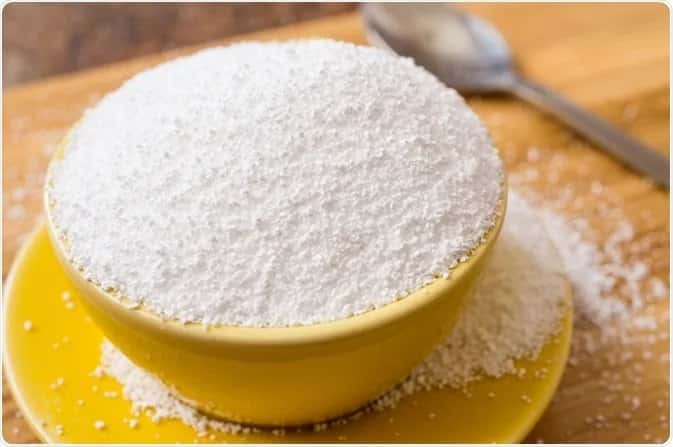
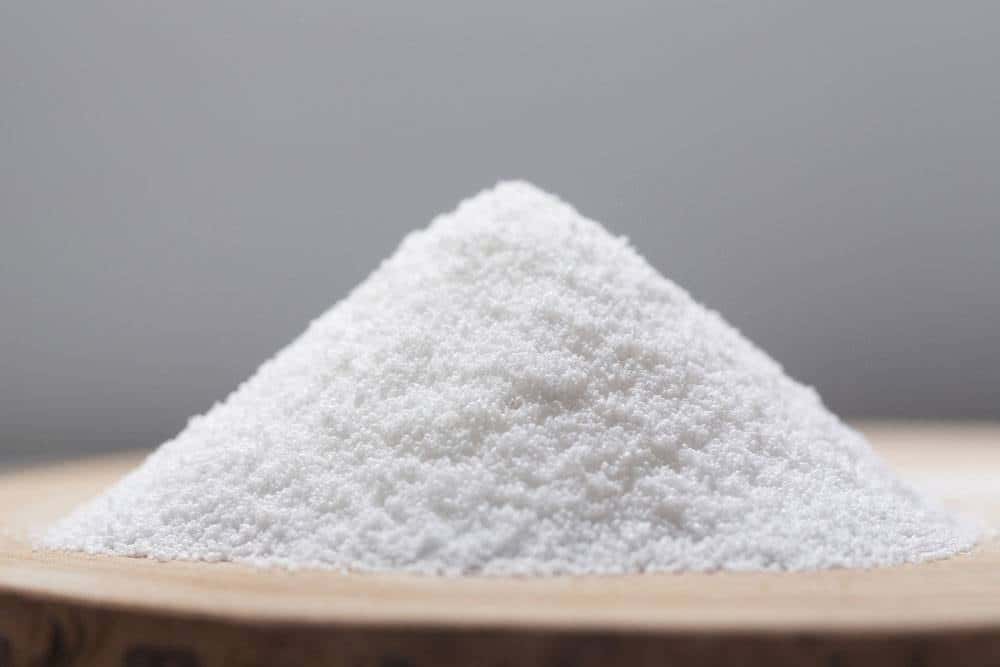
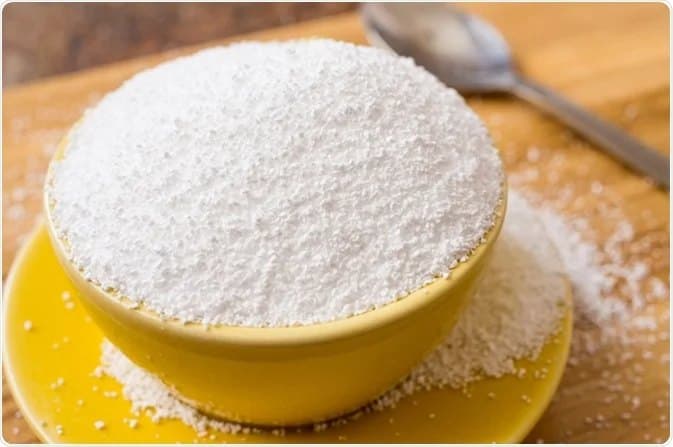
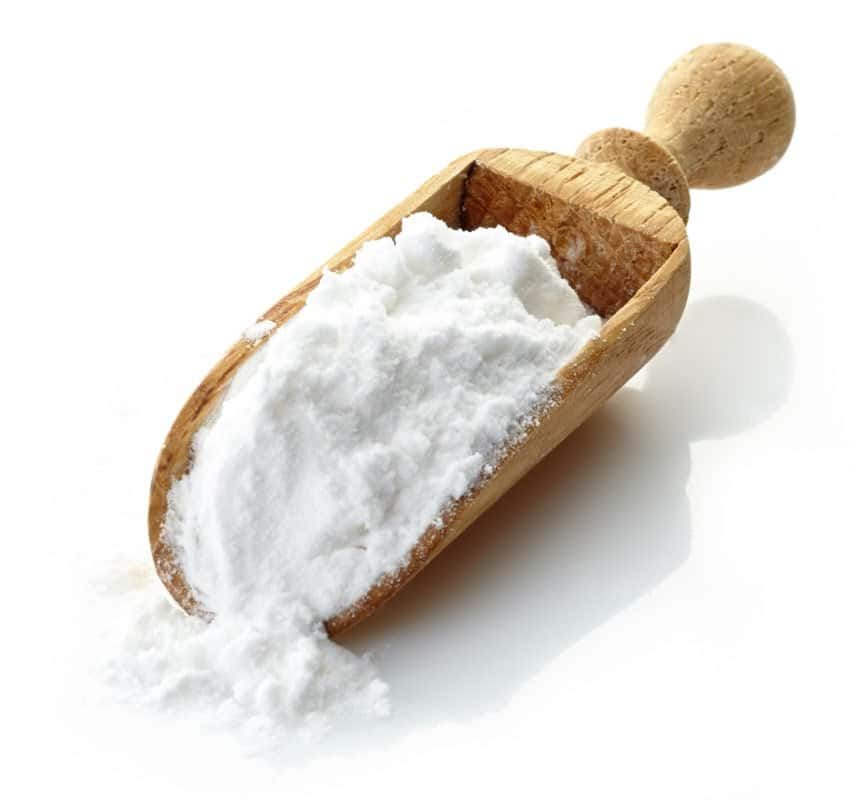
Solid sorbitol supplied as powder, crystalline powder or granules. Particle size is grade-specific and is confirmed on the specification and COA.
Also known as: crystalline sorbitol, sorbitol crystalline powder, sorbitol granules, E 420(i), INS 420(i)
Syrup
Sorbitol Syrup / Sorbitol Solution 70% (E 420(ii))
Clear, colourless aqueous sorbitol. Available as crystallising or non-crystallising grades; the non-crystallising type contains hydrogenated oligosaccharides from the glucose syrup (JECFA). State the type you need on the RFQ.
Also known as: sorbitol solution 70%, sorbitol 70%, liquid sorbitol, D-glucitol syrup, E 420(ii), INS 420(ii)
| Parameter | Value | Basis |
|---|---|---|
| INS number | 420(i) sorbitol; 420(ii) sorbitol syrup | Standard / official specification |
| EU additive number | E 420(i) sorbitol; E 420(ii) sorbitol syrup | Standard / official specification |
| CAS number (D-sorbitol) | 50-70-4 | Standard / official specification |
| Chemical formula | C6H14O6 (formula weight 182.17) | Standard / official specification |
| Relative sweetness (sucrose = 100) | ≈ 50–70 (sorbitol); 25–50 (sorbitol syrup) | Typical value (reference) |
| Reducing sugars (as glucose) | ≤ 0.3%Same limit for sorbitol syrup (JECFA and EU). | Standard / official specification |
| Sulfated ash | ≤ 0.1%Applies to both forms (JECFA). | Standard / official specification |
| Chlorides / sulfates | ≤ 50 mg/kg / ≤ 100 mg/kg | Standard / official specification |
| Nickel | ≤ 2 mg/kg | Standard / official specification |
| Lead | ≤ 1 mg/kg | Standard / official specification |
Sorbitol Powder (crystalline sorbitol, E 420(i))
| Parameter | Value | Basis |
|---|---|---|
| Assay (JECFA) | ≥ 97.0% total glycitols and ≥ 91.0% D-sorbitol (anhydrous basis) | Standard / official specification |
| Assay (EU Reg. 231/2012) | ≥ 97% total glycitols and ≥ 91% D-sorbitol (dry weight basis) | Standard / official specification |
| Water, Karl Fischer (JECFA) | ≤ 1% | Standard / official specification |
| Water, Karl Fischer (EU Reg. 231/2012) | ≤ 1.5% | Standard / official specification |
| Total sugars (as glucose) | ≤ 1% | Standard / official specification |
| Conductivity (20% dry-solids solution, 20 °C) | ≤ 20 μS/cm | Standard / official specification |
| Melting range (identification) | 88–102 °C | Standard / official specification |
| Arsenic (EU Reg. 231/2012) | ≤ 3 mg/kg (dry weight basis) | Standard / official specification |
| Particle size / mesh | Confirmed per lot on the Certificate of Analysis — contact ANUTIDA for the current specification. | |
Sorbitol Syrup / Sorbitol Solution 70% (E 420(ii))
| Parameter | Value | Basis |
|---|---|---|
| Assay (JECFA) | ≥ 99.0% hydrogenated saccharides and ≥ 50.0% D-sorbitol (anhydrous basis) | Standard / official specification |
| Total solids (EU Reg. 231/2012) | ≥ 69%, with ≥ 50% D-sorbitol on the anhydrous basis | Standard / official specification |
| Water, Karl Fischer | ≤ 31%Same limit in EU Reg. 231/2012. | Standard / official specification |
| Conductivity (product as such, 20 °C) | ≤ 10 μS/cm | Standard / official specification |
| Appearance | Clear, colourless aqueous solution | Standard / official specification |
Identity & status
Regulatory identity
| INS number | 420(i) sorbitol; 420(ii) sorbitol syrup |
|---|---|
| EU specifications | E 420(i) and E 420(ii), Regulation (EU) No 231/2012 |
| EU conditions of use | Group IV polyol under Regulation (EC) No 1333/2008; E 420 may not be used in flavoured drinks (category 14.1.4) |
| JECFA ADI | Not specified (26th JECFA, 1982) |
| United States | Affirmed as GRAS, 21 CFR 184.1835, at levels not exceeding good manufacturing practice |
| US label statement | “Excess consumption may have a laxative effect” where foreseeable consumption may result in 50 g of sorbitol a day |
| EU label statement | “excessive consumption may produce laxative effects” for foods containing more than 10% added polyols (Reg. (EU) 1169/2011, Annex III, 2.4) |
| HS code (D-glucitol) | 2905.44 |
| HS code (other sorbitol) | 3824.60 — sorbitol other than that of subheading 2905.44 |
Additive approvals, use levels and labelling differ by destination market. Confirm the rules for your market; ANUTIDA states in each quotation the specification the lot is supplied against.
Applications & industries
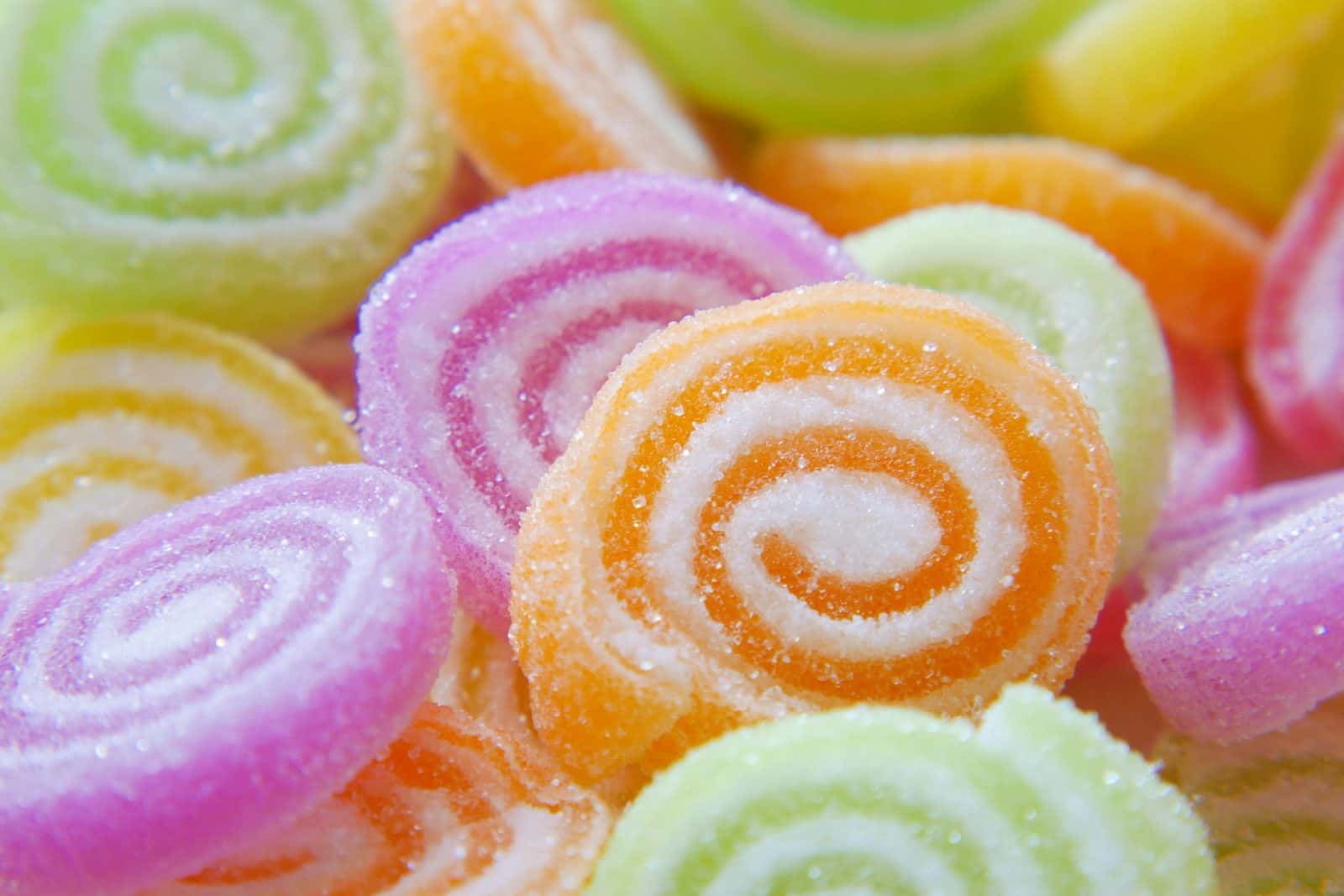
- Humectant in soft confectionery and chewy sweets
- Bulk sweetener in hard candy and chewing gum
- Moisture retention in baked goods and baking mixes
- Frozen dairy desserts
- Non-standardised jams and jellies
- Pharmaceutical syrups (pharmacopoeial grade specified)
- Toothpaste and personal-care humectant
- Chemical intermediate (vitamin C, surfactants)
Packaging, origin and manufacturers
Packaging options
- 25 kg bags
- Fibre drums
- Drums
- IBC totes
- Flexitank
- Road tanker
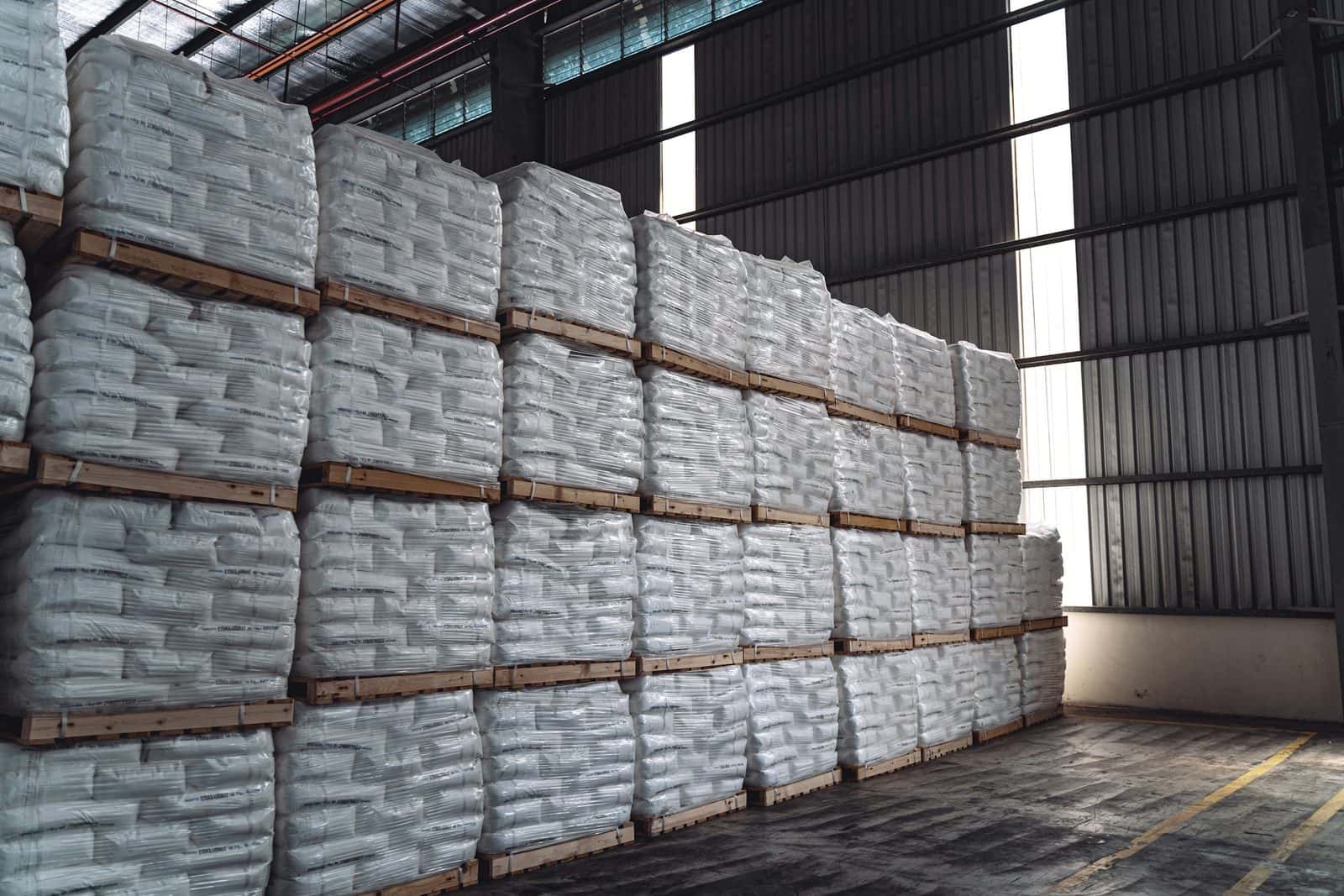
Sorbitol powder is commonly packed in 25 kg lined bags or fibre drums; sorbitol syrup in drums, IBC totes, flexitanks or road tankers. These are formats commonly supplied in the trade; the format for your order is confirmed in the quotation.
Origin
Stated in the quotation
Each quotation states the origin, producer and specification of the offered lot.
Supplied and exported by ANUTIDA — Udon Thani, Thailand
Manufacturer information
Multiple Thai manufacturers
- Ueno Fine Chemicals
- Siam Sorbitol
You buy from ANUTIDA. Name a preferred mill or brand in your request.
Paperwork & shipping
Documentation & export
Each quotation states the specification of the offered product. Export shipments travel with the document set agreed in your contract — typically a commercial invoice, packing list, bill of lading, certificate of origin and a Certificate of Analysis for the lot. List any further documents you need, such as third-party inspection, halal or kosher certificates or a health certificate, and they are confirmed in the quotation. Read how shipping works on the export and logistics pages.
- Minimum order
- Confirmed with quotation
- Lead time
- Confirmed with quotation
- Delivery
- Export from Thailand
Product guide
About Sorbitol
Health Canada puts the sweetness of sorbitol at about 50–70% of sucrose, and of sorbitol syrup at 25–50%, so sorbitol is usually chosen less for sweetness than for bulk and moisture retention.
How sorbitol is produced
The starting material is glucose (dextrose) or a glucose syrup, usually from starch. The EU specification defines crystalline sorbitol as the hydrogenation product of D-glucose and sorbitol syrup as the hydrogenation product of glucose syrup; the US regulation (21 CFR 184.1835) also recognises electrolytic reduction and the catalytic hydrogenation of sugar solutions containing glucose or fructose. After hydrogenation the solution is purified by ion exchange and activated carbon, then either concentrated to a syrup or converted to the solid forms described in the specifications: powder, crystalline powder, flakes or granules.
What is not D-sorbitol differs by form. In crystalline sorbitol it is mainly related polyols such as mannitol, iditol and maltitol. In sorbitol syrup it is either mannitol or hydrogenated oligosaccharides carried over from the glucose syrup, and JECFA notes that the oligosaccharide type is a non-crystallising syrup. That composition decides how the syrup behaves in storage and in your process, so state on the RFQ whether you need a crystallising or non-crystallising grade.
Sorbitol powder or sorbitol syrup: choosing the form
- Sorbitol powder / crystalline sorbitol (E 420(i)): at least 97.0% total glycitols and 91.0% D-sorbitol on the anhydrous basis, with water limited to 1% by JECFA or 1.5% under EU Regulation 231/2012. Suited to dry blends, tableting and any process where added water is unwanted.
- Sorbitol syrup / sorbitol solution 70% (E 420(ii)): at least 50% D-sorbitol on the anhydrous basis and no more than 31% water; the EU also sets at least 69% total solids. Pumpable and easy to dose in liquid systems, and it can be delivered in bulk.
- Pharmaceutical grades: sorbitol solution is also a pharmacopoeial article (USP sorbitol solution carries 69–71 g total solids per 100 g). A pharmaceutical buyer must name the pharmacopoeia and grade in the RFQ.
For a side-by-side comparison of limits, handling and packaging, see our guide to sorbitol powder versus sorbitol syrup.
Functional properties
- Humectancy: sorbitol is classed as highly hygroscopic in comparative tables of polyols, which is why it is used to hold moisture in soft confectionery and baked goods.
- Non-reducing: the specifications cap reducing sugars at 0.3%, so sorbitol contributes little to browning reactions with proteins during heating.
- Moderate sweetness and mild cooling: sweetness is roughly half to two-thirds that of sucrose, and its negative heat of solution gives a cooling note that is milder than that of xylitol or erythritol.
Applications by industry
The US GRAS regulation shows the breadth of food use: good manufacturing practice allows up to 99% sorbitol in hard candy and cough drops, 98% in soft candy, 75% in chewing gum, 30% in non-standardised jams and jellies, 30% in baked goods and baking mixes, 17% in frozen dairy desserts and 12% in other foods. In practice that covers confectionery (gums, pressed and boiled sweets, chewy sweets), bakery products and baking mixes, dairy desserts and general food manufacturing as a humectant.
Outside food, sorbitol solution is a humectant in toothpaste and a feedstock for vitamin C synthesis and surfactants, so industrial and personal-care buyers take the same syrup in technical or pharmacopoeial grades. Pharmaceutical use requires a pharmacopoeial grade that is stated on the order.
Formulation and handling
- Sorbitol powder takes up moisture; keep it in closed packaging in a cool, dry store and reseal part-used bags.
- Syrup is delivered by drum, IBC, flexitank or road tanker; check that your intake tank and pump suit a viscous syrup, and agree the grade (crystallising or non-crystallising) before the first delivery.
- Plan the polyol labelling statements required in your market (EU and US wording is given in the regulatory table).
Regulatory identity
Sorbitol is E 420 in the EU (purity criteria for E 420(i) and E 420(ii) in Regulation (EU) No 231/2012), has a JECFA ADI “not specified” and is affirmed as GRAS in the US under 21 CFR 184.1835. For customs, HS 2905.44 covers D-glucitol and HS 3824.60 other sorbitol; confirm the subheading for your product with your broker. Details are in the regulatory table below.
What to specify when you request a sorbitol quotation
- Form: crystalline powder or syrup; for syrup, crystallising or non-crystallising.
- Specification basis: JECFA, EU Regulation 231/2012, FCC, or a named pharmacopoeia for pharmaceutical use.
- Critical limits for your process, such as assay, water, reducing sugars, nickel and, for powder, particle size.
- Packaging (25 kg bags or fibre drums for powder; drums, IBC totes, flexitank or road tanker for syrup), annual volume, delivery schedule and destination port.
- Documents your market needs, starting with the COA for each lot.
Buyer questions
Sorbitol FAQ
Which forms of sorbitol does ANUTIDA supply?
Crystalline sorbitol powder (E 420(i)) and sorbitol syrup, also called sorbitol solution 70% (E 420(ii)). For syrup, state whether you need a crystallising or non-crystallising grade; for pharmaceutical use, name the pharmacopoeia and grade.
What does “70%” mean on sorbitol solution?
It is a trade designation for the solids content. The USP sorbitol solution contains 69–71 g of total solids per 100 g; the EU specification for sorbitol syrup requires at least 69% total solids and JECFA limits water to 31%. The actual solids and water content of each lot is on its COA.
Which specification and documents come with each lot?
Each lot is supplied against the specification agreed in the quotation (for example JECFA or EU Regulation 231/2012) and ships with a Certificate of Analysis. Ask in your RFQ for any other documents your market requires; they are confirmed with the quotation.
How is sorbitol packed for export?
Powder is commonly packed in 25 kg lined bags or fibre drums. Syrup is commonly shipped in drums, IBC totes, flexitanks or road tankers. The format for your order is confirmed in the quotation; see logistics for shipping options.
How should sorbitol powder be stored?
Sorbitol powder is hygroscopic. Keep it in closed packaging in a cool, dry place and reseal opened bags promptly.
How do I order sorbitol from ANUTIDA?
Send a request for quotation stating the form and grade, the specification you buy against, quantity, packaging, destination port and the documents you need. ANUTIDA replies with a quotation that confirms the specification, packaging, minimum order quantity and lead time for that order.
Last updated 6 October 2026
Related supply
Other Sweeteners You May Be Interested In
- SweetenerMaltitolSugar alcohol (polyol)SpecificationView specification
 SweetenerMannitolSugar alcohol (polyol)SpecificationView specification
- SweetenerXylitolSugar alcohol (polyol)SpecificationView specification
 SweetenerGlucose SyrupStarch hydrolysate syrup (nutritive sweetener)SpecificationView specification
Knowledge Center
Related Articles & Resources
- SweetenersSorbitol Powder vs Sorbitol Syrup: Which Form Should You Buy?Crystalline sorbitol and sorbitol syrup are separate additives with separate specifications. Here is how they differ and how to choose and specify the right one.Read guide
- SweetenersSorbitol vs Maltitol: How the Two Bulk Polyols DifferSorbitol and maltitol are both hydrogenated, starch-derived polyols sold as crystals and syrups, but they behave very differently in sweetness, moisture and texture.Read guide
 SweetenersDextrose Monohydrate vs Dextrose AnhydrousBoth forms are at least 99.5% D-glucose on a dry basis. The difference is one molecule of crystal water, which changes total solids, dosage and moisture behaviour.Read guide
- SweetenersErythritol vs Xylitol: A Technical Comparison for BuyersErythritol and xylitol are the two crystalline, strongly cooling polyols. They differ in how they are made, how sweet they are and where the law lets you use them.Read guide

Request a quotation
Need Sorbitol or Other Sweeteners?
Tell us your product, specification, quantity and destination. ANUTIDA replies with packaging options and a written quotation.