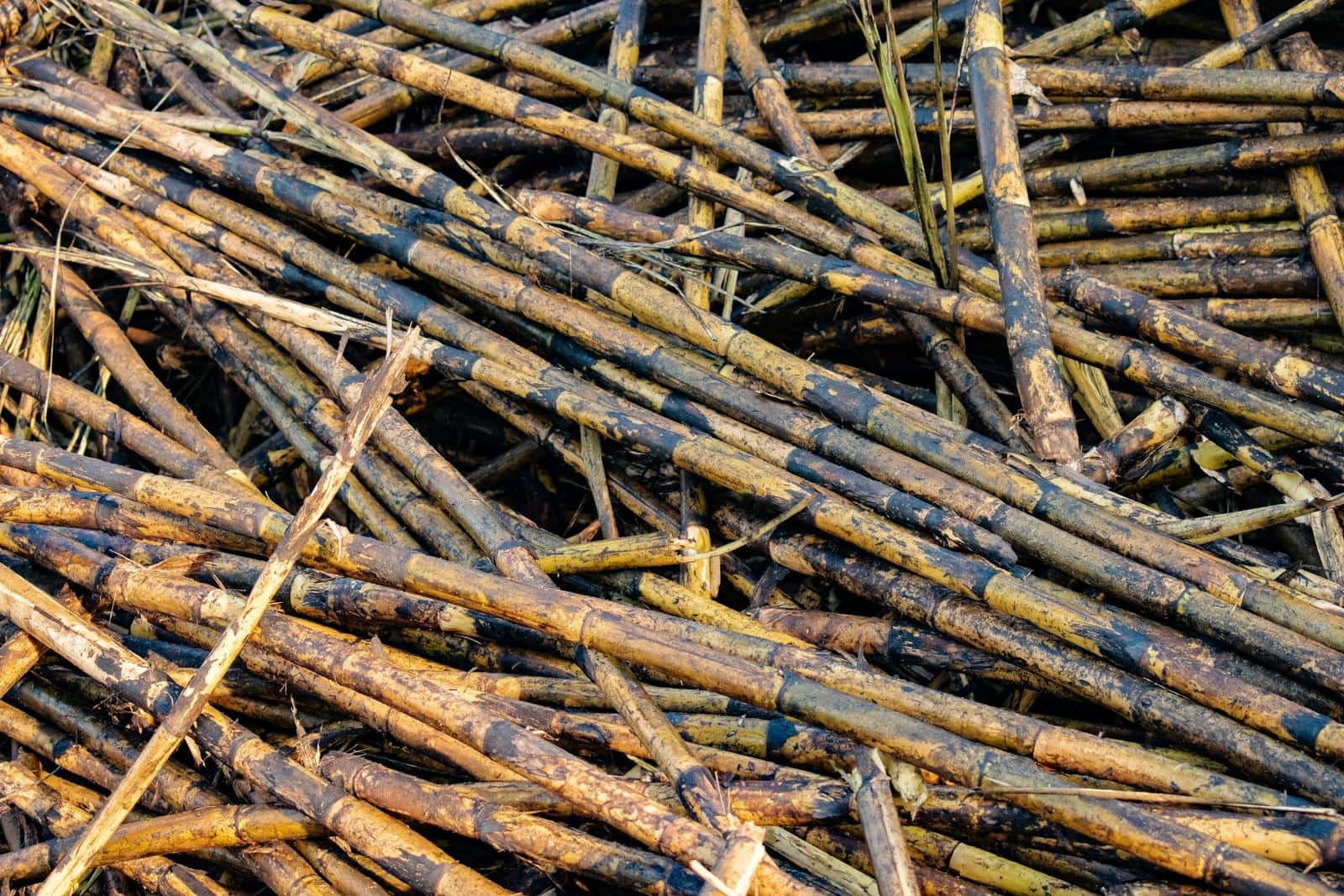
Thai sugar
High-Pol Sugar Supplier from Thailand
- Thai origin
- Commercial supply
- Published specifications
- Export from Thailand
On this pageHigh-Pol Sugar
Products
High-Pol Sugar products
Thailand's benchmark raw export grade — minimum 98.5° polarisation on a wet basis — supplied by ANUTIDA to refiners in bulk or bags.
Sugar
Thai Hi-Pol Raw Sugar
High-polarisation raw cane sugar
- ICUMSA colour
- ≥ 601 IU
- Polarisation
- ≥ 98.5° (wet basis)
Buyer's guide
What Thai Hi-Pol is
Hi-Pol (high polarisation) sugar is made like ordinary raw sugar but boiled and washed to a higher polarisation and lower colour; some mills also dry it before bagging. The benchmark definition comes from the price-reporting agency S&P Global Platts, which assesses Thai Hi Polarization raw sugar as fair average quality of the crop with a minimum polarisation of 98.5° on a wet basis at shipment. Thai regulation has no Hi-Pol class: under the Cane and Sugar Board notification it is raw sugar (≥ 97.00 °Z, ≥ 601 IU).
Thai producers use the term in their own documents. TRR describes its HP raw sugar as at least 98.5 °Z; KSL's annual report gives Hi-Pol a colour of 1,000–1,500 IU; and KTIS reports raising its Hi-Pol output.
How the benchmark works
Platts publishes weekly spot and forward assessments for Thai Hi-Pol as a premium to the front-month ICE Sugar No. 11 contract. The assessment basis is a 12,000-tonne cargo (8,000–12,000 t considered), loading about 3,000 tonnes per weather working day, FOB Bangkok, Laem Chabang, Koh Si Chang or Sri Racha. The table sets it against the Brazilian VHP benchmark that buyers often compare it with.
| Term | Thai Hi-Pol | Brazil Centre-South VHP |
|---|---|---|
| Polarisation | ≥ 98.5°, wet basis at shipment | 99.00–99.49° |
| Assessed by | S&P Global Platts | S&P Global Platts |
| Load ports | FOB Bangkok, Laem Chabang, Koh Si Chang, Sri Racha | FOB Santos |
| Pol premium in Platts' Indonesia import parity | 3.75% | 4.2% |
| Status under Thai law | Raw sugar (≥ 97.00 °Z, ≥ 601 IU) | Not a Thai class; some Thai mills use the label |
Destinations
Thai raw-sugar exports — the category that includes Hi-Pol — reached 2,498,699 tonnes (raw value) in calendar 2025. Indonesia (1,560,086 t) and South Korea (503,743 t) took most of it for their refining industries, followed by Vietnam and Japan. In Indonesia, Thailand supplied 28% of raw-sugar imports between May 2025 and February 2026, behind Brazil (51%) and ahead of Australia (21%). Indonesian refineries import against annual allocations, set at 3.12 million tonnes for 2026, and only holders of a producer-importer licence may bring raw sugar in.
Buying Hi-Pol
- State the basis. Platts' 98.5° is a wet-basis figure measured at shipment; a dry-basis figure for the same sugar is higher, so make the contract explicit.
- Set colour where it matters. Neither Platts nor ICE sets a colour for raws, but importing countries can: Indonesia classes raw sugar as 600 IU or higher.
- Agree sampling and umpire rules. ICE No. 11 settles pol on the mean of both parties' results when they agree within 0.15°, with an umpire test otherwise — write an equivalent rule into your contract.
- Choose bulk or bags. Bulk parcels load at Gulf of Thailand terminals; some Thai mills bag Hi-Pol in 50 kg bags, which suits container shipments to smaller buyers.
- Check how pol affects duty. Some import tariffs split raw sugar by polarisation. Japan's schedule, for example, admits raw cane sugar below 98.5° pol (HS 1701.14-110) at a general rate of zero but charges 21.50 yen/kg on other cane sugar of HS 1701.14-200; Thailand supplied 88,790 t of the 88,850 t Japan imported under the lower-pol line in 2025.
Logistics from the Northeast
According to Czarnikow, about half of Thai raw sugar is produced in the Northeast — where ANUTIDA is based, in Udon Thani — and trucked to the deep-sea terminals at Laem Chabang and Sri Racha. Store and ship Hi-Pol like other raws: it holds roughly 0.25–1.1% water, deliquesces at about 80% relative humidity and should not be loaded hot. ANUTIDA arranges the export permits, customs clearance and shipping documents each shipment requires; see sugar export and logistics.
How ordering works
A clear process from enquiry to export.
- 01Define your requirementGrade, quantity, packaging and destination port.
- 02Confirm specificationWe confirm the specification, packing and documents for your market.
- 03Request your quoteA written quotation with specification, origin and delivery terms.
- 04Export coordinationANUTIDA arranges packing, export clearance, loading and shipping documents.
Shipments travel with the document set agreed in your contract — typically a commercial invoice, packing list, bill of lading, certificate of origin and a Certificate of Analysis for the lot. Minimum order and lead time are confirmed with each quotation. See export and logistics.
Thai manufacturers producing high-pol sugar
ANUTIDA supplies high-pol sugar made across the Thai sugar industry. Name a preferred mill or brand in your request and the manufacturer is confirmed with each offer.
High-Pol Sugar — buyer questions
Quick answers to common questions from international buyers.
What is the minimum polarisation of Thai Hi-Pol sugar?
The Platts benchmark is 98.5° minimum, measured on a wet basis at shipment. An offer may guarantee a higher pol; the figure in the contract governs.
Is Hi-Pol the same as VHP?
No. Hi-Pol is the Thai benchmark (min 98.5°), while Brazil VHP is assessed at 99.00–99.49°. Some Thai mills label high-pol raw sugar as VHP with their own specifications, so compare the actual numbers. See VHP sugar.
Which ports does Thai Hi-Pol ship from?
The Platts assessment covers FOB Bangkok, Laem Chabang, Koh Si Chang and Sri Racha. Laem Chabang and Sri Racha host the main deep-sea sugar terminals.
Can Hi-Pol be bought in containers?
Yes, when it is bagged — some Thai mills pack Hi-Pol in 50 kg bags. The benchmark itself assumes bulk vessel parcels of 8,000–12,000 tonnes.
Related sugar categories
Knowledge Center
Guides for high-pol sugar buyers
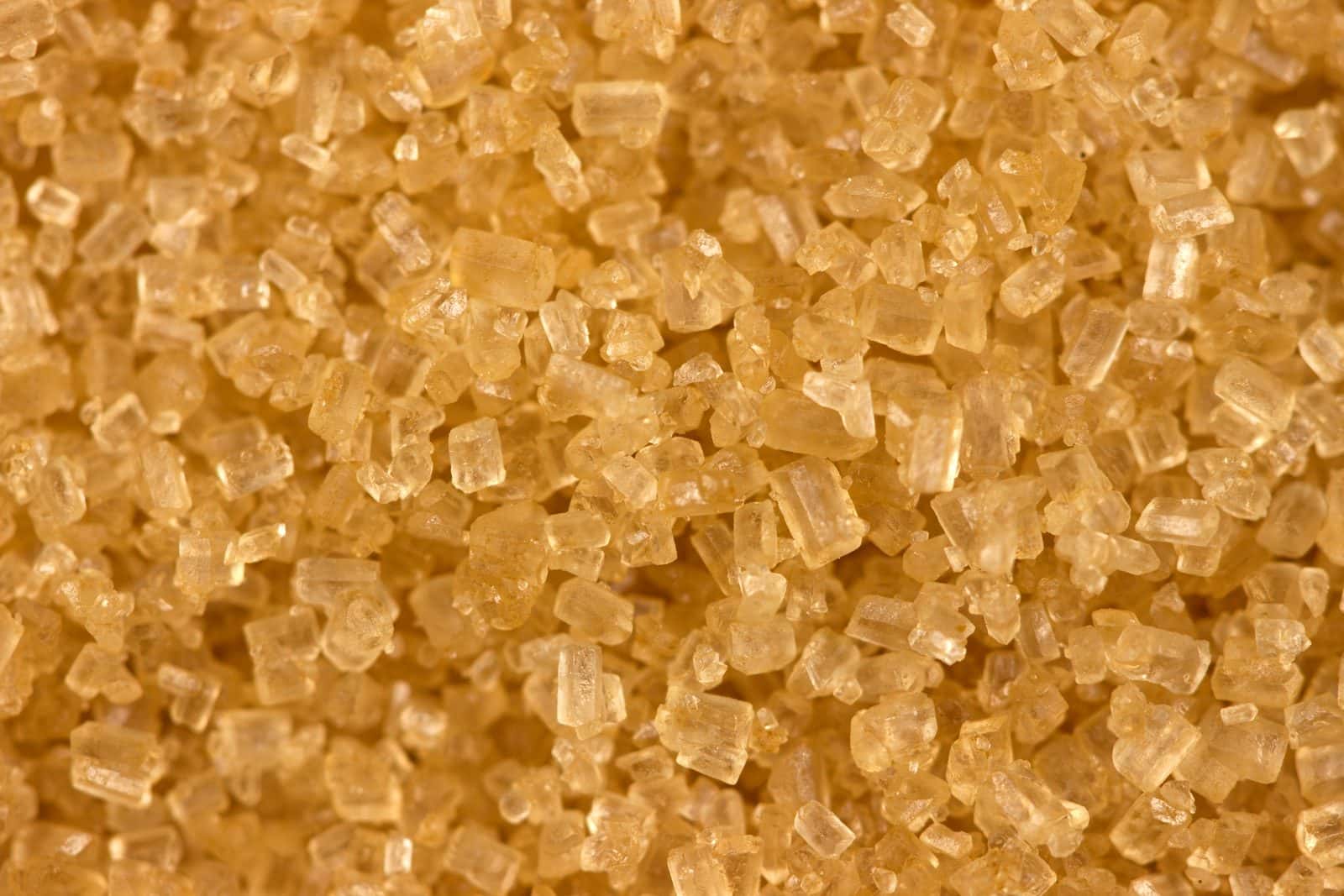 SugarWhat Is High-Pol Sugar? Thai Hi-Pol Raw Sugar, Pol Premiums and SpecsThai Hi-Pol is Thailand’s benchmark raw export grade: min. 98.5° pol, wet basis (Platts). How pol premiums work, what J-Spec and K-Spec mean, and why the colour boundary moved in 2021.Read guide
 SugarWhat Is VHP Sugar? Very High Polarisation Raw Sugar ExplainedVHP is very high polarisation raw sugar, benchmarked by Platts at 99.00–99.49° pol. How VHP, VVHP and Thai Hi-Pol compare, how Thai mills use the label and how to specify it.Read guide
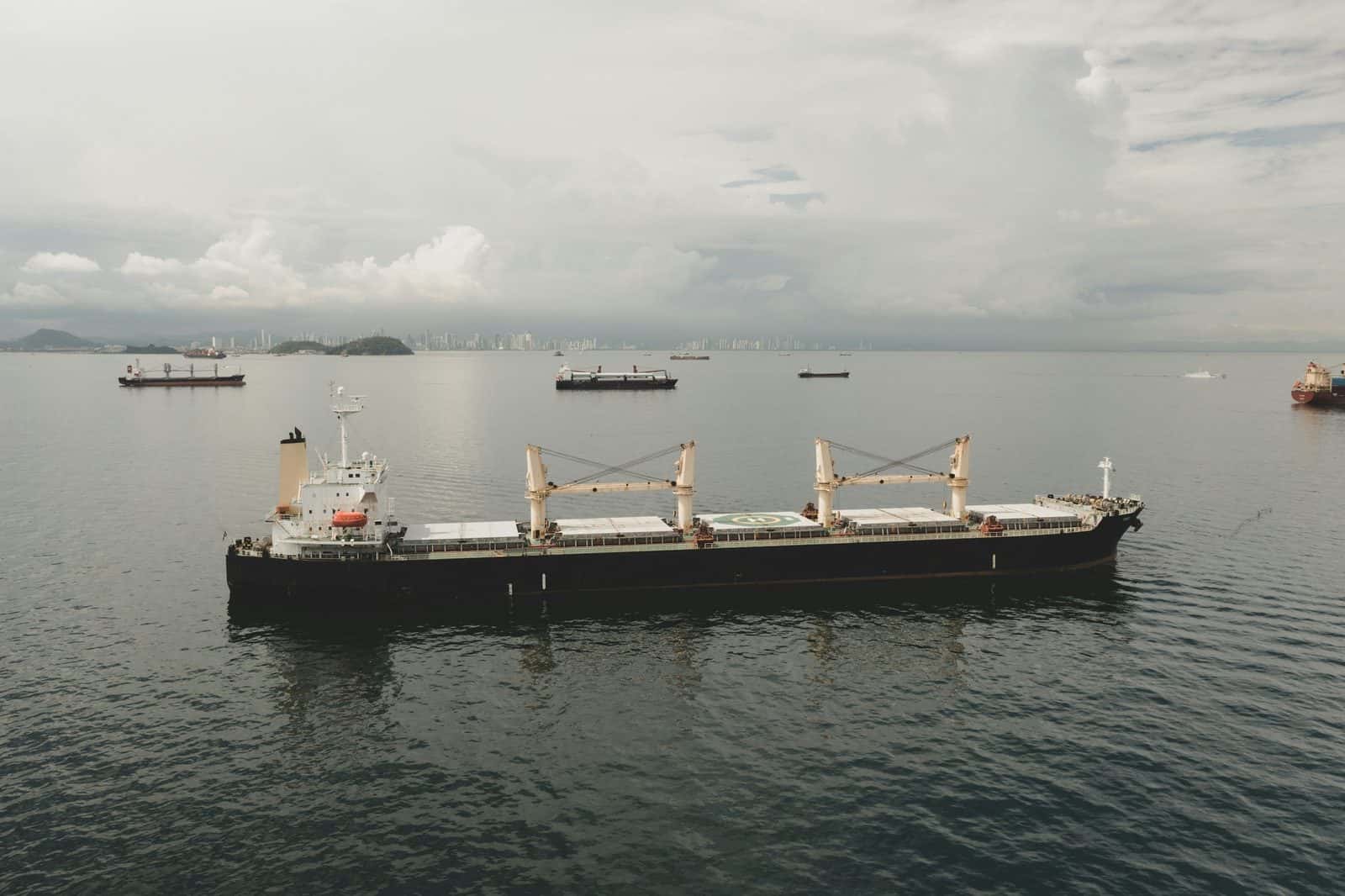
 LogisticsHow Sugar Is Shipped Internationally: Bulk, Containers and Break-BulkRaw sugar sails in bulk, refined sugar mostly in containers. How each mode works from Thailand's Gulf ports and Ko Sichang, and how sugar is protected from moisture at sea.Read guide
 ExportFOB vs CFR vs CIF for Sugar: Risk, Cost and InsuranceHow FOB, CFR and CIF split cost and risk on a sugar shipment, what CIF insurance covers, why ICC points container buyers to FCA, CPT or CIP, and how to choose a term.Read guide
Need high-pol sugar for your market?
Tell us your product, specification, quantity and destination.
ANUTIDA reviews your requirement and replies with packaging options and a written quotation.