Starch-Based Sweeteners · Fructose sweeteners
Crystalline Fructose Supplier
Purified, crystallised D-fructose with ≥ 98.0% fructose and ≤ 0.5% glucose (Codex CXS 212-1999).
- CrystallineForms supplied
- Export from ThailandQuoted on your Incoterm
- COA with every lotSpecification in the quotation
Quick quote
Select a product ICUMSA 45 Refined SugarICUMSA 45Quote
 ICUMSA 150 White SugarICUMSA 150Quote
 VHP Raw SugarRaw cane sugar sold under the VHP (very high polarisation) labelQuote
 Thai Hi-Pol Raw SugarHigh-polarisation raw cane sugarQuote
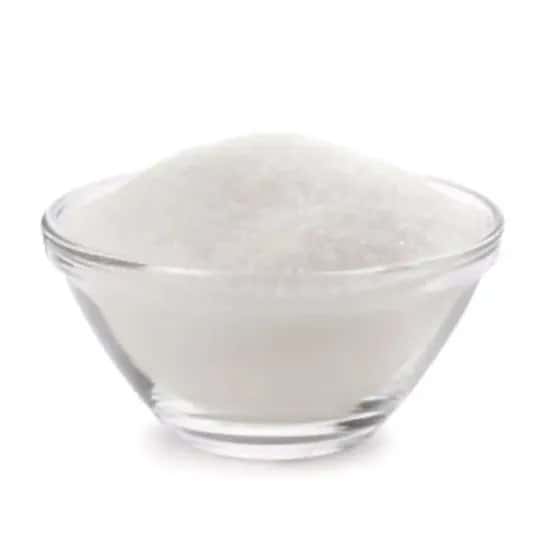 FructoseCrystalline D-fructose (nutritive sweetener)Quote
 Glucose SyrupStarch hydrolysate syrup (nutritive sweetener)Quote
 DextroseCrystalline D-glucose (nutritive sweetener)Quote
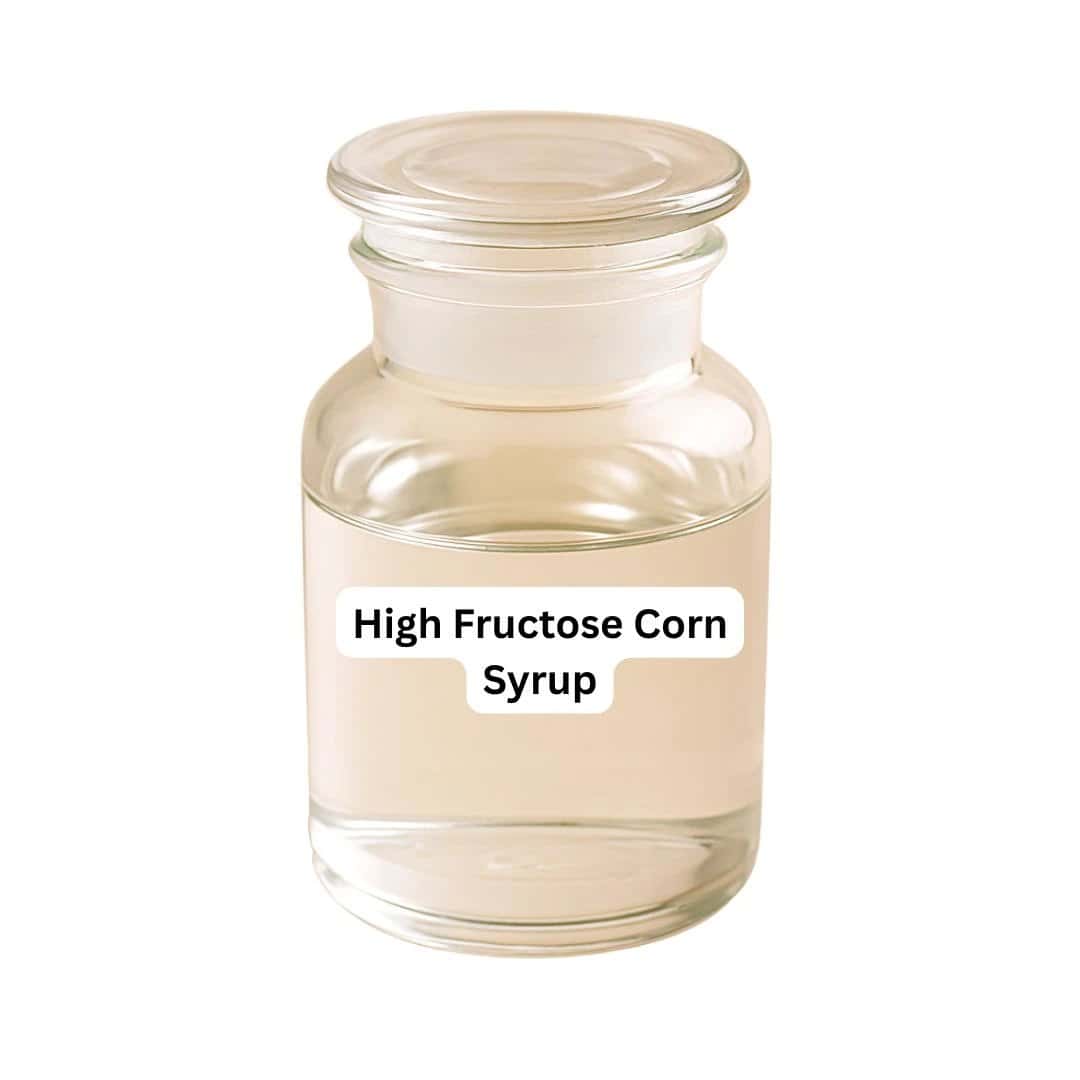 High-Fructose Syrup (HFCS)Isomerised glucose–fructose syrupQuote
- Thailand basedUdon Thani, Thailand
- Ready stockCommercial supply
- Multiple Thai producersBroad product range
- Global exportShipped from Thailand
- Specification supportCOA with every lot
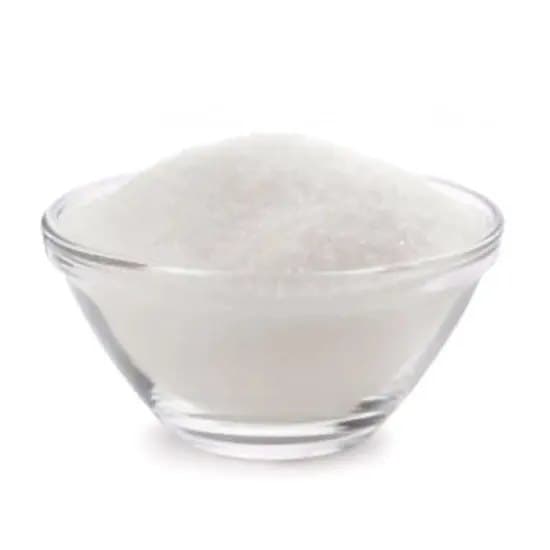
Starch-Based Sweeteners
Fructose
Crystalline D-fructose (nutritive sweetener)
- Crystalline
- Assay
- ≥ 98.0% m/m
- Sweetness
- ≈ 1.17–1.75
- Moisture
- ≤ 0.5%
- pH
- 4.5–7.0
Certificate of Analysis with every lot
What is Fructose?
Commercial fructose (laevulose) is purified, crystallised D-fructose. Codex CXS 212-1999 and EU Directive 2001/111/EC require at least 98.0% fructose and no more than 0.5% glucose. It is made from starch-derived glucose that is isomerised to fructose, separated and then crystallised — so it belongs with the starch-based sweeteners even though it is chemically a different sugar from dextrose.
- Beverage
- Dairy
- Bakery
- Confectionery
Key features
- Supplied in crystalline form
- Specification limits from official standards
- Certificate of Analysis with every lot
- Exported from Thailand on your Incoterm
Technical data
Technical specifications
Crystalline
Crystalline Fructose
Purified, crystallised D-fructose (≥ 98.0% fructose).
| Parameter | Value | Basis |
|---|---|---|
| Formula | C₆H₁₂O₆ | Standard / official specification |
| CAS number | 57-48-7 | Standard / official specification |
| Fructose content | ≥ 98.0% m/mSame minimum in EU Directive 2001/111/EC. | Standard / official specification |
| Glucose content | ≤ 0.5% m/m | Standard / official specification |
| Loss on drying | ≤ 0.5% | Standard / official specification |
| Conductivity ash | ≤ 0.1% | Standard / official specification |
| Colour (ICUMSA) | ≤ 30 IUCodex CXS 212-1999 Annex (voluntary composition factors). | Standard / official specification |
| pH (10% m/m solution) | 4.5–7.0Codex CXS 212-1999 Annex (voluntary composition factors). | Standard / official specification |
| Sulphur dioxide | ≤ 15 mg/kg | Standard / official specification |
| Sweetness relative to sucrose (= 1.0) | ≈ 1.17–1.75 | Typical value (reference) |
Crystalline Fructose
| Parameter | Value | Basis |
|---|---|---|
| Fructose content | ≥ 98.0% m/mSame minimum in EU Directive 2001/111/EC. | Standard / official specification |
| Glucose content | ≤ 0.5% m/m | Standard / official specification |
Identity & status
Regulatory identity
| Codex | Fructose (laevulose) defined in CXS 212-1999 |
|---|---|
| EU | Directive 2001/111/EC, Annex A.11 |
| HS subheading | 1702.50 — chemically pure fructose; national tariff lines vary |
Requirements differ by destination market. Confirm the rules for your market; ANUTIDA states in each quotation the specification the lot is supplied against.
Applications & industries
- Beverages and powdered drink mixes
- Dairy products and frozen desserts
- Bakery products and fillings
- Confectionery
- Tabletop and dry-blend sweeteners
Packaging, origin and manufacturers
Packaging options
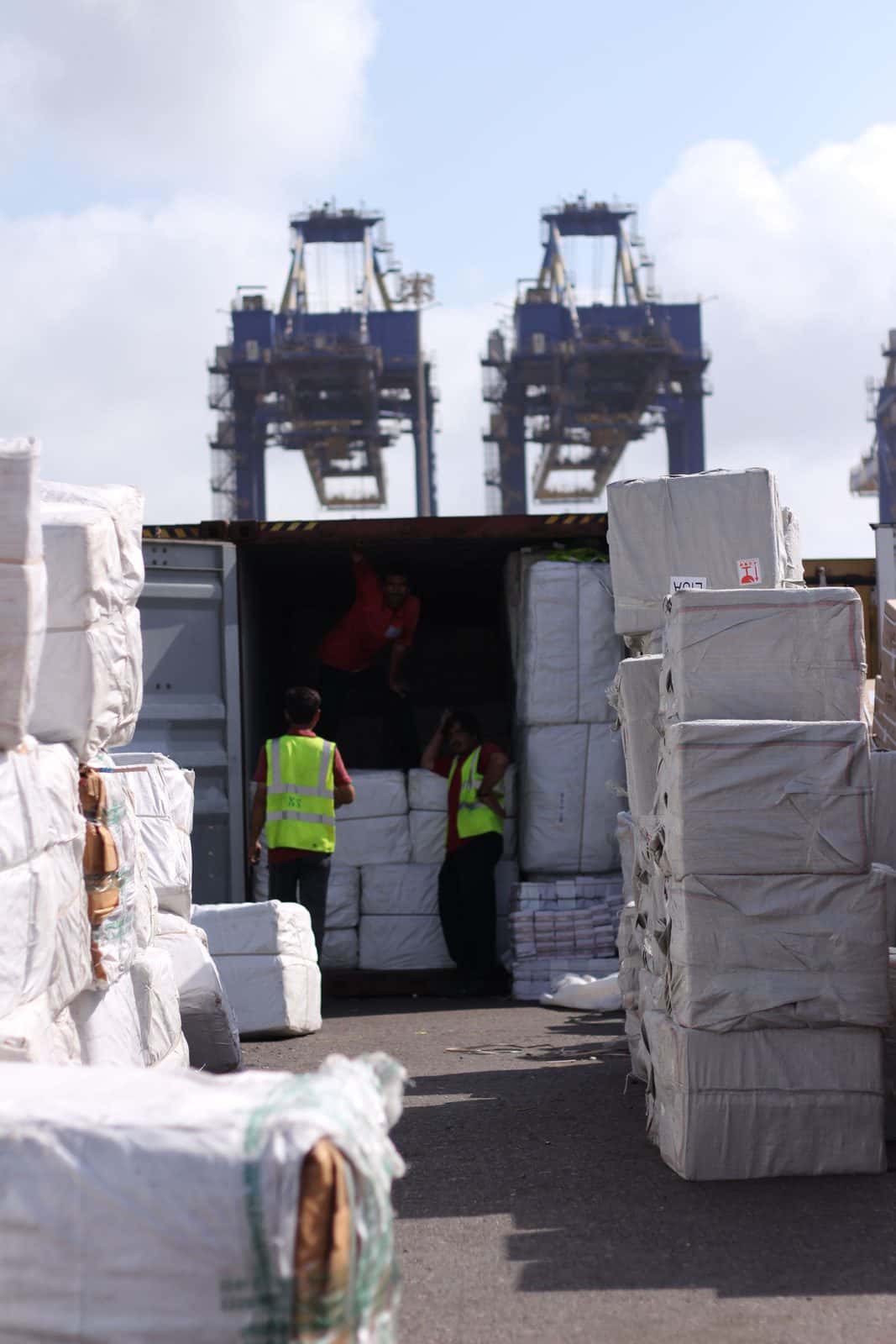
- Packing agreed per order
The packaging format for crystalline fructose is confirmed in the quotation. Keep bags sealed and dry — fructose is hygroscopic.
Origin
Stated in the quotation
Each quotation states the origin, producer and specification of the offered lot.
Supplied and exported by ANUTIDA — Udon Thani, Thailand
Manufacturer information
You buy from ANUTIDA. The producer of the offered lot is named in the quotation; state any preferred manufacturer or brand in your request.
Paperwork & shipping
Documentation & export
Each quotation states the specification of the offered product. Export shipments travel with the document set agreed in your contract — typically a commercial invoice, packing list, bill of lading, certificate of origin and a Certificate of Analysis for the lot. List any further documents you need, such as third-party inspection, halal or kosher certificates or a health certificate, and they are confirmed in the quotation. Read how shipping works on the export and logistics pages.
- Minimum order
- Confirmed with quotation
- Lead time
- Confirmed with quotation
- Delivery
- Export from Thailand
Product guide
About Fructose
Fructose is sweeter than sucrose — about 1.17–1.75 times on published estimates, depending on temperature, concentration and the medium. Compared with sucrose and dextrose it has a higher osmotic pressure, lower water activity at the same concentration, a stronger freezing-point depression and greater hygroscopicity. Those properties, rather than sweetness alone, decide where formulators use it.
Crystalline fructose vs fructose-containing syrups
Crystalline fructose should not be confused with high-fructose syrup (HFCS). HFCS 42 and HFCS 55 are glucose–fructose syrups in which fructose is 42% or 55% of the dry matter; crystalline fructose is a dry, near-pure fructose powder. EU labelling also distinguishes 'glucose-fructose syrup' from 'fructose-glucose syrup' depending on which sugar predominates. Specify exactly which product you need — the regulatory identity, HS subheading and handling differ.
| Crystalline fructose | HFCS 42 / HFCS 55 | |
|---|---|---|
| Form | Dry crystalline powder | Syrup |
| Fructose content | ≥ 98.0% (Codex / EU) | ≥ 42% / ≥ 55% of dry weight |
| Handling | Bags; protect from humidity | Tankers, IBCs, drums |
| HS subheading | 1702.50 | 1702.40 / 1702.60 (by fructose content) |
Functional properties and applications
- Higher sweetness per gram than sucrose, so less sweetener can deliver the same sweetness in some formulations.
- Lower water activity and higher osmotic pressure — relevant for moisture retention and shelf stability in fillings and bakery products.
- Stronger freezing-point depression — affects softness and scoopability in frozen desserts, so recipes are rebalanced when fructose replaces sucrose.
- Hygroscopicity — useful for moist textures, but crystalline fructose must be stored dry and sealed to prevent caking.
- Reducing sugar — participates in Maillard browning in baked goods.
These properties make fructose an ingredient for beverages, dairy and frozen desserts, bakery and fillings, and confectionery, as well as tabletop and dry-blend products. Formulation trials are always needed when it replaces sucrose or glucose.
Buying crystalline fructose from ANUTIDA
- State the grade and the specification you buy against (for example the Codex or EU limits shown below, or your own specification).
- Give the quantity, preferred packaging and destination port; the packaging format is confirmed in the quotation.
- List the documents you need — specification sheet, Certificate of Analysis per lot, and any certificates your market requires.
- The producer and country of origin of the offered lot are stated in every quotation.
Buyer questions
Fructose FAQ
Is crystalline fructose the same as high-fructose syrup?
No. Crystalline fructose is a dry powder with at least 98.0% fructose (Codex / EU). HFCS is a syrup in which fructose is 42% or 55% of the dry matter. Their regulatory identity, HS codes and handling differ.
What specification do you quote against?
Against the Codex CXS 212-1999 / EU Directive 2001/111/EC limits shown on this page, or your own specification. Each lot's actual values are reported on its Certificate of Analysis.
Where is the fructose produced?
The producer and country of origin of the offered lot are stated in every quotation.
How should crystalline fructose be stored?
Sealed and dry. Fructose is more hygroscopic than sucrose or dextrose and cakes if it picks up moisture.
Last updated 6 October 2026
Related supply
Other Sweeteners You May Be Interested In
- SweetenerHigh-Fructose Syrup (HFCS)Isomerised glucose–fructose syrupSpecificationView specification
- SweetenerDextroseCrystalline D-glucose (nutritive sweetener)SpecificationView specification
- SweetenerGlucose SyrupStarch hydrolysate syrup (nutritive sweetener)SpecificationView specification
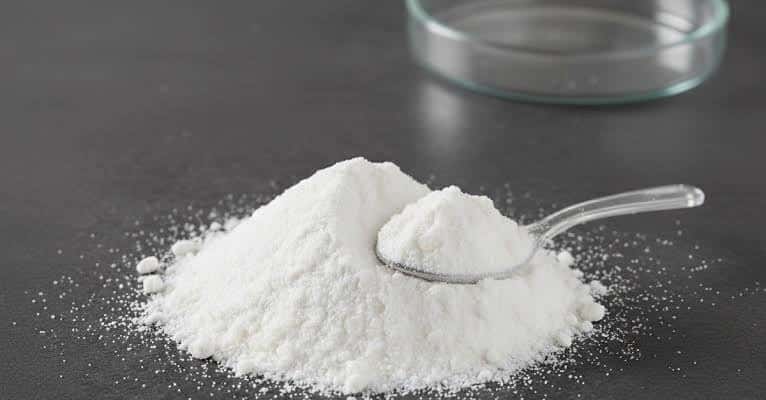 SweetenerMaltodextrinStarch hydrolysate powder (DE < 20)SpecificationView specification
Knowledge Center
Related Articles & Resources
- SweetenersDextrose Monohydrate vs Dextrose AnhydrousBoth forms are at least 99.5% D-glucose on a dry basis. The difference is one molecule of crystal water, which changes total solids, dosage and moisture behaviour.Read guide
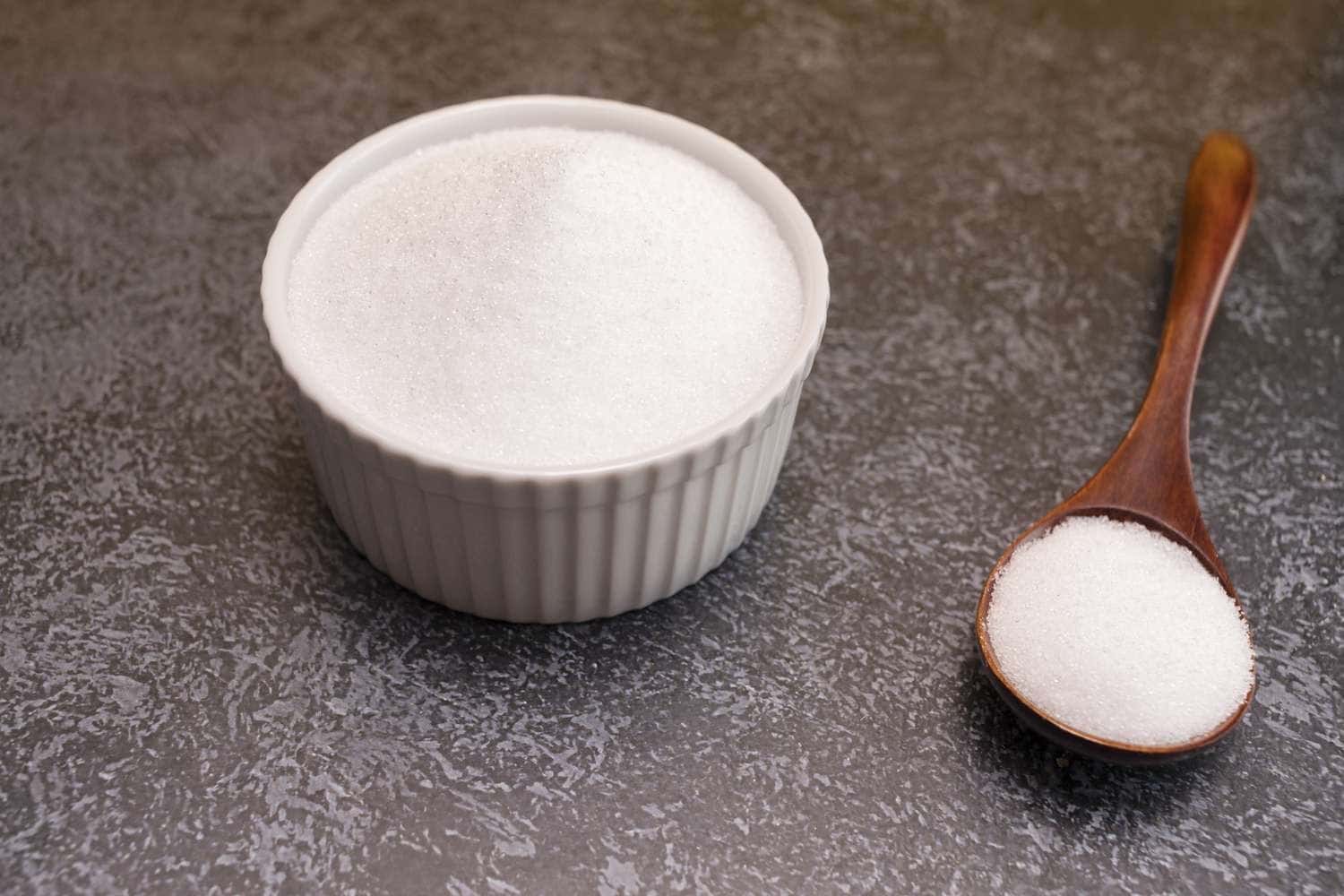 SweetenersErythritol vs Xylitol: A Technical Comparison for BuyersErythritol and xylitol are the two crystalline, strongly cooling polyols. They differ in how they are made, how sweet they are and where the law lets you use them.Read guide
- SweetenersGlucose Syrup vs Dextrose: What Buyers Need to KnowBoth are made from starch and both are often called "glucose", but glucose syrup is a liquid mixture of saccharides (DE ≥ 20) while dextrose is crystallised D-glucose. Here is how they differ and how to choose.Read guide
- SweetenersHFCS 42 vs HFCS 55: Composition, Uses and LabellingHFCS 42 and HFCS 55 differ in fructose content, solids, sweetness, typical use, EU name and HS subheading. A side-by-side guide for buyers of high-fructose syrup.Read guide
Request a quotation
Need Fructose or Other Sweeteners?
Tell us your product, specification, quantity and destination. ANUTIDA replies with packaging options and a written quotation.