Starch-Based Sweeteners
Glucose Syrup
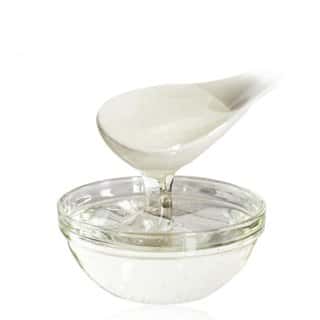
Purified, concentrated starch hydrolysate with DE ≥ 20 and ≥ 70% total solids (Codex CXS 212), quoted by ANUTIDA against your DE and solids specification.
- Syrup
Packaging: Drum, IBC, Flexitank, Tanker
Industrial sweeteners
Products
Starch-Based Sweeteners
Purified, concentrated starch hydrolysate with DE ≥ 20 and ≥ 70% total solids (Codex CXS 212), quoted by ANUTIDA against your DE and solids specification.
Packaging: Drum, IBC, Flexitank, Tanker
Starch-Based Sweeteners
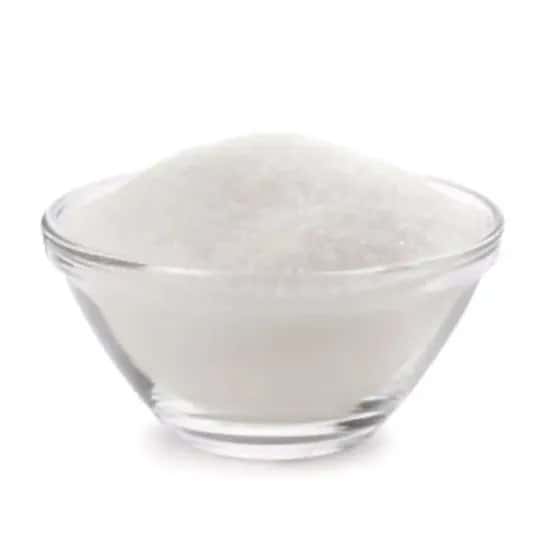
Purified, crystallised D-glucose (≥ 99.5% D-glucose, dry basis) in monohydrate or anhydrous form, commonly supplied in 25 kg or 50 kg bags with a COA for each lot.
Packaging: 25 kg, 50 kg
Starch-Based Sweeteners
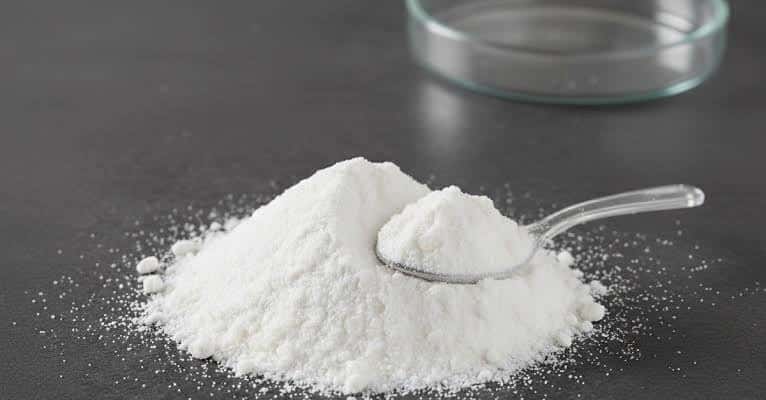
Purified, crystallised D-fructose with ≥ 98.0% fructose and ≤ 0.5% glucose (Codex CXS 212-1999).
Packaging: agreed per order
Starch-Based Sweeteners
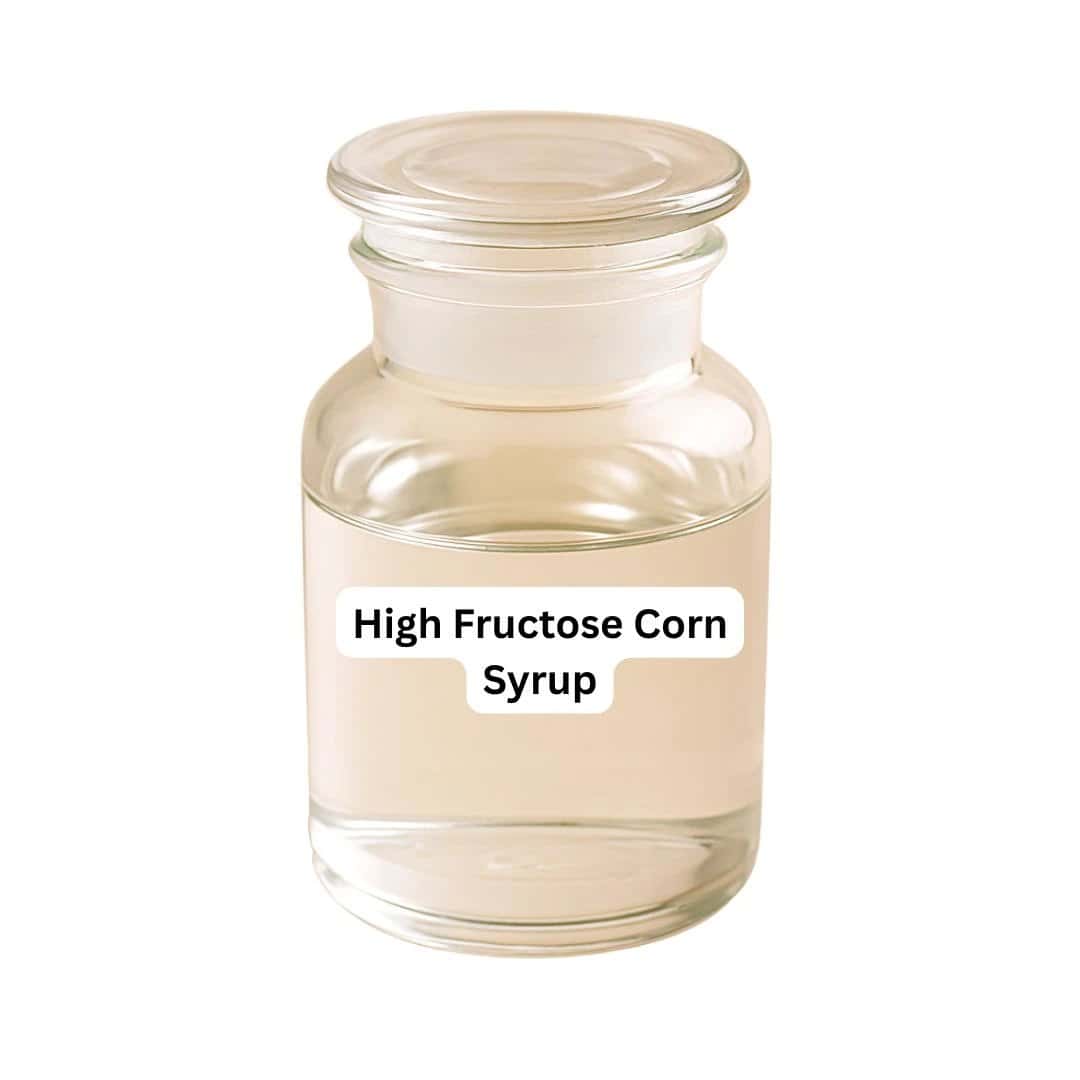
Glucose syrup partly isomerised to fructose: HFCS 42 (≥ 42% fructose, dry) and HFCS 55 (≥ 55%). Made from tapioca or corn starch; quoted by ANUTIDA in bulk liquid formats.
Packaging: Drum, IBC, Flexitank, Tanker
Starch-Based Sweeteners
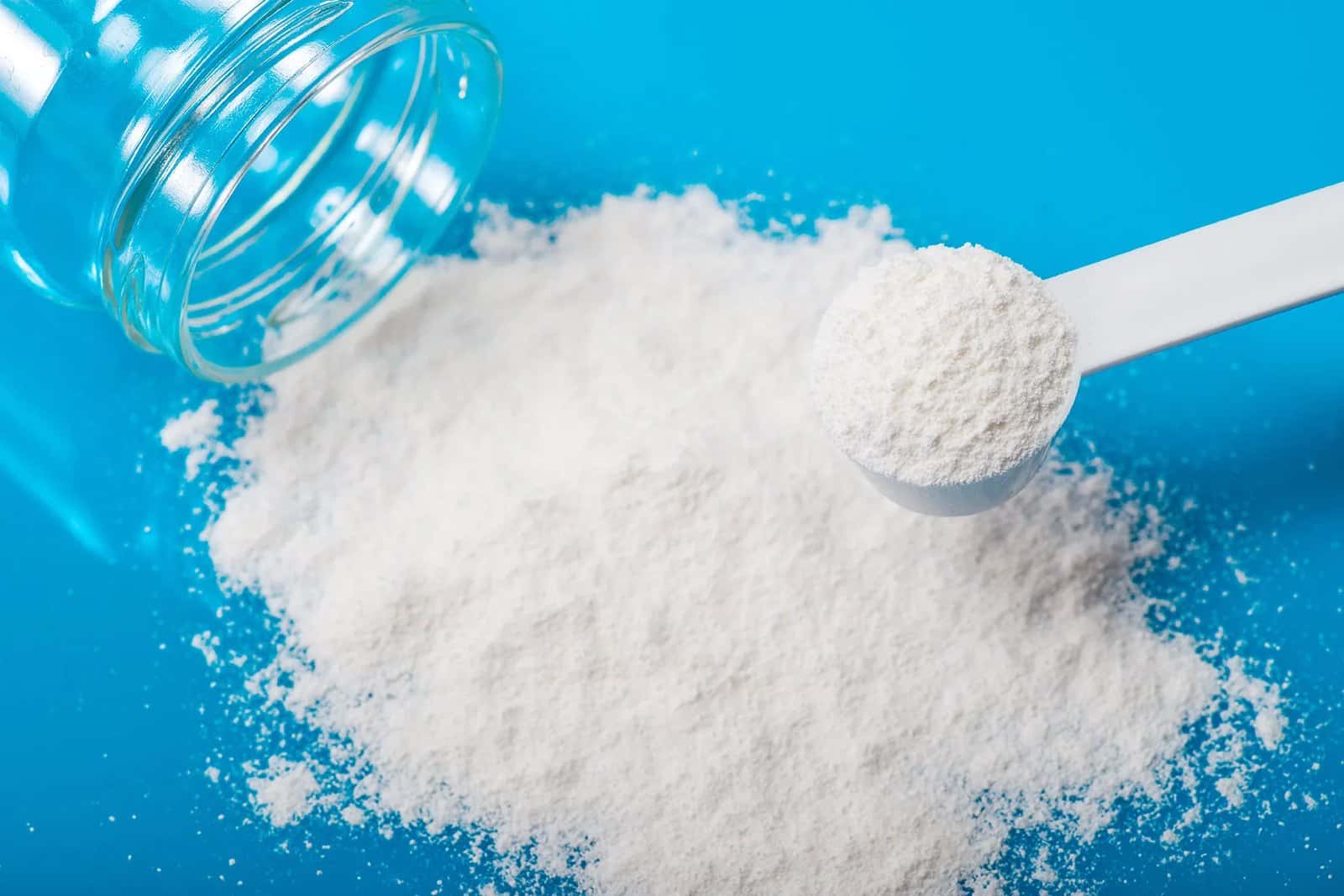
Starch hydrolysate with DE below 20 (21 CFR 184.1444): a low-sweetness, soluble white powder for bulking and carrying flavours, commonly packed in 25 kg bags.
Packaging: 25 kg
All products in this group start as starch, usually from corn or tapioca (cassava). Heating starch in water and treating it with acid or enzymes splits it into shorter glucose chains. The degree of breakdown is measured as dextrose equivalent (DE), the reducing sugar content expressed as dextrose per 100 g of dry matter. Starch itself has a DE near zero and pure dextrose has a DE of 100. Products are usually grouped in two families:
DE drives most functional behaviour. As DE rises, products become sweeter, more hygroscopic, more fermentable and quicker to brown. As DE falls, viscosity, binding power and the ability to stop sugar crystallising increase. This explains why a confectioner and a beverage bottler buying "glucose" may need very different grades.
| Product | What it is | Identity threshold | Form | Sweetness vs sucrose (= 1.0) |
|---|---|---|---|---|
| Glucose syrup | Purified, concentrated starch hydrolysate | DE ≥ 20; total solids ≥ 70% (Codex CXS 212) | Syrup | Rises with DE |
| Dried glucose syrup (glucose powder) | Glucose syrup dried to a powder | Total solids ≥ 93%; DE ≥ 20 (Codex / EU) | Powder | Rises with DE |
| Maltodextrin | Short-chain starch hydrolysate | DE < 20 (21 CFR 184.1444) | Powder | Described as nonsweet |
| Dextrose | Crystallised D-glucose, monohydrate or anhydrous | ≥ 99.5% D-glucose, dry basis (Codex) | Crystalline powder | ≈ 0.7 |
| HFCS 42 | Glucose syrup partly isomerised to fructose | ≥ 42.0% fructose, dry weight (61 FR 43447) | Syrup | ≈ 0.92 |
| HFCS 55 | HFCS 42 enriched with a fructose fraction | ≥ 55.0% fructose, dry weight (61 FR 43447) | Syrup | ≈ 1.0 |
| Crystalline fructose | Crystallised D-fructose | ≥ 98.0% fructose, ≤ 0.5% glucose (Codex) | Crystalline | ≈ 1.17–1.75 |
| High-maltose syrup | Glucose syrup concentrated in maltose | Producer specification (no separate Codex standard) | Syrup | Maltose itself ≈ 0.3 |
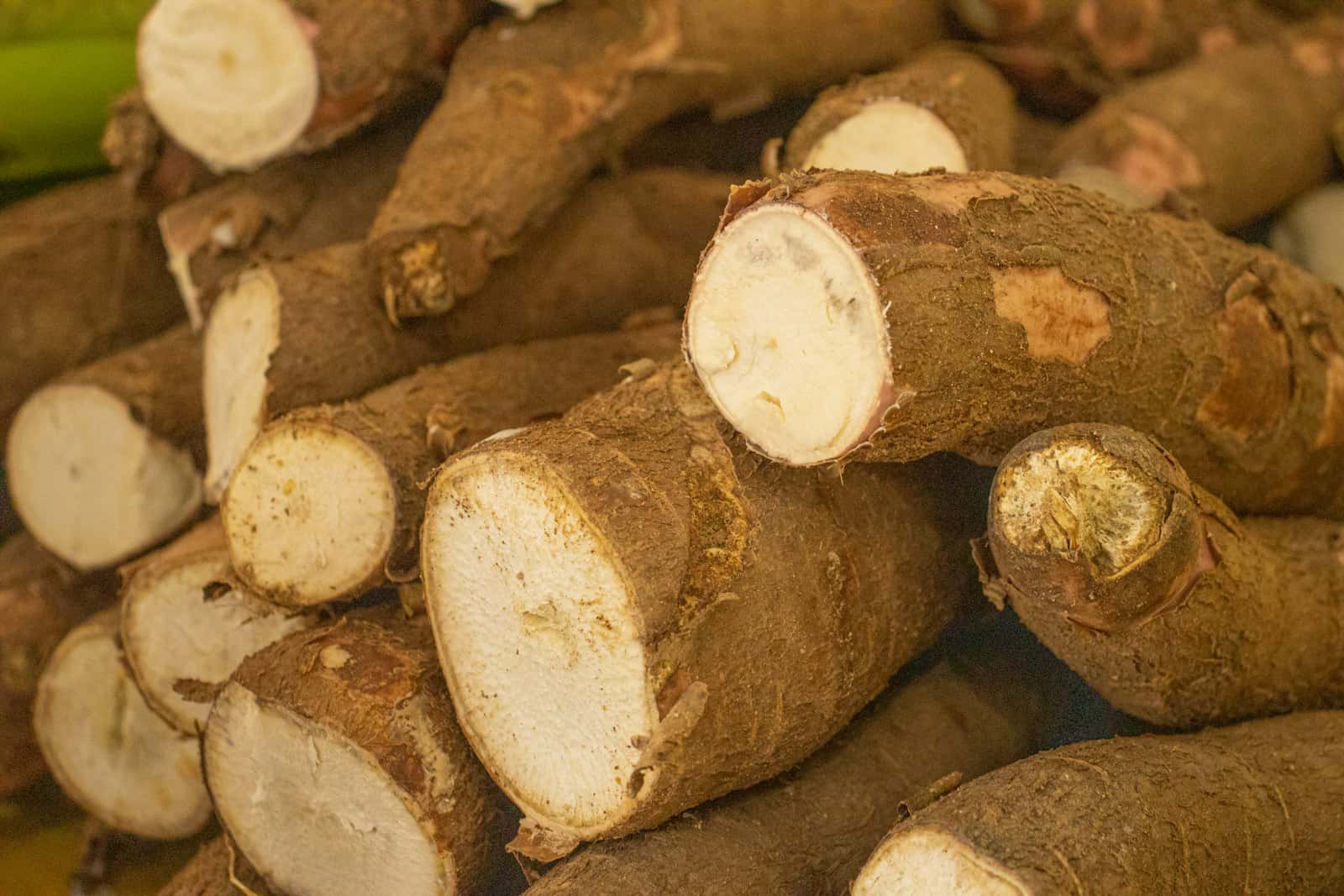
Thailand's starch-sweetener supply is built on cassava. The Thai Tapioca Starch Association (TTSA) describes Thailand as the world's largest producer and exporter of tapioca products. Its survey team put the 2024/25 crop at about 25.0 million tonnes of roots on 8.4 million rai, and the 2025/26 crop at about 18.6 million tonnes. Thai Customs data compiled by TTSA show 2.89 million tonnes of native starch and 1.07 million tonnes of modified starch exported in 2025.
TTSA notes that tapioca starch accounts for about 80% of the raw material for sweeteners such as glucose and fructose syrups. As a result, Thai glucose syrups and high-fructose syrups are generally tapioca-based, while syrups from the US and many other origins are corn-based. ANUTIDA states the feedstock and origin of every lot it quotes. If your market requires a particular starch source, specify it at the RFQ stage.
Syrups such as glucose syrup and HFCS move in drums, IBC totes, flexitanks for export containers, and road tankers for bulk. Powders such as dextrose and maltodextrin move in 25 kg or 50 kg bags on pallets. Higher-DE products and fructose absorb moisture readily, so keep powders sealed and dry. Viscous low-DE syrups need suitable unloading arrangements. See logistics for container and delivery options and quality for how specifications and COAs are handled.
Sorbitol and maltitol are made by hydrogenating starch-derived glucose and maltose syrups and are covered under sugar alcohols and polyols. Other sweeteners such as allulose and isomaltulose are listed under specialty sweeteners. Sucrose-based syrups are covered under liquid sugar.
All three are made by hydrolysing starch, and they differ in how far the breakdown goes. Maltodextrin has a DE below 20 and is barely sweet. Glucose syrup has a DE of 20 or more and is sold as a syrup. Dextrose is crystallised D-glucose (DE about 100). See glucose syrup vs dextrose and maltodextrin vs glucose syrup.
Both feedstocks exist in the trade. In Thailand, tapioca starch is the main raw material for glucose and fructose syrups. The feedstock and country of origin of the lot offered are stated in each quotation.
No. High-fructose syrup is glucose syrup in which part of the glucose has been converted to fructose. HFCS 42 contains at least 42% fructose and HFCS 55 at least 55% on a dry basis, and the EU requires different names for these syrups.
Syrups ship in drums, IBC totes, flexitanks or road tankers, and powders in 25 kg or 50 kg bags. The format and loading plan for your order are confirmed in the quotation.
Include the product and grade (DE range, dextrose form or HFCS grade), key limits such as solids or moisture, feedstock preference, quantity, packaging, destination port and Incoterm. Send it through the quote form.
Request a quotation
Send the product, specification, quantity, packaging and destination. ANUTIDA replies with a written quotation.