Natural Sweeteners · Sweet proteins
Thaumatin Supplier — E 957 Sweet Protein & Flavour Enhancer
Thaumatin (E 957), a sweet protein from the arils of the katemfe fruit, used as a sweetener and flavour enhancer at very low levels.
- PowderForms supplied
- Export from ThailandQuoted on your Incoterm
- COA with every lotSpecification in the quotation
Quick quote
Select a product ICUMSA 45 Refined SugarICUMSA 45Quote
 ICUMSA 150 White SugarICUMSA 150Quote
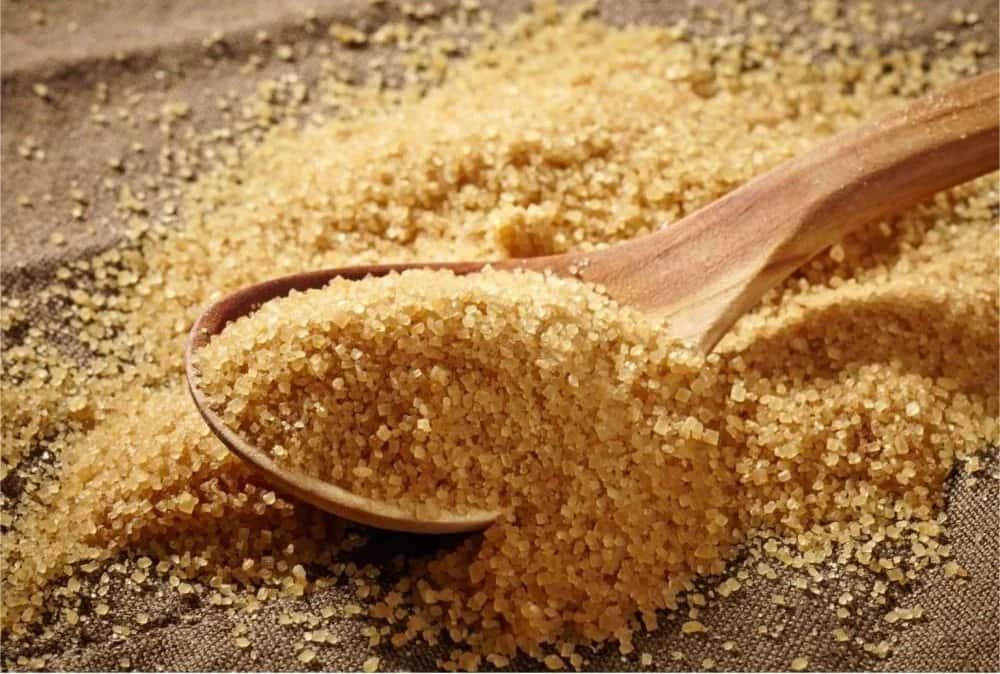 VHP Raw SugarRaw cane sugar sold under the VHP (very high polarisation) labelQuote
 Thai Hi-Pol Raw SugarHigh-polarisation raw cane sugarQuote
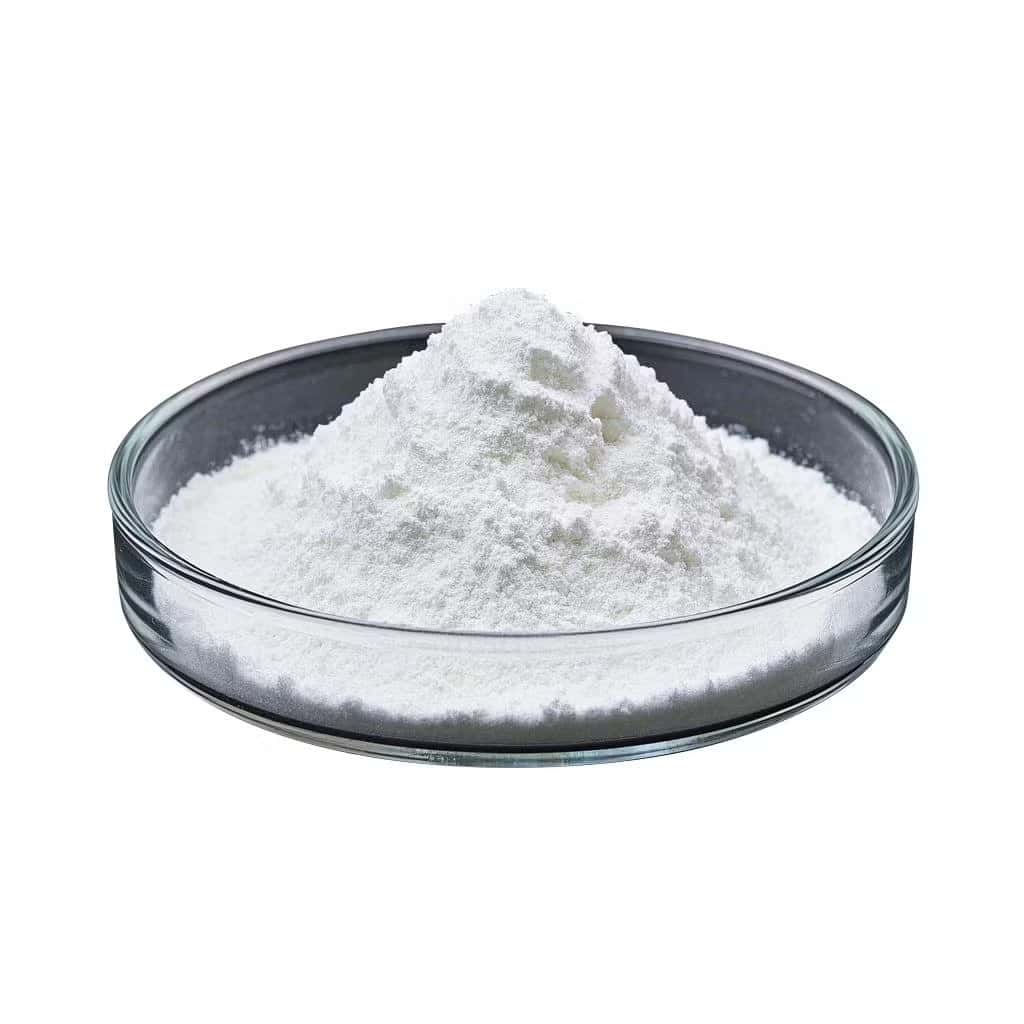 ThaumatinProtein sweetener and flavour enhancer (food additive)Quote
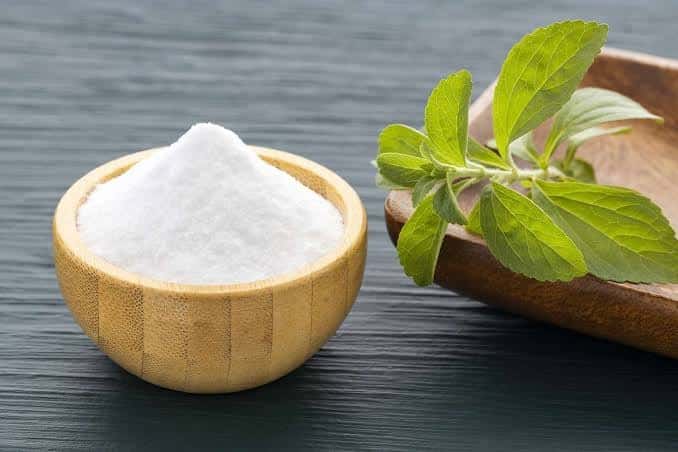 SteviaPlant-derived sweetener (Stevia rebaudiana)Quote
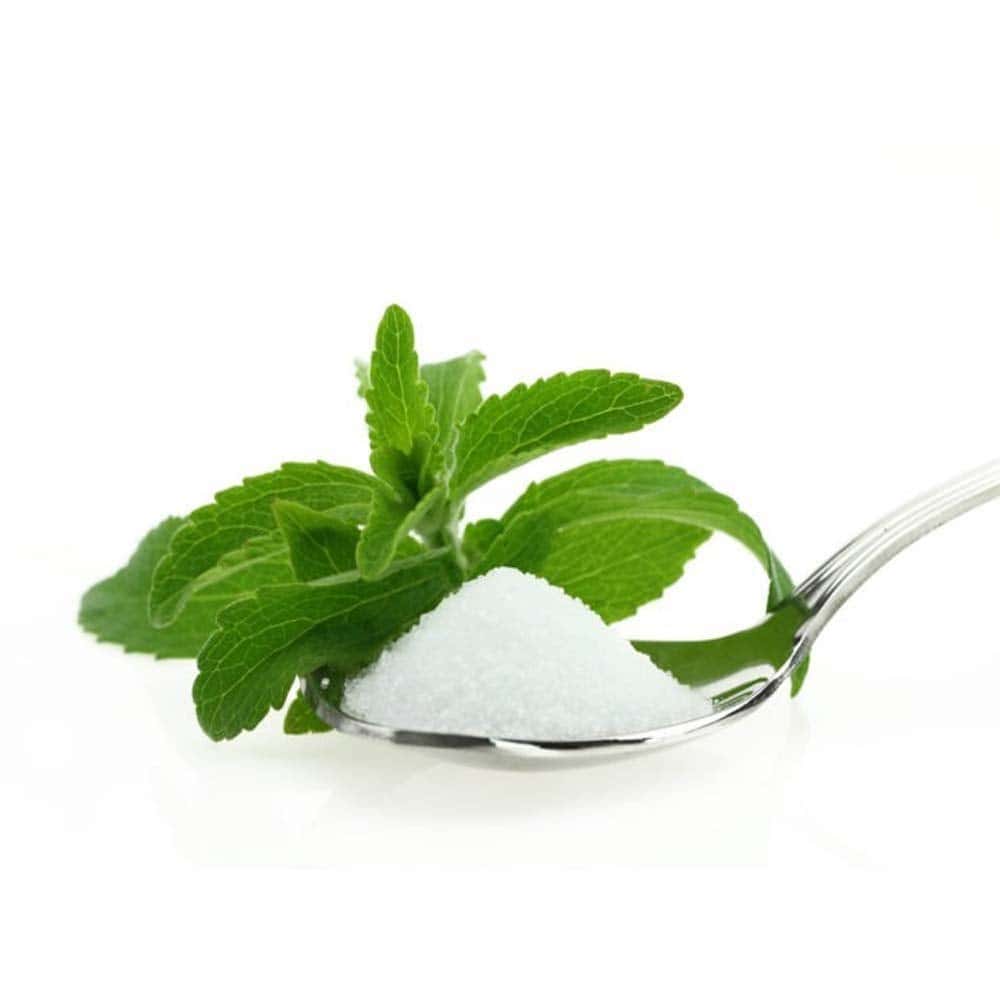 Steviol GlycosidesHigh-intensity sweetener (food additive)Quote
 Rebaudioside A (Reb A)Steviol glycoside (high-intensity sweetener)Quote
- Thailand basedUdon Thani, Thailand
- Ready stockCommercial supply
- Multiple Thai producersBroad product range
- Global exportShipped from Thailand
- Specification supportCOA with every lot
Natural Sweeteners
Thaumatin
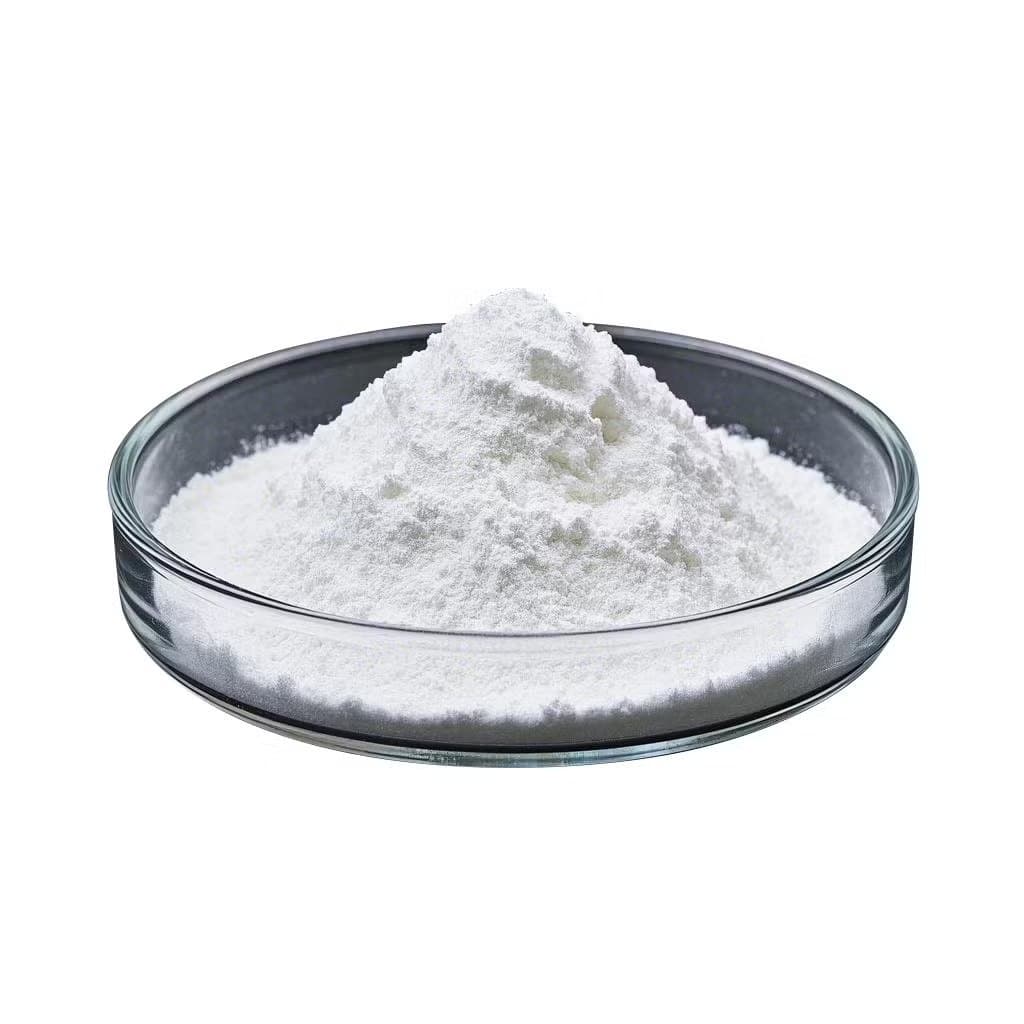
Protein sweetener and flavour enhancer (food additive)
- Powder
- E 957
- INS 957
- Moisture
- ≤ 9 % (105 °C)
- Ash
- ≤ 2 % (dry basis)
- EU additive no.
- E 957
- Forms
- Powder
Certificate of Analysis with every lot
What is Thaumatin?
Thaumatin is obtained by aqueous extraction (pH 2.5–4) of the arils of the fruit of Thaumatococcus daniellii and consists essentially of the proteins thaumatin I and thaumatin II, each a polypeptide of 207 amino acids. The EU specification describes it as an odourless, cream-coloured powder about 2 000 to 3 000 times as sweet as sucrose. JECFA lists its functional uses as sweetener and flavour enhancer.
- Confectionery
- Beverage
- Food Manufacturing
Key features
- Supplied in powder form
- Food additive identity E 957 / INS 957
- Specification limits from official standards
- Certificate of Analysis with every lot
- Exported from Thailand on your Incoterm
Technical data
Technical specifications
| Parameter | Value | Basis |
|---|---|---|
| INS / E number | INS 957 / E 957 | Standard / official specification |
| CAS number | 53850-34-3 | Standard / official specification |
| Assay | ≥ 15.1 % nitrogen, dried basis (≥ 93 % protein, N × 6.2) | Standard / official specification |
| Loss on drying | ≤ 9 % (105 °C) | Standard / official specification |
| Carbohydrates | ≤ 3 % (dry basis) | Standard / official specification |
| Sulphated ash | ≤ 2 % (dry basis) | Standard / official specification |
| Aluminium | ≤ 100 mg/kg | Standard / official specification |
| Arsenic / lead (EU) | ≤ 3 mg/kg each | Standard / official specification |
| Total aerobic count | ≤ 1 000 /g | Standard / official specification |
| Relative sweetness (EU) | About 2 000–3 000 × sucrose | Typical value (reference) |
Identity & status
Regulatory identity
| INS / EU | INS 957 / E 957 |
|---|---|
| JECFA ADI | Not specified (1985); group ADI not specified incl. recombinant thaumatin II (2025) |
| EFSA | No need for a numerical ADI (re-evaluation, 2021) |
| US GRAS | GRN 738 (thaumatin), 910 and 920 (thaumatin II) — FDA no questions |
Applications & industries
- Flavour enhancement in beverages and chewing gum
- Table-top sweeteners
- No-added-sugar confectionery
Packaging, origin and manufacturers
Packaging options
- Packing agreed per order
Packaging format confirmed in the quotation.
Origin
Stated in the quotation
Each quotation states the origin, producer and specification of the offered lot.
Supplied and exported by ANUTIDA — Udon Thani, Thailand
Manufacturer information
You buy from ANUTIDA. The producer of the offered lot is named in the quotation; state any preferred manufacturer or brand in your request.
Paperwork & shipping
Documentation & export
Each quotation states the specification of the offered product. Export shipments travel with the document set agreed in your contract — typically a commercial invoice, packing list, bill of lading, certificate of origin and a Certificate of Analysis for the lot. List any further documents you need, such as third-party inspection, halal or kosher certificates or a health certificate, and they are confirmed in the quotation. Read how shipping works on the export and logistics pages.
- Minimum order
- Confirmed with quotation
- Lead time
- Confirmed with quotation
- Delivery
- Export from Thailand
Product guide
About Thaumatin
Regulatory status
JECFA allocated an ADI “not specified” in 1985 and, at its 100th meeting in 2025, turned it into a group ADI “not specified” that also covers thaumatin II produced recombinantly in tobacco seeds. EFSA's 2021 re-evaluation found no need for a numerical ADI and recommended revising the EU specification. In the EU, E 957 is authorised as a sweetener in specified categories and as a flavour enhancer in others. In the US, FDA had no questions on GRAS notices for thaumatin (GRN 738) and thaumatin II (GRN 910, 920). Recombinant thaumatin II is not covered by the EU E 957 definition, which is limited to extraction from T. daniellii arils.
Buyer questions
Thaumatin FAQ
What is thaumatin used for?
As a sweetener and flavour enhancer at very low levels; EU uses are set per food category in Regulation (EC) No 1333/2008.
Is recombinant thaumatin II the same as E 957?
No. E 957 is defined as extracted from Thaumatococcus daniellii arils; recombinant thaumatin II has separate assessments.
Which documents are supplied?
A Certificate of Analysis per lot; other documents on request.
How do I order?
Send a request for quotation; MOQ and lead time are confirmed with the quotation.
Last updated 6 October 2026
Related supply
Other Sweeteners You May Be Interested In
- SweetenerSteviol GlycosidesHigh-intensity sweetener (food additive)SpecificationView specification
 SweetenerMonk Fruit ExtractFruit-derived high-intensity sweetener (mogrosides)SpecificationView specification
- SweetenerSteviaPlant-derived sweetener (Stevia rebaudiana)SpecificationView specification
- SweetenerRebaudioside A (Reb A)Steviol glycoside (high-intensity sweetener)SpecificationView specification
Knowledge Center
Related Articles & Resources
 SweetenersDextrose Monohydrate vs Dextrose AnhydrousBoth forms are at least 99.5% D-glucose on a dry basis. The difference is one molecule of crystal water, which changes total solids, dosage and moisture behaviour.Read guide
 SweetenersErythritol vs Xylitol: A Technical Comparison for BuyersErythritol and xylitol are the two crystalline, strongly cooling polyols. They differ in how they are made, how sweet they are and where the law lets you use them.Read guide
 SweetenersGlucose Syrup vs Dextrose: What Buyers Need to KnowBoth are made from starch and both are often called "glucose", but glucose syrup is a liquid mixture of saccharides (DE ≥ 20) while dextrose is crystallised D-glucose. Here is how they differ and how to choose.Read guide
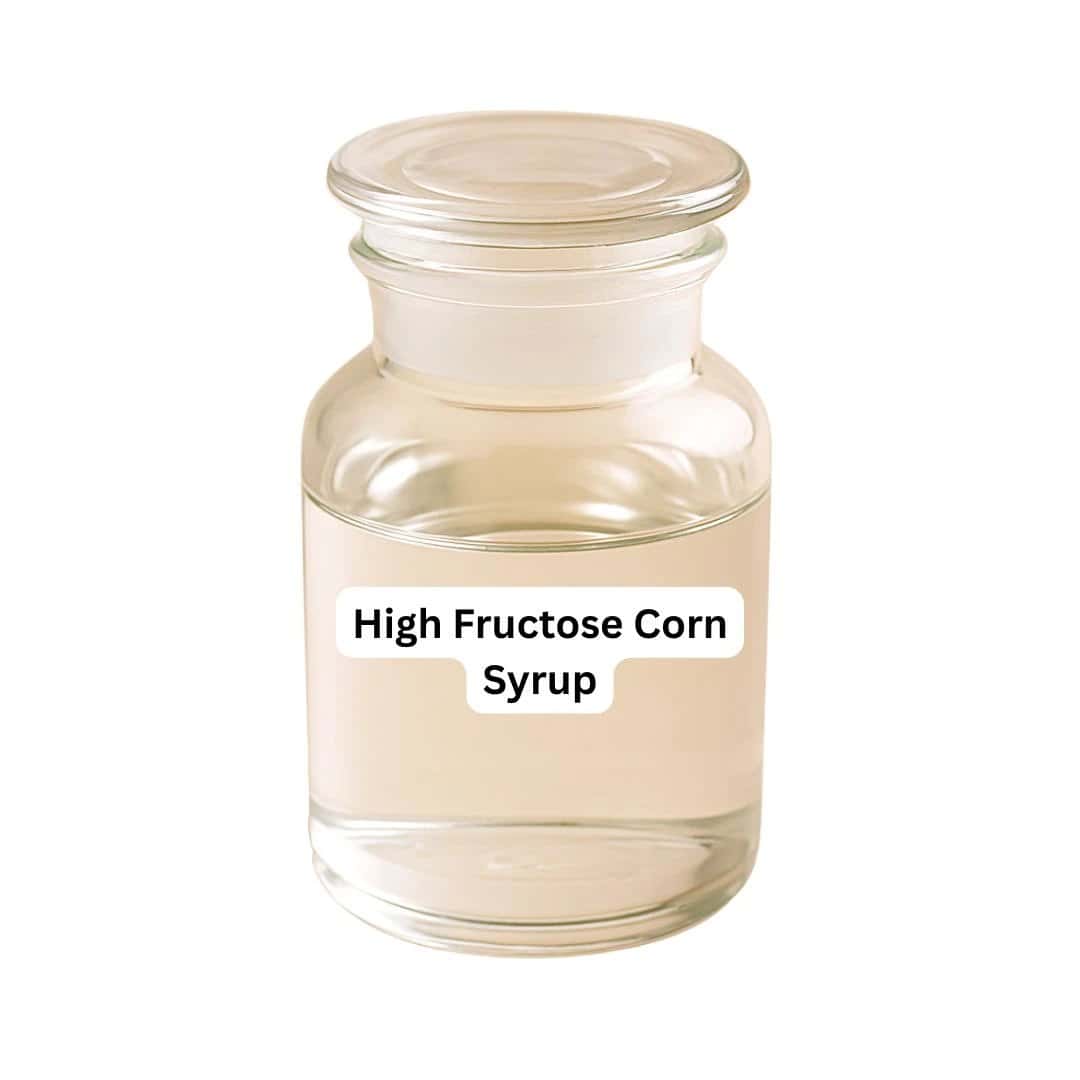 SweetenersHFCS 42 vs HFCS 55: Composition, Uses and LabellingHFCS 42 and HFCS 55 differ in fructose content, solids, sweetness, typical use, EU name and HS subheading. A side-by-side guide for buyers of high-fructose syrup.Read guide

Request a quotation
Need Thaumatin or Other Sweeteners?
Tell us your product, specification, quantity and destination. ANUTIDA replies with packaging options and a written quotation.