Buyers often see "glucose" on both a drum of syrup and a bag of white crystals. The two are related, since both come from hydrolysed starch, but they are different products with different legal definitions, physical forms and jobs in a recipe. Ordering one when the formulation needs the other leads to failed trials or rejected lots. This guide compares glucose syrup and dextrose on the points that matter to procurement and production.
The short answer
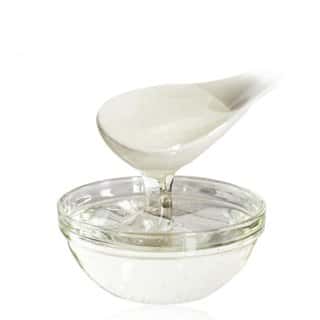
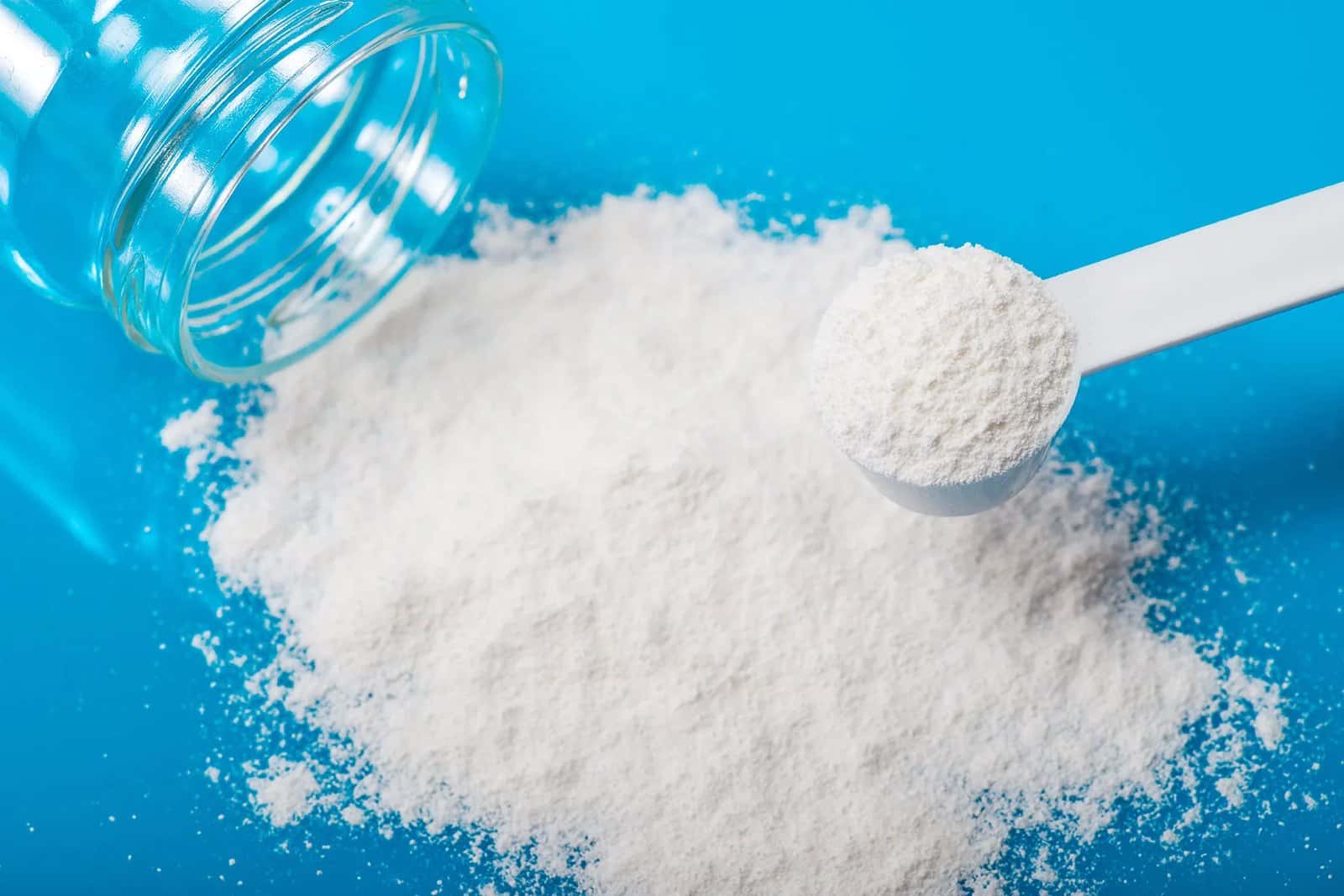
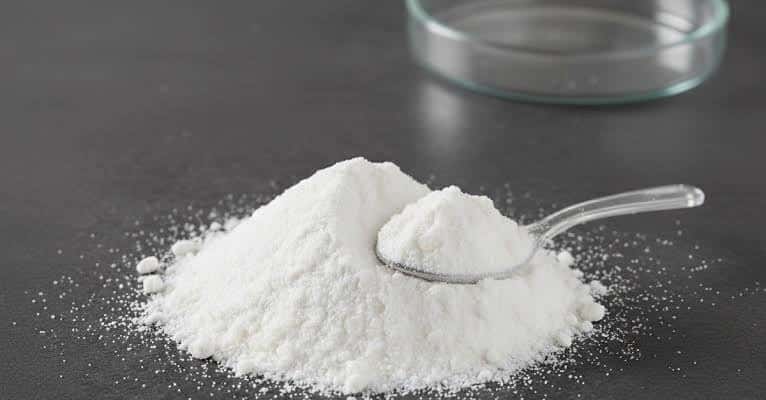
Glucose syrup is a purified, concentrated solution of several saccharides, namely glucose, maltose and longer glucose chains, with a dextrose equivalent (DE) of at least 20 and at least 70% total solids. Dextrose is purified, crystallised D-glucose with at least 99.5% D-glucose on a dry basis, sold as a monohydrate or anhydrous powder. Glucose syrup stops partway along the starch-to-glucose path. Dextrose is the end point, refined and crystallised.
Side-by-side comparison
| Parameter | Glucose syrup | Dextrose |
|---|---|---|
| Definition (Codex CXS 212-1999) | Purified, concentrated aqueous solution of nutritive saccharides from starch | Purified, crystallised D-glucose (monohydrate or anhydrous) |
| Composition | Glucose, maltose and higher saccharides; profile depends on DE | ≥ 99.5% D-glucose, dry basis |
| Dextrose equivalent | ≥ 20 (literature range for starch syrups roughly 20–75) | About 100 |
| Total solids | ≥ 70% | ≥ 90% (monohydrate) / ≥ 98% (anhydrous) |
| Sulphated ash, dry basis | ≤ 1.0% | ≤ 0.25% |
| Sulphur dioxide (Codex) | ≤ 20 mg/kg; ≤ 400 mg/kg for sugar confectionery use | ≤ 15 mg/kg |
| Physical form | Viscous syrup | Crystalline powder |
| Sweetness vs sucrose | Increases with DE | ≈ 0.7 |
| US standard of identity | 21 CFR 168.120 | 21 CFR 168.110 / 168.111 |
| EU ingredient name | "Glucose syrup" | "Dextrose" |
| HS subheading | 1702.30 | 1702.30 |
How each is made
Both start the same way. Starch, usually corn or tapioca, is gelatinised in water and hydrolysed with acid, enzymes or both. For glucose syrup, hydrolysis is stopped at a target DE. The liquor is then refined and evaporated to syrup solids, leaving a mixture whose glucose, maltose and higher-saccharide balance depends on the process. For dextrose, hydrolysis is taken to completion so the liquor is almost entirely glucose, which is then refined, crystallised and dried. US regulations describe corn syrup as a product of partial hydrolysis and dextrose (corn sugar) as one of complete hydrolysis followed by crystallisation.
How they behave in a formulation
- Sweetness: dextrose is about 0.7 times as sweet as sucrose. The sweetness of glucose syrup depends on its DE and is lower at low DE.
- Crystallisation control and body: lower-DE glucose syrups have more viscosity, binding power and anti-crystallising power. That is why confectioners use them to stop sucrose graining in hard candy and toffee. Dextrose is itself a crystallising sugar and does not perform this role.
- Browning and fermentation: these rise with DE. Dextrose (DE about 100) gives the strongest browning and is readily fermented by yeast, while low-DE syrups contribute less.
- Water and hygroscopicity: glucose syrup brings water with it (at least 70% solids means up to about 30% water), so it suits wet processes. Dextrose suits dry blends, tablets and powders.
- Handling: syrup needs tanks and pumps suited to viscous liquids. Dextrose is handled in bags and dosed by weight.
When glucose syrup is the right choice
- Sugar confectionery where crystallisation must be controlled, such as hard candy, toffee, fudge and jellies (confectionery)
- Ice cream and frozen desserts, where it adds smoothness and limits sandy texture (dairy)
- Jams, fruit preparations and sauces that need body, gloss and lower water activity (food manufacturing)
- Soft baked goods and bars, where moisture retention matters (bakery)
When dextrose is the right choice
- Dry mixes, powdered beverages and compressed tablets, where a free-flowing crystalline sugar is needed (beverage)
- Yeast-raised bakery products, where a readily fermentable sugar is wanted
- Recipes that need glucose itself, as distinct from a glucose-polymer mixture, such as fermentation media and specific nutritional formulations
- Formulations where a mild sweetness of about 0.7 times sucrose is preferred over full sugar sweetness
Labelling and regulatory points
Neither product is a food additive, so neither has an INS or E number. Under EU Regulation 1169/2011, glucose syrup is declared as "glucose syrup" and either form of dextrose as "dextrose". Wheat-based glucose syrups, including dextrose, are excluded from the EU cereal-allergen entry. In the US, both have standards of identity in 21 CFR Part 168, and the corn-derived products are affirmed GRAS (21 CFR 184.1865 and 184.1857). If a glucose syrup contains more than 5% fructose on a dry basis, Codex and EU rules require a name that reflects it, and the product then belongs with high-fructose syrups.
Buying either product through ANUTIDA
In Thailand, tapioca starch is the main raw material for glucose syrups, according to the Thai Tapioca Starch Association. Dextrose and glucose syrup are also traded from corn-based origins. ANUTIDA states the feedstock and origin of each lot in the quotation. For glucose syrup, specify the DE range, solids or Brix, sulphur dioxide limit and packaging (drums, IBCs, flexitank or tanker). For dextrose, specify the form, grade, granulation and bag size. The difference between the two dextrose forms is covered in dextrose monohydrate vs anhydrous.
Frequently asked questions
Can I replace glucose syrup with dextrose one-for-one?
Usually not. Dextrose is sweeter than most glucose syrups, crystallises rather than preventing crystallisation, and contains almost no water, so solids, sweetness and texture all change. A reformulation trial is needed.
Is liquid glucose the same as glucose syrup?
Yes. Liquid glucose is a common trade name for glucose syrup, the starch hydrolysate syrup with a DE of at least 20.
Do both products come with a Certificate of Analysis?
Yes. Each lot ANUTIDA supplies comes with a Certificate of Analysis against the agreed producer specification.
Sources & references
- Standards bodyStandard for Sugars (CXS 212-1999, amended 2001) — Codex Alimentarius Commission (FAO/WHO)
- RegulatorCouncil Directive 2001/111/EC relating to certain sugars intended for human consumption (consolidated 18.11.2013) — EUR-Lex, European Union
- RegulatorRegulation (EU) No 1169/2011 on the provision of food information to consumers (consolidated 01.04.2025) — EUR-Lex, European Union
- Government21 CFR 168.110 Dextrose anhydrous — US Government Publishing Office / eCFR
- Government21 CFR 168.111 Dextrose monohydrate — US Government Publishing Office / eCFR
- Government21 CFR 168.120 Glucose sirup — US Government Publishing Office / eCFR
- Government21 CFR 184.1857 Corn sugar — US Government Publishing Office / eCFR
- Government21 CFR 184.1865 Corn syrup — US Government Publishing Office / eCFR
- CustomsCustoms Tariff 2026 — Chapter 17, heading 17.02 — Canada Border Services Agency
- ResearchNutrition, Health, and Regulatory Aspects of Digestible Maltodextrins (Crit Rev Food Sci Nutr 2016;56(12):2091–2100) — Hofman DL, van Buul VJ, Brouns FJPH — Taylor & Francis (open access, PMC4940893)
- ResearchThe Influence of Starch Sweeteners on Functional Properties of Cellulose Fat Mimetics (Polymers 2023) — MDPI (open access, PMC10386183)
- ResearchBeyond Sugar: A Holistic Review of Sweeteners and Their Role in Modern Nutrition (Foods 2025), Table 1 — MDPI (open access, PMC12470175)
- Industry bodySweeteners — Corn Refiners Association
- Industry bodyTapioca Utility — multiple uses of tapioca starches — Thai Tapioca Starch Association