High-Intensity Sweeteners
Acesulfame-K Supplier — Acesulfame Potassium (E 950)
Acesulfame potassium (Ace-K, E 950): a heat-stable sweetener about 200 times sweeter than sugar, often used together with other sweeteners.
- Crystalline · PowderForms supplied
- Export from ThailandQuoted on your Incoterm
- COA with every lotSpecification in the quotation
Quick quote
Select a product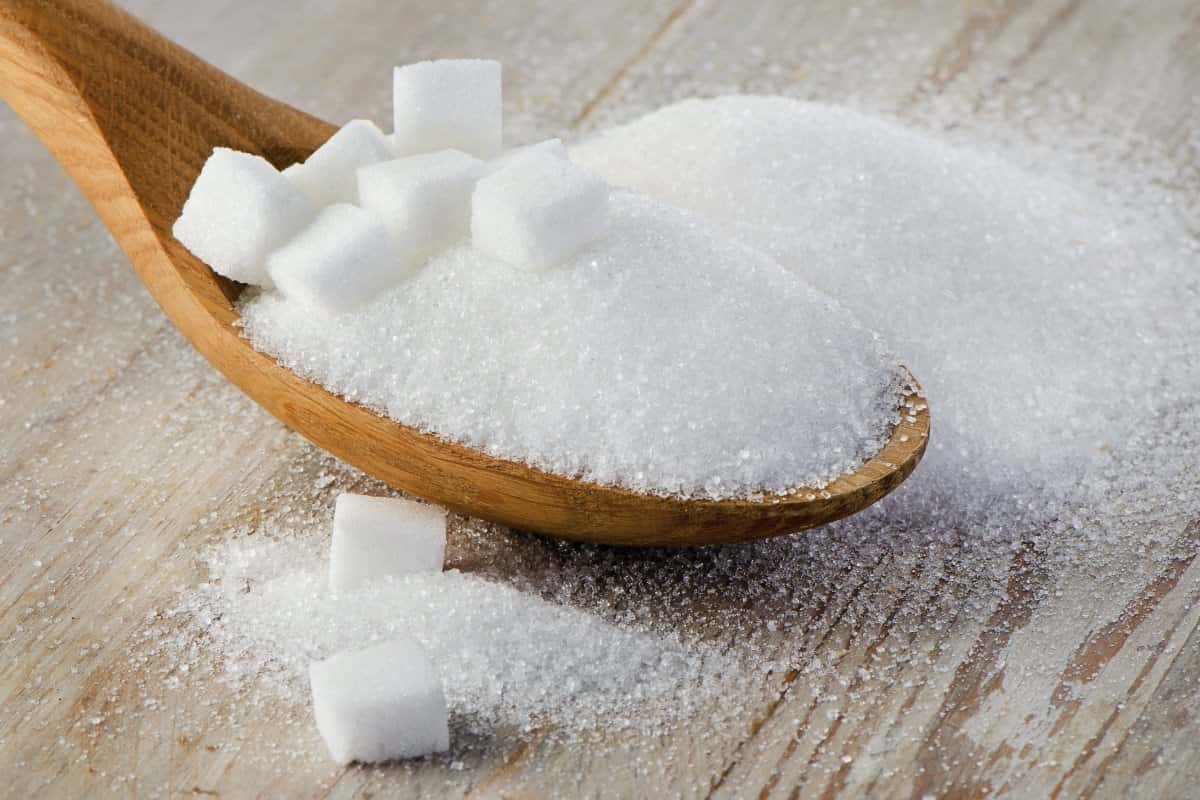 ICUMSA 45 Refined SugarICUMSA 45Quote
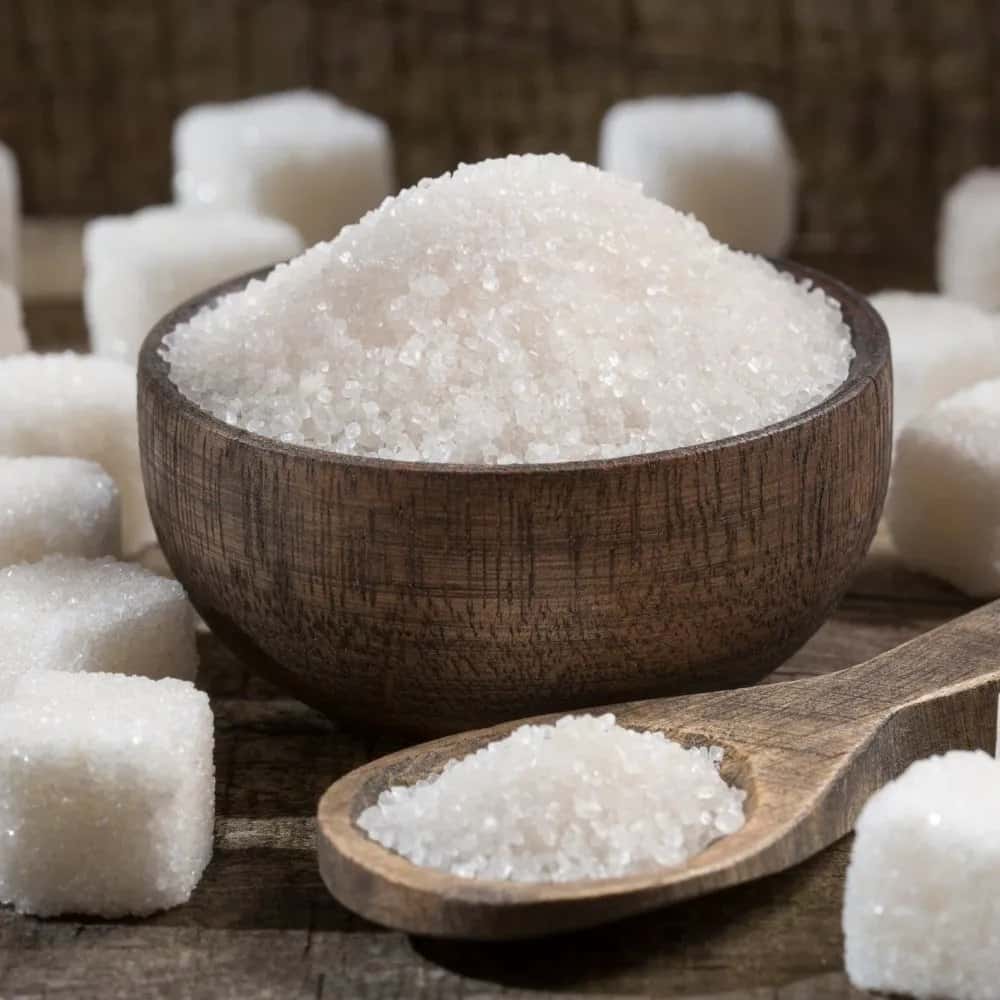 ICUMSA 150 White SugarICUMSA 150Quote
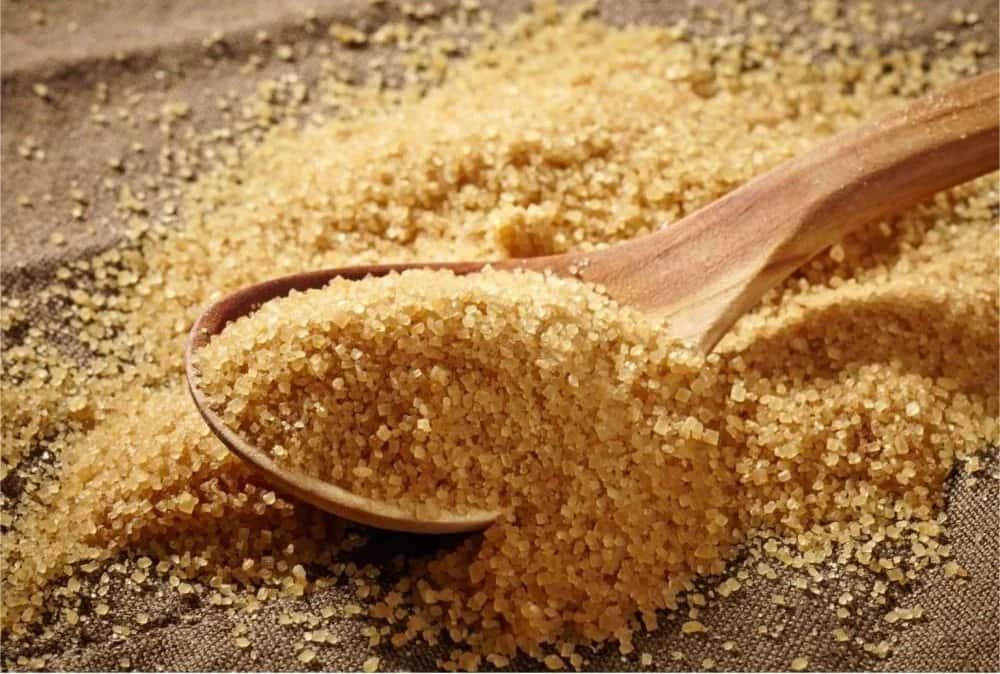 VHP Raw SugarRaw cane sugar sold under the VHP (very high polarisation) labelQuote
 Thai Hi-Pol Raw SugarHigh-polarisation raw cane sugarQuote
 Acesulfame-KHigh-intensity sweetener (potassium salt of an oxathiazinone dioxide)Quote
 SucraloseHigh-intensity sweetener (chlorinated sucrose derivative)Quote
 AspartameHigh-intensity sweetener (dipeptide methyl ester)Quote
 SaccharinHigh-intensity sweetener (benzisothiazolone dioxide and its salts)Quote
- Thailand basedUdon Thani, Thailand
- Ready stockCommercial supply
- Multiple Thai producersBroad product range
- Global exportShipped from Thailand
- Specification supportCOA with every lot
High-Intensity Sweeteners
Acesulfame-K
High-intensity sweetener (potassium salt of an oxathiazinone dioxide)
- Crystalline
- Powder
- E 950
- INS 950
- Assay
- ≥ 99%
- Sweetness
- About 200×
- Moisture
- ≤ 1%
- pH
- 5.5–7.5
Certificate of Analysis with every lot
What is Acesulfame-K?
Acesulfame-K — also written Ace-K, acesulfame K or acesulfame potassium — is the potassium salt of 6-methyl-1,2,3-oxathiazin-4(3H)-one-2,2-dioxide (CAS 55589-62-3). It is identified as INS 950 internationally and E 950 in the EU. The EU specification describes it as an odourless, white crystalline powder roughly 200 times as sweet as sucrose, and the US FDA gives the same figure.
- Beverage
- Dairy
- Confectionery
- Bakery
Key features
- Supplied in crystalline and powder forms
- Food additive identity E 950 / INS 950
- Specification limits from official standards
- Certificate of Analysis with every lot
- Exported from Thailand on your Incoterm
Technical data
Technical specifications
| Parameter | Value | Basis |
|---|---|---|
| Product | Acesulfame potassium, food grade | — |
| INS number | 950 | Standard / official specification |
| EU additive number | E 950 | Standard / official specification |
| CAS number | 55589-62-3 | Standard / official specification |
| Chemical formula / molecular weight | C₄H₄KNO₄S / 201.24 | Standard / official specification |
| Description | Odourless, white crystalline powder | Standard / official specification |
| Assay (anhydrous basis) | ≥ 99%JECFA: 99.0–101.0% on the dried basis. | Standard / official specification |
| Loss on drying (105 °C, 2 h) | ≤ 1% | Standard / official specification |
| pH (1% solution) | 5.5–7.5 | Standard / official specification |
| Organic impurities | Passes test for 20 mg/kg of UV-active components | Standard / official specification |
| Fluoride | ≤ 3 mg/kg21 CFR 172.800 allows ≤ 30 mg/kg. | Standard / official specification |
| Lead | ≤ 1 mg/kg | Standard / official specification |
| Mercury | ≤ 1 mg/kg | Standard / official specification |
| Solubility | Very soluble in water; very slightly soluble in ethanol | Standard / official specification |
| Relative sweetness (sucrose = 1) | About 200× | Typical value (reference) |
| Particle size / mesh | Confirmed per lot on the Certificate of Analysis — contact ANUTIDA for the current specification. | |
| Origin | Confirmed in each quotation | — |
Identity & status
Regulatory identity
| INS number | INS 950 |
|---|---|
| JECFA ADI | 0–15 mg/kg body weight (37th JECFA, 1990) |
| EU status | E 950 — authorised sweetener (Regulation 1333/2008, Annex II Part B); specification in Regulation 231/2012 |
| US status | Food additive, 21 CFR 172.800 — general-purpose sweetener and flavour enhancer in foods except meat and poultry |
| US FDA ADI | 15 mg/kg body weight per day |
| US tariff classification (example) | HTSUS 2934.99.9000 (CBP ruling N246766, 2013) |
Permitted foods and maximum levels differ by market — confirm the rules of your destination country before formulating.
Applications & industries
- Soft drinks and powdered beverages
- Flavoured fermented milk products
- Chewing gum
- Baked goods
- Table-top sweeteners (sugar substitutes)
- Sweetener blends
Packaging, origin and manufacturers
Packaging options

- Packing agreed per order
Packaging format is confirmed in the quotation.
Origin
Stated in the quotation
Each quotation states the origin, producer and specification of the offered lot.
Supplied and exported by ANUTIDA — Udon Thani, Thailand
Manufacturer information
You buy from ANUTIDA. The producer of the offered lot is named in the quotation; state any preferred manufacturer or brand in your request.
Paperwork & shipping
Documentation & export
Each quotation states the specification of the offered product. Export shipments travel with the document set agreed in your contract — typically a commercial invoice, packing list, bill of lading, certificate of origin and a Certificate of Analysis for the lot. List any further documents you need, such as third-party inspection, halal or kosher certificates or a health certificate, and they are confirmed in the quotation. Read how shipping works on the export and logistics pages.
- Minimum order
- Confirmed with quotation
- Lead time
- Confirmed with quotation
- Delivery
- Export from Thailand
Product guide
About Acesulfame-K
Forms and grades
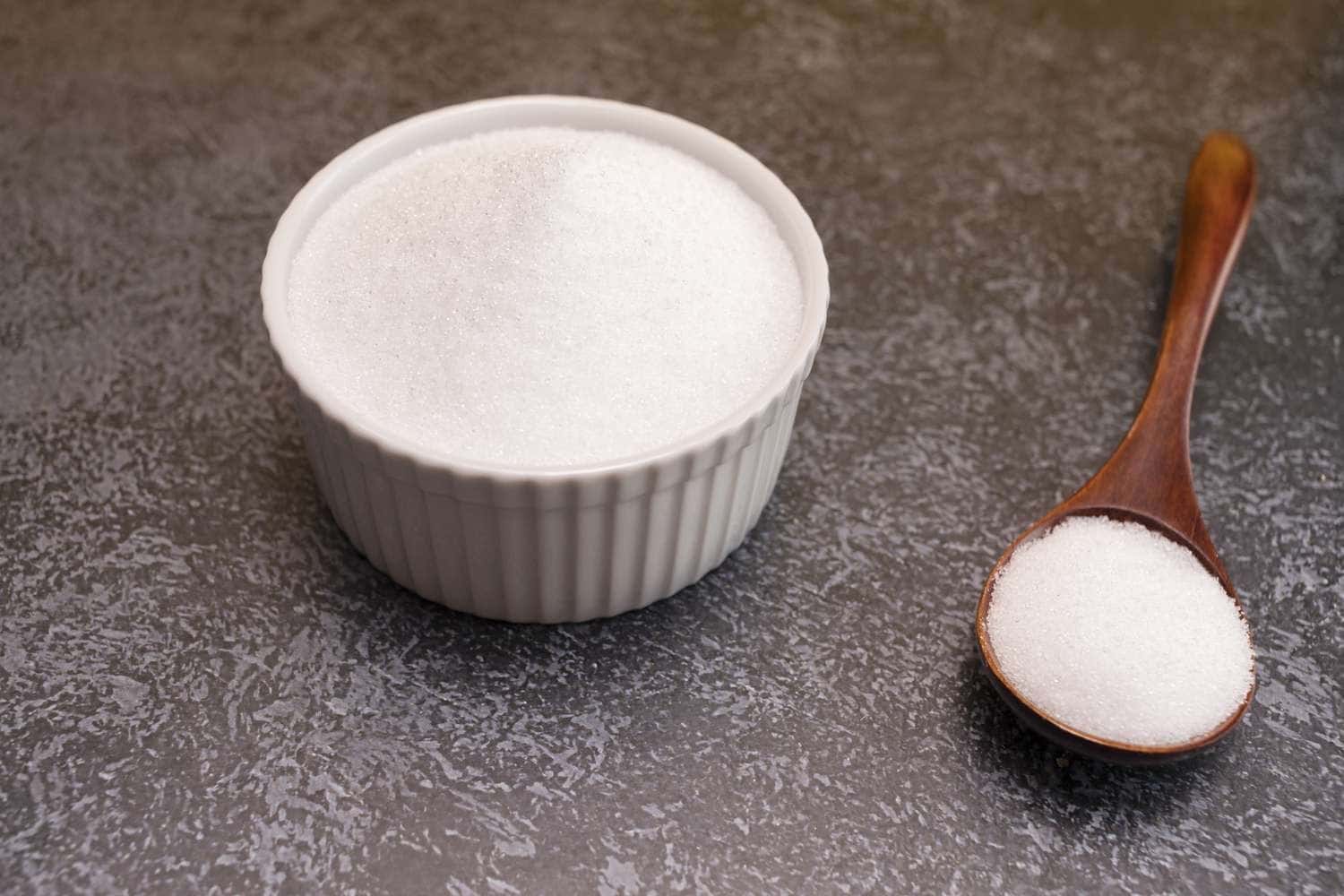
Ace-K is supplied as a crystalline powder. Producers sell it in mesh-graded variants — coarser crystals for free-flowing dry handling and finer powders for dry blends and tablets — with the same identity and purity limits. Particle size is not fixed by JECFA or the EU, so it is agreed per order and reported on the producer’s specification.
Functional properties
- Sweetness: about 200 times sucrose (EU specification; US FDA).
- Heat stability: the FDA describes Ace-K as heat stable and suitable for baked goods.
- Solubility: very soluble in water and very slightly soluble in ethanol (EU specification), so it dissolves easily in beverages and syrups.
- Blending: the FDA notes that Ace-K is often combined with other sweeteners. The EU also authorises a salt made from aspartame and Ace-K, the salt of aspartame-acesulfame (E 962), as a separate additive.
Applications
A US Customs ruling describes Ace-K as a sweetening agent for sugar substitutes, beverages, chewing gums, dietary foods and pharmaceuticals, and the FDA adds baked goods. In the US it is authorised as a general-purpose sweetener and flavour enhancer in foods other than meat and poultry. In the EU, use is set per food category; in flavoured drinks (category 14.1.4), for example, the limit is 350 mg/l, only in energy-reduced drinks or drinks with no added sugar.
Formulation and handling
Like other high-intensity sweeteners, Ace-K is dosed in milligrams per kilogram or litre, so accurate weighing and thorough dispersion matter. It contributes sweetness without bulk; sugar-reduced recipes usually rely on a bulking ingredient alongside it. Store in closed containers in dry conditions and follow the producer’s retest guidance for each lot.
Specification points buyers should check
Official specifications differ slightly. JECFA and the EU both set an assay of at least 99% and fluoride at no more than 3 mg/kg, while 21 CFR 172.800 requires purity of at least 99% on a dry basis but allows fluoride up to 30 mg/kg. JECFA adds a pH range of 5.5–7.5 for a 1% solution. When a product is sold into several markets, specify the strictest applicable reference.
Regulatory identity
Ace-K is an authorised EU sweetener (E 950) under Regulation 1333/2008, with purity criteria in Regulation 231/2012. JECFA allocated an ADI of 0–15 mg/kg body weight in 1990. In the US it is listed in 21 CFR 172.800. For customs purposes it is classified as a heterocyclic compound; a US Customs ruling places it under HTSUS 2934.99.9000.
What to specify in your RFQ
- Specification reference (JECFA, EU Regulation 231/2012 or 21 CFR 172.800 / FCC) — note the different fluoride limits.
- Mesh grade or particle size.
- Quantity, packaging and destination market.
- Documents required with each lot (COA and any market-specific certificates).
Buyer questions
Acesulfame-K FAQ
Is Ace-K the same as acesulfame potassium?
Yes. Ace-K, acesulfame K and acesulfame potassium are names for the same additive, INS 950 / E 950.
How sweet is acesulfame-K?
About 200 times sweeter than sucrose, according to both the EU specification and the US FDA.
Which specification applies?
Lots are quoted against JECFA, EU Regulation 231/2012 or FCC as agreed in the quotation. JECFA and the EU limit fluoride to 3 mg/kg; 21 CFR 172.800 allows 30 mg/kg. Each lot ships with a Certificate of Analysis.
How do I order acesulfame-K from ANUTIDA?
Send an RFQ with the specification, mesh grade, quantity, destination and Incoterm via Request a Quote. Packaging, minimum order quantity and lead time are confirmed with the quotation.
Last updated 6 October 2026
Related supply
Other Sweeteners You May Be Interested In
- SweetenerSucraloseHigh-intensity sweetener (chlorinated sucrose derivative)SpecificationView specification
- SweetenerAspartameHigh-intensity sweetener (dipeptide methyl ester)SpecificationView specification
- SweetenerSaccharinHigh-intensity sweetener (benzisothiazolone dioxide and its salts)SpecificationView specification
 SweetenerNeotameHigh-intensity sweetener (N-alkylated aspartame derivative)SpecificationView specification
Knowledge Center
Related Articles & Resources
- SweetenersSugar Alcohols vs High-Intensity Sweeteners: How They DifferPolyols replace sugar’s bulk and part of its sweetness; high-intensity sweeteners replace sweetness only. Sweetness, use levels, labelling and formulation compared.Read guide
- SweetenersWhat Are Industrial Sweeteners? A Buyer’s Map of the Five FamiliesPolyols, high-intensity, natural, starch-based and specialty sweeteners do different jobs. How the five families differ in function, sweetness, form and regulatory identity.Read guide
 SweetenersDextrose Monohydrate vs Dextrose AnhydrousBoth forms are at least 99.5% D-glucose on a dry basis. The difference is one molecule of crystal water, which changes total solids, dosage and moisture behaviour.Read guide
 SweetenersErythritol vs Xylitol: A Technical Comparison for BuyersErythritol and xylitol are the two crystalline, strongly cooling polyols. They differ in how they are made, how sweet they are and where the law lets you use them.Read guide

Request a quotation
Need Acesulfame-K or Other Sweeteners?
Tell us your product, specification, quantity and destination. ANUTIDA replies with packaging options and a written quotation.