ANUTIDAThai Sugar · Export — home page

Industries

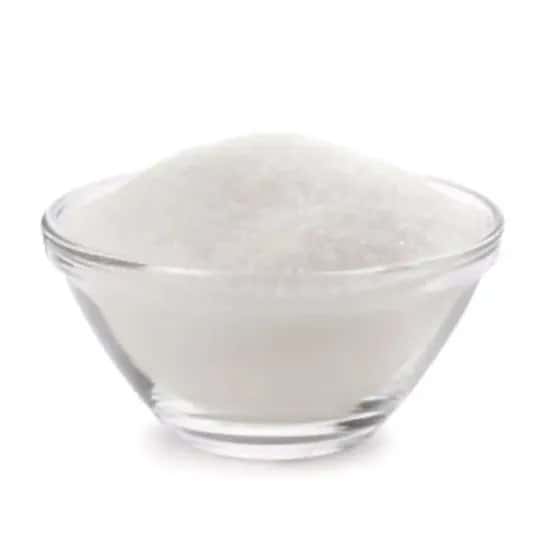
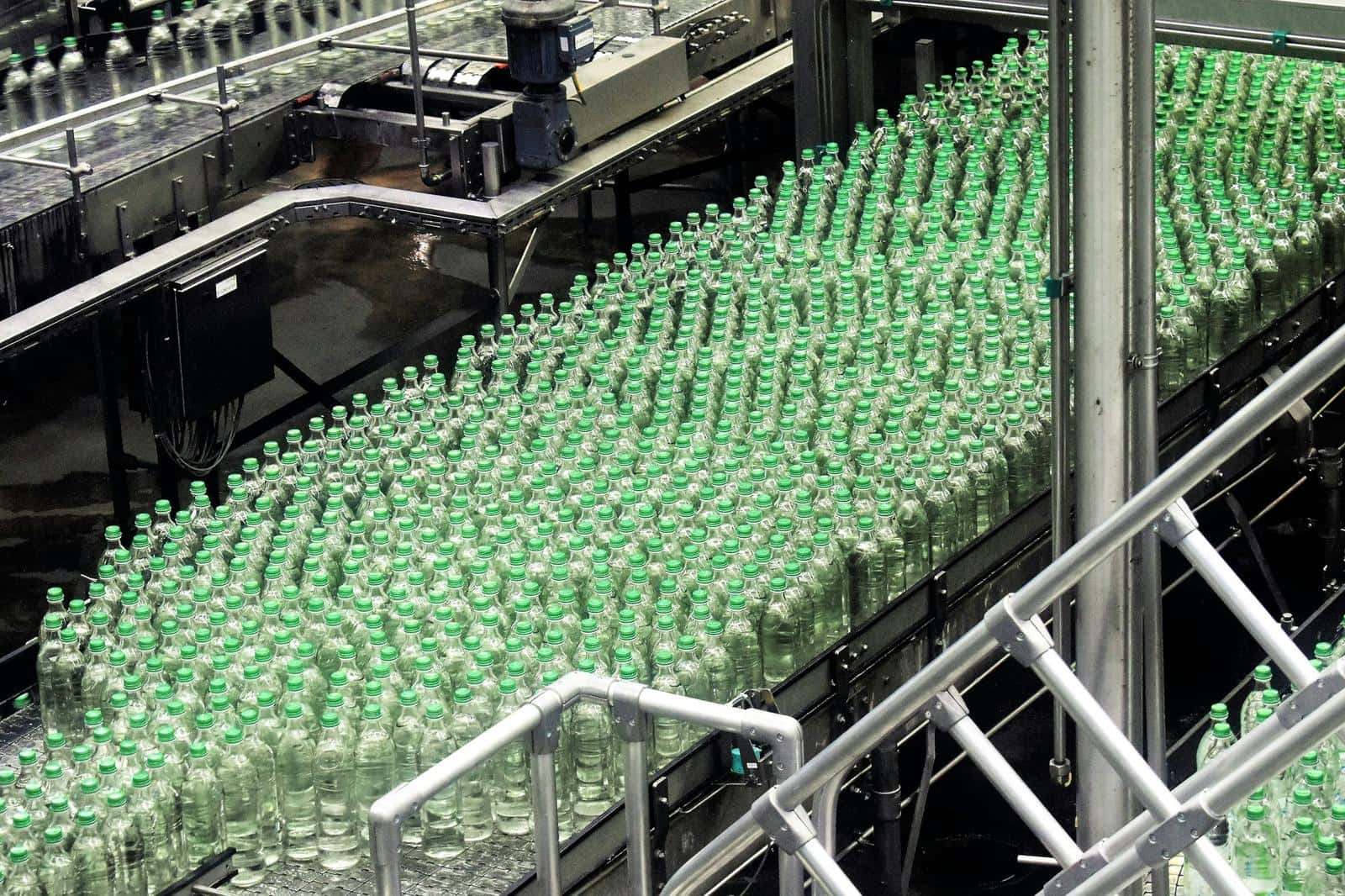
Sugar & Sweeteners for Beverage Manufacturing

Beverages are the largest industrial use of sugar in Thailand and the most demanding on colour, clarity and odour. ANUTIDA supplies the low-colour crystal and liquid sugars bottlers dissolve every day, plus the high-intensity and bulk sweeteners used to rebalance recipes.

What a beverage plant needs from sugar

In a drink, sugar dissolves completely, so the crystal's job ends in the syrup room — but anything it carries in ends up in the bottle. Four properties decide the grade:

  • Colour — low-colour sugar keeps clear and lightly coloured drinks bright. The Thai refined class is 0–45 ICUMSA units at ≥ 99.80 °Z.
  • Clean taste and odour — sugar picks up foreign odours very easily, so storage and container hygiene matter as much as the specification sheet.
  • Dissolving — liquid sugar removes the dissolving step altogether, which is why Thai producers position it for carbonated and energy drinks.
  • Body and mouthfeel — at the 5–10% used to sweeten drinks, sugar raises viscosity and gives mouthfeel. When sugar is cut and sweetness comes from high-intensity sweeteners, other ingredients are often needed to restore body.

Thai bottlers use both refined and white sugar: in 2025 OCSB recorded 175,654 t of refined and 151,792 t of white sugar used by non-alcoholic beverage makers (published by USDA).

Which sugar for which drink

Sugar products for beverage applications
ProductTypical useNotes
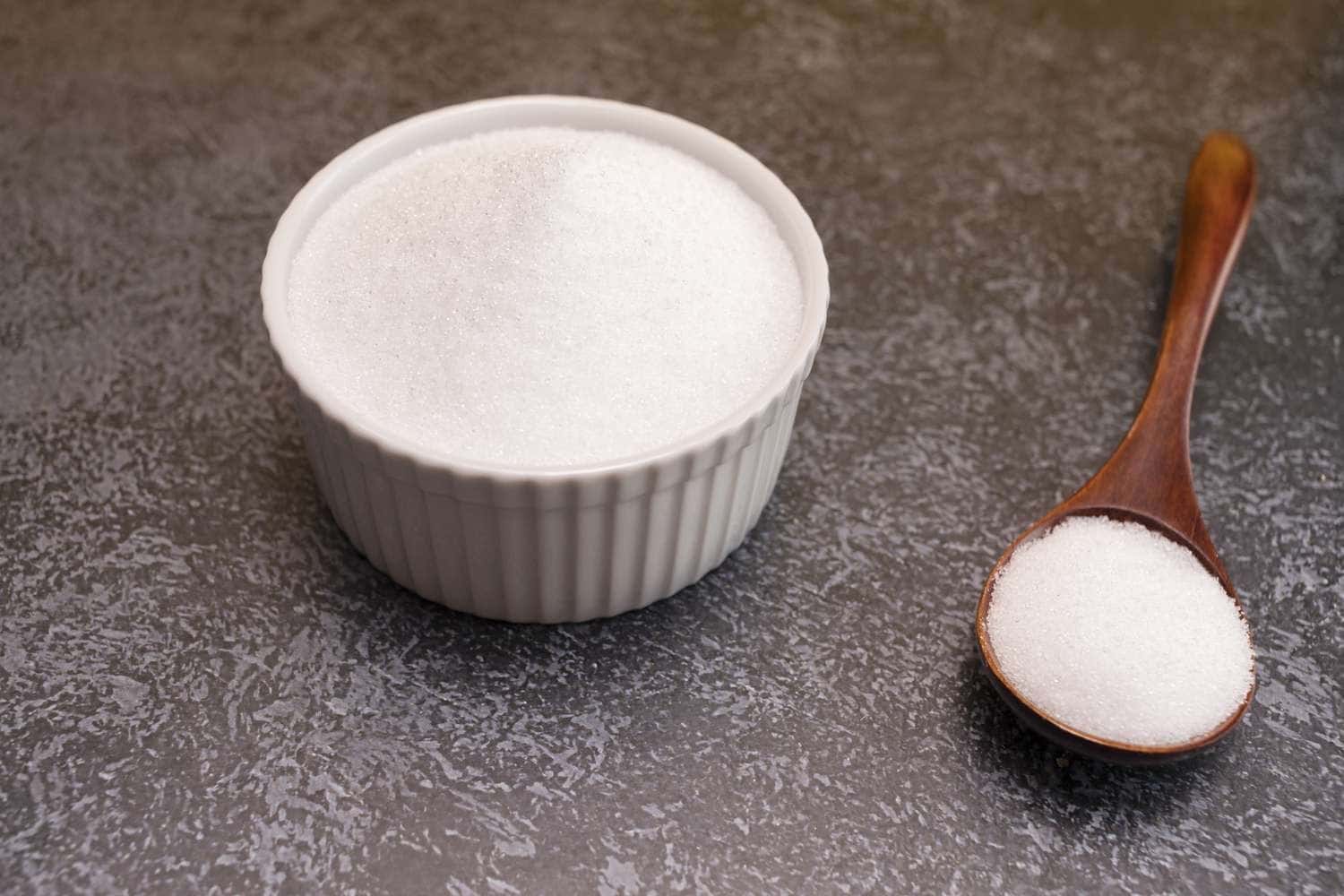
ICUMSA 45 refined sugarCarbonated soft drinks, clear and flavoured waters, energy drinksLowest colour; the international reference is the ICE White Sugar contract (pol ≥ 99.8°, moisture ≤ 0.06%, colour ≤ 45 IU)
Liquid sucroseHigh-volume bottling lines within tanker rangeEU “sugar solution”: ≥ 62% dry matter, invert ≤ 3% of dry matter, colour ≤ 45 IU
Invert sugar syrupSyrups, cordials and concentrates needing high solidsSucrose split into glucose and fructose, so it stays liquid at higher solids; EU “invert sugar syrup” has more than 50% invert in dry matter
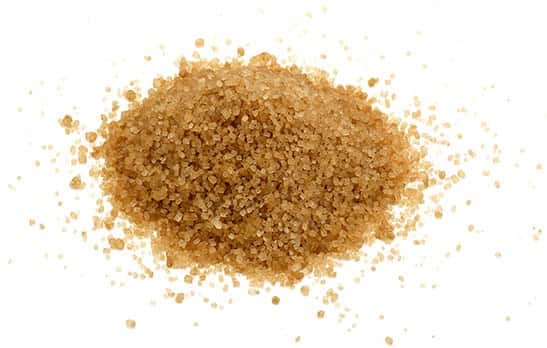
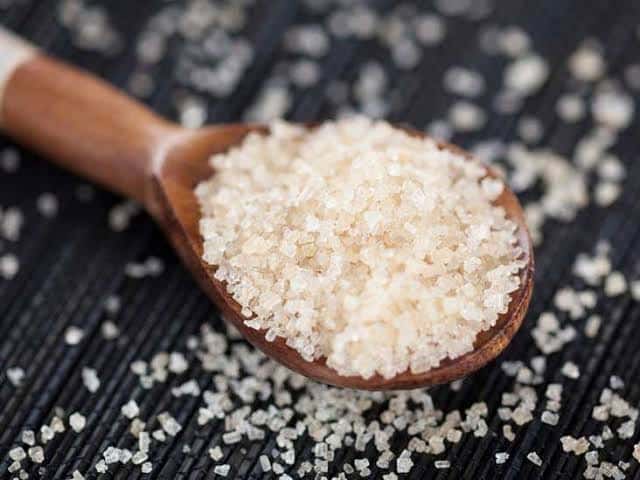
ICUMSA 100 / ICUMSA 150 white sugarTea, coffee, malt and other coloured drinksThai white grade 1 (46–200 IU); the drink's own colour hides the difference
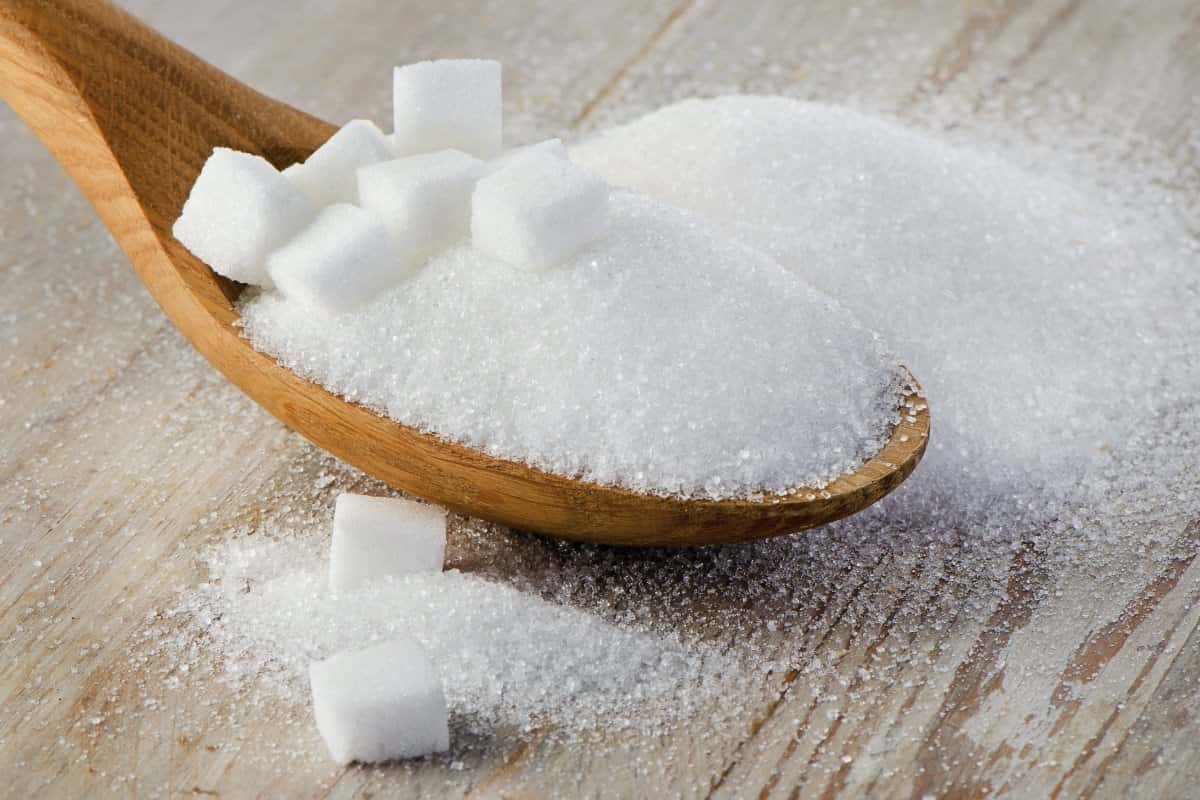
Fine-grain caster sugarPowdered drink mixes, cafés and small-batch dissolvingSmall crystals dissolve quickly
Sugar products for beverage applications.

Sweeteners in reduced-sugar drinks

Thailand taxes non-alcoholic drinks by sugar content. Since phase IV began on 1 April 2025, drinks below 6 g of sugar per 100 ml are exempt and the rate rises in steps to 5 baht per litre at 10 g per 100 ml and above; USDA reports the Excise Department's view that manufacturers have reached a practical reformulation ceiling of about 7.3–7.5 g per 100 ml. More than 40 countries tax sugar-sweetened beverages, so many buyers now specify sugar and sweeteners together:

  • High-intensity sweeteners — the FDA describes sucralose as about 600 times and acesulfame K and aspartame as about 200 times sweeter than sugar. Sucralose and acesulfame K are heat-stable; aspartame loses sweetness when heated, so process temperature matters.
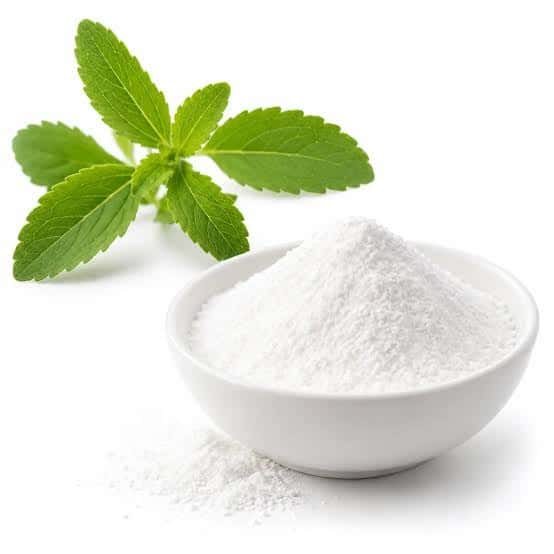
  • Steviol glycosides and monk fruit extract — 200–400 and 100–250 times sweeter than sugar respectively (FDA). Purified steviol glycosides are a different product from stevia leaf or crude extracts, which are not permitted as sweeteners in the US.
  • Polyols — in the EU, polyols are not authorised in flavoured drinks, except erythritol (E 968) up to 16,000 mg/l in energy-reduced or no-added-sugar drinks, as a flavour enhancer only. Check the destination's additive rules first.
  • Labels — EU rules require “with sugar(s) and sweetener(s)” next to the product name when both are used, and a phenylalanine statement where aspartame is present.

Specifying beverage sugar in an RFQ

RFQ checklist for beverage sugar
ParameterTypical basisWhy it matters
Colour≤ 45 IU (refined), or the white-sugar ceiling you acceptFinished-drink colour and clarity
Polarisation≥ 99.80 °Z (Thai refined class); ≥ 99.7 °Z (Codex white sugar)Sucrose content
Moisture≤ 0.06% (ICE White Sugar contract)Caking in storage
Ash and invert sugarCodex white sugar: conductivity ash ≤ 0.04%, invert ≤ 0.04%Taste and syrup quality
Sulphur dioxideCodex white sugar: ≤ 15 mg/kgTaste and labelling
MicrobiologyState yeast, mould and bacteria limits so they appear on the COASyrup-room hygiene
Liquid sugarDry matter (°Brix), invert %, colour, delivery temperatureDosing accuracy and stability
RFQ checklist for beverage sugar. Codex CXS 212-1999 annex values are for voluntary use between trading partners; your contract specification governs.

Supply format and logistics

Crystal sugar for bottlers ships in 50 kg lined bags or one-tonne jumbo bags; a 20 ft container typically holds about 540 × 50 kg bags (27 t). Liquid sucrose keeps only weeks — one European producer quotes 8 weeks in unopened containers — so it is delivered by road tanker over short distances, while overseas plants normally dissolve ICUMSA 45 crystal sugar on site. Each lot ships with a COA; see how to read a sugar specification and logistics.

Sugar for beverage

Refined Sugar

ICUMSA 45 Refined Sugar

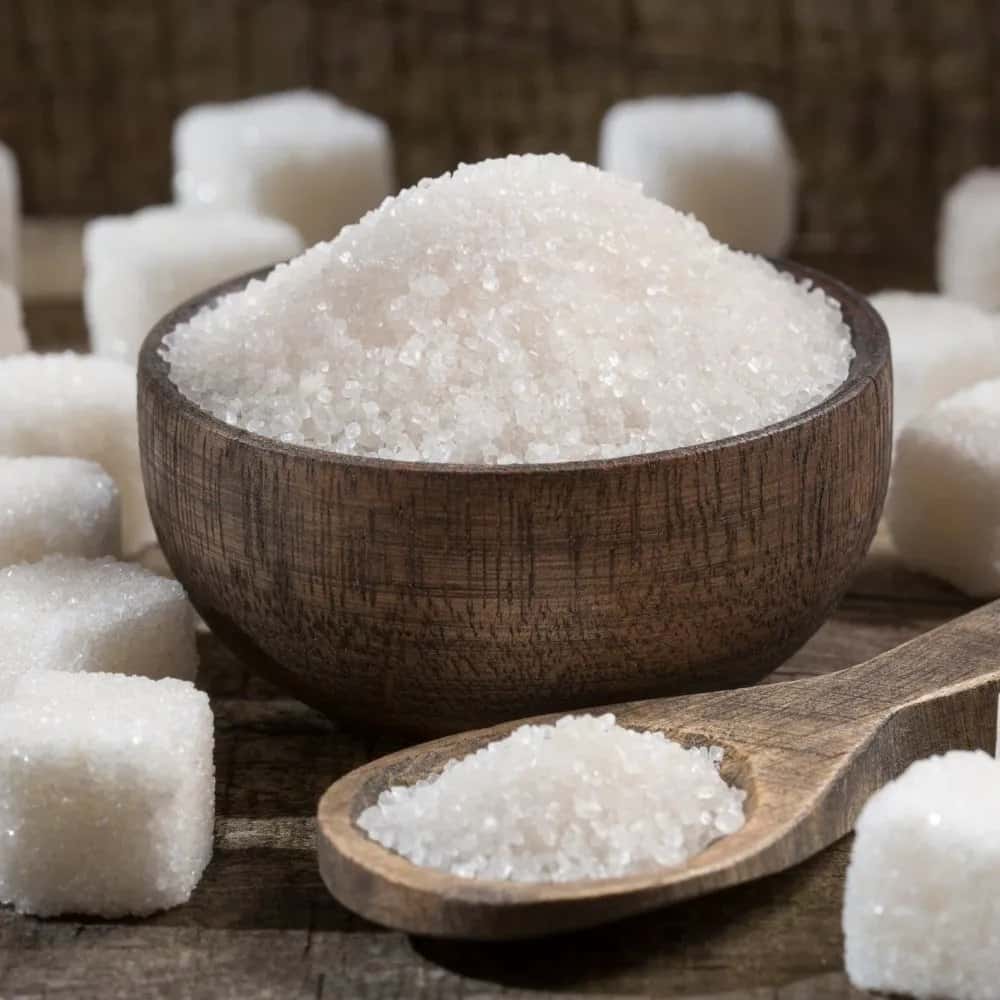
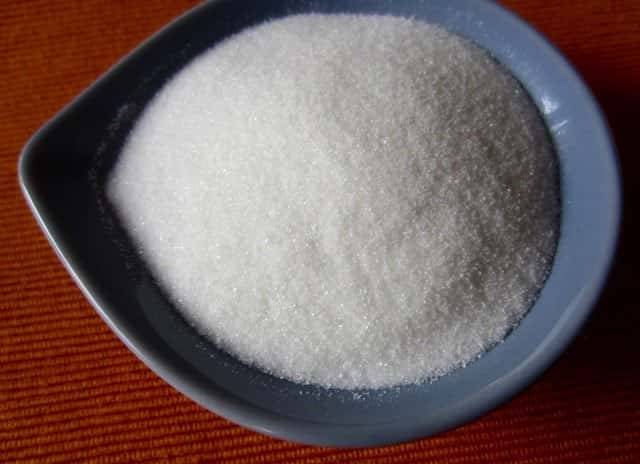
Thai refined cane sugar in the 0–45 IU colour class with pol of at least 99.80 °Z — the quality behind the world white-sugar benchmark — supplied in 50 kg, 25 kg and 1-tonne bags for export.

  • ICUMSA 45
  • Thailand origin
  • Crystalline

Packaging: 50 kg, 25 kg, Jumbo
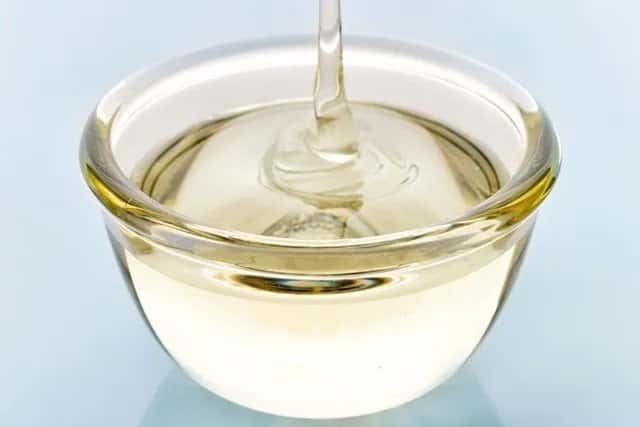
Liquid Sugar

Liquid Sucrose

Thai liquid sucrose — refined-quality sugar dissolved to about 66–68 % solids with colour of 35 IU or less — delivered by road tanker to beverage and food plants.

  • Thailand origin
  • Syrup

Packaging: Tanker

Liquid Sugar

Invert Sugar Syrup

Sucrose syrup partly or largely split into glucose and fructose by acid or enzyme hydrolysis, giving higher solids without crystallising — specified by inversion level against the EU definitions and delivered by tanker.

  • Thailand origin
  • Syrup

Packaging: Tanker

White Sugar

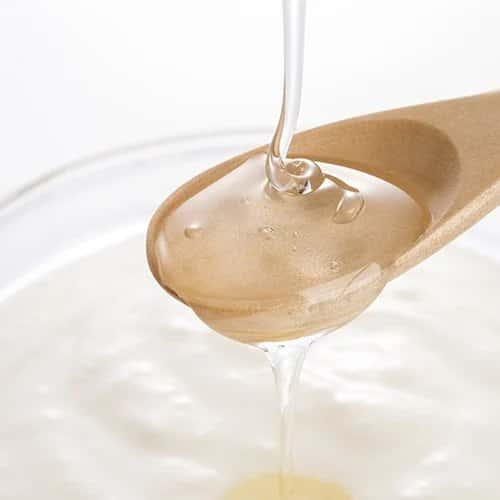
ICUMSA 100 White Sugar

Thai white cane sugar contracted at 100 IU or less — a buyer and producer tier inside Thai white grade 1 for users who want whiter sugar than standard mill white without moving to refined.

  • ICUMSA 100
  • Thailand origin
  • Crystalline

Packaging: 50 kg, 25 kg, Jumbo
White Sugar

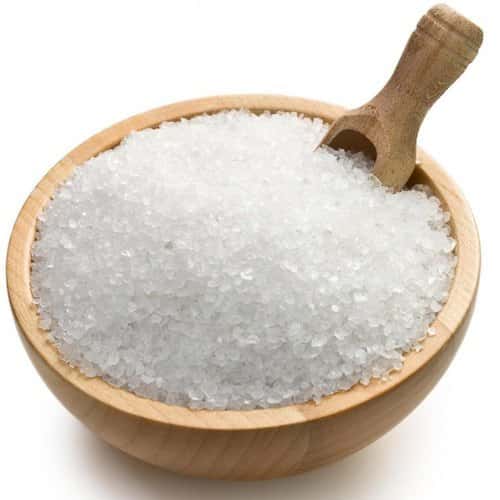
ICUMSA 150 White Sugar

Thai mill white cane sugar held to the Codex plantation-white colour ceiling of 150 IU (pol ≥ 99.5 °Z), inside Thai white sugar grade 1 — bagged for importers, repackers and food manufacturers.

  • ICUMSA 150
  • Thailand origin
  • Crystalline

Packaging: 50 kg, 25 kg, Jumbo
Specialty Sugar

Fine-Grain Caster Sugar

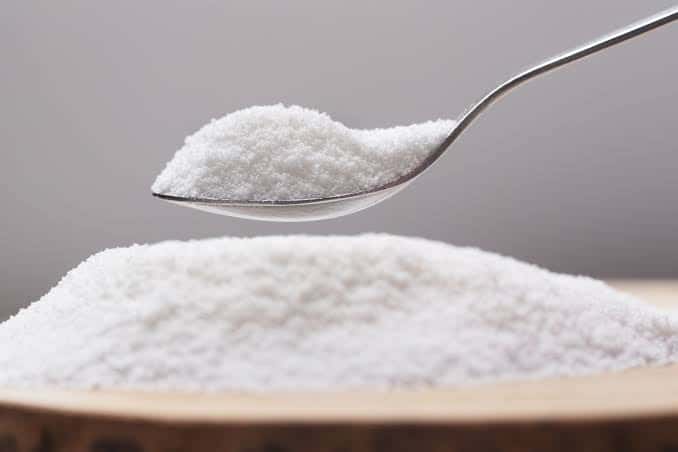
Thai refined or white sugar made to a fine crystal — Thai producers publish grain sizes of 0.40 mm or below — for fast dissolving in bakery, beverages and dry mixes; 25 kg sacks and 1 kg packs.

  • Thailand origin
  • Crystalline

Packaging: 25 kg, 1 kg

Specialty Sugar

Organic Cane Sugar

Cane sugar grown and milled under organic certification in Thailand — defined by its certificate rather than by a colour grade — with organic production recorded at Wangkanai and Thai Roong Ruang group mills.

  • Thailand origin
  • Crystalline

Packaging: 1 kg

Sweeteners for beverage

High-Intensity Sweeteners

Sucralose

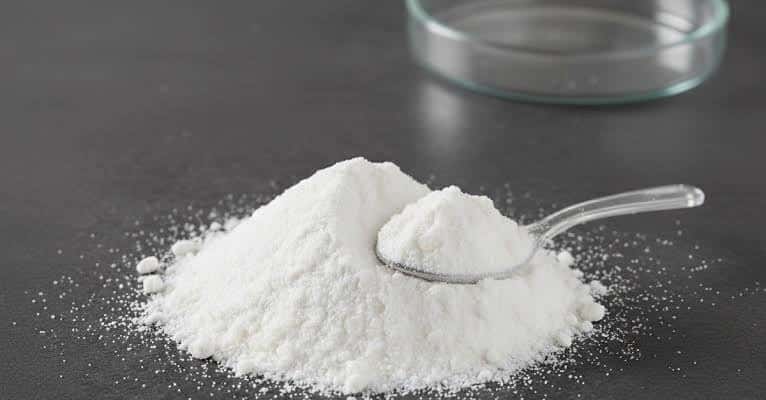
Food-grade sucralose powder (E 955), about 600 times sweeter than sugar per the US FDA, supplied to the JECFA / EU specification with a COA per lot.

  • Powder
  • Granular

Packaging: Fibre drum, 25 kg

High-Intensity Sweeteners

Acesulfame-K

Acesulfame potassium (Ace-K, E 950): a heat-stable sweetener about 200 times sweeter than sugar, often used together with other sweeteners.

  • Crystalline
  • Powder

Packaging: agreed per order

High-Intensity Sweeteners

Aspartame

Aspartame (E 951) in powder and granular grades — about 200 times sweeter than sugar — supplied to the JECFA / EU specification with a COA per lot.

  • Powder
  • Granular

Packaging: Drum, 25 kg

Natural Sweeteners

Steviol Glycosides

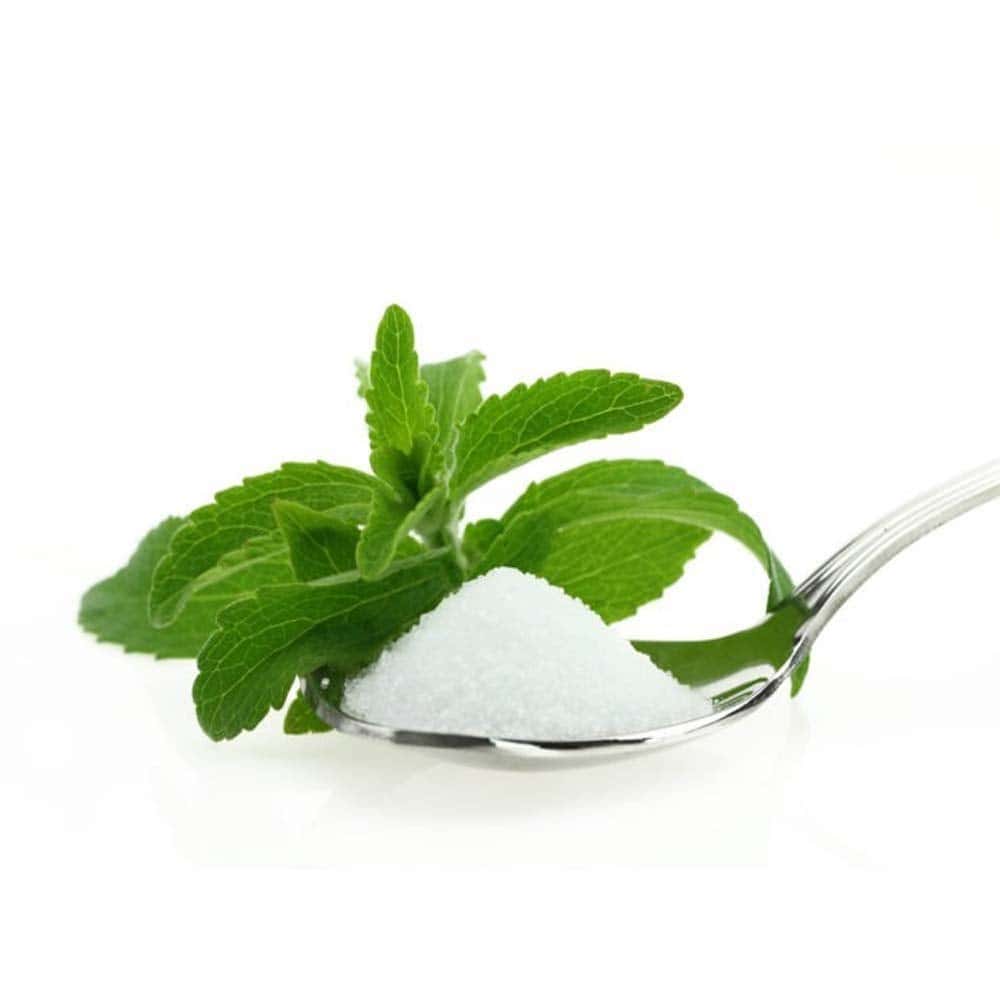
Purified steviol glycosides with ≥ 95 % total glycosides — leaf-extracted (E 960a), fermentation, enzyme-modified and glucosylated grades supplied by ANUTIDA.

  • Powder

Packaging: Fibre drum

Natural Sweeteners

Rebaudioside M (Reb M)

Rebaudioside M, a minor stevia glycoside produced at scale by enzymatic bioconversion or fermentation — supplied by ANUTIDA with the route and specification stated.

  • Powder

Packaging: agreed per order

Natural Sweeteners

Rebaudioside A (Reb A)

Rebaudioside A — the leading single glycoside of the stevia leaf, supplied by ANUTIDA as purified steviol glycoside grades to E 960a / JECFA specification.

  • Powder

Packaging: Fibre drum

Natural Sweeteners

Monk Fruit Extract

Monk fruit (luo han guo) extract powders graded by mogroside V content, and juice concentrate — supplied and exported by ANUTIDA.

  • Powder
  • Extract

Packaging: Fibre drum

Sugar Alcohols & Polyols

Erythritol

Erythritol (E 968), a fermentation-derived polyol, in granular and powder grades quoted against JECFA or EU specifications, for beverage, confectionery and bakery use.

  • Crystalline
  • Granular

Packaging: 25 kg, 20 kg, Jumbo

Starch-Based Sweeteners

High-Fructose Syrup (HFCS)

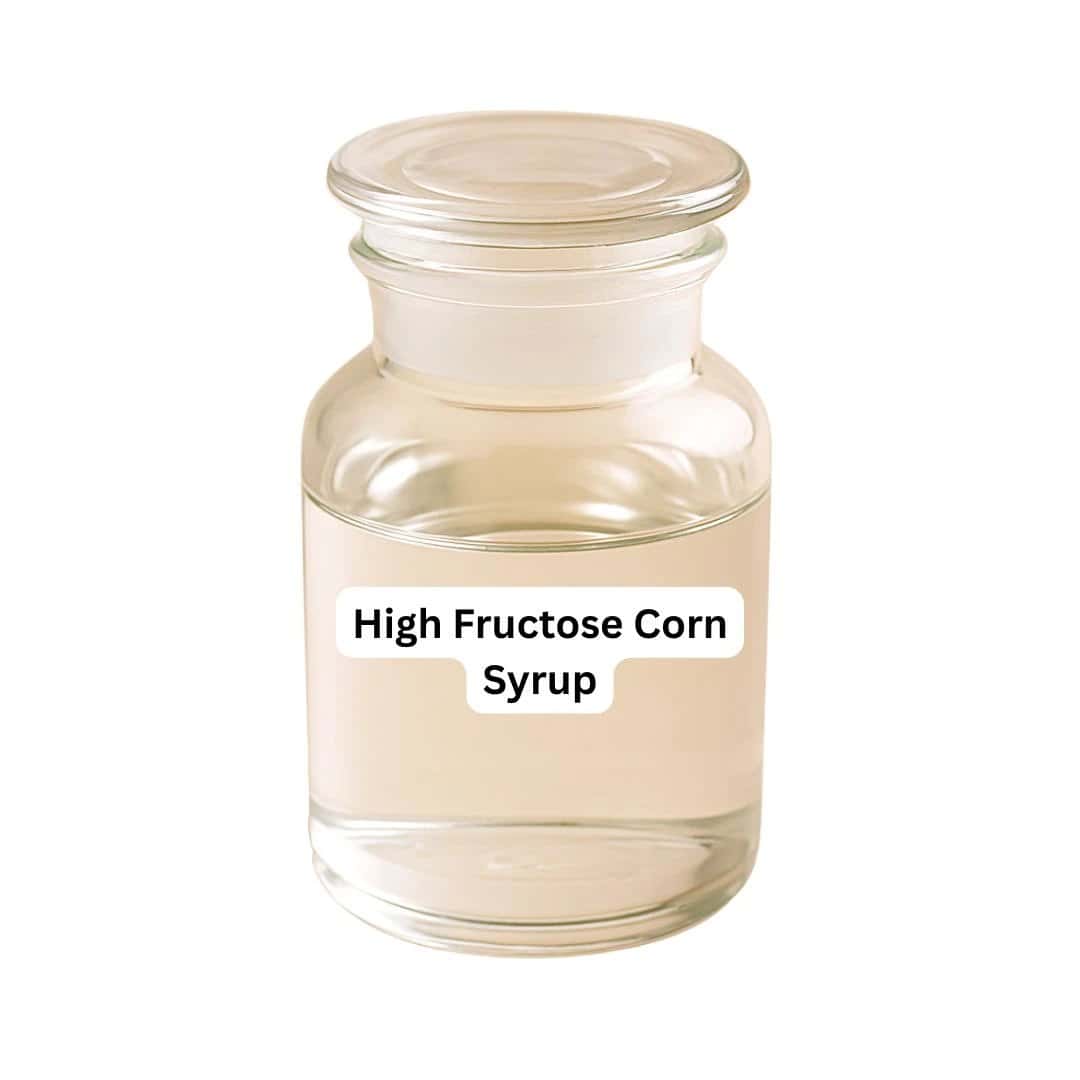
Glucose syrup partly isomerised to fructose: HFCS 42 (≥ 42% fructose, dry) and HFCS 55 (≥ 55%). Made from tapioca or corn starch; quoted by ANUTIDA in bulk liquid formats.

  • Syrup

Packaging: Drum, IBC, Flexitank, Tanker

Starch-Based Sweeteners

Fructose

Purified, crystallised D-fructose with ≥ 98.0% fructose and ≤ 0.5% glucose (Codex CXS 212-1999).

  • Crystalline

Packaging: agreed per order

Starch-Based Sweeteners

Maltodextrin

Starch hydrolysate with DE below 20 (21 CFR 184.1444): a low-sweetness, soluble white powder for bulking and carrying flavours, commonly packed in 25 kg bags.

  • Powder

Packaging: 25 kg

Frequently asked questions

Is ICUMSA 45 always needed for soft drinks?

For clear and lightly coloured drinks, ICUMSA 45 refined sugar is the safe choice. For tea, coffee, malt and other coloured drinks, white sugar of ICUMSA 100–150 is widely used — Thai beverage plants used both grades in 2025.

Which sugar suits a beverage plant outside Thailand?

Liquid sucrose has a short shelf life and is delivered by road tanker, so it suits plants within tanker range — ask about neighbouring countries. For overseas plants we normally quote ICUMSA 45 crystal sugar for dissolving on site. Send your plant location and volume, and the supply format is confirmed in the quotation.

Which high-intensity sweeteners are heat-stable?

According to the US FDA, sucralose, acesulfame K, neotame and advantame stay sweet at high temperatures, while aspartame loses sweetness when heated. Confirm the use is permitted for your drink category in the destination market.

Do you supply stevia leaf or steviol glycosides?

Both are in our natural sweeteners range, and they are different products. For beverages, buyers usually specify purified steviol glycosides (or a named one such as Reb A or Reb M); stevia leaf and crude extracts are not permitted as sweeteners in some markets, including the US.

Request a quotation

Supplying beverage?

Tell us the product, specification, quantity and destination. ANUTIDA's sales desk replies with packaging options and a written quotation.

Request Quote