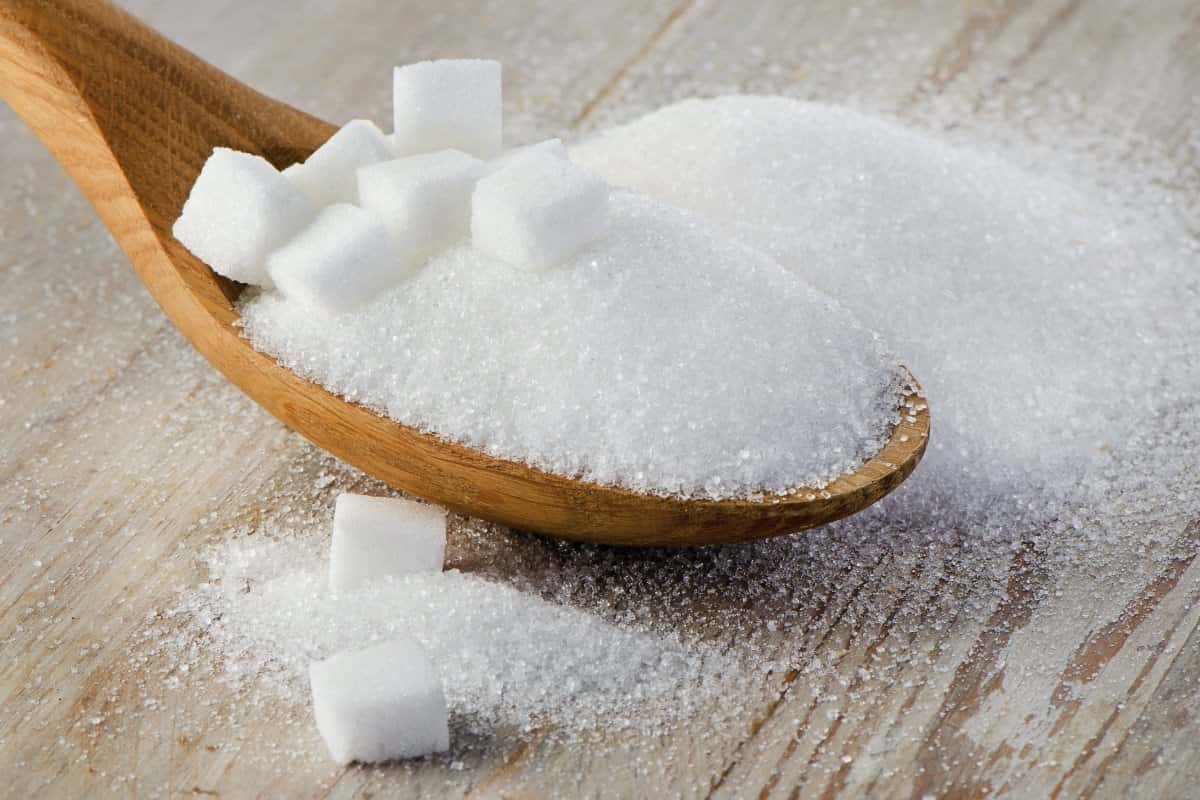
Thai sugar
Refined Sugar Supplier from Thailand
- Thai origin
- Commercial supply
- Published specifications
- Export from Thailand
On this pageRefined Sugar
Products
Refined Sugar products
The highest-purity Thai cane sugar — 0–45 ICUMSA, pol ≥99.80 °Z — supplied and exported by ANUTIDA for beverage, food and pharmaceutical buyers.
Buyer's guide
What refined sugar is
Refined sugar is cane sugar purified twice: first in the mill, then in a refinery, where raw sugar or mill syrup is re-dissolved, clarified, decolourised, filtered and re-crystallised under vacuum before it is dried and conditioned. The result is a free-flowing, almost colourless crystal with very low ash and invert-sugar content. In Thailand the term has a legal meaning. The Cane and Sugar Board's notification on sugar types and quality (B.E. 2564), as reproduced in OCSB's factory-control manual, defines refined sugar (น้ำตาลทรายขาวบริสุทธิ์) as sugar of at least 99.80 °Z polarisation and 0–45 ICUMSA units (IU) of colour.
Internationally the same product trades as ICUMSA 45 sugar. The number is a colour ceiling measured by an ICUMSA method — not a brand, a certificate or a separate standard. The ICUMSA 45 guide explains how it is measured and what an offer should state.
Refined sugar in the Thai industry
Thai mill groups produce refined sugar alongside raw and white sugar, and several run refineries at the mill. OCSB's closing report for the 2025/26 season records 1,681,406 tonnes of refined sugar out of about 12.0 million tonnes of total output (actual weight), up from 1,392,376 tonnes in 2024/25. Refined sugar is produced by mill groups including Mitr Phol, Thai Roong Ruang (TRR), KSL, KTIS, Buriram Sugar and KI Group; see Thai sugar manufacturers for profiles.
Export statistics combine white and refined sugar. According to OCSB data published by USDA, Thailand shipped 3,656,424 tonnes (raw value) of white and refined sugar in calendar 2025, led by Cambodia, the Philippines, Laos, China and Malaysia; USDA notes that Cambodia, the Philippines and Laos import mostly refined sugar for food manufacturing and retail. In Indonesia, where imported refined sugar is reserved for the food and beverage industry, Thailand supplied 57% of refined-sugar imports between May 2025 and February 2026.
How refined sugar is specified
Four references appear again and again in refined-sugar contracts. They agree on a colour ceiling of about 45 IU (Codex is the exception at 60 IU) but differ on the other parameters, so a contract should either name the reference or list every limit directly.
| Reference | Polarisation | Colour | Other limits | Basis |
|---|---|---|---|---|
| Thai refined sugar class | ≥ 99.80 °Z | 0–45 IU | Not set by the notification | Cane and Sugar Board notification (regulation) |
| ICE White Sugar futures | ≥ 99.8° | ≤ 45 IU | Moisture ≤ 0.06% | Exchange contract |
| Codex white sugar | ≥ 99.7 °Z | ≤ 60 IU | Conductivity ash ≤ 0.04%; invert ≤ 0.04%; loss on drying ≤ 0.1% | International standard (annex voluntary) |
| EU standard-quality white sugar | ≥ 99.7 | ≤ 6 points (about 45 IU) | — | EU regulation (1 point = 7.5 IU) |
Beyond colour and polarisation, a complete refined-sugar specification also covers moisture, conductivity ash, reducing sugars, sulphur dioxide where their market regulates it, granulation and microbiology. Name the colour method too: under Refined Sugar Association rules, solution colour is determined by ICUMSA method GS9/1/2/3-8 unless the contract says otherwise.
Buying refined sugar from Thailand
- Specify the limits, not just the label. “ICUMSA 45” fixes colour only. Put polarisation, moisture, ash, reducing sugars and granulation in the contract, each with its test method.
- Agree inspection and documents. Each lot ships with a Certificate of Analysis, and buyers can appoint an independent inspection company to supervise weighing, sampling and container loading. See quality and inspection.
- Check the destination's rules. Some markets define refined sugar by their own colour limit — Indonesia's trade regulation classes refined sugar as 75 IU or lower and restricts who may import it.
- Export formalities. Thai sugar exports need Cane and Sugar Board permission under the Cane and Sugar Act. ANUTIDA arranges the export permits, customs clearance and shipping documents each shipment requires — see sugar export.
Packaging and shipping
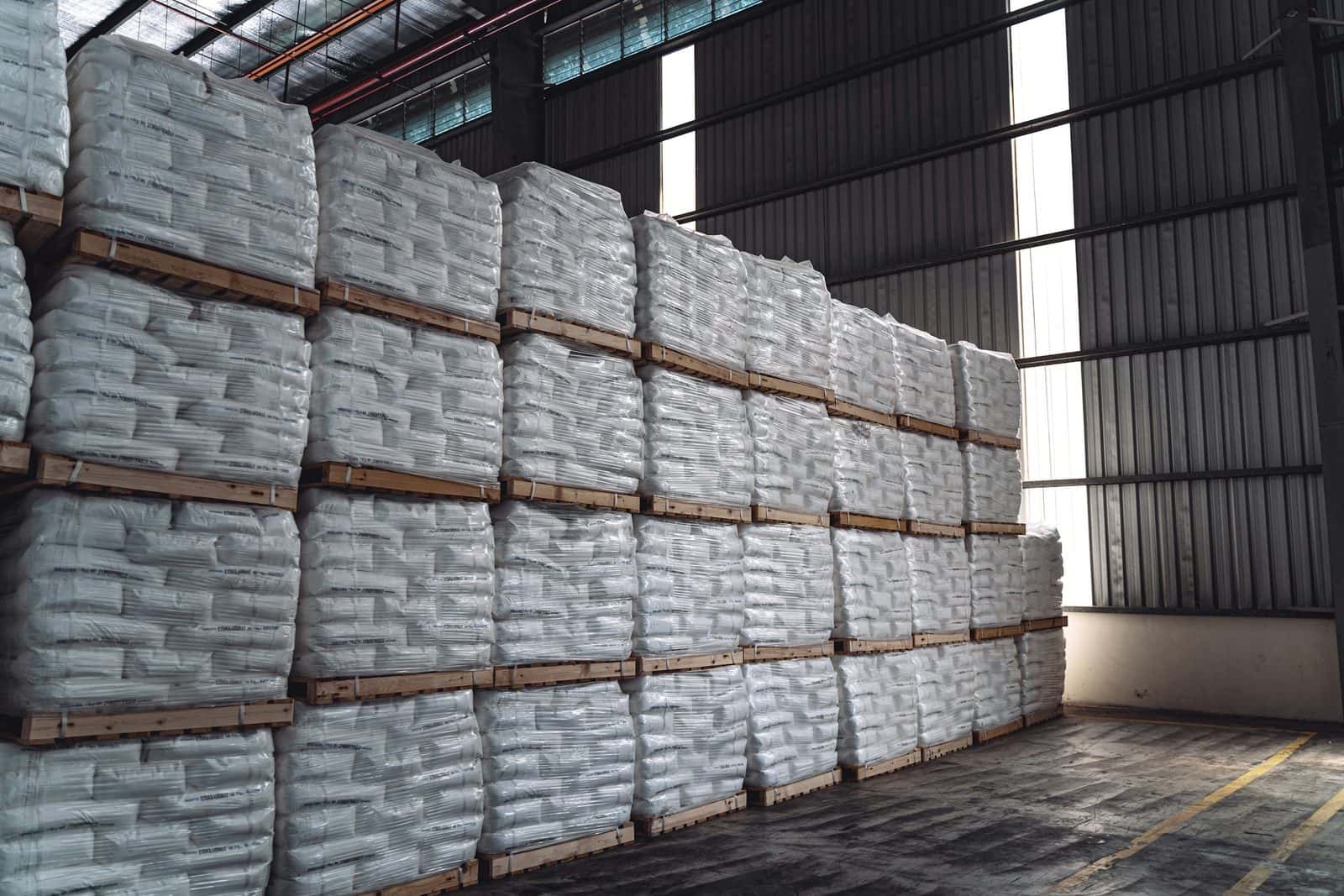
Export refined sugar is packed in new woven polypropylene bags with a polyethylene liner. The ICE White Sugar contract, for which Thailand is a deliverable origin, requires new bags of at least 50 kg net, each with a new liner, marked in English with the product, net weight, origin, crop year, producer and an expiry at least two years after production. Thai producers also document 25 kg bags and 1,000 kg jumbo bags for refined sugar, and retail packs for distribution channels.
Bagged refined sugar normally moves in 20-foot containers: a Brazilian loading guide gives 540 bags of 50 kg (27 tonnes) per TEU, close to the 28,300 kg maximum payload a major carrier publishes for its 20-foot box. Marine cargo guidance recommends storing white sugar at 55–65% relative humidity and away from odorous goods. More in the packaging guide and on our logistics page.
Who uses refined sugar
Refined sugar is chosen where colour, clarity and purity show in the finished product. Thai producers point it at pharmaceuticals, carbonated beverages and energy drinks. In Thailand's own market, OCSB data for 2025 show beverages as the largest industrial user of refined and white sugar (327,446 tonnes), followed by fruit and food products (280,104 tonnes) and dairy (181,896 tonnes). Typical export buyers are beverage, dairy, confectionery and food manufacturers, and the distributors that supply them.
How ordering works
A clear process from enquiry to export.
- 01Define your requirementGrade, quantity, packaging and destination port.
- 02Confirm specificationWe confirm the specification, packing and documents for your market.
- 03Request your quoteA written quotation with specification, origin and delivery terms.
- 04Export coordinationANUTIDA arranges packing, export clearance, loading and shipping documents.
Shipments travel with the document set agreed in your contract — typically a commercial invoice, packing list, bill of lading, certificate of origin and a Certificate of Analysis for the lot. Minimum order and lead time are confirmed with each quotation. See export and logistics.
Thai manufacturers producing refined sugar
ANUTIDA supplies refined sugar made across the Thai sugar industry. Name a preferred mill or brand in your request and the manufacturer is confirmed with each offer.
- Mitr PholSugar products · 8 millsView profile
- Thai Roong RuangSugar products · 10 millsView profile
- KI Sugar GroupSugar products · 2 millsView profile
- KSLSugar products · 5 millsView profile
- KTISSugar products · 3 millsView profile
- Khonburi SugarSugar products · 2 millsView profile
- CristallaSugar products · 3 millsView profile
- WangkanaiSugar products · 4 millsView profile
- Eastern Sugar & CaneSugar products · 2 millsView profile
- TSM GroupSugar products · 2 millsView profile
- Buriram SugarSugar products · 1 millView profile
- Kaset PholSugar products · 1 millView profile
- Mitr KasetSugar products · 2 millsView profile
- Nakornphet SugarSugar products · 1 millView profile
- Rajburi SugarSugar products · 2 millsView profile
Refined Sugar — buyer questions
Quick answers to common questions from international buyers.
Is refined sugar the same as ICUMSA 45?
In practice, yes. Thai refined sugar is defined as 0–45 ICUMSA units and at least 99.80 °Z, and international buyers call it ICUMSA 45. The number describes colour only, so polarisation, moisture and other limits still belong in the contract. See What is ICUMSA 45 sugar?
What is the difference between refined and white sugar in Thailand?
Thai rules separate them by colour and polarisation: refined sugar is 0–45 IU and at least 99.80 °Z, while white sugar grade 1 is 46–200 IU and at least 99.50 °Z. White sugar is made in the mill without a separate refining step. See white sugar.
How is Thai refined sugar packed for export?
Usually in 50 kg woven polypropylene bags with a polyethylene liner, loaded into 20-foot containers. Thai producers also make 25 kg bags and 1,000 kg jumbo bags; state the format you need and ANUTIDA confirms it in the offer.
Can ANUTIDA supply refined sugar to my own specification?
Send your specification with your quotation request. ANUTIDA confirms which limits the offered lot meets before any contract is signed, and each lot ships with a Certificate of Analysis.
Related sugar categories
Knowledge Center
Guides for refined sugar buyers
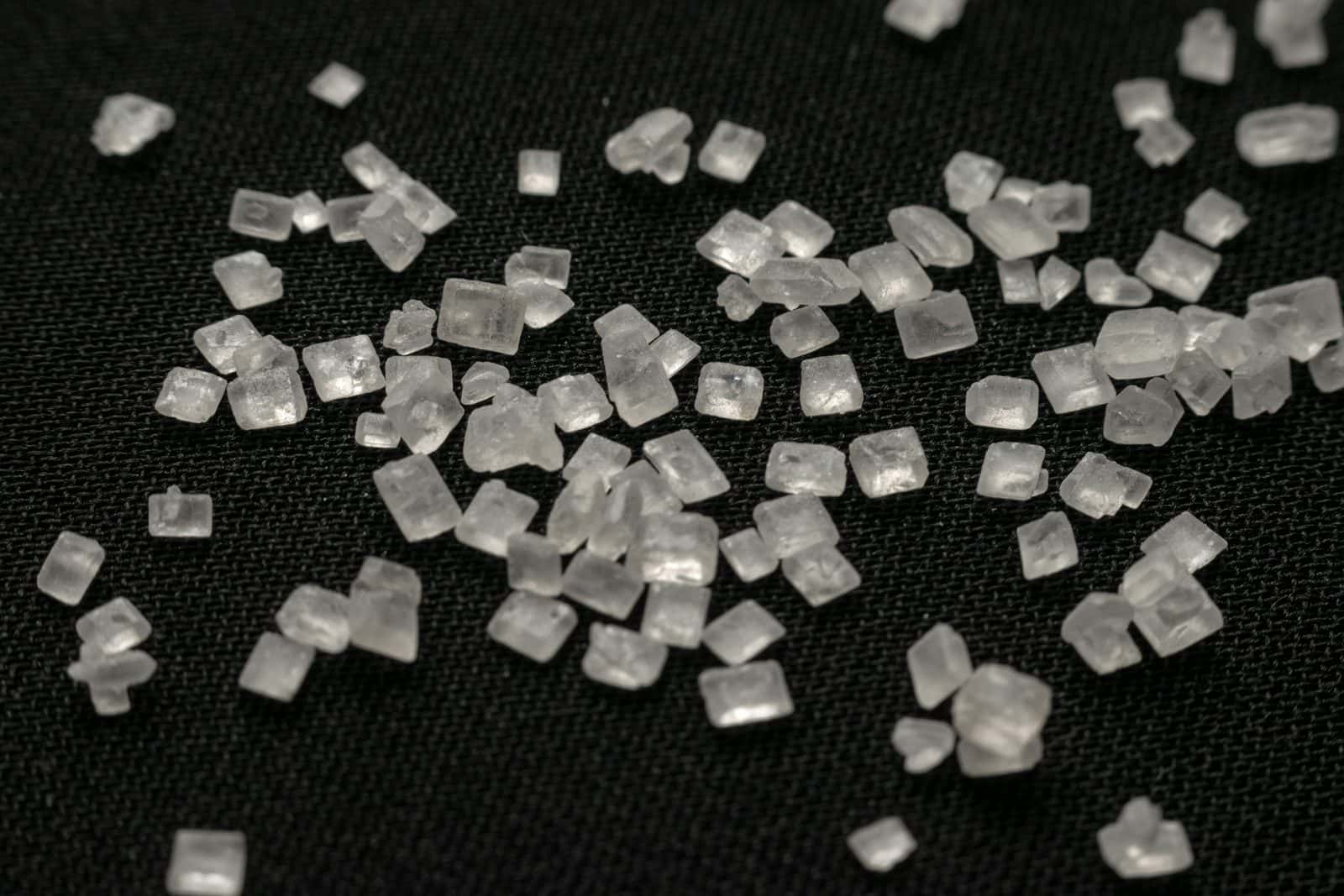 SugarRefined Sugar vs White Sugar: How the Grades Differ and Which to ChooseRefined and white sugar are separate grades in Thailand. How OCSB classes, Codex white vs plantation white and ICE White compare, and how to choose for your application.Read guide
 SpecificationsHow to Read a Sugar Specification: Parameter by ParameterPol, colour, moisture, ash, invert, SO₂, granulation and microbiology explained — plus how to tell a standard limit from a contract term or a typical value, with a worked example.Read guide
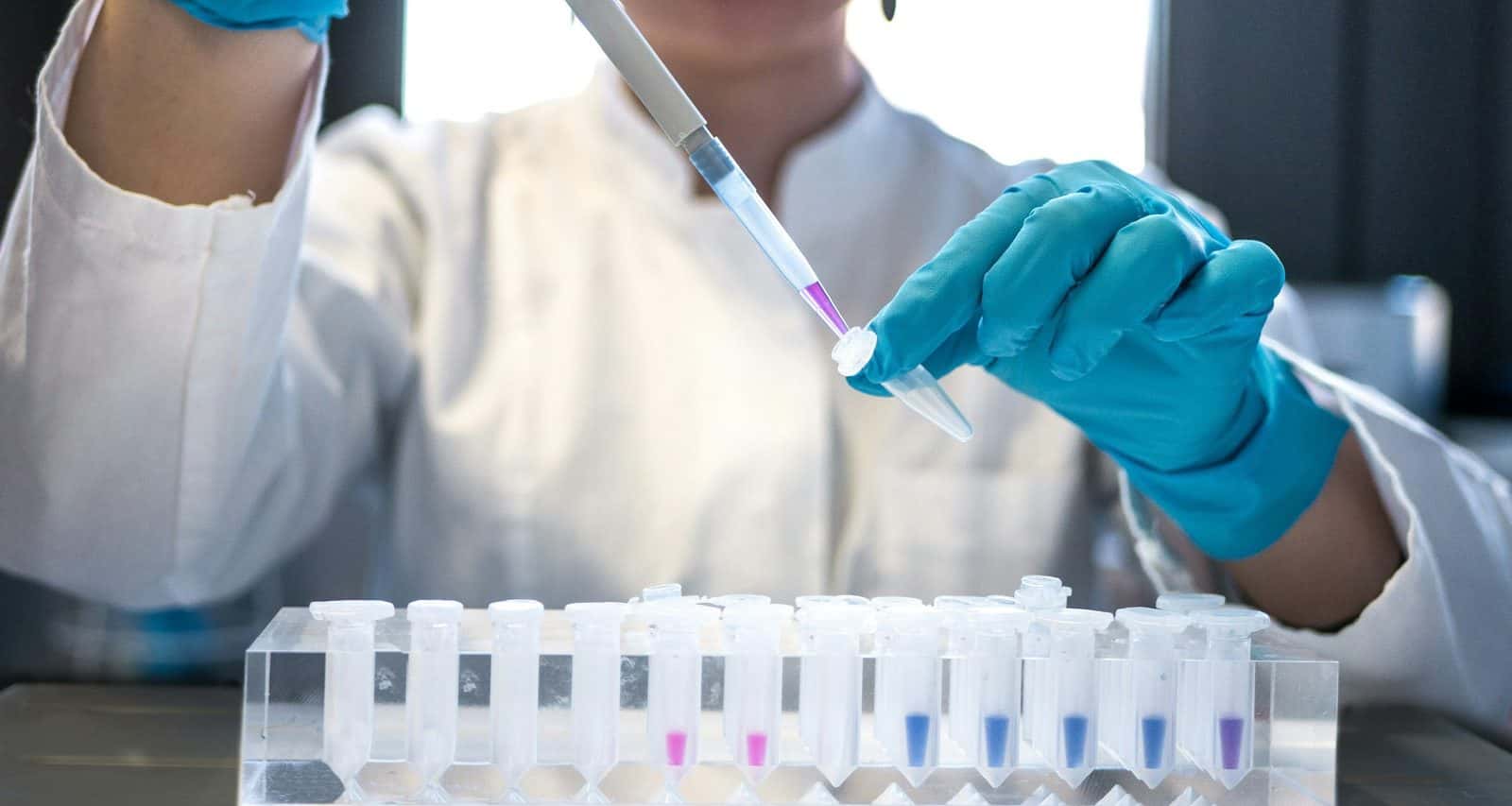 SpecificationsSugar Certificate of Analysis (COA): What It Contains and How to Check ItWhat a sugar Certificate of Analysis should contain, the ICUMSA methods behind each result, how to check it against your contract, and the points to confirm.Read guide
 PackagingSugar Packaging Guide: Bags, Jumbo Bags, Bulk and LiquidWhat export sugar is packed in, which packing and marking rules buyers can cite, and how to choose between 50 kg bags, 25 kg bags, jumbo bags, bulk and liquid formats.Read guide
Need refined sugar for your market?
Tell us your product, specification, quantity and destination.
ANUTIDA reviews your requirement and replies with packaging options and a written quotation.