ANUTIDAThai Sugar · Export — home page

Industries

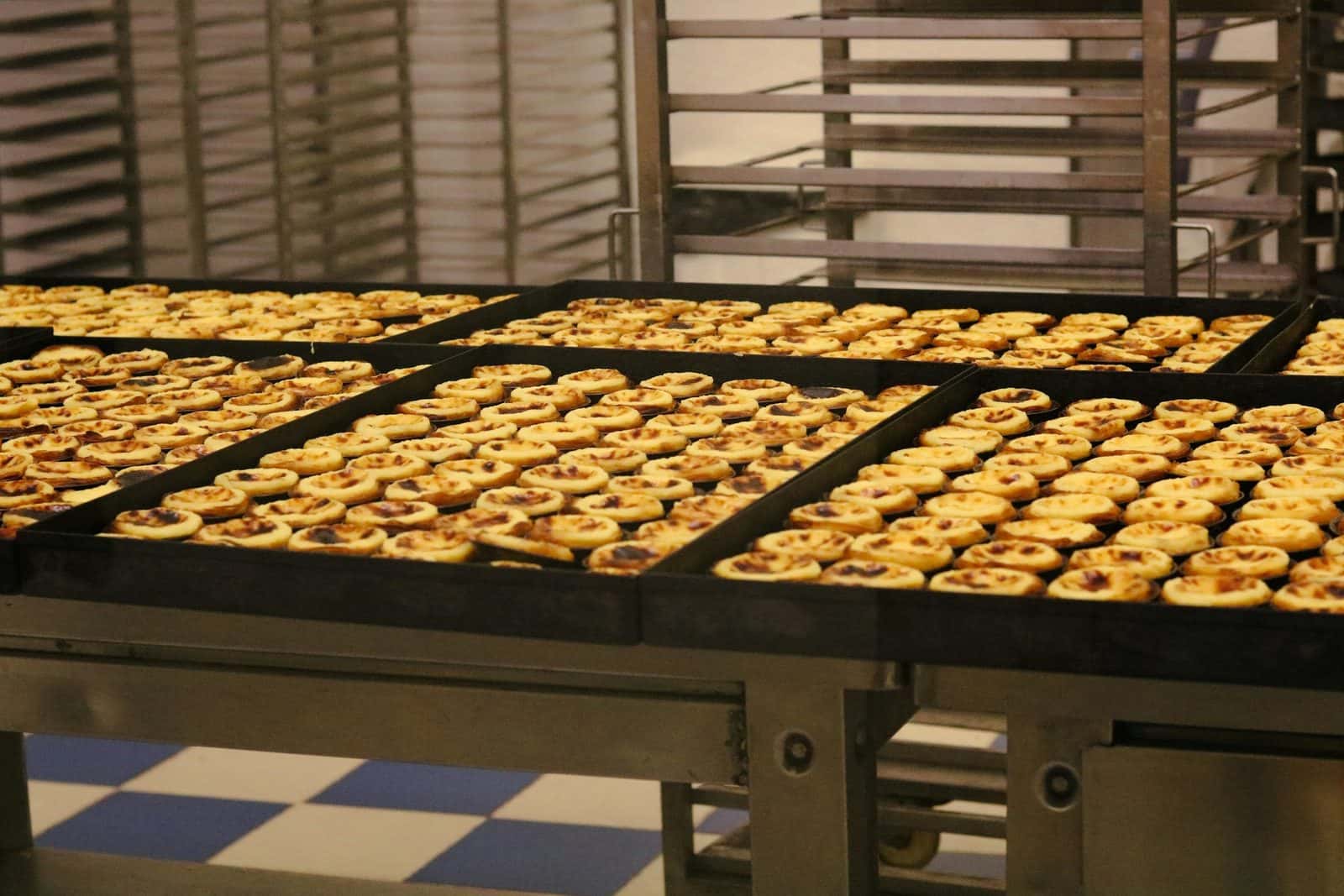
Sugar & Sweeteners for Bakery

In baking, sugar is a structural ingredient: it feeds yeast, delays starch setting, builds crust colour and holds water. Crystal size and colour matter as much as purity, so ANUTIDA supplies the full range from caster to icing sugar alongside dextrose, glucose syrup and polyols.

What sugar does in a bakery

  • Fermentation — in yeasted dough, yeast invertase splits sucrose into glucose and fructose almost immediately after mixing, and the yeast ferments them to carbon dioxide. Very sweet doughs slow fermentation: in one study of fermented pastry, raising sugar from 14% to 21% of flour weight reduced CO₂ production and product volume, while dough with no added sucrose stopped fermenting earlier because the yeast ran short of sugar.
  • Colour and flavour — glucose and fructose take part in Maillard and caramelisation reactions in the oven. Dextrose and invert syrup supply these reducing sugars directly.
  • Structure — dissolved sugars compete with flour for water and raise the starch gelatinisation temperature, which shapes how cakes and biscuits set.
  • Crystal size — in low-moisture doughs not all sugar dissolves: studies of biscuit dough found sucrose crystals still present after kneading, so granulation influences the finished texture.

Choosing bakery sugars

Sugar products for bakery applications
ProductBest suited toWhy
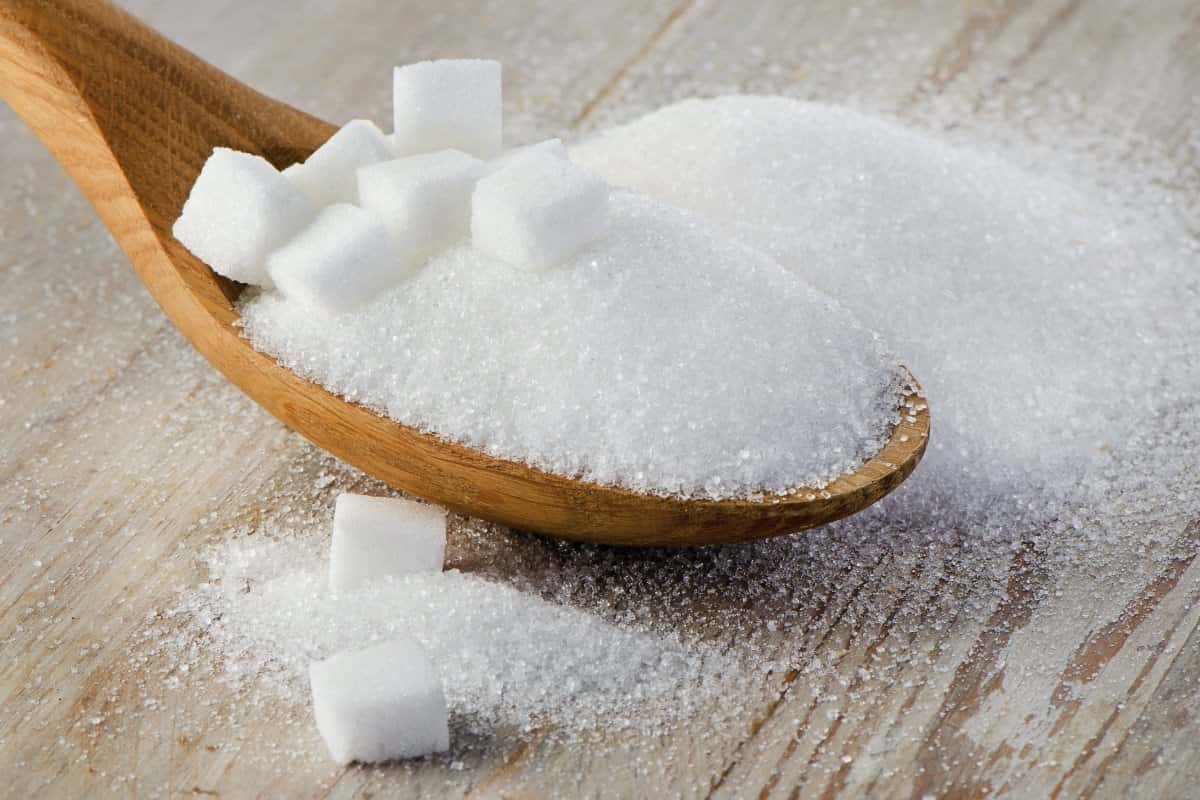
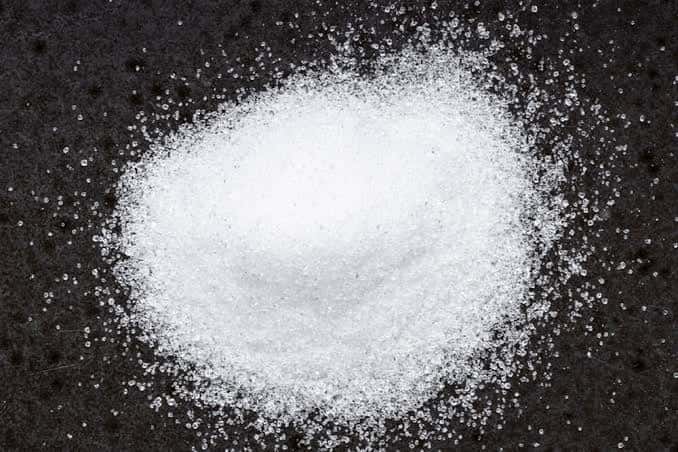
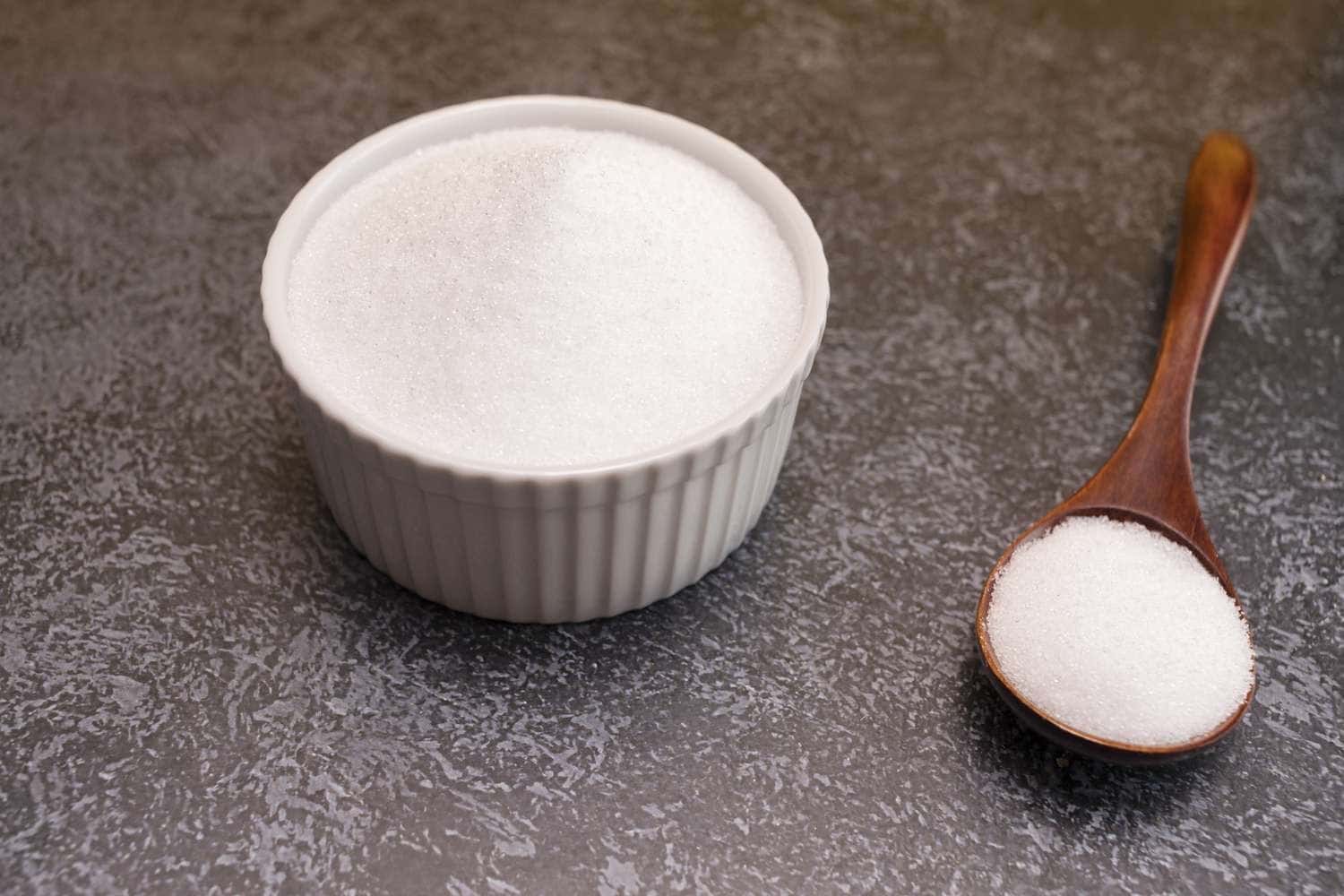
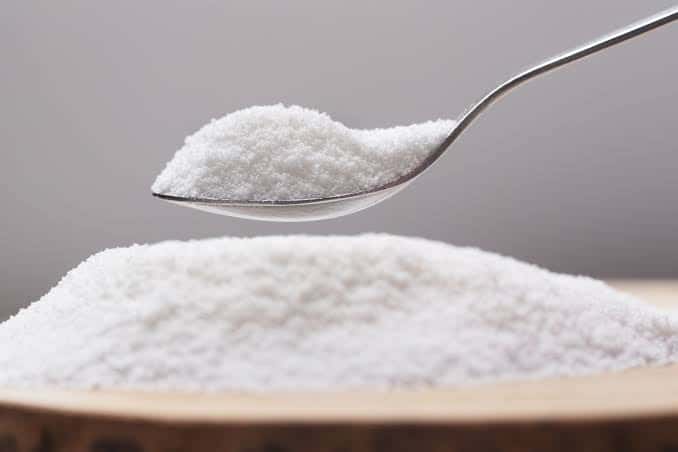
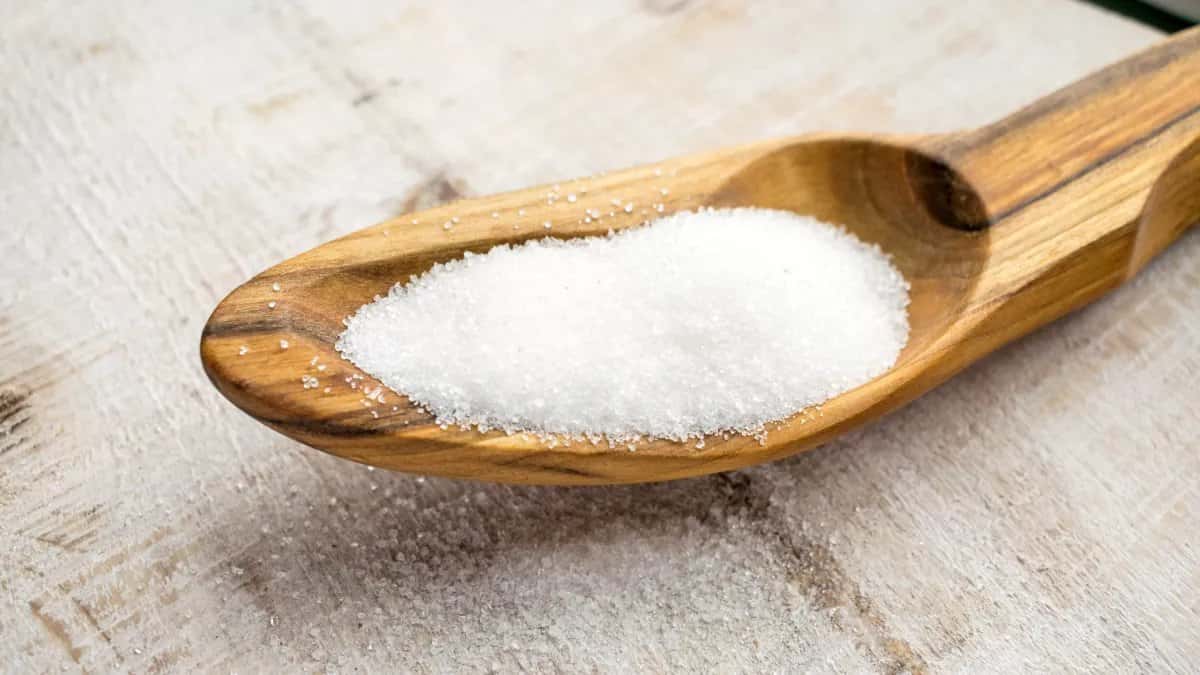
Fine-grain caster sugarSponge cakes, meringues, creamed batters, cookiesSmall crystals dissolve quickly in batters with little free water; one Thai mill screens its fast-dissolving fine sugar to a maximum of 0.40 mm for bakery and drinks
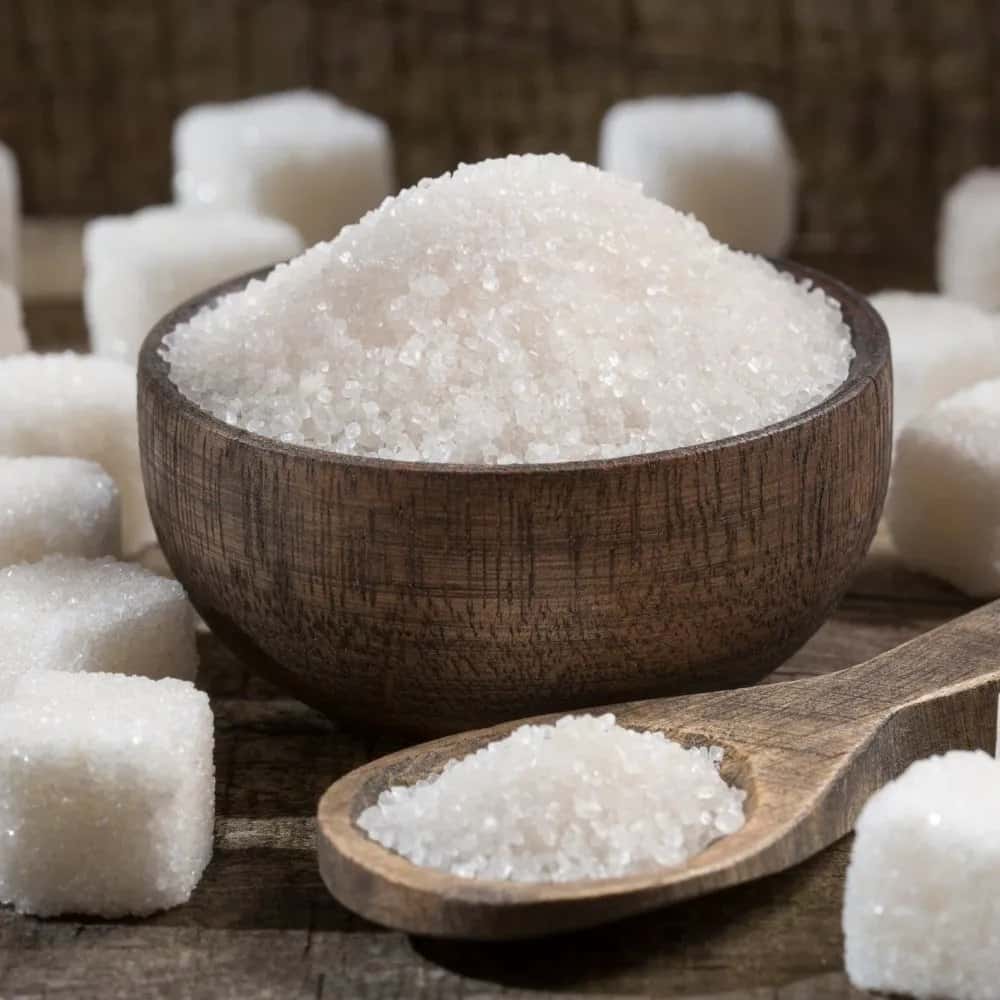
ICUMSA 45 refined or ICUMSA 150 white sugarBread, buns, sweet doughs, fillings, syrupsStandard granulation for general dough work; refined where a white crumb or a clear syrup matters
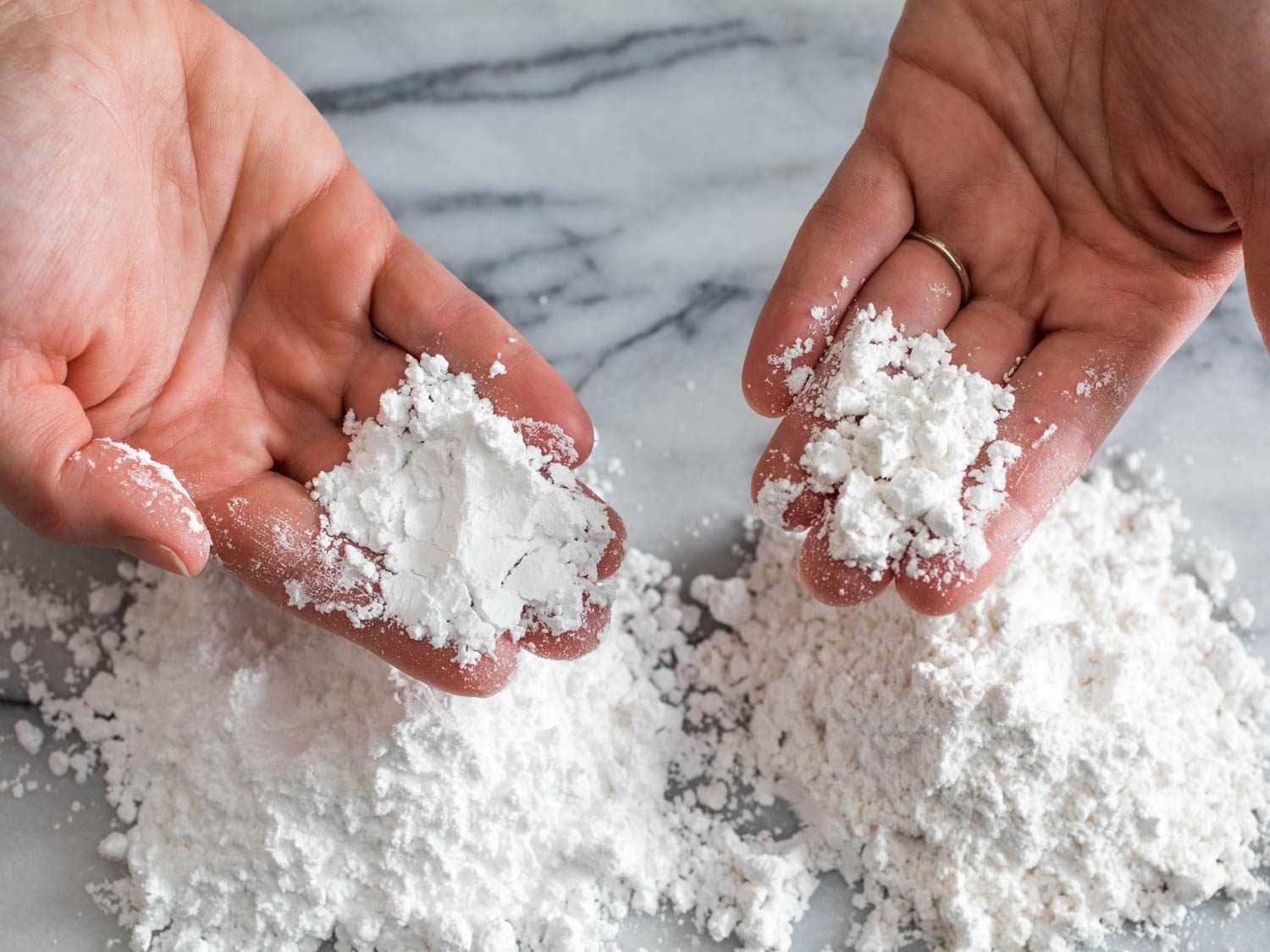
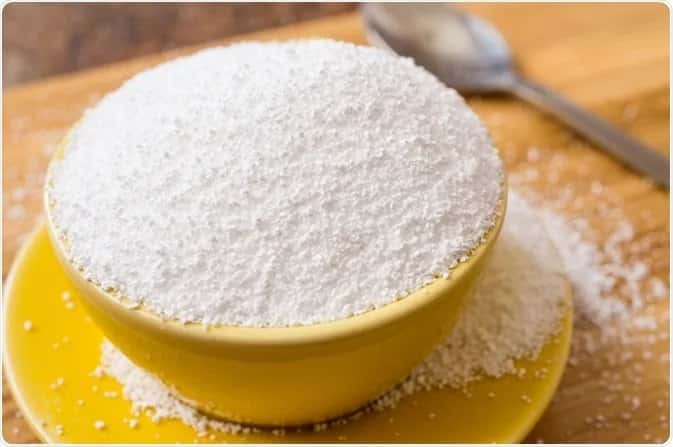
Icing sugarIcings, glazes, buttercream, dusting, short pastryMilled powder; Codex allows up to 5% starch as anticaking agent — specify starch-free if you need it
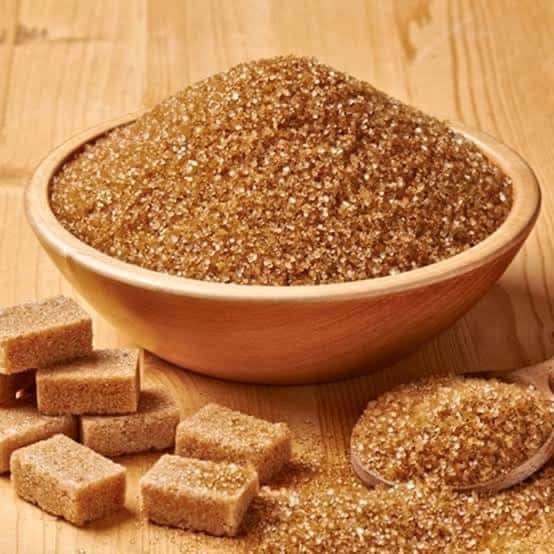
Natural brown sugar and demerara sugarBrown breads, spice cakes, crunchy toppingsMolasses colour and cane flavour
Invert sugar syrupSoft cakes, fillings, glazesStays liquid at high solids and adds reducing sugars for colour
Sugar products for bakery applications.

Sweeteners for bakery

  • Dextrose and glucose syrup are fermentable and brown readily; glucose syrup also adds body to fillings and glazes. EU law sets glucose syrup at a DE of at least 20 — state the DE you work with.
  • Maltitol behaves much like sucrose in dough but does not react with amino acids when heated, so it gives no Maillard browning and biscuits bake paler; studies also report it slowing bread staling. Sorbitol, by contrast, dissolves completely in biscuit dough.
  • Heat-stable high-intensity sweeteners — sucralose and acesulfame K, per the FDA — are used where sweetness has to survive baking; aspartame loses sweetness when heated and is typically not used in baked goods.
  • The hard part of reformulation is bulk: when sugar comes out, its volume and structural effects have to be rebuilt with other ingredients.

Granulation is the specification bakeries most often under-specify. Two lots that both meet a colour and polarisation limit can still differ in crystal size, which changes how quickly sugar dissolves in a batter, how biscuits spread and how a topping looks. If a product depends on it, write the grain size into the contract and ask for it on the COA.

RFQ checklist for bakery sugar

What bakeries should state in a request for quotation
ParameterWhat to state
GranulationCaster/fine, standard, coarse or powder. If your process is sensitive, ask for the mean aperture (MA) and coefficient of variation (CV) from the ICUMSA sieving method GS2-37
ColourICUMSA maximum for white grades; a colour range for brown sugar
MoistureMaximum %; soft brown sugars carry more moisture by design (Codex soft brown sugar: loss on drying ≤ 4.5%)
Anticaking agentFor icing sugar: starch type and level, or none
SyrupsDry matter, invert % or DE
Packaging25 kg bags for manual handling; 50 kg or jumbo bags for silos and bulk intake
DocumentsCOA per lot; allergen statement and any certificates your customers require
What bakeries should state in a request for quotation.

Handling and storage

Bakeries handle sugar by hand more than most users, which is why caster and icing sugar are commonly packed in 25 kg sacks. Keep fine and powdered sugars sealed, off the floor and away from ovens and strong odours: above about 70% relative humidity sugar turns sticky and cakes as it dries again, and in very dry air (below about 50%) it can harden. One European producer gives icing sugar with maize starch a two-year life at 20 ± 5 °C and below 65% relative humidity.

Compare pack sizes in 25 kg vs 50 kg sugar bags, check our quality process, or browse all specialty sugars.

Sugar for bakery

Specialty Sugar

Fine-Grain Caster Sugar

Thai refined or white sugar made to a fine crystal — Thai producers publish grain sizes of 0.40 mm or below — for fast dissolving in bakery, beverages and dry mixes; 25 kg sacks and 1 kg packs.

  • Thailand origin
  • Crystalline

Packaging: 25 kg, 1 kg
Refined Sugar

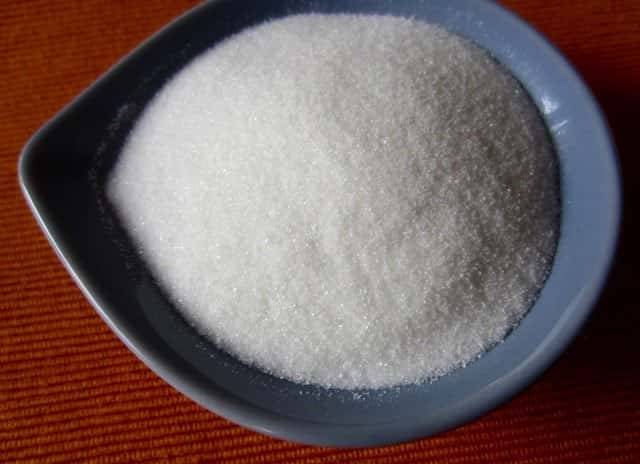
ICUMSA 45 Refined Sugar

Thai refined cane sugar in the 0–45 IU colour class with pol of at least 99.80 °Z — the quality behind the world white-sugar benchmark — supplied in 50 kg, 25 kg and 1-tonne bags for export.

  • ICUMSA 45
  • Thailand origin
  • Crystalline

Packaging: 50 kg, 25 kg, Jumbo

White Sugar

ICUMSA 150 White Sugar

Thai mill white cane sugar held to the Codex plantation-white colour ceiling of 150 IU (pol ≥ 99.5 °Z), inside Thai white sugar grade 1 — bagged for importers, repackers and food manufacturers.

  • ICUMSA 150
  • Thailand origin
  • Crystalline

Packaging: 50 kg, 25 kg, Jumbo

Icing Sugar

Icing Sugar

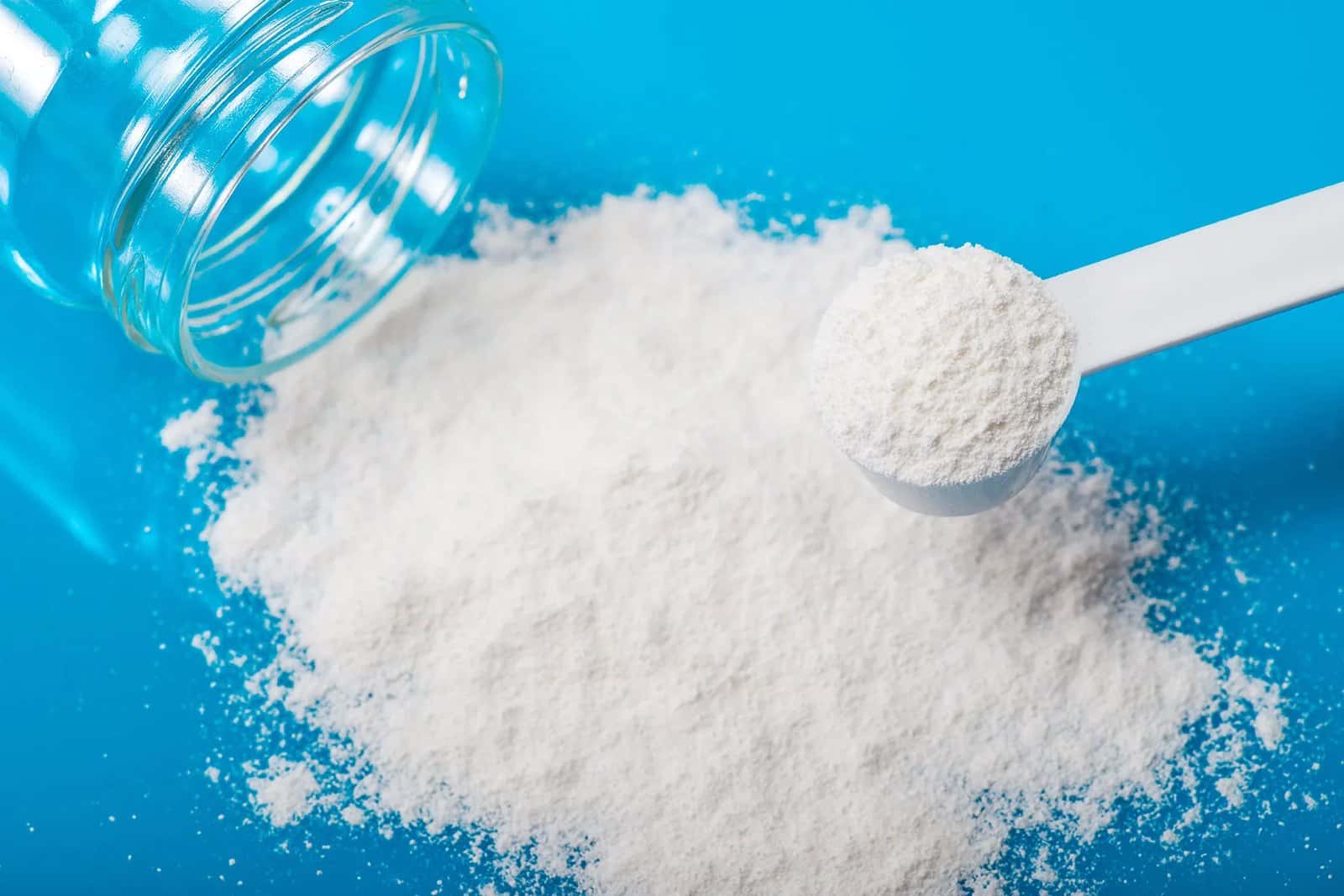
Finely milled Thai icing sugar made from white or refined sugar, with or without starch as an anticaking agent — Codex colour ≤ 60 IU — supplied in 25 kg sacks for bakeries and confectioners.

  • Thailand origin
  • Powder

Packaging: 25 kg

Brown Sugar

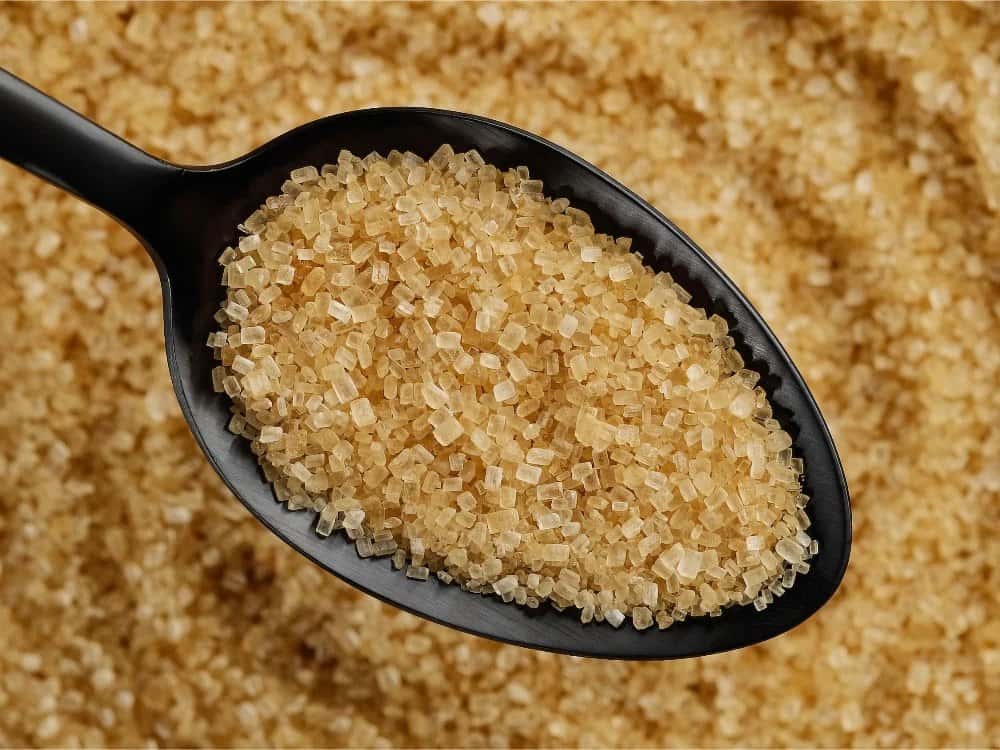
Natural Brown Sugar

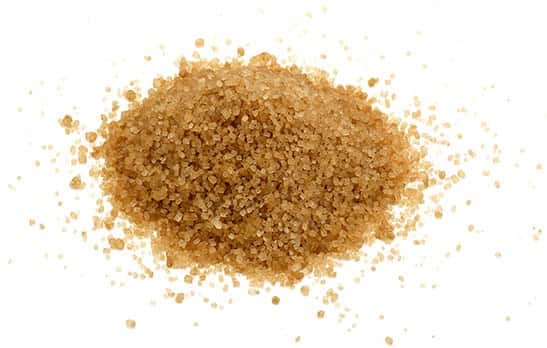
Thai natural and golden brown cane sugars — free-flowing mill crystals that keep part of the cane's colour and flavour, specified by producer colour ranges and packed from 1 kg retail packs to 1-tonne bags.

  • Thailand origin
  • Crystalline

Packaging: 50 kg, 25 kg, Jumbo, 1 kg

Specialty Sugar

Demerara Sugar

Demerara cane sugar made at Thai mills — about 60,800 t recorded by OCSB in 2025/26 at Wangkanai, Mitr Phol and Thai Roong Ruang group mills — specified per contract.

  • Thailand origin
  • Crystalline

Packaging: 1 kg

Liquid Sugar

Invert Sugar Syrup

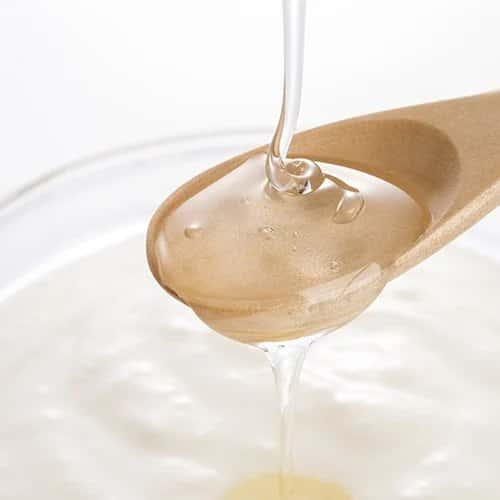
Sucrose syrup partly or largely split into glucose and fructose by acid or enzyme hydrolysis, giving higher solids without crystallising — specified by inversion level against the EU definitions and delivered by tanker.

  • Thailand origin
  • Syrup

Packaging: Tanker

Specialty Sugar

Organic Cane Sugar

Cane sugar grown and milled under organic certification in Thailand — defined by its certificate rather than by a colour grade — with organic production recorded at Wangkanai and Thai Roong Ruang group mills.

  • Thailand origin
  • Crystalline

Packaging: 1 kg

Sweeteners for bakery

Starch-Based Sweeteners

Dextrose

Purified, crystallised D-glucose (≥ 99.5% D-glucose, dry basis) in monohydrate or anhydrous form, commonly supplied in 25 kg or 50 kg bags with a COA for each lot.

  • Crystalline
  • Powder

Packaging: 25 kg, 50 kg

Starch-Based Sweeteners

Glucose Syrup

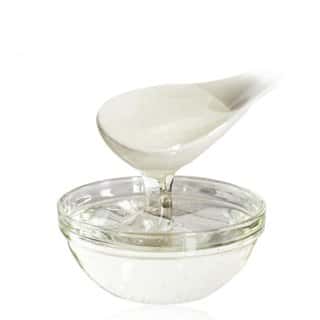
Purified, concentrated starch hydrolysate with DE ≥ 20 and ≥ 70% total solids (Codex CXS 212), quoted by ANUTIDA against your DE and solids specification.

  • Syrup

Packaging: Drum, IBC, Flexitank, Tanker

Sugar Alcohols & Polyols

Maltitol

Maltitol (E 965) as crystalline maltitol and as maltitol syrup, quoted against JECFA or EU specifications, for chocolate, confectionery, bakery and dairy use.

  • Crystalline
  • Powder

Packaging: 25 kg, Drum

Sugar Alcohols & Polyols

Sorbitol

Sorbitol (E 420) as crystalline powder and as sorbitol syrup / 70% solution, quoted against JECFA or EU specifications, for food, pharmaceutical and technical use.

  • Powder
  • Crystalline

Packaging: 25 kg, Fibre drum, Drum, IBC, Flexitank, Tanker

Sugar Alcohols & Polyols

Erythritol

Erythritol (E 968), a fermentation-derived polyol, in granular and powder grades quoted against JECFA or EU specifications, for beverage, confectionery and bakery use.

  • Crystalline
  • Granular

Packaging: 25 kg, 20 kg, Jumbo

High-Intensity Sweeteners

Sucralose

Food-grade sucralose powder (E 955), about 600 times sweeter than sugar per the US FDA, supplied to the JECFA / EU specification with a COA per lot.

  • Powder
  • Granular

Packaging: Fibre drum, 25 kg

High-Intensity Sweeteners

Acesulfame-K

Acesulfame potassium (Ace-K, E 950): a heat-stable sweetener about 200 times sweeter than sugar, often used together with other sweeteners.

  • Crystalline
  • Powder

Packaging: agreed per order

Frequently asked questions

What is the difference between caster sugar and icing sugar?

Caster sugar is crystal sugar screened to a fine grain; it still has crystals and dissolves quickly in batters. Icing sugar is white sugar milled to a powder and may contain an anticaking agent — Codex allows up to 5% starch. Use caster for creaming and meringues, icing sugar for icings, glazes and dusting.

Can I replace sugar with a high-intensity sweetener in baking?

You can replace the sweetness, not the function. A heat-stable sweetener such as sucralose or acesulfame K survives the oven, but the bulk, browning, moisture retention and structure that sugar provides must come from other ingredients — polyols, starch-based sweeteners or fibres.

Why does dextrose change crust colour?

Dextrose is glucose, a reducing sugar that reacts directly in Maillard and caramelisation browning. Sucrose takes part once it is split into glucose and fructose — yeast does this quickly in fermented dough, but without yeast far less is split — so adding dextrose or invert syrup to cakes and biscuits usually deepens colour.

Which bag size suits a bakery?

25 kg bags suit manual handling and smaller lines; 50 kg bags are the standard export unit; one-tonne jumbo bags suit silos and bulk intake. The format for each product is confirmed in the quotation.

Request a quotation

Supplying bakery?

Tell us the product, specification, quantity and destination. ANUTIDA's sales desk replies with packaging options and a written quotation.

Request Quote