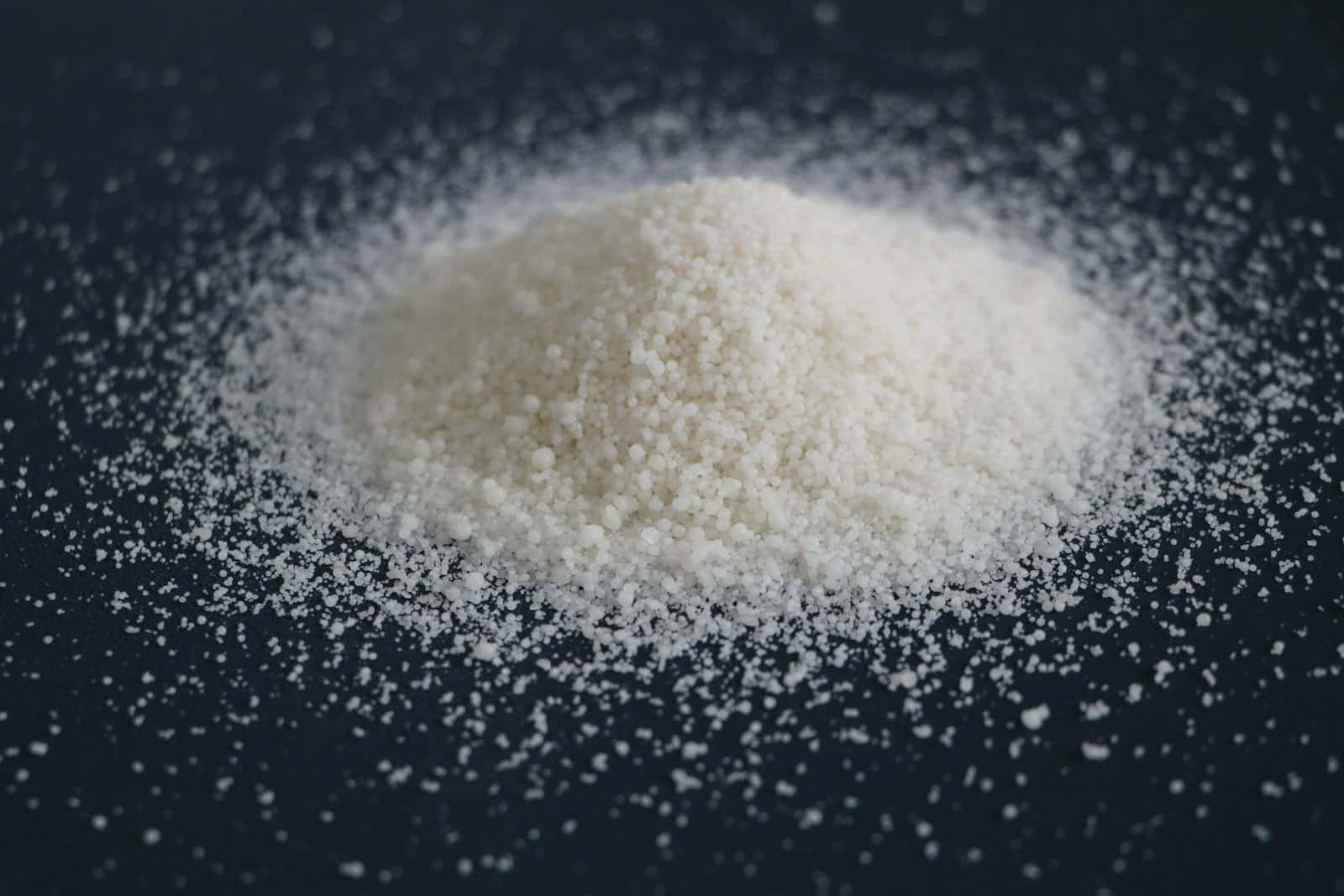
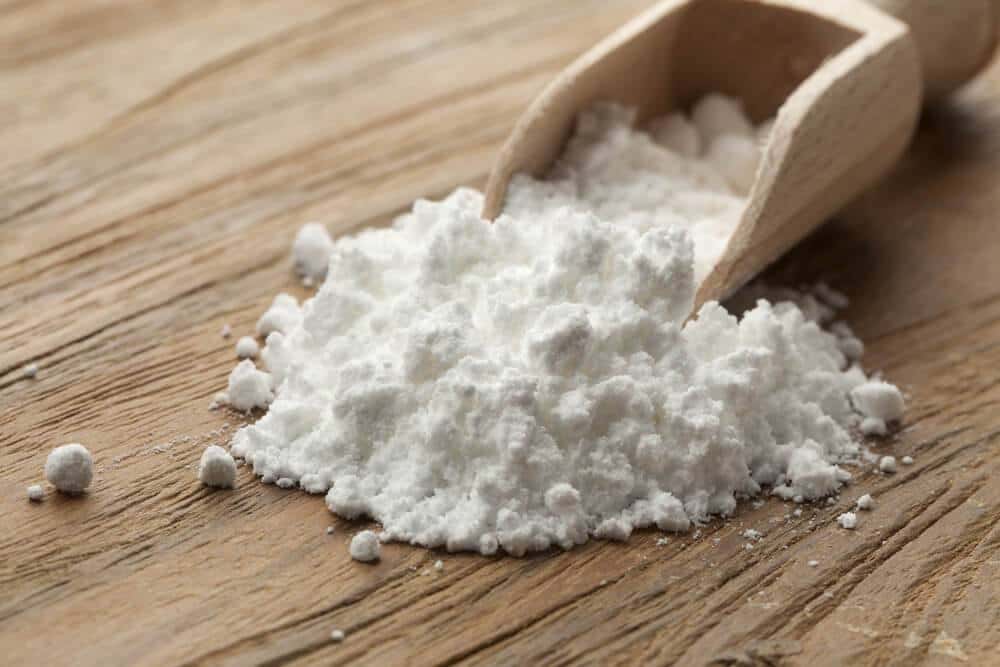
Specialty sweeteners are sugars that buyers choose for a specific job: partial sugar replacement, texture and stability, or use as a raw material. ANUTIDA supplies five of them: allulose, D-tagatose, isomaltulose, trehalose and D-xylose. The specification and origin of each lot are stated in the quotation.
Rare sugars and functional carbohydrates (allulose, D-tagatose, isomaltulose, trehalose and D-xylose), with specifications and market status explained.
Allulose (D-psicose), a rare sugar made from fructose, as crystals or syrup. US GRAS notices apply; it is not authorised in the EU; Thailand requires product-specific novel-food approval.
D-tagatose, a crystalline rare sugar about 92% as sweet as sucrose, supplied to the EU novel-food specification. JECFA ADI not specified; US GRAS notices.
Isomaltulose, a disaccharide of glucose and fructose made from sucrose, about half as sweet as sugar. Supplied as the crystalline monohydrate to the EU novel-food specification.
Trehalose, a non-reducing glucose disaccharide made from starch, about half as sweet as sugar. Supplied as the dihydrate to JECFA and EU specifications for texture and stability uses.
D-xylose, a five-carbon sugar from plant hemicellulose. Bought mainly as feedstock for xylitol and as a reducing sugar for Maillard reaction flavours. Crystalline, 25 kg bags.
All five products are carbohydrates. None is a high-intensity sweetener or a sugar alcohol. Allulose and D-tagatose are rare sugars: monosaccharides that occur in nature only in small amounts and are made commercially from fructose, galactose or other common sugars. Isomaltulose and trehalose are disaccharides made with enzymes, isomaltulose from sucrose and trehalose from starch. D-xylose is a five-carbon sugar extracted from plant hemicellulose. Their chemistry is fairly similar, but their regulatory status differs a great deal. Most importantly for exporters, allulose is not authorised in the European Union.
Not an entry in the Union list; confirm status for your use
FDA Substances Added to Food inventory (flavouring agent or adjuvant; nutritive sweetener)
Specialty sweeteners at a glance. Sweetness values are typical literature values (Ahmed et al., Nutrition Reviews 2022). CAS numbers are taken from the EU Union list (D-tagatose, isomaltulose), JECFA (trehalose), FDA GRAS notice 828 (allulose) and FDA's Substances Added to Food inventory (D-xylose). EU status is from the Union list of novel foods (Regulation (EU) 2017/2470, consolidated 10 August 2026). US basis is from FDA's GRAS Notice Inventory.
Choosing by the job the ingredient has to do
Replace part of the sugar and keep the bulk: D-tagatose is closest to sucrose in sweetness (about 92%). Allulose gives about 70% and comes as crystals or syrup. It suits the US, Australia/New Zealand (within the listed foods and limits) and Thailand (with an applicant-specific novel-food approval), but not the EU.
Milder sweetness with a sucrose-like composition: isomaltulose is a glucose–fructose disaccharide made from sucrose and about half as sweet.
Texture, stability and light colour: trehalose is non-reducing, so it does not brown with proteins. JECFA lists it first as a texturiser and stabiliser.
Flavour reactions and xylitol production: D-xylose is a reactive pentose used in Maillard reaction flavours and hydrogenated to make xylitol.
Purchasing considerations
Check market status first. Allulose is not authorised in the EU; EFSA concluded in 2025 that its safety could not be established. In Thailand, novel-food approvals for allulose are issued to a specific applicant and product, so you need the approval holder's consent letter or your own safety assessment. In Australia and New Zealand, allulose is limited to listed foods and maximum levels.
Agree the specification basis. D-tagatose, isomaltulose and trehalose have official specifications in the EU Union list, and trehalose also has a JECFA specification. For allulose and D-xylose, the specification agreed in the quotation and the lot Certificate of Analysis govern.
Name the exact product. Isomaltulose is not isomalt (hydrogenated isomaltulose, E 953), and the EU's “isomaltulose powder” (at least 75% isomaltulose) is a separate novel food. D-xylose is not xylitol. Allulose crystals and allulose syrup are specified differently.
Plan the EU label wording. D-tagatose needs a laxative-effect statement above 15 g per serving, and in beverages above 1%. Isomaltulose and trehalose must carry “source of glucose and fructose” and “source of glucose” respectively.
Documents: each lot ships with a Certificate of Analysis. List any other documents your market requires in the request for quotation.
Packaging and handling
These products are commonly packed in lined bags. Trehalose is usually supplied in 20 kg paper bags, and allulose, D-tagatose, isomaltulose and D-xylose in 25 kg bags. D-tagatose is also packed in 25 kg fibre drums and allulose syrup in drums. Store all of them closed, in a cool, dry place. The format for each order is confirmed in the quotation. Shipping options are described on the logistics page, and lot documentation on the quality page.
Applications by industry
Beverage: allulose, D-tagatose and isomaltulose in reduced-sugar drinks; trehalose in powdered drinks.
Bakery and confectionery: D-tagatose and allulose for partial sugar replacement; isomaltulose in candies; trehalose for colour and texture stability.
Dairy: allulose and D-tagatose in yoghurt and frozen desserts; trehalose for solids with low sweetness.
Food manufacturing: D-xylose in reaction flavours and seasonings; trehalose in processed meat products.
Industrial: D-xylose as the feedstock for xylitol production.
Distributors: all five products in standard bag formats.
Thailand context
Isomaltulose is produced in Thailand: a company in a Thai cane-sugar group makes it from sugarcane-derived sucrose. Thai FDA regulates allulose as a novel food and lists each approval by applicant and product. ANUTIDA confirms the origin of every lot in its quotation.
Which specialty sweeteners can be used in food sold in the EU?
D-tagatose, isomaltulose and trehalose are authorised novel foods in the EU Union list, each with its own specification and label wording. Allulose is not authorised. D-xylose is not an entry in the Union list, so confirm its status for your intended use.
Are these products sugar alcohols?
No. All five are sugars, not polyols. Some have polyol relatives: isomalt is hydrogenated isomaltulose, and xylitol is made by hydrogenating D-xylose. See sugar alcohols & polyols.
Which one is closest to sugar in sweetness?
D-tagatose, at about 92% of sucrose (typical). Allulose is about 70%, and isomaltulose and trehalose are each about half as sweet as sucrose.
What documents come with each lot?
Each lot ships with a Certificate of Analysis against the specification agreed in the quotation. List any additional documents your market or customer requires in your RFQ.
How do I request a quotation?
Use the request a quote form. Give the product and form, the specification, quantity, packaging, destination and Incoterm. Minimum order quantity, lead time and origin are confirmed in the quotation.
Request a quotation
Buying specialty sweeteners?
Send the product, specification, quantity, packaging and destination. ANUTIDA replies with a written quotation.