Thai sugar
White Sugar Supplier from Thailand
- Thai origin
- Commercial supply
- Published specifications
- Export from Thailand
On this pageWhite Sugar
Products
White Sugar products
Mill-made Thai white sugar — grade 1 covers 46–200 ICUMSA, including ICUMSA 100 and 150 — supplied and exported by ANUTIDA for food, beverage and trade buyers.
ICUMSA 150
ICUMSA 150 White Sugar
Mill (plantation) white cane sugar
- ICUMSA colour
- ≤ 150 IU
- Polarisation
- ≥ 99.50 °Z
ICUMSA 100
ICUMSA 100 White Sugar
White cane sugar, 100 IU tier within Thai white grade 1
- ICUMSA colour
- ≤ 100 IU
- Polarisation
- ≥ 99.50 °Z
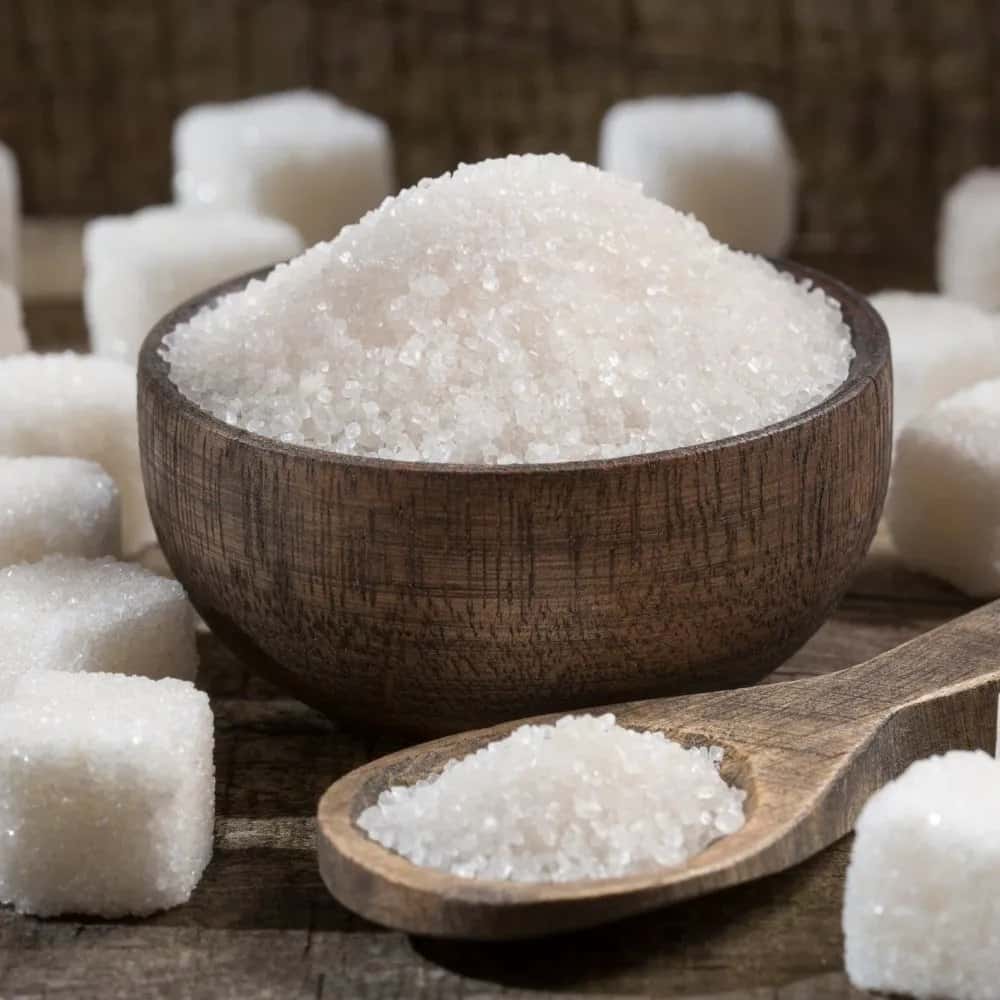
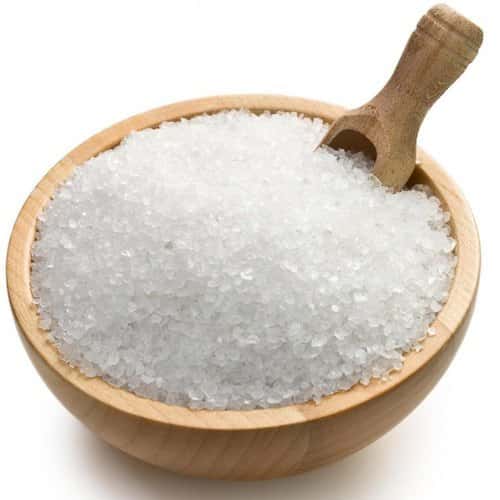
Buyer's guide
What white sugar is
In the mill, clarified cane juice is evaporated and crystallised with extra purification and colour-reduction steps, then centrifuged, washed, dried and bagged. Because the crystals are not re-melted and re-crystallised in a refinery, white sugar carries more colour, ash and invert sugar than refined sugar, but it is a directly consumable food sugar. Codex calls it plantation or mill white sugar and sets its minimum polarisation at 99.5 °Z.
The word “white” causes confusion in trade. Thailand's “white sugar” is a mill-white class spanning 46–600 IU across three grades, while the ICE “White Sugar” futures contract describes a 45 IU refined-quality sugar. When an offer says “white”, look for the colour number. Our guide to refined vs white sugar covers the differences in detail.
Thai sugar classes (OCSB)
Thai mills must produce to the Cane and Sugar Board's notification on sugar types and quality (B.E. 2564), and OCSB staff at each mill sample every sugar type three times a day. The notification fixes polarisation and colour only:
| Class | Polarisation (min) | Colour (ICUMSA units) | Common trade descriptions |
|---|---|---|---|
| Refined (น้ำตาลทรายขาวบริสุทธิ์) | 99.80 °Z | 0–45 | ICUMSA 45, refined sugar |
| White, grade 1 (น้ำตาลทรายขาว) | 99.50 °Z | 46–200 | ICUMSA 100, ICUMSA 150, plantation white |
| White, grade 2 | 99.50 °Z | 201–400 | — |
| White, grade 3 | 99.00 °Z | 401–600 | — |
| Raw (น้ำตาลทรายดิบ) | 97.00 °Z | 601 and above | Raw, Hi-Pol, VHP |
ICUMSA 150, ICUMSA 100 and other white specifications
Thai law fixes only the 46–200 IU band of grade 1, so buyers set a tighter ceiling in the contract. Two widely quoted ceilings are:
- ICUMSA 150 — the Codex colour ceiling for plantation or mill white sugar (pol ≥ 99.5 °Z), mirrored by India's IS 5982 plantation white standard and used for S&P Global Platts' Brazil 150 white-sugar assessment.
- ICUMSA 100 — a tighter buyer and producer specification, comparable to Brazil's Tipo 1 crystal sugar. No Codex, ICE or Thai limit is set at 100 IU.
Thai producers publish different white-sugar ranges — from 46–100 IU to 46–400 IU depending on the mill and the document — so always state your own ceiling. Import rules can also re-classify the same sugar: Indonesia's Ministry of Trade Regulation 18/2025 treats 76–300 IU as white sugar, 75 IU or lower as refined sugar and 600 IU or higher as raw sugar.
Thai production and export markets
OCSB's 2025/26 closing report records 699,236 tonnes of white sugar, against 1,681,406 tonnes of refined sugar and more than 9 million tonnes of raw sugar (actual weight). Exports of white and refined sugar are reported together: 3,656,424 tonnes raw value in calendar 2025 (OCSB data via USDA), with Cambodia (820,148 t), the Philippines (400,429 t), Laos (358,506 t), China (209,207 t) and Malaysia (208,275 t) the largest buyers. USDA lists proximity, standard halal certification of Thai sugar, free-trade-agreement preferences and an estimated US$15–20 per tonne freight advantage over Brazil as Thailand's strengths in Asian markets.
Buying, packaging and logistics
- Colour ceiling and method. Specify the maximum IU — for example 150 or 100 — and the ICUMSA method. At these levels laboratories use GS2-9 (20–600 IU) or the MOPS-buffered reference method GS9-8.
- Polarisation and the other limits. Codex plantation white sets pol at 99.5 °Z minimum and Thai grade 1 at 99.50 °Z; add moisture, ash and reducing-sugar limits from your own specification or the Codex annex.
- Packaging. Thai producers document 50 kg and 25 kg bags and 1,000 kg jumbo bags for white sugar, plus retail packs of 500 g and 1 kg. Bagged white sugar ships in 20-foot containers — see how much sugar fits in a container.
- Documents. A typical set is the Certificate of Analysis, certificate of origin (Form D for ASEAN preferences), packing list and bill of lading. ANUTIDA arranges the export permits, customs clearance and shipping documents each shipment requires.
Who buys white sugar
Thai producers recommend white sugar for carbonated beverages, processed food and household use — applications where the slightly higher colour of mill white sugar is acceptable. It suits food manufacturers, beverage and bakery plants, and distributors and wholesalers repacking for retail. Where colour in the finished product is critical, compare it with refined sugar.
How ordering works
A clear process from enquiry to export.
- 01Define your requirementGrade, quantity, packaging and destination port.
- 02Confirm specificationWe confirm the specification, packing and documents for your market.
- 03Request your quoteA written quotation with specification, origin and delivery terms.
- 04Export coordinationANUTIDA arranges packing, export clearance, loading and shipping documents.
Shipments travel with the document set agreed in your contract — typically a commercial invoice, packing list, bill of lading, certificate of origin and a Certificate of Analysis for the lot. Minimum order and lead time are confirmed with each quotation. See export and logistics.
Thai manufacturers producing white sugar
ANUTIDA supplies white sugar made across the Thai sugar industry. Name a preferred mill or brand in your request and the manufacturer is confirmed with each offer.
- Mitr PholSugar products · 8 millsView profile
- Thai Roong RuangSugar products · 10 millsView profile
- KI Sugar GroupSugar products · 2 millsView profile
- KSLSugar products · 5 millsView profile
- KTISSugar products · 3 millsView profile
- Khonburi SugarSugar products · 2 millsView profile
- CristallaSugar products · 3 millsView profile
- WangkanaiSugar products · 4 millsView profile
- Eastern Sugar & CaneSugar products · 2 millsView profile
- TSM GroupSugar products · 2 millsView profile
- Buriram SugarSugar products · 1 millView profile
- Kaset PholSugar products · 1 millView profile
- Mitr KasetSugar products · 2 millsView profile
- Nakornphet SugarSugar products · 1 millView profile
- Rajburi SugarSugar products · 2 millsView profile
White Sugar — buyer questions
Quick answers to common questions from international buyers.
What is the difference between ICUMSA 100 and ICUMSA 150 white sugar?
Both are colour ceilings inside Thai white sugar grade 1 (46–200 IU). ICUMSA 150 matches the Codex limit for plantation white sugar; ICUMSA 100 is a tighter buyer specification for uses that need whiter sugar. Polarisation and the other limits come from the contract.
Is Thai white sugar suitable for direct consumption?
Yes. White sugar is a directly consumable food sugar, covered by Codex as plantation or mill white sugar. Thai producers sell it for household use as well as to beverage and food manufacturers.
Why do Thai producer documents show different white-sugar ranges?
Ranges vary by mill and document, and some pages still show limits from before 2021, when the raw/white boundary moved from 1,000 to 600 IU. Always confirm the specification of the offered lot; ANUTIDA states it in every quotation.
Can Thai white sugar be delivered against the ICE White Sugar contract?
No. ICE White Sugar futures require colour of 45 IU or less, which corresponds to the Thai refined class. Mill white sugar of 46 IU and above is traded on physical contracts instead.
Related sugar categories
Knowledge Center
Guides for white sugar buyers
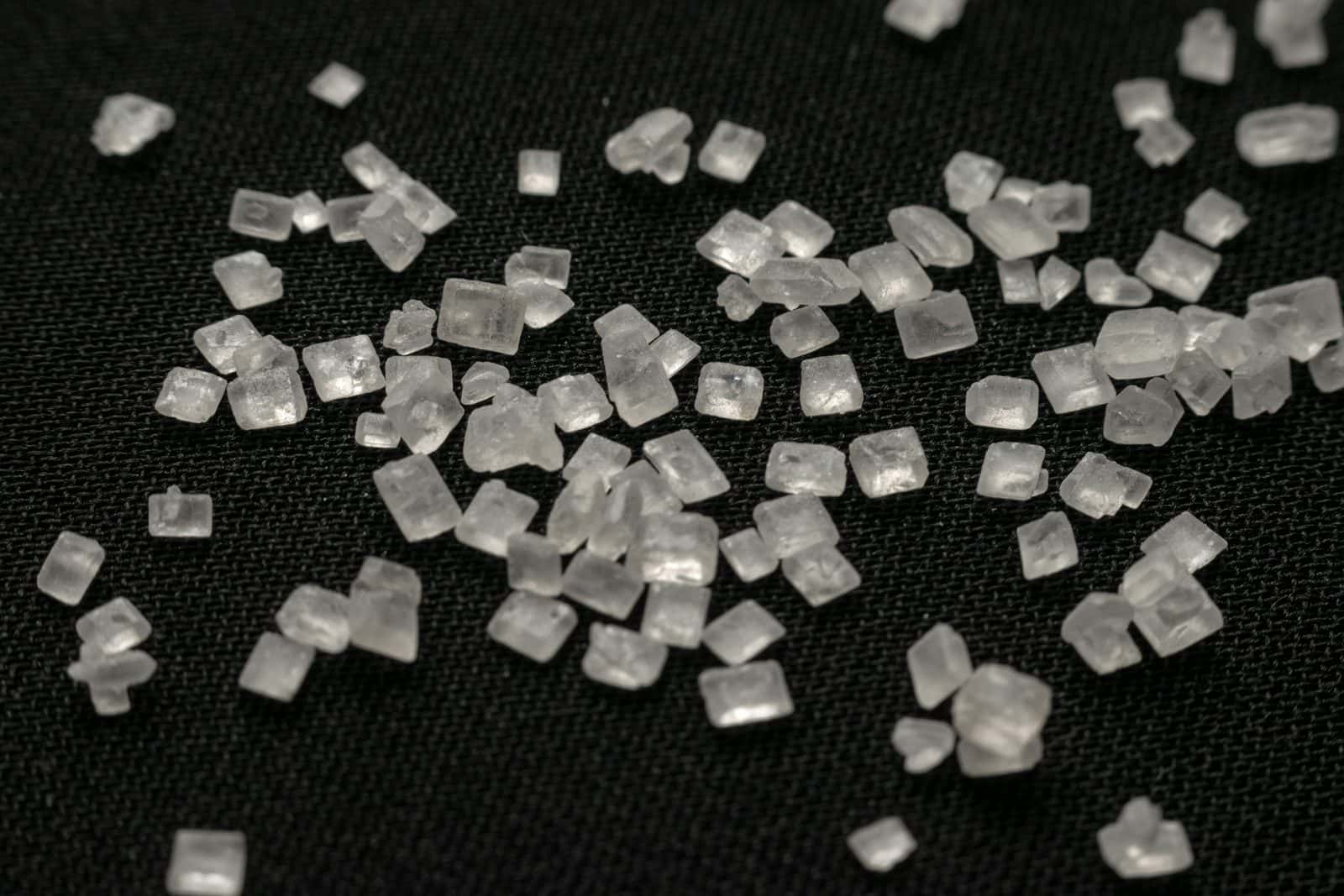 SugarRefined Sugar vs White Sugar: How the Grades Differ and Which to ChooseRefined and white sugar are separate grades in Thailand. How OCSB classes, Codex white vs plantation white and ICE White compare, and how to choose for your application.Read guide
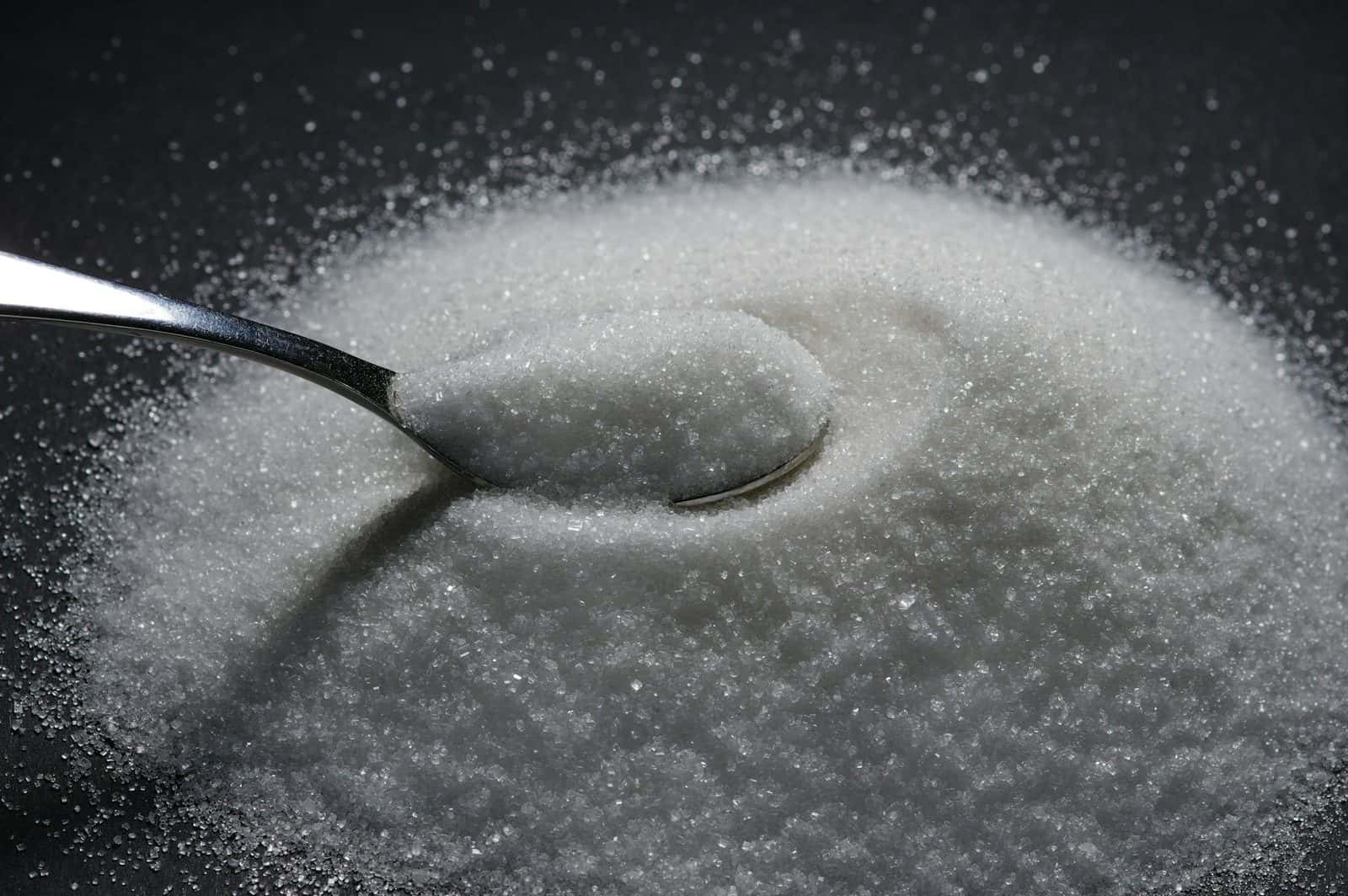 SpecificationsHow to Read a Sugar Specification: Parameter by ParameterPol, colour, moisture, ash, invert, SO₂, granulation and microbiology explained — plus how to tell a standard limit from a contract term or a typical value, with a worked example.Read guide
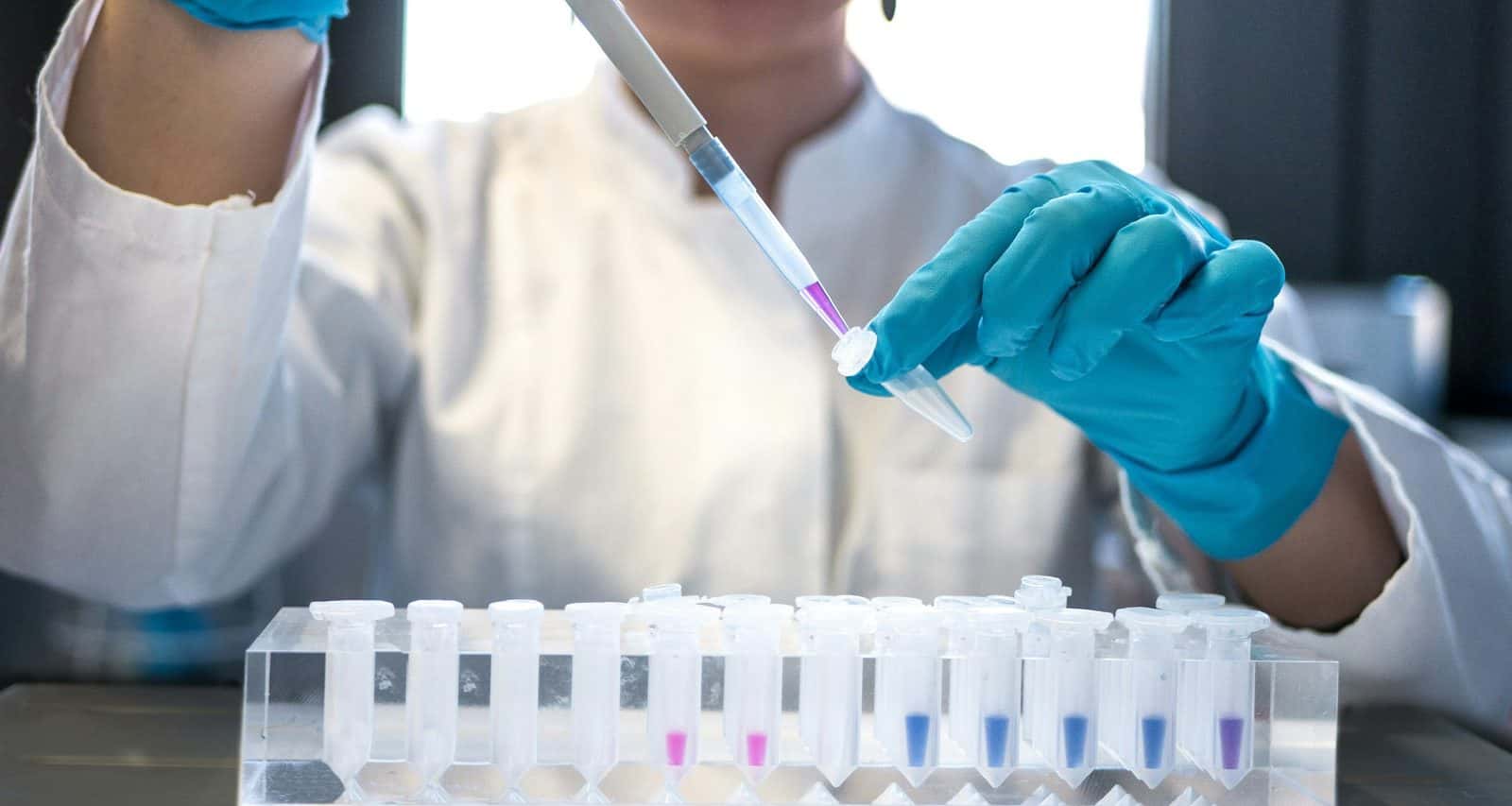 SpecificationsSugar Certificate of Analysis (COA): What It Contains and How to Check ItWhat a sugar Certificate of Analysis should contain, the ICUMSA methods behind each result, how to check it against your contract, and the points to confirm.Read guide
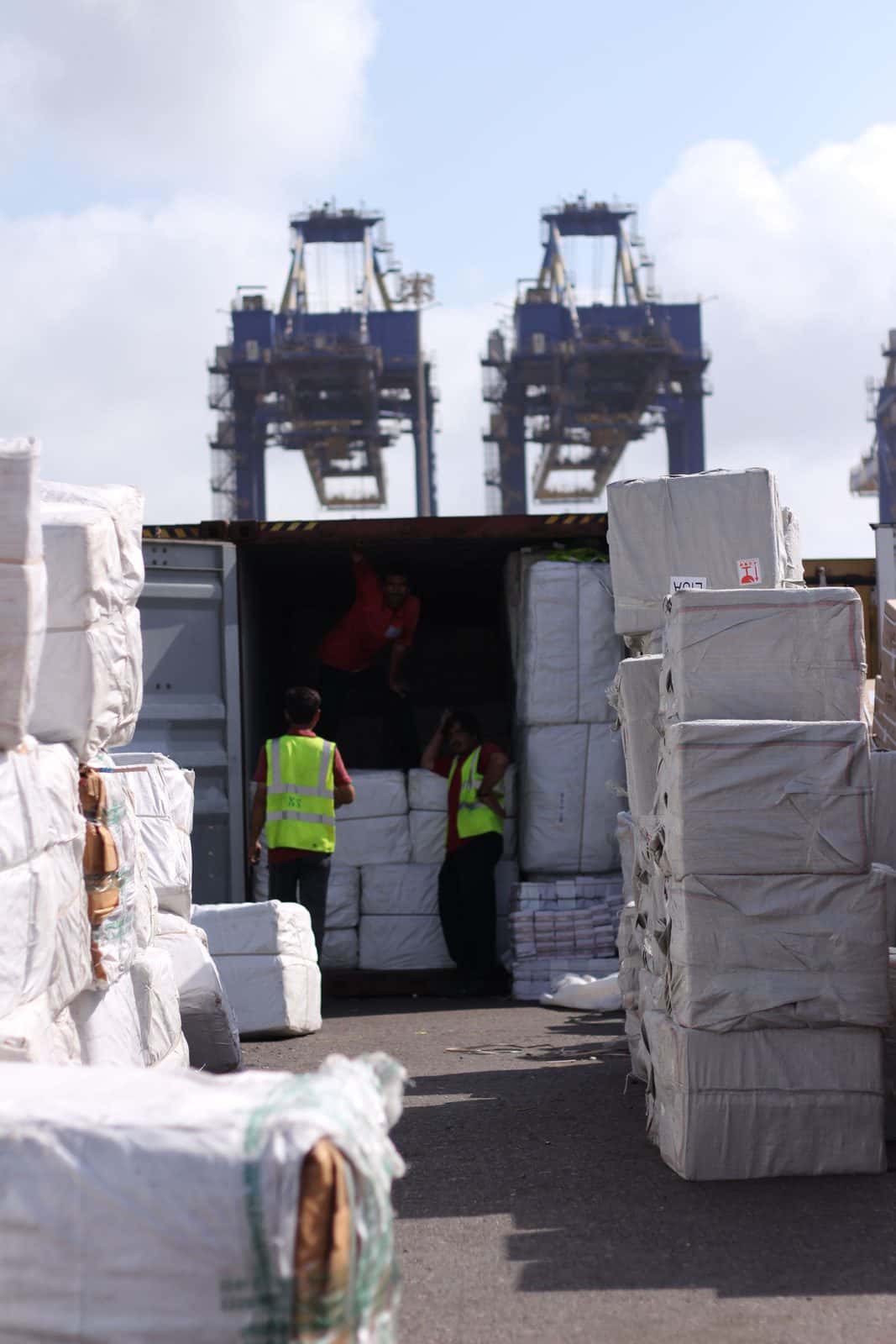 Packaging25 kg vs 50 kg Sugar Bags: Handling, Container Loads and Cost50 kg bags are the export standard; 25 kg bags are easier to lift. How the two compare on handling, container loading, packing cost and which buyers use each.Read guide
Need white sugar for your market?
Tell us your product, specification, quantity and destination.
ANUTIDA reviews your requirement and replies with packaging options and a written quotation.