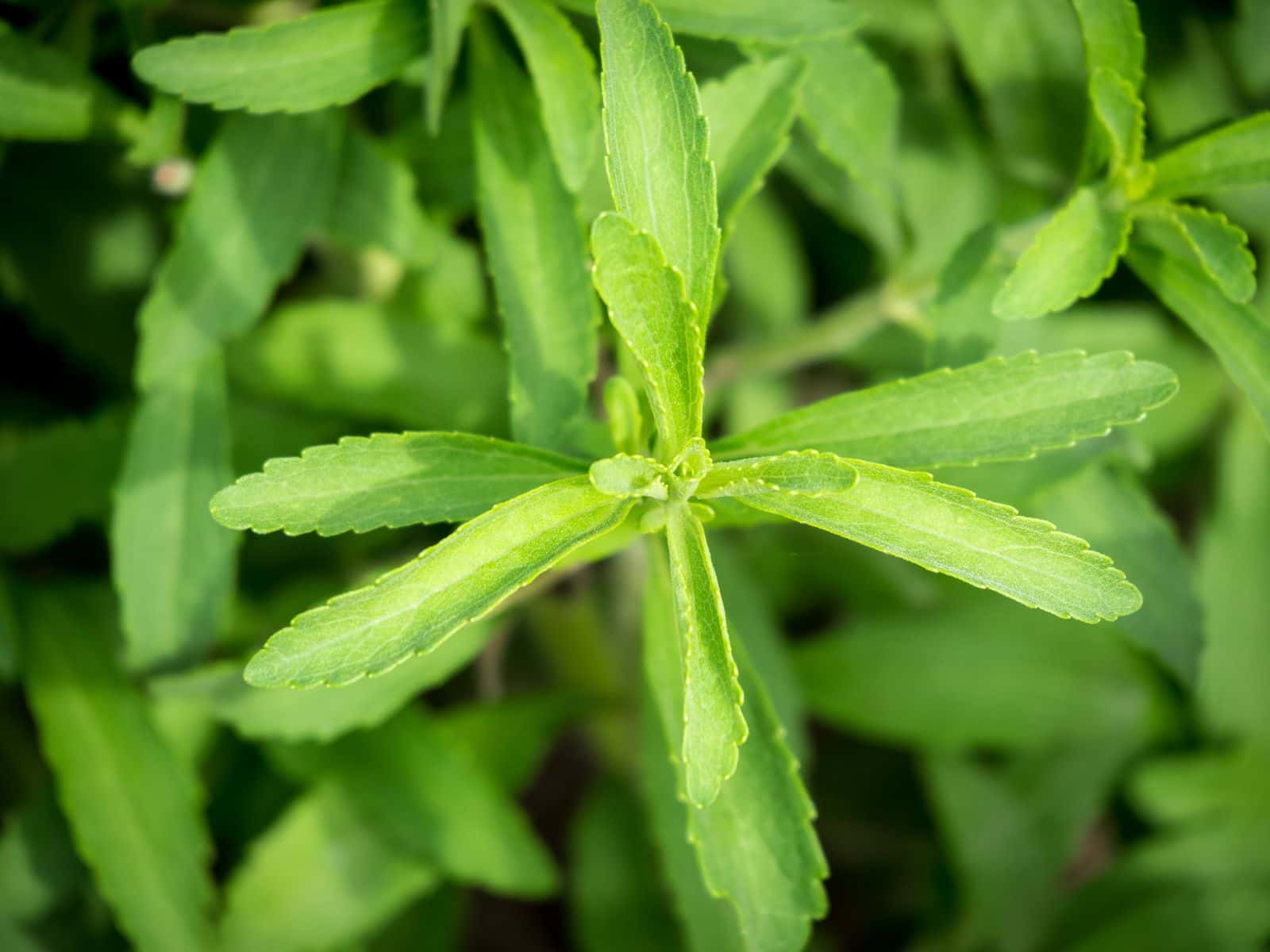
Natural Sweeteners · Stevia
Rebaudioside A (Reb A) Supplier — High-Purity Stevia Sweetener
Rebaudioside A — the leading single glycoside of the stevia leaf, supplied by ANUTIDA as purified steviol glycoside grades to E 960a / JECFA specification.
- PowderForms supplied
- Export from ThailandQuoted on your Incoterm
- COA with every lotSpecification in the quotation
Quick quote
Select a product ICUMSA 45 Refined SugarICUMSA 45Quote
 ICUMSA 150 White SugarICUMSA 150Quote
 VHP Raw SugarRaw cane sugar sold under the VHP (very high polarisation) labelQuote
 Thai Hi-Pol Raw SugarHigh-polarisation raw cane sugarQuote
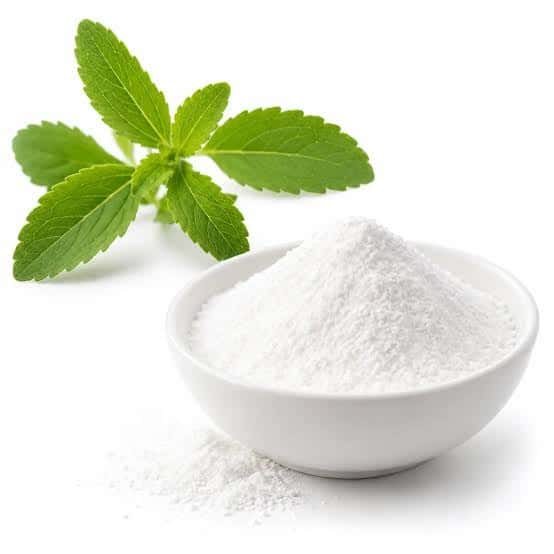 Rebaudioside A (Reb A)Steviol glycoside (high-intensity sweetener)Quote
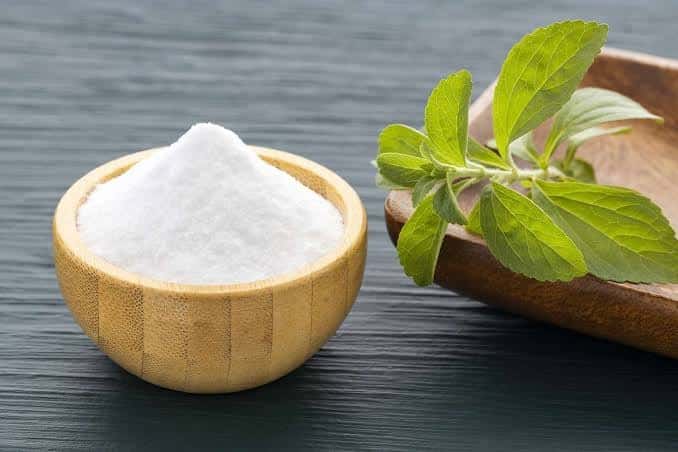 SteviaPlant-derived sweetener (Stevia rebaudiana)Quote
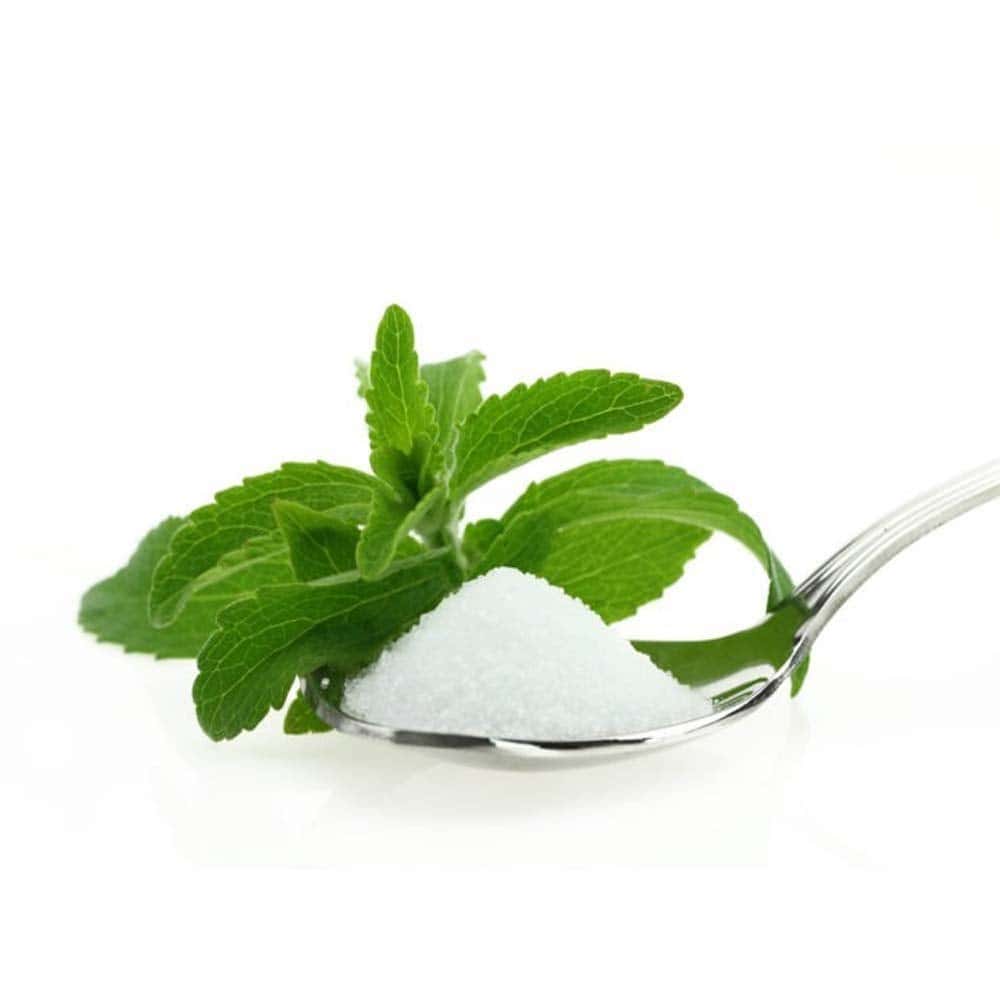 Steviol GlycosidesHigh-intensity sweetener (food additive)Quote
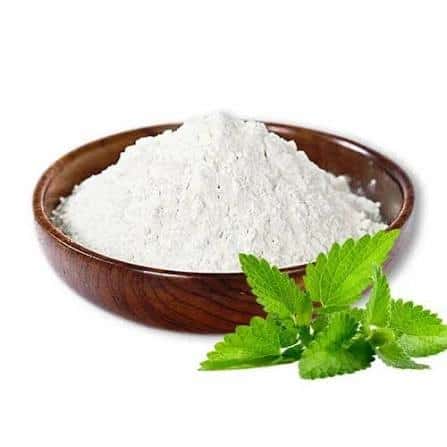 Rebaudioside M (Reb M)Steviol glycoside (high-intensity sweetener)Quote
- Thailand basedUdon Thani, Thailand
- Ready stockCommercial supply
- Multiple Thai producersBroad product range
- Global exportShipped from Thailand
- Specification supportCOA with every lot
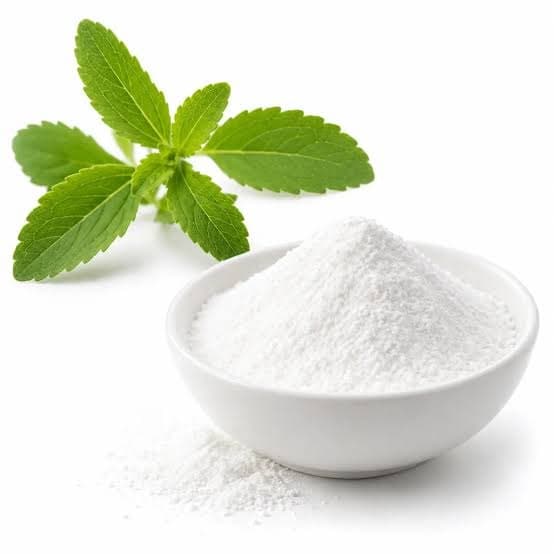
Natural Sweeteners
Rebaudioside A (Reb A)
Steviol glycoside (high-intensity sweetener)
- Powder
- Assay
- ≥ 95 %, dried basis
- Moisture
- ≤ 6 % (105 °C, 2 h)
- pH
- 4.5–7.0
- Ash
- ≤ 1 %
Certificate of Analysis with every lot
What is Rebaudioside A (Reb A)?
Rebaudioside A is one of the two major steviol glycosides in the stevia leaf, alongside stevioside. Chemically it is steviol carrying four glucose units — three attached at C-13 and one bound as a glucose ester of the carboxyl group — with the formula C₄₄H₇₀O₂₃, a molecular weight of 967.01 and CAS number 58543-16-1. Commercial Reb A is a purified steviol glycoside powder in which Reb A is the principal component; legally it is sold as steviol glycosides, so it falls under the EU additive E 960a and JECFA INS 960a rather than under a separate number.
- Beverage
- Dairy
- Confectionery
- Food Manufacturing
Key features
- Supplied in powder form
- Specification limits from official standards
- Certificate of Analysis with every lot
- Packed in fibre drums
- Exported from Thailand on your Incoterm
Technical data
Technical specifications
| Parameter | Value | Basis |
|---|---|---|
| CAS number | 58543-16-1 | Standard / official specification |
| Molecular formula | C44H70O23 | Standard / official specification |
| Molecular weight | 967.01 g/mol | Standard / official specification |
| Steviol conversion factor (EU) | 0.33 | Standard / official specification |
| INS / E number | INS 960a / E 960a (as steviol glycosides) | Standard / official specification |
| Total steviol glycosides (EU E 960a) | ≥ 95 % of 11 named glycosides, dried basis | Standard / official specification |
| Total steviol glycosides (JECFA) | ≥ 95 %, dried basis | Standard / official specification |
| Rebaudioside A content | Confirmed per lot on the Certificate of Analysis — contact ANUTIDA for the current specification. | |
| Loss on drying | ≤ 6 % (105 °C, 2 h) | Standard / official specification |
| Total ash | ≤ 1 % | Standard / official specification |
| pH (1 in 100 solution) | 4.5–7.0 | Standard / official specification |
| Residual methanol / ethanol | ≤ 200 mg/kg / ≤ 5 000 mg/kg | Standard / official specification |
| Arsenic / lead | ≤ 1 mg/kg each | Standard / official specification |
| Particle size / mesh | Confirmed per lot on the Certificate of Analysis — contact ANUTIDA for the current specification. | |
Identity & status
Regulatory identity
| INS / EU number | INS 960a / E 960a (steviol glycosides from Stevia) |
|---|---|
| JECFA ADI | 0–4 mg/kg bw as steviol (steviol glycosides, incl. Reb A; confirmed 2026) |
| FDA ADI expression | 12 mg/kg bw/d as Reb A, derived from the JECFA steviol ADI |
| US GRAS | Reb A purified from stevia leaves: GRN 252 and 253 (FDA no questions, 17 Dec 2008) and many later notices |
| Thailand | Steviol glycoside food additive; Codex/JECFA specifications (INS 960a) |
EU maximum levels for E 960a–E 960d are expressed as steviol equivalents; convert with the factor 0.33 for Reb A.
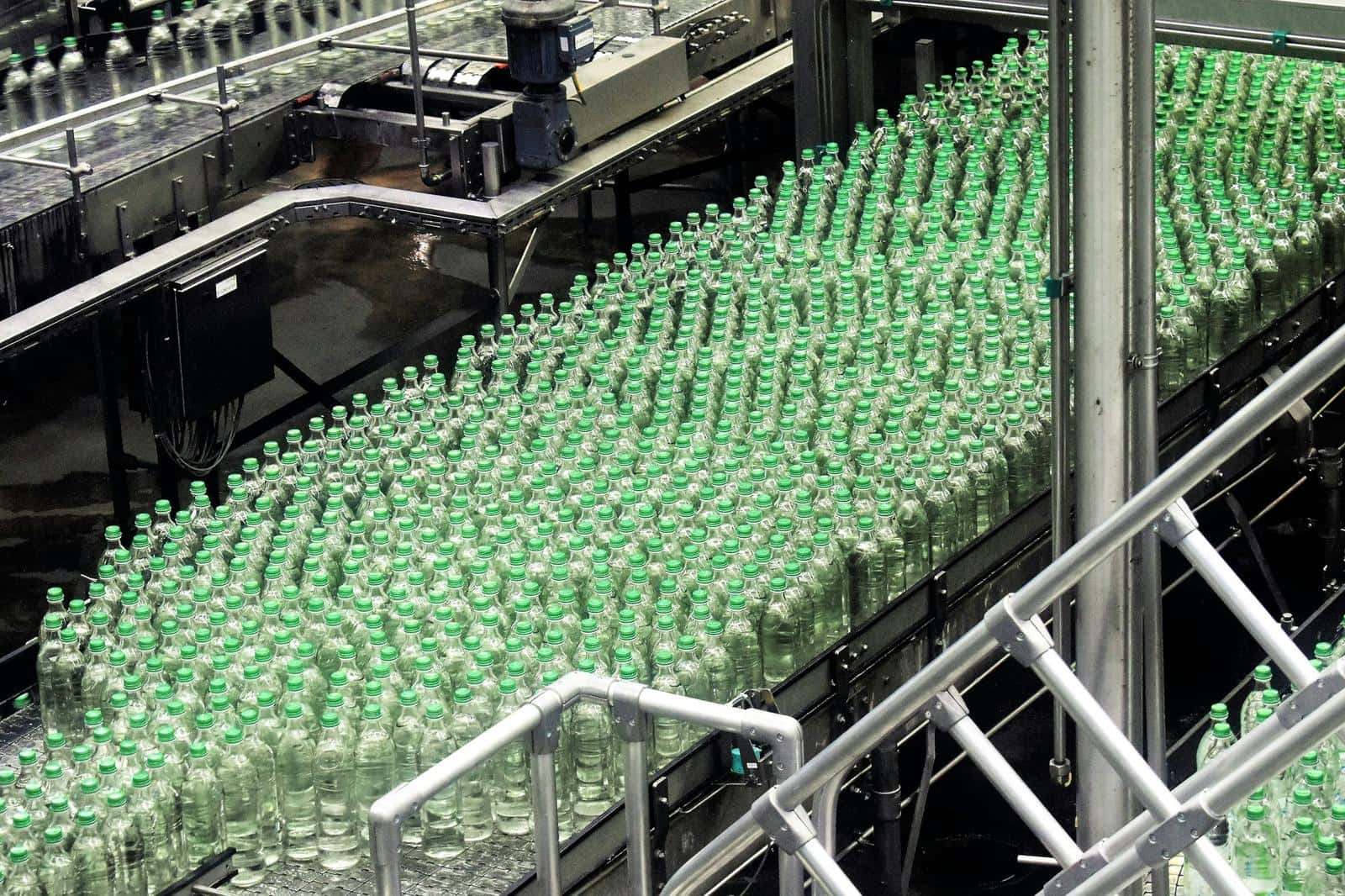
Applications & industries
- Table-top sweeteners
- Energy-reduced soft drinks and flavoured waters
- Flavoured fermented milk products and desserts
- No-added-sugar confectionery
- Food supplements
Packaging, origin and manufacturers
Packaging options
- Fibre drums
High-purity Reb A powder is commonly packed in fibre drums with a double polyethylene liner. The format available for your order is confirmed in the quotation.
Origin
Stated in the quotation
Each quotation states the origin, producer and specification of the offered lot.
Supplied and exported by ANUTIDA — Udon Thani, Thailand
Manufacturer information
You buy from ANUTIDA. The producer of the offered lot is named in the quotation; state any preferred manufacturer or brand in your request.
Paperwork & shipping
Documentation & export
Each quotation states the specification of the offered product. Export shipments travel with the document set agreed in your contract — typically a commercial invoice, packing list, bill of lading, certificate of origin and a Certificate of Analysis for the lot. List any further documents you need, such as third-party inspection, halal or kosher certificates or a health certificate, and they are confirmed in the quotation. Read how shipping works on the export and logistics pages.
- Minimum order
- Confirmed with quotation
- Lead time
- Confirmed with quotation
- Delivery
- Export from Thailand
Product guide
About Rebaudioside A (Reb A)
How Reb A is produced
Leaf extraction is the established route. In the process described in FDA's response to GRAS notice 768, leaves are extracted in water, the extract is clarified, deionised on ion-exchange resins and passed over an adsorption resin, and the glycosides are eluted with alcohol; crystallising the dried extract then yields a product with Reb A as the principal component, while other glycosides remain in the mother liquor. JECFA has also evaluated Reb A produced by fermentation with Yarrowia lipolytica carrying genes from multiple donors (82nd meeting, 2016) and included it in the steviol glycoside ADI. In the EU consolidated specifications of August 2026, however, the only fermentation entry is E 960b(i), which covers Reb M — so fermentation-derived Reb A is not interchangeable with E 960a for EU use.
Grades and how buyers choose
Reb A is traded by its Reb A content on top of the ≥ 95 % total steviol glycoside requirement. FDA's GRAS inventory, for example, includes a notice for steviol glycosides of at least 97 % purity consisting primarily of Reb A (GRN 638). A higher Reb A share means a narrower composition, so the steviol-equivalent calculation for a lot depends less on its minor glycosides. The exact Reb A percentage is a commercial grade parameter and is stated on each lot's COA.
Functional properties
- Sweetness — steviol glycosides are 200–300× sucrose per JECFA; FDA uses 300× for Reb A in its sweetener comparison.
- Dosing basis — the EU steviol conversion factor for Reb A is 0.33, so a limit of 100 mg/kg expressed as steviol equivalents corresponds to roughly 300 mg/kg of Reb A.
- Appearance and pH — white to light yellow powder; pH 4.5–7.0 in a 1 % solution (EU/JECFA).
- Taste — Reb A is a major glycoside; JECFA notes that several minor glycosides — a group that includes Reb M — have more favourable sensory characteristics than the major ones.
Applications
Reb A is used wherever E 960a is permitted: table-top sweeteners, energy-reduced soft drinks and flavoured waters (beverage), flavoured fermented milk products and desserts (dairy), no-added-sugar confectionery (confectionery) and food supplements — for supplements, specify a grade suitable for that use — within the maximum levels each market sets. In the EU those levels are expressed as steviol equivalents — for example 80 mg/l in energy-reduced or no-added-sugar flavoured drinks and 100 mg/kg in flavoured fermented milk products.
Regulatory identity
Reb A sits within the JECFA steviol glycoside evaluation: an ADI of 0–4 mg/kg bw expressed as steviol, confirmed in 2026; FDA expresses this as about 12 mg/kg bw per day of Reb A. The first US GRAS notices for Reb A purified from stevia leaves (GRN 252 and 253) received FDA “no questions” letters in December 2008. In the EU it is authorised as part of E 960a; in Thailand as a steviol glycoside food additive under Codex/JECFA specifications. For the full picture of the class, see steviol glycosides.
What to specify in an RFQ
- Minimum Reb A content and minimum total steviol glycosides.
- Specification for the COA: EU E 960a or JECFA INS 960a.
- Production route (leaf-extracted unless agreed otherwise) and destination market.
- Particle size or flowability requirements, if any.
- Quantity, packaging and the documents you need.
Buyer questions
Rebaudioside A (Reb A) FAQ
Is Reb A a separate additive from steviol glycosides?
No. Reb A is sold as steviol glycosides (E 960a / INS 960a) with Reb A as the principal component; the ≥ 95 % total steviol glycoside requirement applies.
How is the Reb A content specified?
As a minimum percentage on the COA, in addition to total steviol glycosides. Tell us the minimum you need and the specification (EU or JECFA) the COA should reference.
How do I convert a steviol-equivalent limit to Reb A?
Divide by the EU conversion factor of 0.33 — 100 mg/kg as steviol equivalents is about 300 mg/kg of Reb A.
How is Reb A packed?
Typically in fibre drums with polyethylene liners; the exact format is confirmed in the quotation.
How do I order Reb A?
Send a request for quotation with Reb A content, quantity, packaging and destination. MOQ and lead time are confirmed with the quotation.
Last updated 6 October 2026
Related supply
Other Sweeteners You May Be Interested In
- SweetenerSteviol GlycosidesHigh-intensity sweetener (food additive)SpecificationView specification
- SweetenerRebaudioside M (Reb M)Steviol glycoside (high-intensity sweetener)SpecificationView specification
- SweetenerSteviaPlant-derived sweetener (Stevia rebaudiana)SpecificationView specification
 SweetenerMonk Fruit ExtractFruit-derived high-intensity sweetener (mogrosides)SpecificationView specification
Knowledge Center
Related Articles & Resources
- SweetenersReb A vs Reb M vs Reb D: How the Steviol Glycosides CompareThree steviol glycosides, one backbone: how Reb A, Reb M and Reb D differ in structure, production route, EU specification and steviol-equivalent dosing.Read guide
- SweetenersStevia vs Sucralose: Comparing Two High-Intensity SweetenersPurified stevia sweeteners and sucralose compared on origin, specification, sweetness, ADI, EU and US status and processing — with sources for every figure.Read guide
 SweetenersDextrose Monohydrate vs Dextrose AnhydrousBoth forms are at least 99.5% D-glucose on a dry basis. The difference is one molecule of crystal water, which changes total solids, dosage and moisture behaviour.Read guide
 SweetenersErythritol vs Xylitol: A Technical Comparison for BuyersErythritol and xylitol are the two crystalline, strongly cooling polyols. They differ in how they are made, how sweet they are and where the law lets you use them.Read guide
Request a quotation
Need Rebaudioside A (Reb A) or Other Sweeteners?
Tell us your product, specification, quantity and destination. ANUTIDA replies with packaging options and a written quotation.