Natural Sweeteners
Stevia Supplier — Leaf, Extracts & Purified Steviol Glycosides
Stevia leaf, leaf powder, stevia extracts and high-purity steviol glycosides — three materials with different legal status, supplied and exported by ANUTIDA.
- Dried leaf · Powder · ExtractForms supplied
- Export from ThailandQuoted on your Incoterm
- COA with every lotSpecification in the quotation
Quick quote
Select a product ICUMSA 45 Refined SugarICUMSA 45Quote
 ICUMSA 150 White SugarICUMSA 150Quote
 VHP Raw SugarRaw cane sugar sold under the VHP (very high polarisation) labelQuote
 Thai Hi-Pol Raw SugarHigh-polarisation raw cane sugarQuote
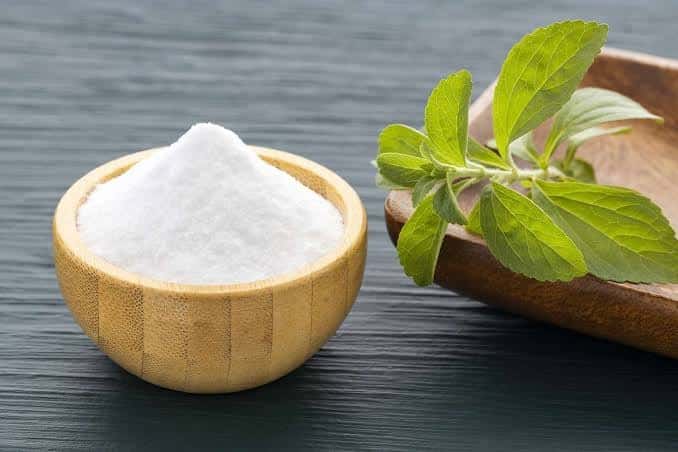 SteviaPlant-derived sweetener (Stevia rebaudiana)Quote
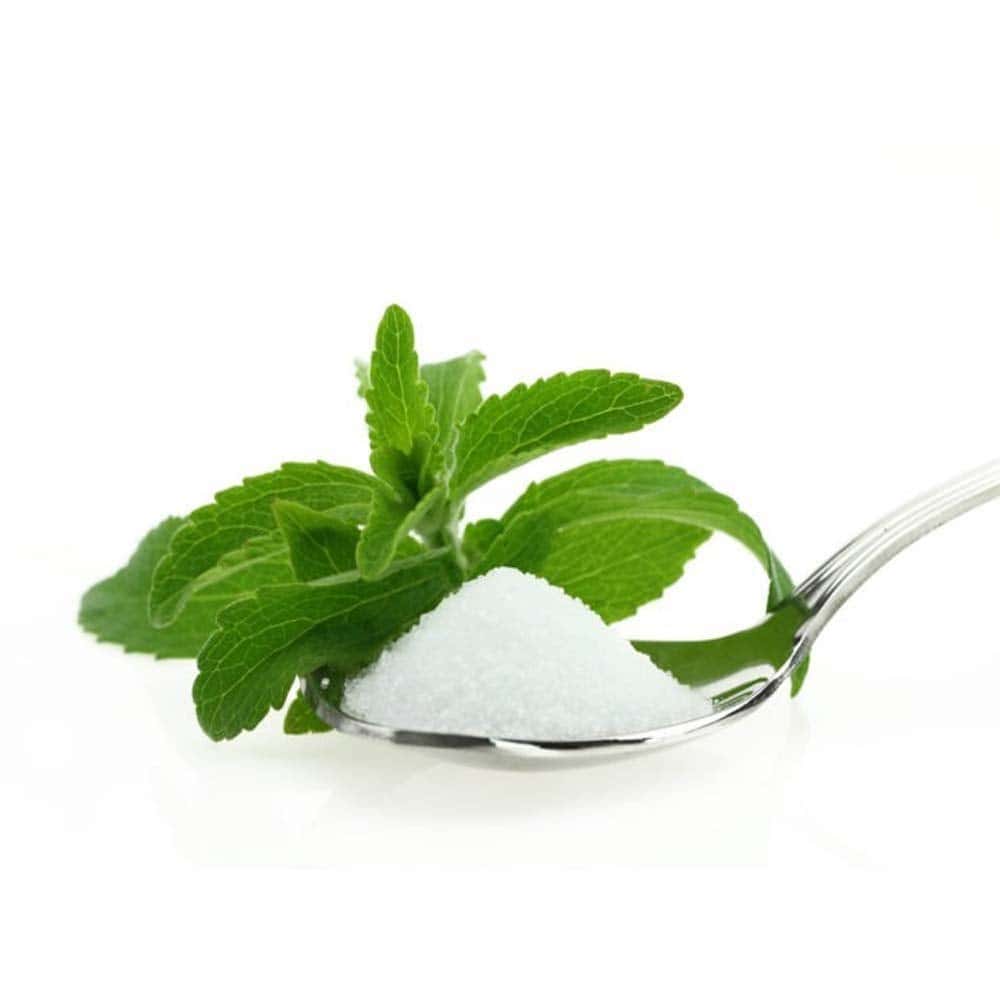 Steviol GlycosidesHigh-intensity sweetener (food additive)Quote
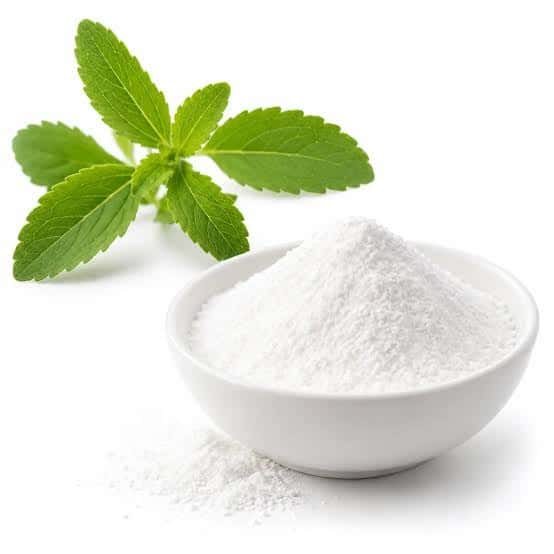 Rebaudioside A (Reb A)Steviol glycoside (high-intensity sweetener)Quote
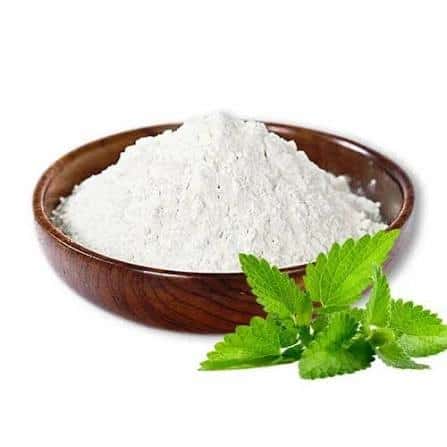 Rebaudioside M (Reb M)Steviol glycoside (high-intensity sweetener)Quote
- Thailand basedUdon Thani, Thailand
- Ready stockCommercial supply
- Multiple Thai producersBroad product range
- Global exportShipped from Thailand
- Specification supportCOA with every lot
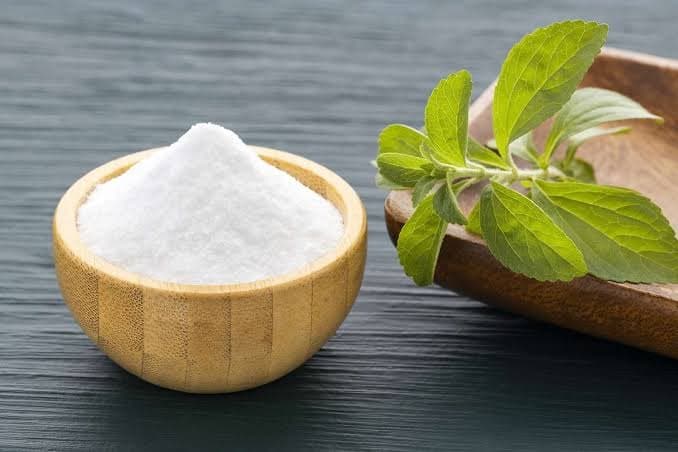
Natural Sweeteners
Stevia
Plant-derived sweetener (Stevia rebaudiana)
- Dried leaf
- Powder
- Extract
- Sweetness
- About 200–300 × sucrose
- Forms
- Leaf · Powder
- Packaging
- Fibre drum
Certificate of Analysis with every lot
What is Stevia?
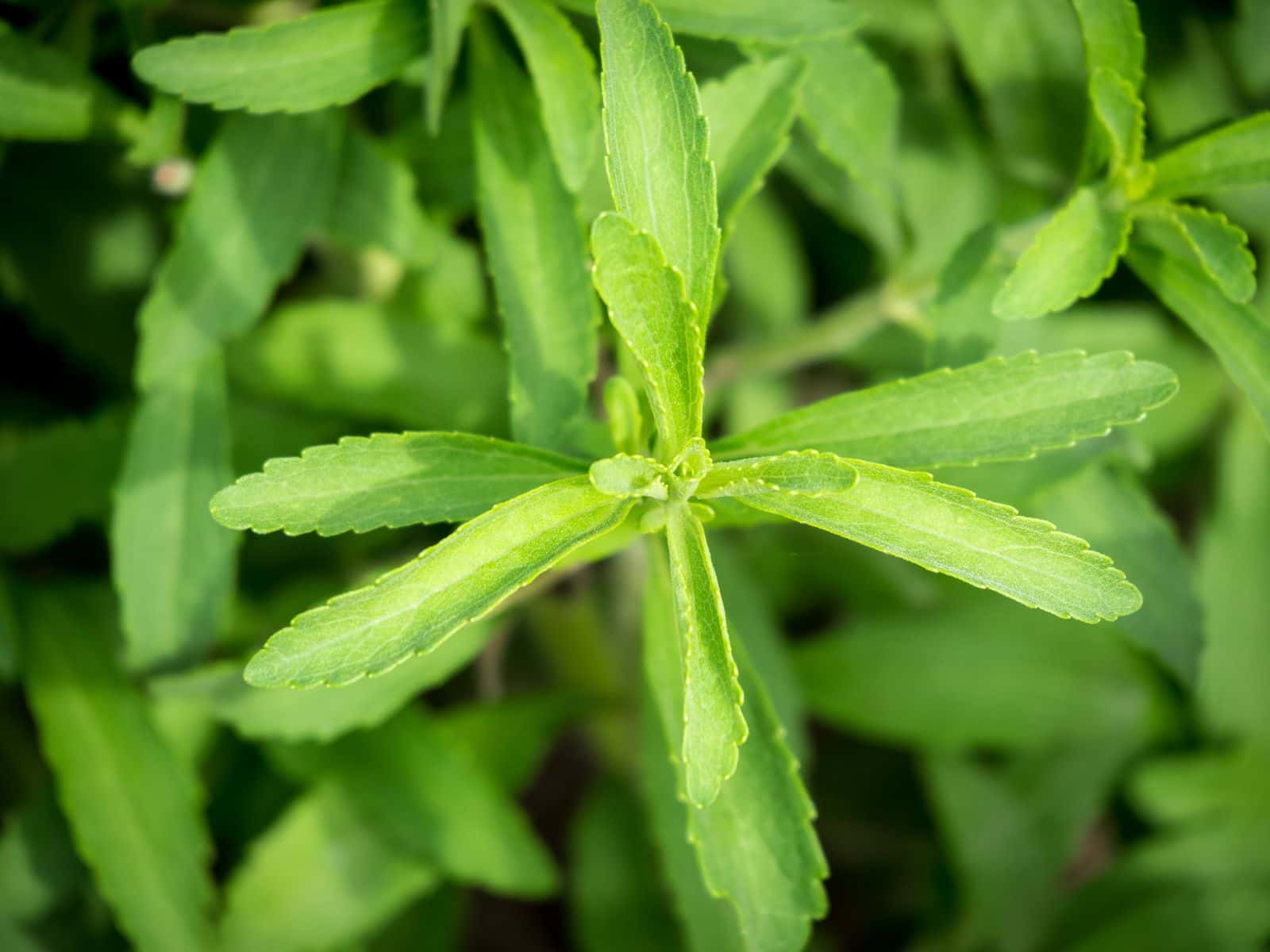
Stevia is Stevia rebaudiana (Bertoni) Bertoni, a plant native to parts of South America whose leaves contain sweet-tasting compounds called steviol glycosides. Every steviol glycoside shares the same steviol backbone, carrying different numbers and types of sugar units; JECFA lists more than forty of them. In leaf extract the major ones are stevioside and rebaudioside A, while rebaudioside M and rebaudioside D occur only as minor components.
- Beverage
- Dairy
- Confectionery
- Food Manufacturing
Key features
- Supplied in dried leaf, powder and extract forms
- Specification limits from official standards
- Certificate of Analysis with every lot
- Packed in fibre drums
- Exported from Thailand on your Incoterm
Technical data
Technical specifications
Dried leaf
Dried stevia leaf
Whole or cut dried leaves of Stevia rebaudiana. Legal use is market-specific (e.g. infusions and food supplements in the EU); not permitted as a sweetener in conventional foods in the US.
Powder
Stevia leaf powder
Milled dried leaf. Same regulatory position as the dried leaf; specify mesh size and moisture in the enquiry.
Extract
Stevia extract (crude or partly purified)
Leaf extract below the ≥ 95 % steviol glycoside level of the additive specifications. Check the destination market before ordering — crude extracts are covered by FDA Import Alert 45-06.
Powder
High-purity steviol glycosides (≥ 95 %)
The purified sweetener (E 960a / INS 960a) — full specification on the steviol glycosides page.
| Parameter | Value | Basis |
|---|---|---|
| Botanical source | Stevia rebaudiana (Bertoni) Bertoni — leaves | Standard / official specification |
| Sweet constituents | Steviol glycosides (40+ identified); stevioside and rebaudioside A are the major leaf glycosides | Typical value (reference) |
| Assay — purified grade, EU E 960a | ≥ 95 % of 11 named steviol glycosides (dried basis) | Standard / official specification |
| Assay — purified grade, JECFA INS 960a | ≥ 95 % total steviol glycosides (dried basis) | Standard / official specification |
| Relative sweetness — purified grade | About 200–300 × sucrose | Typical value (reference) |
| Steviol glycoside content — leaf or extract | Confirmed per lot on the Certificate of Analysis — contact ANUTIDA for the current specification. | |
| Moisture — dried leaf / leaf powder | Confirmed per lot on the Certificate of Analysis — contact ANUTIDA for the current specification. | |
| Particle size — leaf powder | Confirmed per lot on the Certificate of Analysis — contact ANUTIDA for the current specification. | |
Identity & status
Regulatory identity
| EU — purified steviol glycosides | Authorised food additive E 960a (steviol glycosides from Stevia); E 960b, E 960c and E 960d cover other production routes |
|---|---|
| EU — plants and dried leaves | Refused as a novel food by Commission Decision 2000/196/EC (under Regulation (EC) No 258/97) |
| EU — Novel Food Status Catalogue | Non-concentrated aqueous leaf infusion: not novel (teas, infusions and drinks based on them only); leaves: not novel in food supplements; leaf extracts as sweetener excluded |
| US — stevia leaf and crude extracts | Not GRAS for conventional foods; subject to FDA Import Alert 45-06 |
| US — high-purity steviol glycosides | ≥ 95 % steviol glycosides: numerous GRAS notices with FDA “no questions” letters |
| JECFA ADI (steviol glycosides) | 0–4 mg/kg bw, expressed as steviol (69th JECFA, 2008; confirmed at the 102nd meeting, 2026) |
| Thailand | Steviol glycosides are a food additive (sweetener); quality per Codex/JECFA specifications, INS 960a–960d; conditions of use under MOPH Notification No. 468 (2025) |
The status of dried leaf and crude extract depends on the destination market and on the intended use (infusion, supplement or sweetener). State both in your enquiry; ANUTIDA confirms the grade that fits.
Applications & industries
- Table-top sweeteners (purified grades)
- Energy-reduced and no-added-sugar beverages
- Flavoured fermented milk products
- No-added-sugar confectionery
- Teas and herbal infusions (dried leaf, where permitted)
- Food supplements (leaf or purified grade, by market)
Packaging, origin and manufacturers
Packaging options
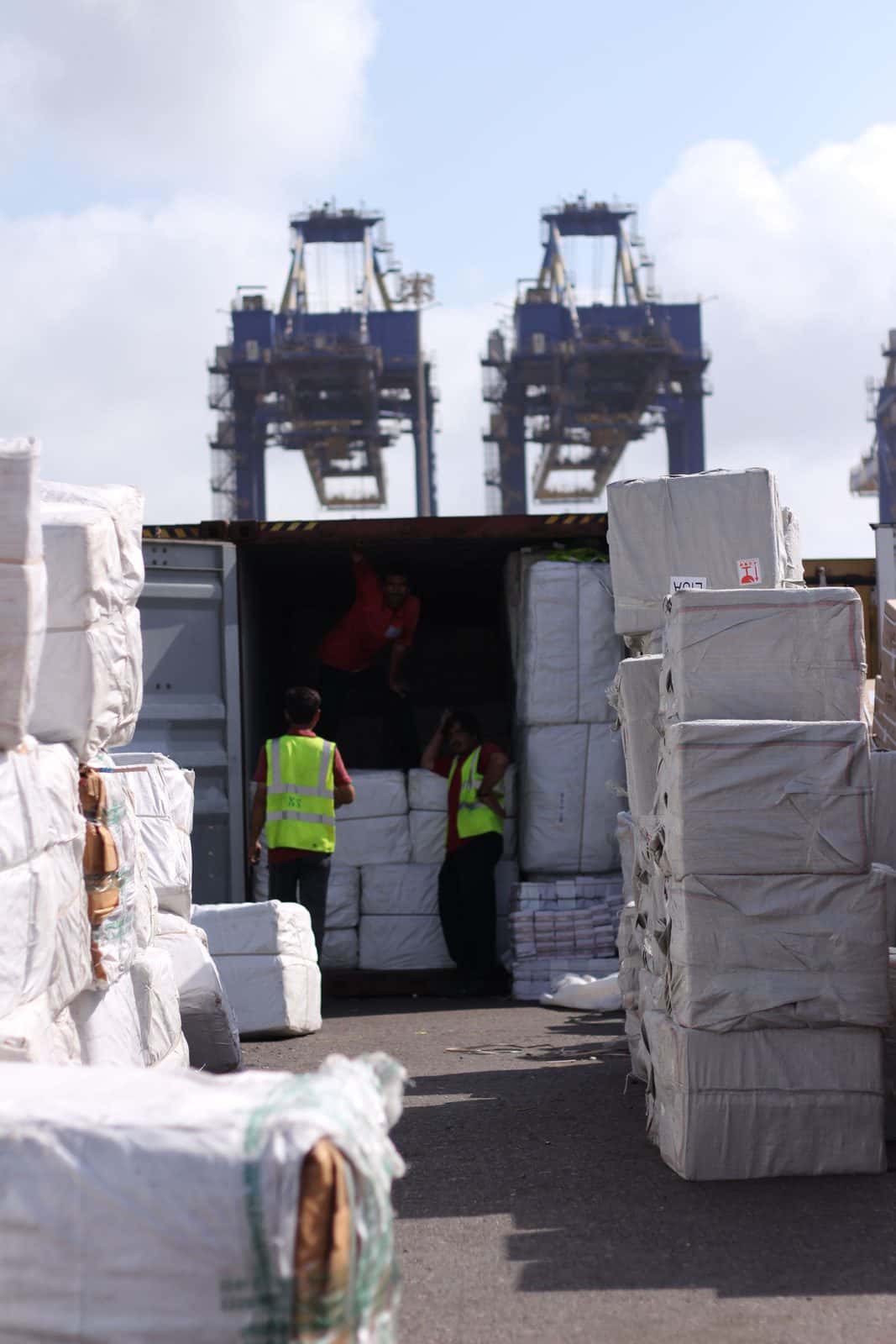
- Fibre drums
Fibre drums with polyethylene inner liners are documented for purified steviol glycoside powders. Packing for dried leaf, leaf powder and crude extracts varies by producer and is confirmed in the quotation.
Origin
Stated in the quotation
Each quotation states the origin, producer and specification of the offered lot.
Supplied and exported by ANUTIDA — Udon Thani, Thailand
Manufacturer information
You buy from ANUTIDA. The producer of the offered lot is named in the quotation; state any preferred manufacturer or brand in your request.
Paperwork & shipping
Documentation & export
Each quotation states the specification of the offered product. Export shipments travel with the document set agreed in your contract — typically a commercial invoice, packing list, bill of lading, certificate of origin and a Certificate of Analysis for the lot. List any further documents you need, such as third-party inspection, halal or kosher certificates or a health certificate, and they are confirmed in the quotation. Read how shipping works on the export and logistics pages.
- Minimum order
- Confirmed with quotation
- Lead time
- Confirmed with quotation
- Delivery
- Export from Thailand
Product guide
About Stevia
In the ingredient trade the word “stevia” is used for three different materials, and buyers should never treat them as interchangeable: the dried leaf (whole, cut or milled to leaf powder), stevia extracts that have not been purified to food-additive grade, and high-purity steviol glycosides containing at least 95 % steviol glycosides. Only the last is the sweetener food additive known as E 960a in the EU and INS 960a in the JECFA specifications — see our page on purified steviol glycosides.
Leaf, extract and purified steviol glycosides compared
| Material | What it is | EU position | US position |
|---|---|---|---|
| Dried stevia leaf / leaf powder | Harvested leaves, dried and cut or milled | Refused as a novel food in 2000; a water-only, non-concentrated infusion is not novel for teas and infusion drinks; leaves not novel in food supplements | Not GRAS for use in conventional foods; listed in FDA Import Alert 45-06 |
| Stevia extract (crude / partly purified) | Water extract of the leaf below food-additive purity | Use of leaf extracts as a sweetener is excluded from the infusion status; a sweetener must meet the additive specifications | Crude extracts are not GRAS and fall under Import Alert 45-06 |
| High-purity steviol glycosides | Purified extract with ≥ 95 % steviol glycosides | Authorised additive E 960a (plus E 960b–E 960d for other production routes) | Subject of numerous GRAS notices to which FDA had no questions |
From leaf to purified sweetener
JECFA describes the leaf-extraction route as hot-water extraction of the leaves, capture and concentration of the glycosides on an adsorption resin, release with an alcohol wash and recrystallisation from methanol or aqueous ethanol; ion-exchange resins may be used and the product may be spray-dried. Crystallisation conditions decide the composition — a product with rebaudioside A as the principal component, for example, is obtained by crystallising it out of the purified extract. Two other routes exist: fermentation, which makes steviol glycosides from simple sugars without using the leaf, and enzymatic conversion of purified leaf glycosides into minor glycosides such as rebaudioside M.
Why the regulatory status differs by form
In the EU, Commission Decision 2000/196/EC refused stevia plants and dried leaves as a novel food. The current Novel Food Status Catalogue records that a non-concentrated aqueous infusion of the leaves (water only, no selective extraction) is not novel, but only for teas, herbal and fruit infusions consumed as such and non-alcoholic drinks based on them, such as iced teas; stevia leaves are also not novel in food supplements. Using a leaf extract as a sweetener brings it under the food-additive rules, where only the specified E 960a–E 960d substances are permitted.
In the United States, FDA does not consider stevia leaf or crude stevia extracts GRAS for conventional foods, and Import Alert 45-06 allows detention of such shipments. Highly purified steviol glycosides (≥ 95 % on a dried basis) are excluded when the shipment carries a certificate of analysis and manufacturing-process information. In Thailand, the Thai FDA treats steviol glycosides as a food additive whose quality must follow the Codex/JECFA specifications in four groups (INS 960a–960d).
Applications by industry
- Beverages and dairy products — purified steviol glycosides in energy-reduced or no-added-sugar products (see beverage and dairy applications).
- Table-top sweeteners — purified grades; the EU permits E 960a–E 960d in liquid, powder and tablet table-top sweeteners at quantum satis.
- Confectionery — no-added-sugar confectionery within the EU maximum levels (confectionery).
- Teas and infusions — dried leaf where the destination market permits it for that use.
- Food supplements — dried leaf or purified grades, depending on the market; the grade must be specified for supplement use.
Formulation notes
Purified steviol glycosides are roughly 200–300 times as sweet as sucrose according to JECFA (200–350 times in the EU specification), so they are dosed in parts per million. JECFA notes that the minor glycosides include Reb M and Reb D, that several minor glycosides have more favourable sensory characteristics than the major ones, and that this prompted new technologies to produce grades with higher proportions of minor glycosides. EU maximum levels are expressed as steviol equivalents, so the conversion factor of the specific glycoside matters when calculating a dose.
What to specify when you request a quotation
- The material: dried leaf, leaf powder, extract, or purified steviol glycosides (≥ 95 %).
- The destination market and the intended use (sweetener, infusion or supplement), since the legal status depends on both.
- For purified grades: the specification the certificate of analysis must certify against (EU E 960a or JECFA INS 960a) and the principal glycoside (e.g. Reb A, Reb M).
- For US shipments of purified grades: the COA and manufacturing-process information required under Import Alert 45-06.
- Quantity, packaging and delivery terms.
Buyer questions
Stevia FAQ
Is stevia leaf the same as steviol glycosides?
No. Steviol glycosides are the purified sweet compounds (≥ 95 % in additive grades) extracted from the leaf; the leaf itself and crude extracts have a different, more restricted legal status in the EU and US. Specify which one you need.
Can dried stevia leaf be used as a sweetener in food exports?
It depends on the market. In the US, stevia leaf and crude extracts are not GRAS for conventional foods (Import Alert 45-06). In the EU, a water-only leaf infusion is not novel for teas and infusion drinks, and leaves are not novel in food supplements, but a leaf extract used as a sweetener must meet the E 960 additive rules.
Which documents come with purified grades?
Each lot ships with a Certificate of Analysis stating the steviol glycoside assay and purity results. For US imports, FDA also expects manufacturing-process information alongside the COA; list any further documents (halal, kosher, health certificate) in your request.
How is stevia packed?
Purified steviol glycoside powders are commonly packed in fibre drums with polyethylene liners. Leaf and extract packing varies by producer; the format for your order is confirmed in the quotation.
How do I order stevia from ANUTIDA?
Send a request for quotation with the material, target composition, destination, intended use, quantity and packaging. ANUTIDA replies with a written offer stating the specification; MOQ and lead time are confirmed with the quotation.
Last updated 6 October 2026
Related supply
Other Sweeteners You May Be Interested In
- SweetenerSteviol GlycosidesHigh-intensity sweetener (food additive)SpecificationView specification
- SweetenerRebaudioside A (Reb A)Steviol glycoside (high-intensity sweetener)SpecificationView specification
- SweetenerRebaudioside M (Reb M)Steviol glycoside (high-intensity sweetener)SpecificationView specification
 SweetenerMonk Fruit ExtractFruit-derived high-intensity sweetener (mogrosides)SpecificationView specification
Knowledge Center
Related Articles & Resources
- SweetenersStevia vs Sucralose: Comparing Two High-Intensity SweetenersPurified stevia sweeteners and sucralose compared on origin, specification, sweetness, ADI, EU and US status and processing — with sources for every figure.Read guide
- SweetenersSteviol Glycosides vs Monk Fruit Extract: What Buyers Should KnowStevia-derived steviol glycosides and monk fruit extract compared — composition, grades, sweetness and, above all, where each one may legally be sold.Read guide
- SweetenersReb A vs Reb M vs Reb D: How the Steviol Glycosides CompareThree steviol glycosides, one backbone: how Reb A, Reb M and Reb D differ in structure, production route, EU specification and steviol-equivalent dosing.Read guide
 SweetenersDextrose Monohydrate vs Dextrose AnhydrousBoth forms are at least 99.5% D-glucose on a dry basis. The difference is one molecule of crystal water, which changes total solids, dosage and moisture behaviour.Read guide
Request a quotation
Need Stevia or Other Sweeteners?
Tell us your product, specification, quantity and destination. ANUTIDA replies with packaging options and a written quotation.