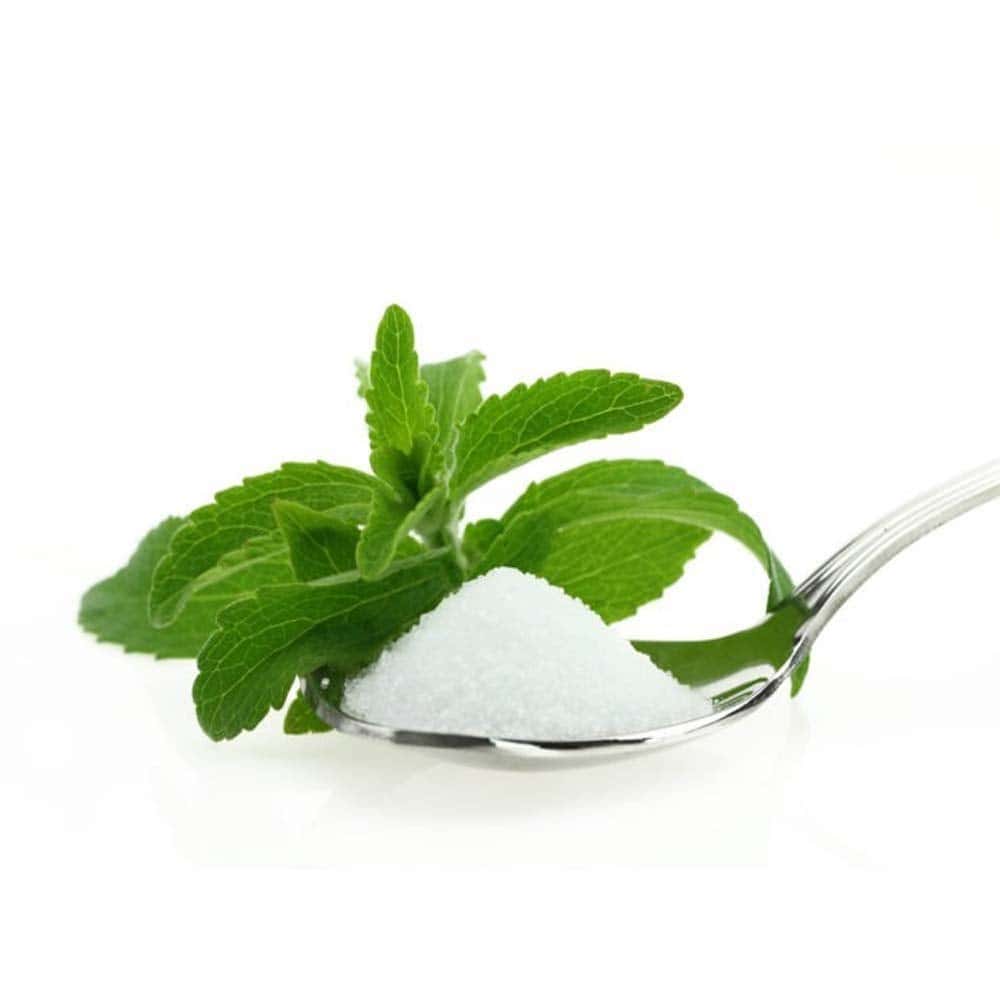

ANUTIDAThai Sugar · Export — home page

Industries

Sugar & Sweeteners for Food Manufacturing

Processed-food plants use sugar for far more than sweetness: it builds bulk and body, controls water activity, drives browning and carries flavour. ANUTIDA supplies Thai refined, white, brown and liquid sugar together with starch-based and high-intensity sweeteners, so one supplier can cover the sweetening side of a whole recipe portfolio.

What sugar does in processed food

In sauces, preserves, fillings, snacks and ready meals, sucrose is a functional ingredient as much as a sweetener. Food scientists list texture, viscosity, bulk, colour development, stability and flavour release among its roles — which is why replacing it is rarely a one-for-one swap. The right grade depends on what the sugar has to do in your process:

  • Bulk and body — sugar is often a large share of the solids in jams, sauces and fillings. When it is cut and sweetness comes from high-intensity sweeteners instead, starch, gums or other bulking ingredients have to restore the body.
  • Water activity — dissolved sugar binds water. Lowering the sugar in a sweetened product raises its water activity, which affects microbial stability and shelf life.
  • Colour and roasted flavour — reducing sugars (glucose, fructose, invert sugar) take part in Maillard and caramelisation reactions during heating, so dextrose or invert syrup is used where more browning is wanted.
  • Dissolving and dosing — liquid sugar removes the dissolving step; fine crystals dissolve faster than standard granulated sugar.

Matching the grade to the product

Sugar grades for processed-food applications
ApplicationGrade to considerWhy
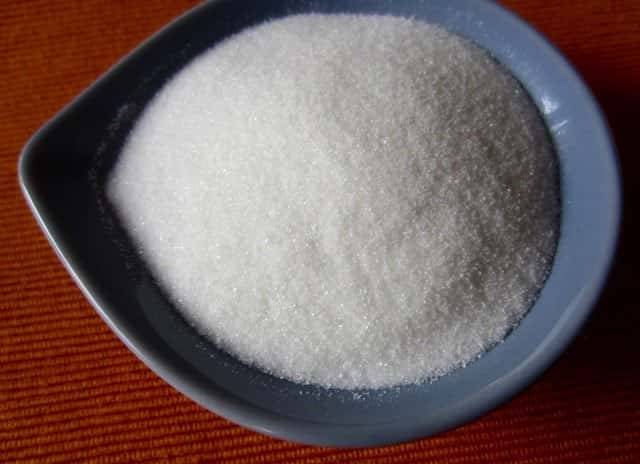
Clear or very pale products: syrups, clear sauces, jellies, fruit in syrupICUMSA 45 refined sugar or liquid sucroseLowest colour — the Thai refined class is 0–45 ICUMSA units at ≥ 99.80 °Z
Cooked products where a trace of colour is acceptable: sauces, pickles, dressings, fillingsICUMSA 100 or ICUMSA 150 white sugarBoth fall within Thai white grade 1 (46–200 IU, ≥ 99.50 °Z); used where the lowest colour is not needed
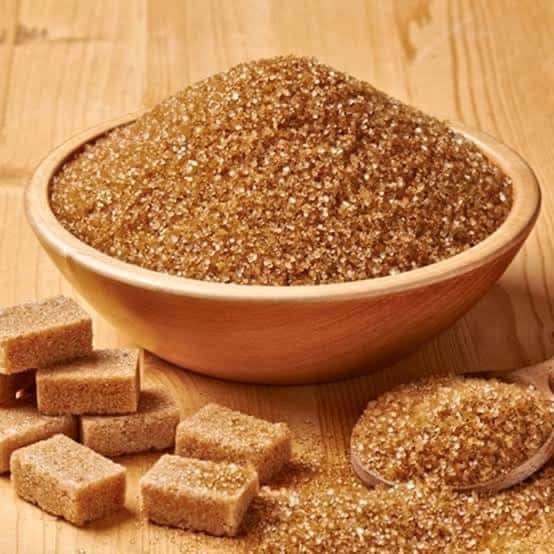
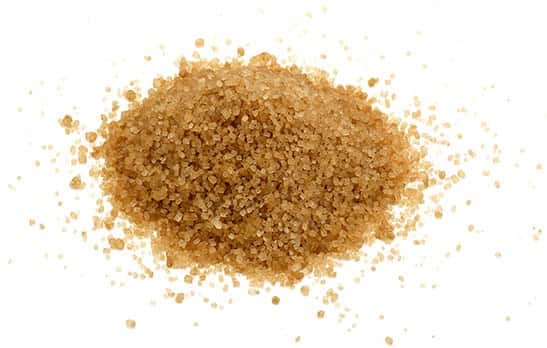
Dishes and desserts that need cane colour and flavourNatural brown sugarKeeps part of the cane molasses, colour and aroma
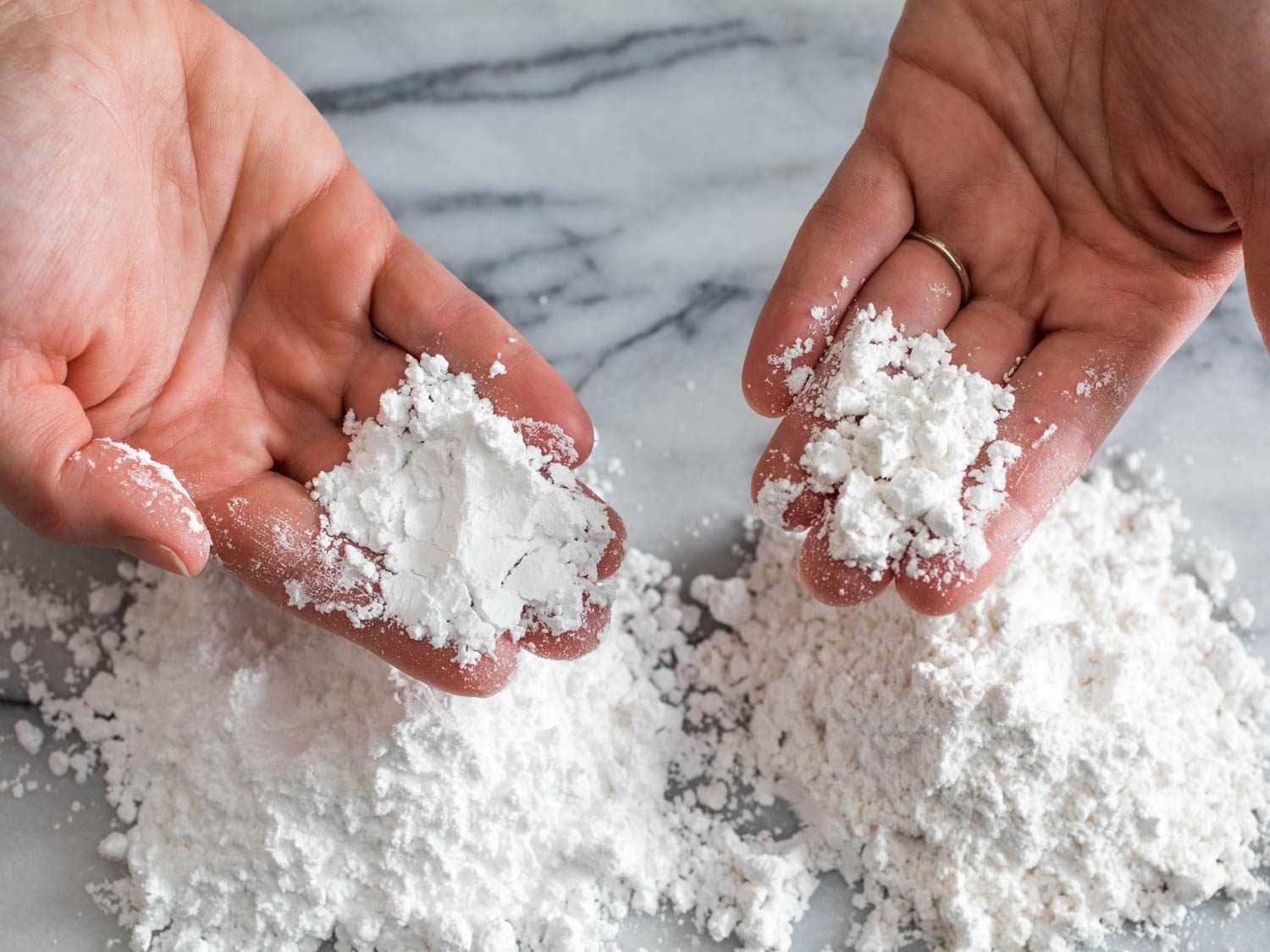
Dry mixes, coatings, dustingIcing sugar or fine-grain caster sugarFine particles blend evenly; Codex allows icing sugar up to 5% starch as anticaking agent
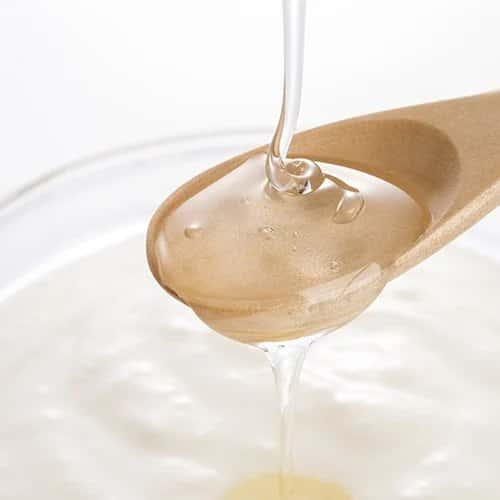
High-volume liquid dosingLiquid sucrose or invert sugar syrupPumped and metered; invert syrup stays liquid at higher solids
Sugar grades for processed-food applications. Thai classes per the Cane and Sugar Board notification B.E. 2564. ICUMSA 100 and ICUMSA 150 are commercial colour specifications inside Thai white grade 1.

White sugar is a mainstream processing grade, not a compromise. OCSB figures published by USDA show Thai fruit- and food-product makers used 215,942 t of white sugar and 64,162 t of refined sugar in 2025. If you are unsure which applies, see refined vs white sugar.

Where sweeteners fit

  • Glucose syrup, dextrose and maltodextrin add solids, body and browning at a different sweetness from sucrose. EU law defines glucose syrup as made from starch (or inulin), with at least 70% dry matter and a dextrose equivalent (DE) of at least 20; dextrose is crystallised D-glucose, sold as monohydrate or anhydrous.
  • High-intensity sweeteners replace sweetness, not bulk. The US FDA describes sucralose as about 600 times and acesulfame K as about 200 times sweeter than table sugar, and both as heat-stable; aspartame loses sweetness when heated.
  • Polyols such as sorbitol and maltitol add bulk at 25–100% of sugar's sweetness. In the EU, foods with more than 10% added polyols must carry the statement “excessive consumption may produce laxative effects”.

What to put in your RFQ

RFQ checklist for food-manufacturing sugar
ParameterHow to specify itWhy it matters
Product and gradee.g. refined sugar ICUMSA 45; white sugar ICUMSA 150; glucose syrup with its DESets colour, purity and the price basis
ColourMaximum ICUMSA unitsVisible in clear or pale products
PurityMinimum polarisation (°Z) for sugar; assay or DE for sweetenersConsistent sweetness and solids
MoistureMaximum %, e.g. ≤ 0.06% (ICE White Sugar contract basis)Caking and flow in storage
GranulationStandard, fine/caster or powder; a sieve range if criticalDissolving speed and blending
Sulphur dioxideCodex: ≤ 15 mg/kg for white sugar, ≤ 70 mg/kg for plantation white sugarIn the EU, sulphites above 10 mg/kg in the final food must be declared as an allergen
MicrobiologyYour release limits, so they are reported on the COAFood-safety release
Packaging and documents50 kg / 25 kg / jumbo bags or tanker; COA plus any certificates you needIntake equipment and market access
RFQ checklist for food-manufacturing sugar. Codex CXS 212-1999 annex values are for voluntary application between trading partners. Product pages list the sourced specification of each product.

Packaging, storage and documents

Crystal sugar is normally supplied in 50 kg woven polypropylene bags with a polyethylene liner — the unit reference contracts are written around — and in 25 kg bags or one-tonne jumbo bags for plants with mechanised intake. Liquid sucrose and syrups travel by road tanker. Store crystal sugar dry and away from odours: marine cargo guidance puts the ideal relative humidity for white sugar at 55–65%, and above about 70% it turns sticky. See the sugar packaging guide and storage guide.

Every lot ships with a Certificate of Analysis against the agreed specification. Producer certificates and destination-specific documents are named in your request and confirmed in the quotation, and ANUTIDA arranges the export permits, customs clearance and shipping documents each shipment requires. More on quality and logistics.

Sugar for food manufacturing

Refined Sugar

ICUMSA 45 Refined Sugar

Thai refined cane sugar in the 0–45 IU colour class with pol of at least 99.80 °Z — the quality behind the world white-sugar benchmark — supplied in 50 kg, 25 kg and 1-tonne bags for export.

  • ICUMSA 45
  • Thailand origin
  • Crystalline

Packaging: 50 kg, 25 kg, Jumbo

White Sugar

ICUMSA 150 White Sugar

Thai mill white cane sugar held to the Codex plantation-white colour ceiling of 150 IU (pol ≥ 99.5 °Z), inside Thai white sugar grade 1 — bagged for importers, repackers and food manufacturers.

  • ICUMSA 150
  • Thailand origin
  • Crystalline

Packaging: 50 kg, 25 kg, Jumbo
White Sugar

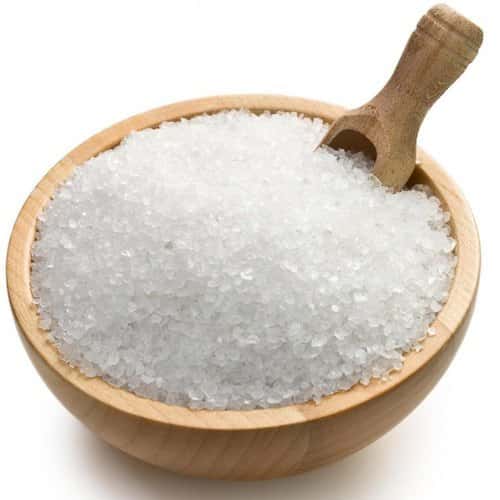
ICUMSA 100 White Sugar

Thai white cane sugar contracted at 100 IU or less — a buyer and producer tier inside Thai white grade 1 for users who want whiter sugar than standard mill white without moving to refined.

  • ICUMSA 100
  • Thailand origin
  • Crystalline

Packaging: 50 kg, 25 kg, Jumbo
Liquid Sugar

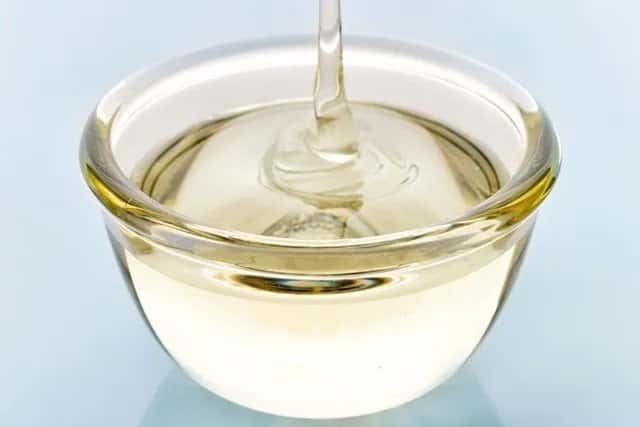
Liquid Sucrose

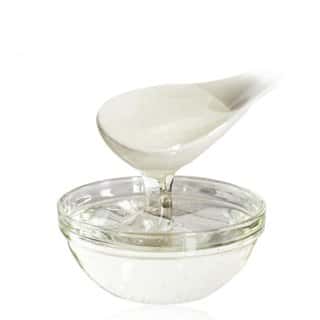
Thai liquid sucrose — refined-quality sugar dissolved to about 66–68 % solids with colour of 35 IU or less — delivered by road tanker to beverage and food plants.

  • Thailand origin
  • Syrup

Packaging: Tanker

Liquid Sugar

Invert Sugar Syrup

Sucrose syrup partly or largely split into glucose and fructose by acid or enzyme hydrolysis, giving higher solids without crystallising — specified by inversion level against the EU definitions and delivered by tanker.

  • Thailand origin
  • Syrup

Packaging: Tanker

Brown Sugar

Natural Brown Sugar

Thai natural and golden brown cane sugars — free-flowing mill crystals that keep part of the cane's colour and flavour, specified by producer colour ranges and packed from 1 kg retail packs to 1-tonne bags.

  • Thailand origin
  • Crystalline

Packaging: 50 kg, 25 kg, Jumbo, 1 kg

Specialty Sugar

Fine-Grain Caster Sugar

Thai refined or white sugar made to a fine crystal — Thai producers publish grain sizes of 0.40 mm or below — for fast dissolving in bakery, beverages and dry mixes; 25 kg sacks and 1 kg packs.

  • Thailand origin
  • Crystalline

Packaging: 25 kg, 1 kg

Icing Sugar

Icing Sugar

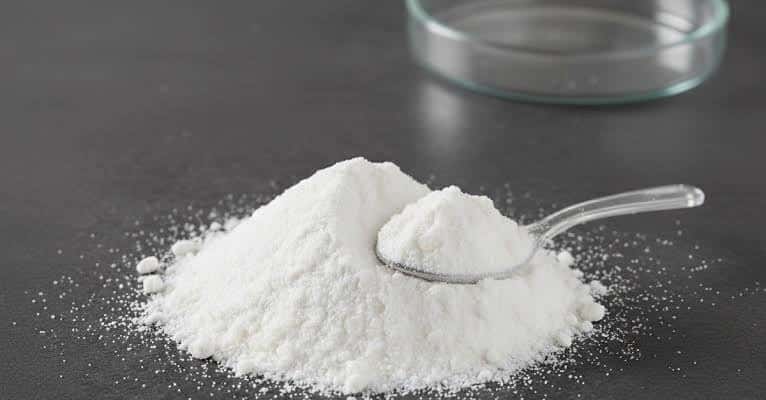
Finely milled Thai icing sugar made from white or refined sugar, with or without starch as an anticaking agent — Codex colour ≤ 60 IU — supplied in 25 kg sacks for bakeries and confectioners.

  • Thailand origin
  • Powder

Packaging: 25 kg

Specialty Sugar

Organic Cane Sugar

Cane sugar grown and milled under organic certification in Thailand — defined by its certificate rather than by a colour grade — with organic production recorded at Wangkanai and Thai Roong Ruang group mills.

  • Thailand origin
  • Crystalline

Packaging: 1 kg

Sweeteners for food manufacturing

Starch-Based Sweeteners

Glucose Syrup

Purified, concentrated starch hydrolysate with DE ≥ 20 and ≥ 70% total solids (Codex CXS 212), quoted by ANUTIDA against your DE and solids specification.

  • Syrup

Packaging: Drum, IBC, Flexitank, Tanker

Starch-Based Sweeteners

Dextrose

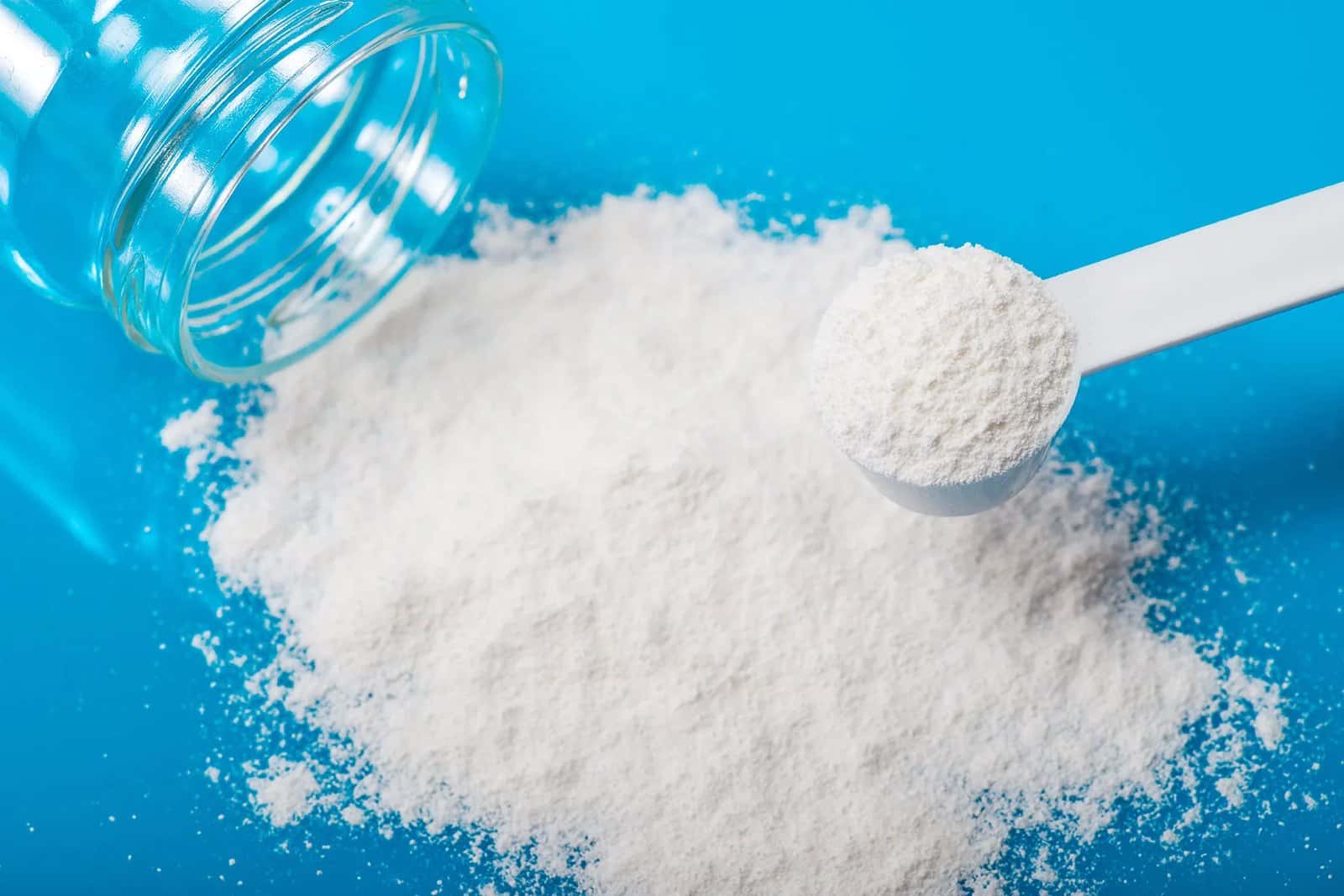
Purified, crystallised D-glucose (≥ 99.5% D-glucose, dry basis) in monohydrate or anhydrous form, commonly supplied in 25 kg or 50 kg bags with a COA for each lot.

  • Crystalline
  • Powder

Packaging: 25 kg, 50 kg

Starch-Based Sweeteners

Maltodextrin

Starch hydrolysate with DE below 20 (21 CFR 184.1444): a low-sweetness, soluble white powder for bulking and carrying flavours, commonly packed in 25 kg bags.

  • Powder

Packaging: 25 kg

Sugar Alcohols & Polyols

Sorbitol

Sorbitol (E 420) as crystalline powder and as sorbitol syrup / 70% solution, quoted against JECFA or EU specifications, for food, pharmaceutical and technical use.

  • Powder
  • Crystalline

Packaging: 25 kg, Fibre drum, Drum, IBC, Flexitank, Tanker

Sugar Alcohols & Polyols

Maltitol

Maltitol (E 965) as crystalline maltitol and as maltitol syrup, quoted against JECFA or EU specifications, for chocolate, confectionery, bakery and dairy use.

  • Crystalline
  • Powder

Packaging: 25 kg, Drum

High-Intensity Sweeteners

Sucralose

Food-grade sucralose powder (E 955), about 600 times sweeter than sugar per the US FDA, supplied to the JECFA / EU specification with a COA per lot.

  • Powder
  • Granular

Packaging: Fibre drum, 25 kg

High-Intensity Sweeteners

Acesulfame-K

Acesulfame potassium (Ace-K, E 950): a heat-stable sweetener about 200 times sweeter than sugar, often used together with other sweeteners.

  • Crystalline
  • Powder

Packaging: agreed per order

Natural Sweeteners

Steviol Glycosides

Purified steviol glycosides with ≥ 95 % total glycosides — leaf-extracted (E 960a), fermentation, enzyme-modified and glucosylated grades supplied by ANUTIDA.

  • Powder

Packaging: Fibre drum

Frequently asked questions

Do I need ICUMSA 45 refined sugar for food manufacturing?

Not always. ICUMSA 45 is the right choice for clear or very pale products and colour-critical syrups. For many sauces, fillings and cooked products, white sugar of ICUMSA 100–150 (Thai white grade 1) does the same job — Thai food-product makers used more white than refined sugar in 2025, according to OCSB data published by USDA.

Can I buy sugar and sweeteners from ANUTIDA in one order?

Yes — list every product, grade and volume in one request for quotation. Consolidation into one container and the packing of each product are confirmed in the quotation.

What documents come with each shipment?

A Certificate of Analysis for each lot, plus the commercial invoice, packing list, bill of lading and certificate of origin. Name any further certificates you need, such as halal or a producer's food-safety certificate, in your request; the certificates accompanying the lot are confirmed in the quotation.

What are the minimum order and lead time?

Both depend on the product, packaging and destination, so they are confirmed with each quotation rather than fixed in advance.

Request a quotation

Supplying food manufacturing?

Tell us the product, specification, quantity and destination. ANUTIDA's sales desk replies with packaging options and a written quotation.

Request Quote