Thai sugar
Icing Sugar Supplier from Thailand
- Thai origin
- Commercial supply
- Published specifications
- Export from Thailand
On this pageIcing Sugar
Products
Icing Sugar products
Finely milled Thai white or refined sugar, pure or with anticaking starch — supplied by ANUTIDA for bakery, confectionery and food production.
Sugar
Icing Sugar
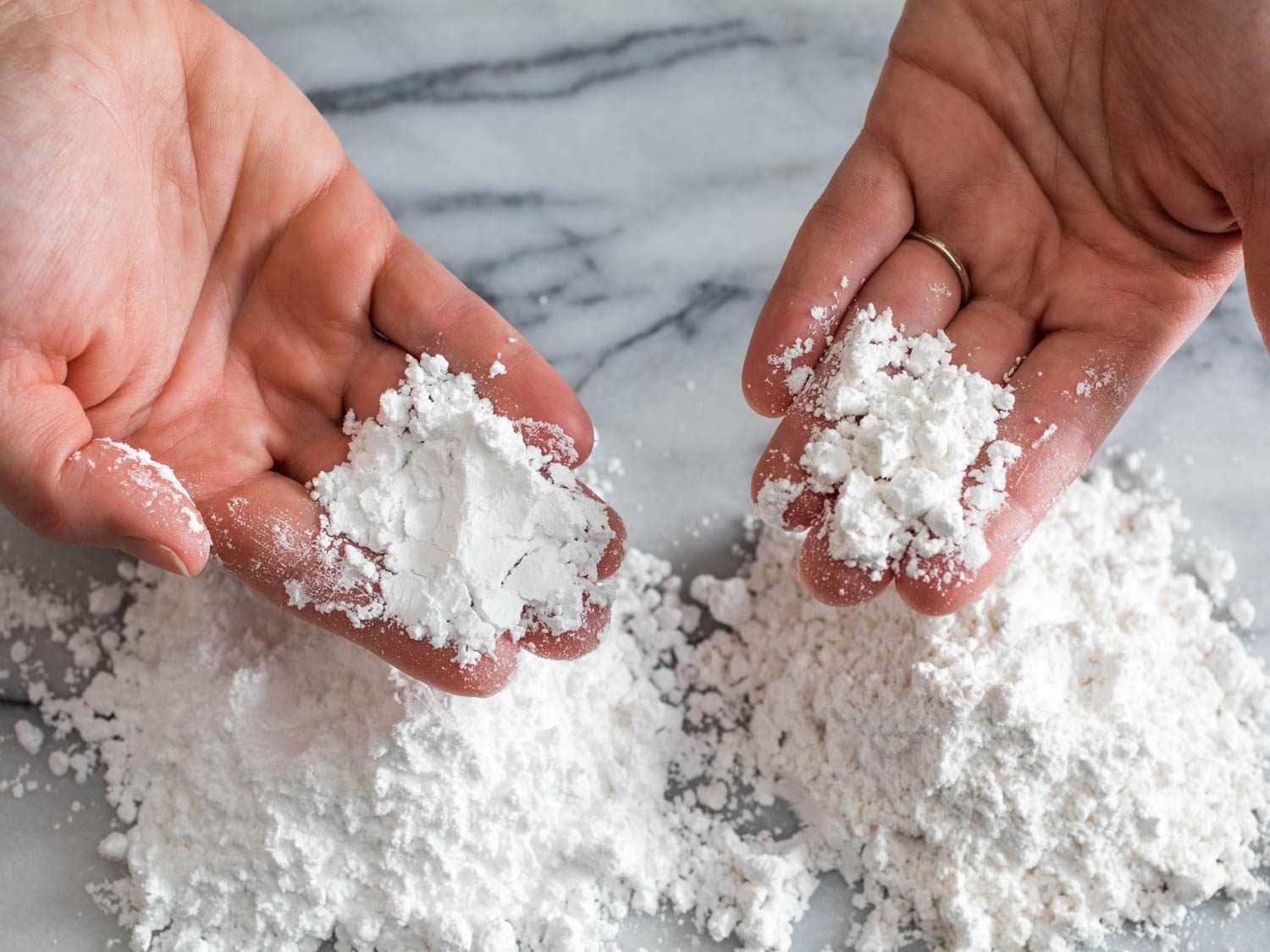
Powdered sugar milled from white or refined sugar
- ICUMSA colour
- ≤ 60 IU
- Ash
- ≤ 0.04 % m/m
Buyer's guide
What icing sugar is
Icing sugar is made by pulverising refined or white sugar in mills and sieving it to a fine powder. To keep the powder free-flowing, many grades contain a small amount of starch — maize or tapioca — or another anticaking agent. Codex covers the product as powdered sugar (icing sugar): finely pulverised white sugar, with or without anticaking agents, with a voluntary colour limit of 60 ICUMSA units.
Thailand's TIS 755-2565, in force since January 2023 and replacing TIS 755-2531, covers powdered sugar made from white or refined sugar that complies with TIS 56. It sets requirements for raw material, food additives, contaminants, hygiene, packing, labelling, sampling and testing. It is a voluntary standard, so contracts carry the producer's or buyer's own figures.
Pure or with starch
The first specification choice is whether the sugar may contain starch or another anticaking agent:
| Type | Composition | Codex reference (voluntary annex, 2001 text) |
|---|---|---|
| Pure icing sugar | Milled sugar only | Colour ≤ 60 IU; conductivity ash and invert sugar ≤ 0.04% each |
| Icing sugar with starch | Milled sugar plus starch (e.g. maize or tapioca) | Starch ≤ 5.0% when no other anticaking agent is used |
| Icing sugar with other anticaking agents | Milled sugar plus permitted anticaking agents | ≤ 1.5% when no starch is used |
Thai products show both approaches: a leading retail brand uses tapioca starch, while TRR sells an industrial “pure” icing sugar. Starch type affects ingredient labelling, so name it in your specification together with the maximum percentage.
Fineness and quality
Fineness determines how the sugar behaves in icings, glazes and coatings. India's IS 1152 icing sugar standard, for example, requires at least 98% to pass a 150 µm sieve and at least 75% to pass 75 µm. TRR's industrial icing sugar is specified at an average particle size of 75–106 µm, polarisation of at least 95° and moisture of 0.5%. Ask for particle size and moisture on the Certificate of Analysis, and agree how particle size is measured.
In Thailand, icing sugar is made by producers including Mitr Phol and TRR. A complete icing-sugar specification covers:
- Base sugar — refined or white sugar; TIS 755-2565 requires a base sugar that complies with TIS 56.
- Anticaking agent — none, starch (type and maximum percentage) or another permitted agent.
- Fineness — sieve-passing percentages or average particle size, with the test method.
- Moisture and colour — maximum moisture and ICUMSA colour (Codex reference: 60 IU or less).
- Packing and marking — 25 kg sacks, marking language and, if palletised, ISPM 15-treated pallets.
Packaging, storage and shipping
Industrial icing sugar from Thai producers is documented in 25 kg sacks; retail packs (for example 900 g) are also made. Like all sugar, icing sugar must be kept dry and away from odours, in clean, dry, odour-free containers, below about 65% relative humidity. Under those conditions a European producer gives icing sugar with maize starch a two-year shelf life and pure icing sugar a virtually unlimited one; one Thai producer labels its retail icing sugar with two years.
If you have milling equipment, compare buying icing sugar with importing refined sugar and milling it locally. ANUTIDA can quote both so you can compare landed cost. See the sugar storage guide for warehouse conditions.
Who uses icing sugar
Thai brands market icing sugar for frosting, macarons, tarts, cookies and glazes, and India's standard notes it is mostly used for dusting and confectionery. Main buyers are bakeries, confectionery makers and food manufacturers, plus distributors supplying food-service and retail.
How ordering works
A clear process from enquiry to export.
- 01Define your requirementGrade, quantity, packaging and destination port.
- 02Confirm specificationWe confirm the specification, packing and documents for your market.
- 03Request your quoteA written quotation with specification, origin and delivery terms.
- 04Export coordinationANUTIDA arranges packing, export clearance, loading and shipping documents.
Shipments travel with the document set agreed in your contract — typically a commercial invoice, packing list, bill of lading, certificate of origin and a Certificate of Analysis for the lot. Minimum order and lead time are confirmed with each quotation. See export and logistics.
Thai manufacturers producing icing sugar
ANUTIDA supplies icing sugar made across the Thai sugar industry. Name a preferred mill or brand in your request and the manufacturer is confirmed with each offer.
Icing Sugar — buyer questions
Quick answers to common questions from international buyers.
Does Thai icing sugar contain starch?
It depends on the product. Some Thai icing sugars contain tapioca starch as an anticaking agent, while industrial “pure” icing sugar contains none. Codex allows up to 5% starch. State your requirement in the request.
How fine is icing sugar?
There is no single international fineness limit. As examples, India's IS 1152 requires 98% through a 150 µm sieve, and one Thai industrial grade is specified at 75–106 µm average particle size.
How is icing sugar packed for export?
Industrial icing sugar is documented in 25 kg sacks. Keep it dry in transit and storage — below about 65% relative humidity — to prevent caking.
Related sugar categories
Knowledge Center
Guides for icing sugar buyers
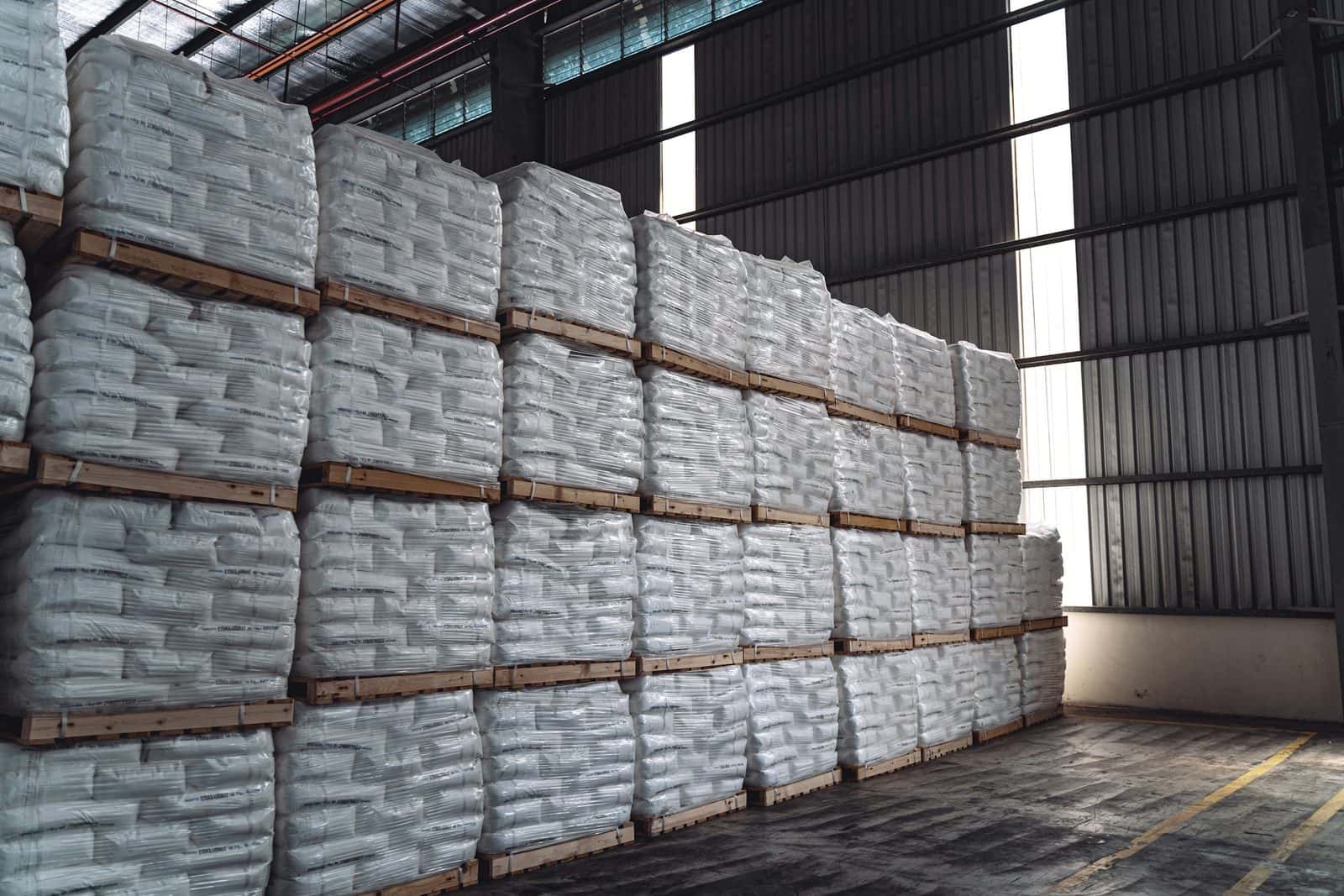 LogisticsSugar Storage Guide: Humidity, Temperature, Caking and Shelf LifeHow to store bagged sugar: humidity and temperature ranges from cargo-insurance guidance, why sugar cakes, odour and contamination risks, stacking, and what sources say on shelf life.Read guide
 PackagingSugar Packaging Guide: Bags, Jumbo Bags, Bulk and LiquidWhat export sugar is packed in, which packing and marking rules buyers can cite, and how to choose between 50 kg bags, 25 kg bags, jumbo bags, bulk and liquid formats.Read guide
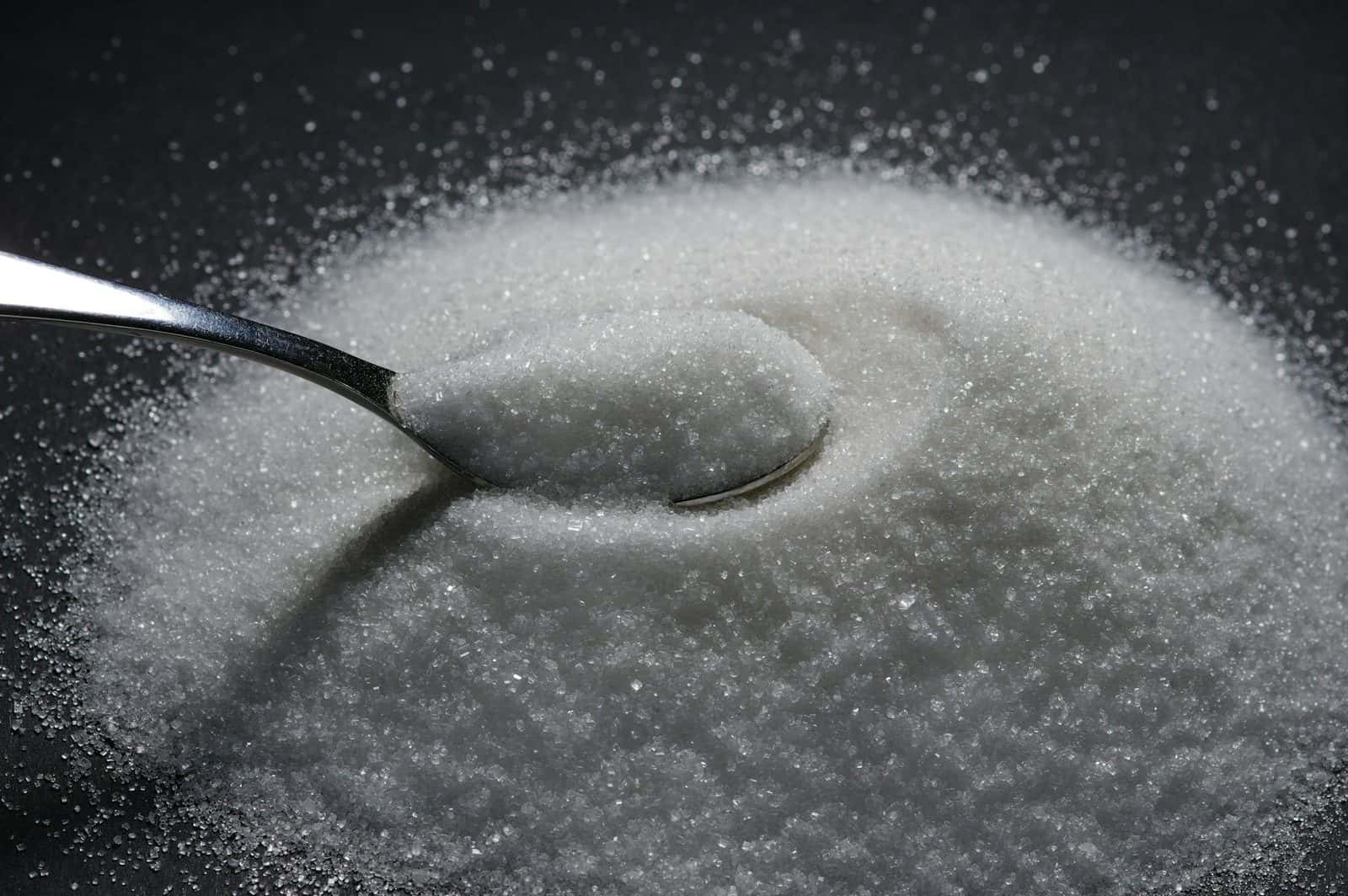 SpecificationsHow to Read a Sugar Specification: Parameter by ParameterPol, colour, moisture, ash, invert, SO₂, granulation and microbiology explained — plus how to tell a standard limit from a contract term or a typical value, with a worked example.Read guide
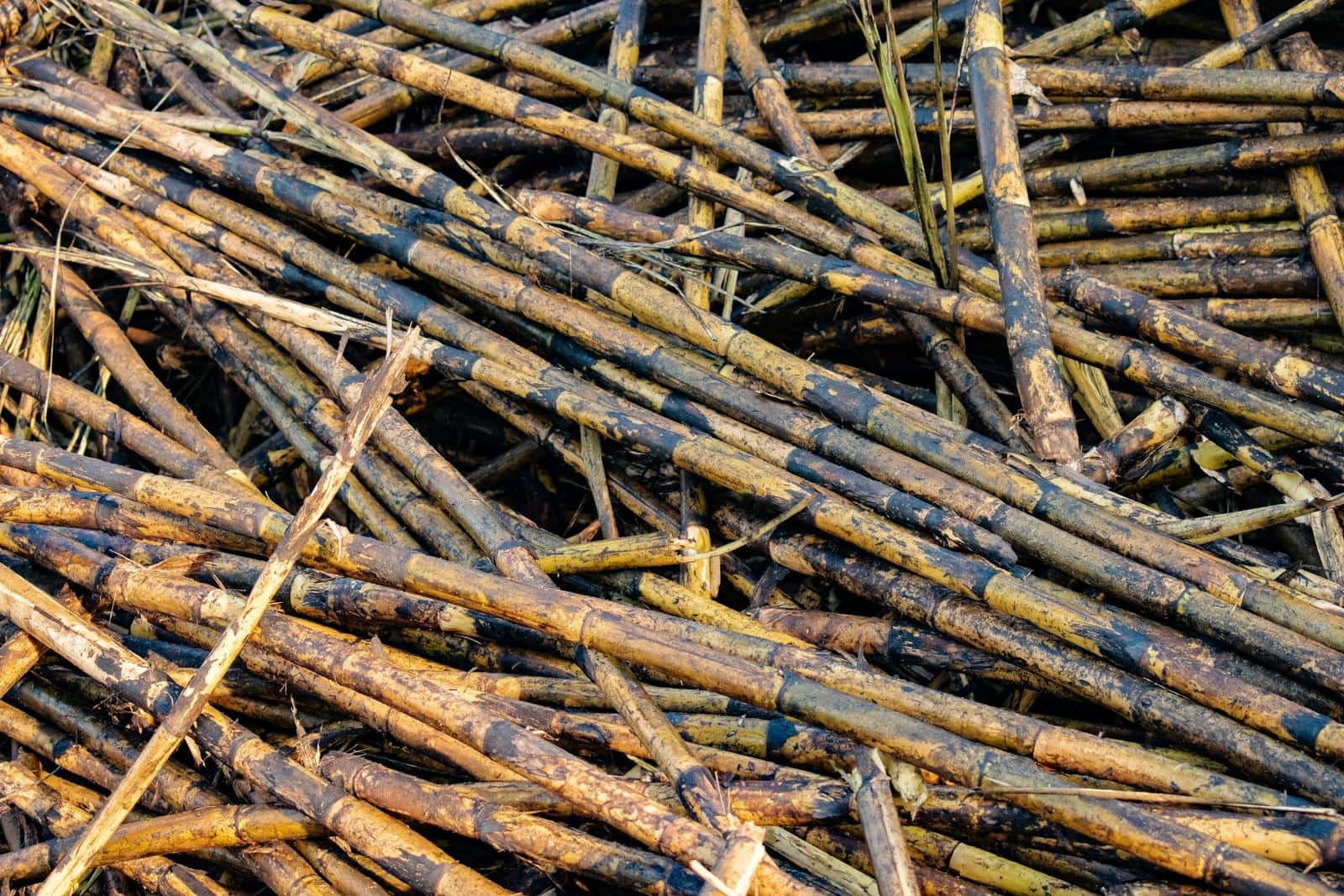 SugarRaw Sugar vs Refined Sugar: Production, Uses, Buyers and BenchmarksRaw sugar is a refinery feedstock; refined sugar is ready for food use. How each is made, who buys raw sugar, how both are priced on ICE, and what Thai export data shows.Read guide
Need icing sugar for your market?
Tell us your product, specification, quantity and destination.
ANUTIDA reviews your requirement and replies with packaging options and a written quotation.