Specialty Sweeteners · Pentose sugars
D-Xylose Supplier — Crystalline Xylose for Flavours & Xylitol
D-xylose, a five-carbon sugar from plant hemicellulose. Bought mainly as feedstock for xylitol and as a reducing sugar for Maillard reaction flavours. Crystalline, 25 kg bags.
- Crystalline · PowderForms supplied
- Export from ThailandQuoted on your Incoterm
- COA with every lotSpecification in the quotation
Quick quote
Select a product ICUMSA 45 Refined SugarICUMSA 45Quote
 ICUMSA 150 White SugarICUMSA 150Quote
 VHP Raw SugarRaw cane sugar sold under the VHP (very high polarisation) labelQuote
 Thai Hi-Pol Raw SugarHigh-polarisation raw cane sugarQuote
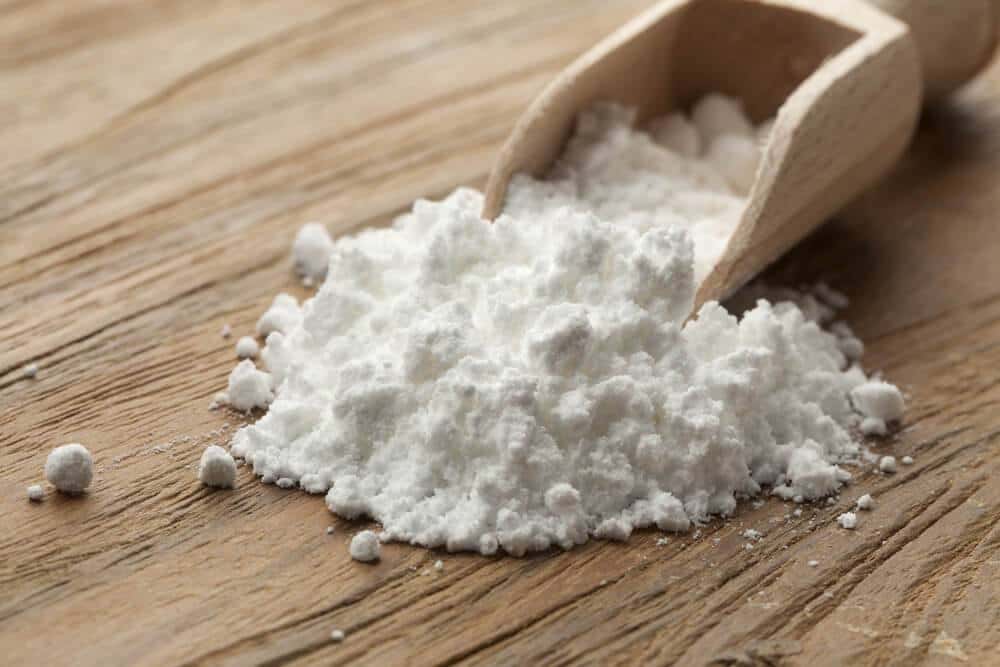 D-XylosePentose sugar (aldopentose)Quote
 AlluloseRare sugar (monosaccharide)Quote
 D-TagatoseRare sugar (monosaccharide)Quote
 IsomaltuloseDisaccharide (made from sucrose)Quote
- Thailand basedUdon Thani, Thailand
- Ready stockCommercial supply
- Multiple Thai producersBroad product range
- Global exportShipped from Thailand
- Specification supportCOA with every lot
Specialty Sweeteners
D-Xylose
Pentose sugar (aldopentose)
- Crystalline
- Powder
- CAS number
- 58-86-6
- Forms
- Crystalline · Powder
- Packaging
- 25 kg
Certificate of Analysis with every lot
What is D-Xylose?
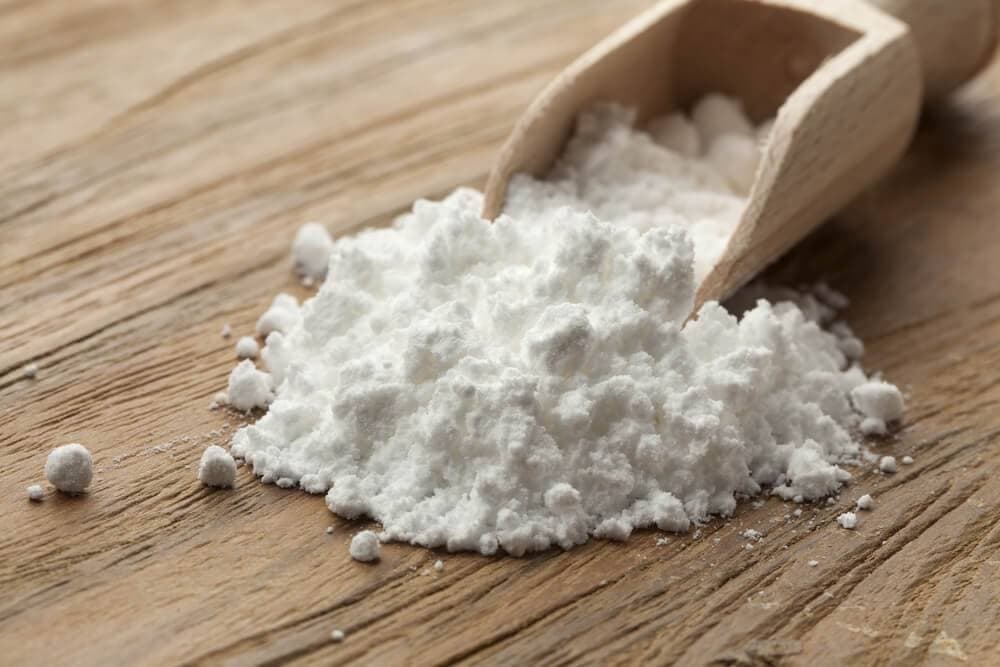
D-xylose (C5H10O5, molecular weight 150.13, CAS 58-86-6) is a five-carbon aldose sugar, or pentose, sometimes called wood sugar. It is the main building block of xylan, the hemicellulose found in wood, straw, corn cobs and seed hulls. It is a white crystalline solid and very soluble in water: 1 g dissolves in about 0.8 ml. D-xylose tastes sweet, and FDA lists “nutritive sweetener” among its technical effects. Commercially, though, it is bought mainly for two other reasons. It is the raw material for xylitol, and it is a highly reactive reducing sugar for Maillard reaction flavours. This page describes those trade uses as they are.
- Food Manufacturing
- Industrial
- Distributors & Wholesalers
Key features
- Supplied in crystalline and powder forms
- Certificate of Analysis with every lot
- Packed in 25 kg bags
- Exported from Thailand on your Incoterm
Technical data
Technical specifications
| Parameter | Value | Basis |
|---|---|---|
| CAS number | 58-86-6 | — |
| Chemical formula | C5H10O5 (molecular weight 150.13) | — |
| Chemical class | Aldopentose (five-carbon reducing sugar) | — |
| Solubility in water | 1 g dissolves in about 0.8 ml water | Typical value (reference) |
| D-xylose content (dry basis) | Confirmed per lot on the Certificate of Analysis — contact ANUTIDA for the current specification. | |
| Moisture / loss on drying | Confirmed per lot on the Certificate of Analysis — contact ANUTIDA for the current specification. | |
| Ash | Confirmed per lot on the Certificate of Analysis — contact ANUTIDA for the current specification. | |
| Other sugars (e.g. arabinose, glucose) | Confirmed per lot on the Certificate of Analysis — contact ANUTIDA for the current specification. | |
Identity & status
Regulatory identity
| United States | FDA Substances Added to Food inventory: technical effects “flavoring agent or adjuvant” and “nutritive sweetener”; no 21 CFR section listed |
|---|---|
| FEMA | FEMA No. 3606 (FEMA GRAS publication 12), as cited in the FDA inventory |
| European Union | Not an entry in the Union list of novel foods; confirm status for your intended use |
D-xylose has no additive number. Requirements differ by market and intended use. Confirm them for your destination; ANUTIDA states in each quotation the specification the lot is supplied against.
Applications & industries
- Feedstock for xylitol production
- Maillard reaction (process) flavours
- Savoury seasonings and meat-type flavours
- Flavours for plant-based meat analogues
- Browning and colour development in heated foods
Packaging, origin and manufacturers
Packaging options
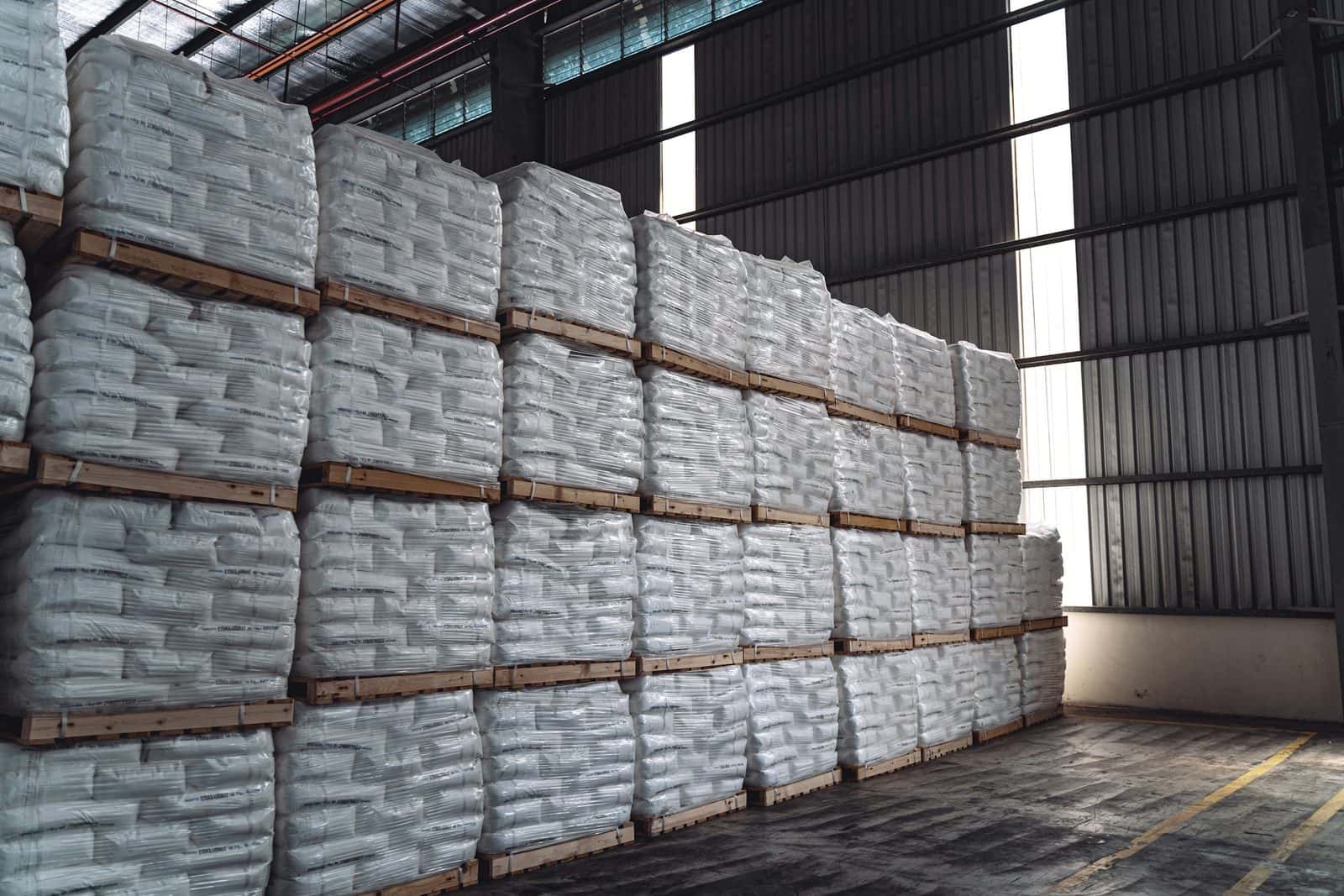
- 25 kg bags
Crystalline D-xylose is commonly packed in 25 kg bags. This is the format commonly supplied in the trade; the format for your order is confirmed in the quotation.
Origin
Stated in the quotation
Each quotation states the origin, producer and specification of the offered lot.
Supplied and exported by ANUTIDA — Udon Thani, Thailand
Manufacturer information
You buy from ANUTIDA. The producer of the offered lot is named in the quotation; state any preferred manufacturer or brand in your request.
Paperwork & shipping
Documentation & export
Each quotation states the specification of the offered product. Export shipments travel with the document set agreed in your contract — typically a commercial invoice, packing list, bill of lading, certificate of origin and a Certificate of Analysis for the lot. List any further documents you need, such as third-party inspection, halal or kosher certificates or a health certificate, and they are confirmed in the quotation. Read how shipping works on the export and logistics pages.
- Minimum order
- Confirmed with quotation
- Lead time
- Confirmed with quotation
- Delivery
- Export from Thailand
Product guide
About D-Xylose
How D-xylose is produced
D-xylose is extracted from hemicellulose-rich agricultural material. A classic route boils corn cobs with dilute sulfuric acid to hydrolyse the xylan. Peanut shells and cottonseed hulls are also usable sources. The hydrolysate is then purified, and industrial chromatographic separation has been used since 1970 to isolate pure D-xylose from hemicellulose. The xylose is concentrated and crystallised. The feedstock is a by-product of agriculture or forestry, so the raw material varies between producers; the specification, not the feedstock, defines the product.
Main commercial uses
1. Raw material for xylitol
Industrial xylitol is made by catalytic hydrogenation of purified D-xylose, traditionally over a nickel catalyst at 80–140 °C and pressures of up to 50 atm. The xylitol is then purified and crystallised. For this use the key specifications are xylose purity and low levels of other sugars, because other sugars are hydrogenated too and end up as other polyols in the xylitol.
2. Maillard reaction (process) flavours
As a reducing pentose, D-xylose reacts faster in the Maillard reaction than hexoses such as glucose. Flavour houses use it with amino acids such as cysteine, and with protein hydrolysates and fats, to build roasted, meaty and savoury notes in process flavours. These go into savoury seasonings and meat-type flavourings, including flavourings for plant-based meat alternatives, where xylose-based reaction systems have been optimised for meat character. In FDA's inventory of substances added to food, D-xylose is listed as a flavouring agent or adjuvant, with FEMA number 3606. D-xylose is also used to develop golden-brown colour in heated foods.
Formulation and handling
- Xylose browns readily. Where colour must stay light, consider a non-reducing alternative such as trehalose.
- Keep bags closed in a cool, dry store to protect the crystals from moisture.
- For process flavours, agree the reaction conditions and target profile with your flavour team. Xylose purity and trace sugars affect the result.
Regulatory identity
In the US, D-xylose appears in FDA's Substances Added to Food inventory with the technical effects “flavoring agent or adjuvant” and “nutritive sweetener”. It is listed under FEMA number 3606 (FEMA GRAS publication 12), and no 21 CFR section is given. D-xylose is not an entry in the EU Union list of novel foods. Buyers supplying the EU or other markets should confirm its status for their intended use with their regulatory adviser.
What to specify in your RFQ
- Intended use (xylitol production, reaction flavours or food ingredient), because it drives the critical limits.
- Minimum D-xylose content, limits on other sugars (for example arabinose and glucose), moisture, ash and heavy metals.
- Crystal or powder form and any particle-size range.
- Packaging, volume, delivery schedule, destination port and Incoterm.
Buyer questions
D-Xylose FAQ
What is D-xylose mainly used for?
Two things: as the raw material that is hydrogenated to make xylitol, and as a reactive reducing sugar in Maillard reaction flavours (roasted and meaty notes). It is not usually bought as a table sweetener.
Is D-xylose the same as xylitol?
No. D-xylose is a sugar (an aldopentose). Xylitol is the sugar alcohol made from it by catalytic hydrogenation. They have different specifications, uses and regulatory status.
Which specification is D-xylose supplied against?
The specification is agreed in the quotation. It typically covers D-xylose content, other sugars, moisture, ash and heavy metals. Each lot ships with a Certificate of Analysis.
How is D-xylose packed and stored?
Commonly in 25 kg bags. Keep bags closed in a cool, dry store. The format for your order is confirmed in the quotation.
How do I order D-xylose from ANUTIDA?
Send a request for quotation with the form and grade, the specification you need, quantity, packaging, destination port and preferred Incoterm. ANUTIDA replies with a quotation. Minimum order quantity, lead time and origin are confirmed in that quotation.
Last updated 6 October 2026
Related supply
Other Sweeteners You May Be Interested In
 SweetenerXylitolSugar alcohol (polyol)SpecificationView specification
 SweetenerDextroseCrystalline D-glucose (nutritive sweetener)SpecificationView specification
 SweetenerFructoseCrystalline D-fructose (nutritive sweetener)SpecificationView specification
 SweetenerTrehaloseDisaccharide (non-reducing)SpecificationView specification
Knowledge Center
Related Articles & Resources
- SweetenersDextrose Monohydrate vs Dextrose AnhydrousBoth forms are at least 99.5% D-glucose on a dry basis. The difference is one molecule of crystal water, which changes total solids, dosage and moisture behaviour.Read guide
 SweetenersErythritol vs Xylitol: A Technical Comparison for BuyersErythritol and xylitol are the two crystalline, strongly cooling polyols. They differ in how they are made, how sweet they are and where the law lets you use them.Read guide
 SweetenersGlucose Syrup vs Dextrose: What Buyers Need to KnowBoth are made from starch and both are often called "glucose", but glucose syrup is a liquid mixture of saccharides (DE ≥ 20) while dextrose is crystallised D-glucose. Here is how they differ and how to choose.Read guide
 SweetenersHFCS 42 vs HFCS 55: Composition, Uses and LabellingHFCS 42 and HFCS 55 differ in fructose content, solids, sweetness, typical use, EU name and HS subheading. A side-by-side guide for buyers of high-fructose syrup.Read guide
Request a quotation
Need D-Xylose or Other Sweeteners?
Tell us your product, specification, quantity and destination. ANUTIDA replies with packaging options and a written quotation.