ANUTIDAThai Sugar · Export — home page

Industrial sweeteners

Industrial Sweeteners Supplier & Exporter

Sugar alcohols, high-intensity sweeteners, natural sweeteners, starch-based syrups and powders, and specialty sweeteners — supplied from Thailand by ANUTIDA alongside its Thai sugar portfolio, so manufacturers and distributors can buy sugar and sweeteners from one partner.

Five sweetener families, different jobs

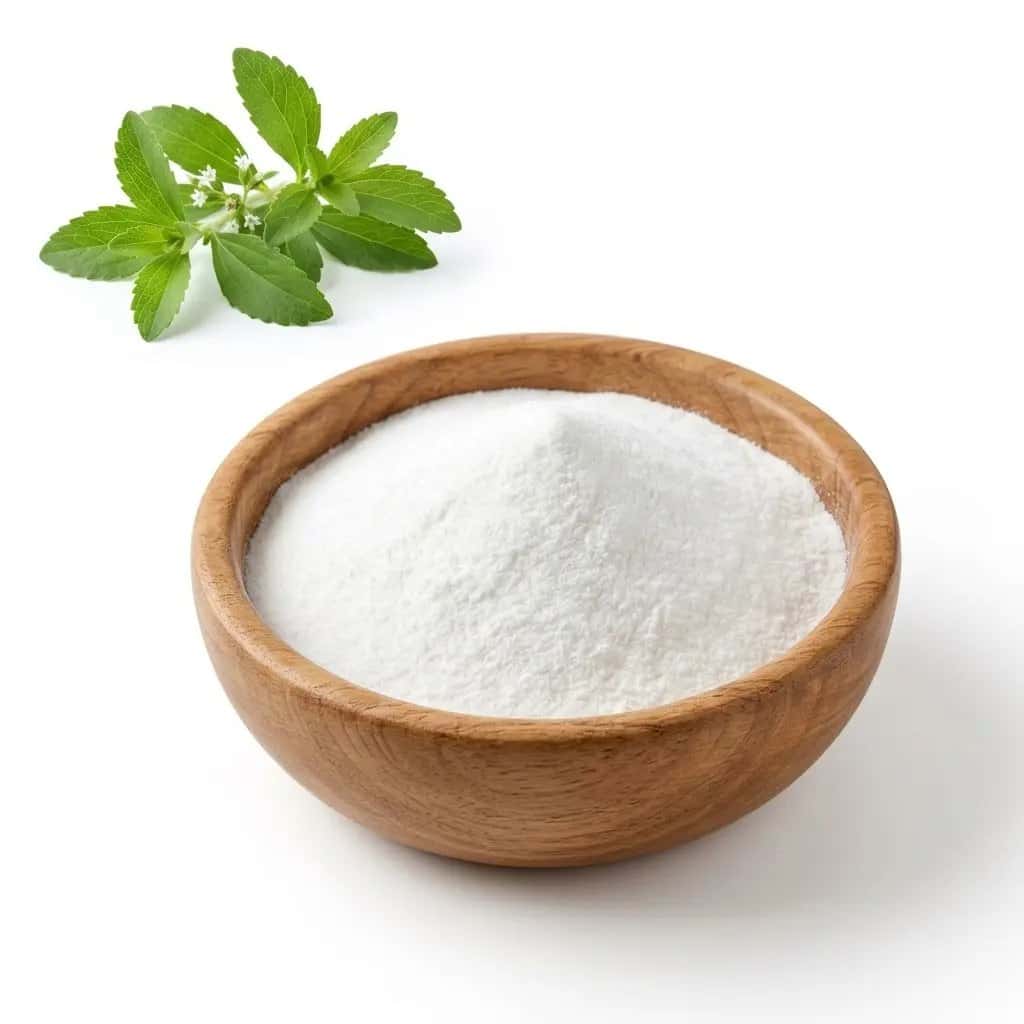
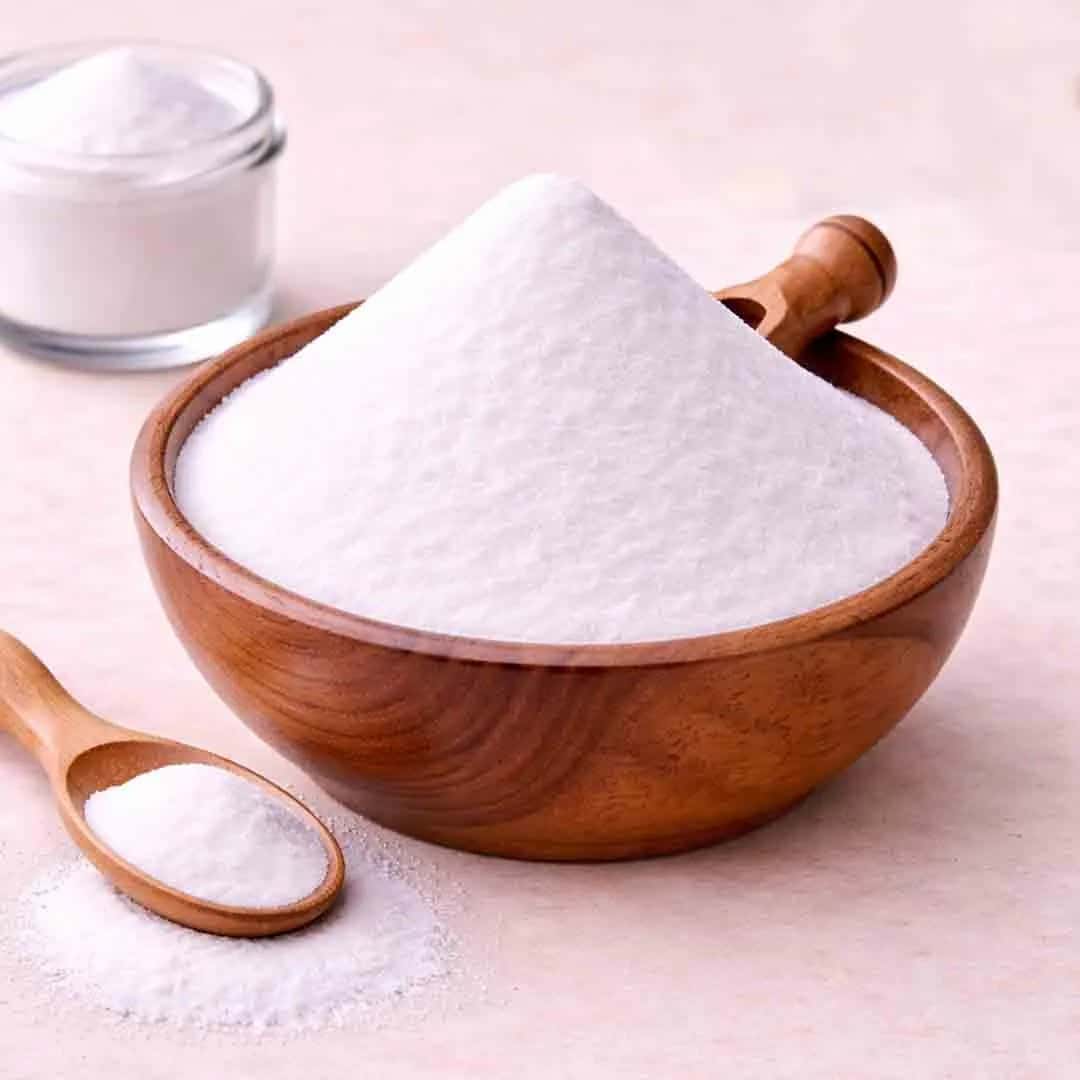
Sweeteners are not interchangeable. Polyols such as sorbitol and maltitol replace sugar's bulk and texture; high-intensity sweeteners such as sucralose and acesulfame-K deliver sweetness at very low dosage; natural sweeteners such as steviol glycosides come from plant sources; starch-based sweeteners — glucose syrup, dextrose, maltodextrin — are nutritive carbohydrates made by hydrolysing starch; and specialty sweeteners such as allulose and trehalose are newer functional carbohydrates.

The right choice depends on the application, the functions you need from the ingredient, and the regulatory position in your market. Our guide What are industrial sweeteners? compares them in detail.

How ANUTIDA supplies sweeteners

  • One commercial partner for sugar and sweeteners — consolidated quotations and shipments from Thailand.
  • Transparent origin. Each quotation states the producer, origin and specification of the offered lot.
  • Documents on request. Specification sheet and Certificate of Analysis per lot; list any certificates your market requires.

Catalog

All Sweeteners

Search by product, grade or ingredient, then narrow by category, application or packaging. Every product links to its specification page and a pre-filled quotation request.

Showing 30 sweeteners · page 1 of 3

  • Sugar Alcohols & Polyols

    Sorbitol

    Sorbitol (E 420) as crystalline powder and as sorbitol syrup / 70% solution, quoted against JECFA or EU specifications, for food, pharmaceutical and technical use.

    • Powder
    • Crystalline

    Packaging: 25 kg, Fibre drum, Drum, IBC, Flexitank, Tanker
  • Sugar Alcohols & Polyols

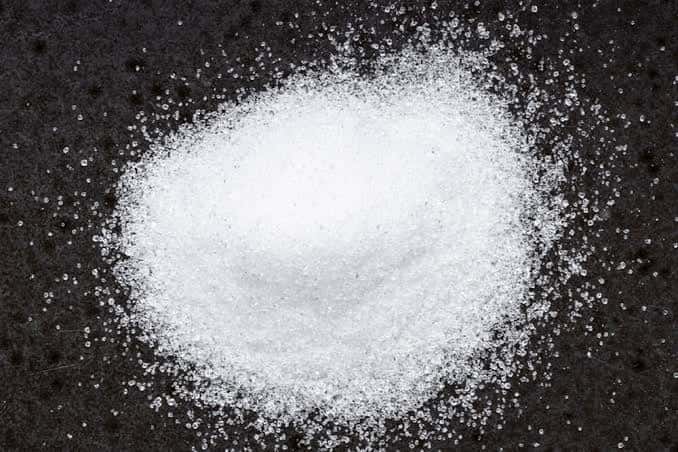
    Maltitol

    Maltitol (E 965) as crystalline maltitol and as maltitol syrup, quoted against JECFA or EU specifications, for chocolate, confectionery, bakery and dairy use.

    • Crystalline
    • Powder

    Packaging: 25 kg, Drum

  • Sugar Alcohols & Polyols

    Erythritol

    Erythritol (E 968), a fermentation-derived polyol, in granular and powder grades quoted against JECFA or EU specifications, for beverage, confectionery and bakery use.

    • Crystalline
    • Granular

    Packaging: 25 kg, 20 kg, Jumbo

  • Sugar Alcohols & Polyols

    Xylitol

    Xylitol (E 967), a five-carbon polyol about as sweet as sucrose, in crystalline and powder grades quoted against JECFA or EU specifications, for confectionery and food.

    • Crystalline
    • Granular

    Packaging: 25 kg, 20 kg, Jumbo

  • Sugar Alcohols & Polyols

    Mannitol

    D-mannitol (E 421), a low-hygroscopicity polyol quoted against JECFA, EU or pharmacopoeial specifications, for gum dusting, pressed mints and pharmaceutical use.

    • Crystalline
    • Powder

    Packaging: 25 kg

  • Sugar Alcohols & Polyols

    Isomalt

    Isomalt (E 953), a low-hygroscopicity polyol made from sucrose, quoted against JECFA or EU specifications, for hard candy, coatings and confectionery.

    • Crystalline
    • Granular

    Packaging: agreed per order

  • Sugar Alcohols & Polyols

    Lactitol

    Lactitol (E 966), a mildly sweet disaccharide polyol made from lactose, as crystalline product or solution quoted against JECFA or EU specifications.

    • Crystalline
    • Solution

    Packaging: agreed per order

  • High-Intensity Sweeteners

    Sucralose

    Food-grade sucralose powder (E 955), about 600 times sweeter than sugar per the US FDA, supplied to the JECFA / EU specification with a COA per lot.

    • Powder
    • Granular

    Packaging: Fibre drum, 25 kg

  • High-Intensity Sweeteners

    Acesulfame-K

    Acesulfame potassium (Ace-K, E 950): a heat-stable sweetener about 200 times sweeter than sugar, often used together with other sweeteners.

    • Crystalline
    • Powder

    Packaging: agreed per order

  • High-Intensity Sweeteners

    Aspartame

    Aspartame (E 951) in powder and granular grades — about 200 times sweeter than sugar — supplied to the JECFA / EU specification with a COA per lot.

    • Powder
    • Granular

    Packaging: Drum, 25 kg

  • High-Intensity Sweeteners

    Saccharin

    Saccharin (E 954) as sodium saccharin, calcium saccharin or insoluble (acid) saccharin — 200–700 times sweeter than sugar per the US FDA, each form to its own specification.

    • Crystalline
    • Granular

    Packaging: 25 kg

  • High-Intensity Sweeteners

    Neotame

    Neotame (E 961): a heat-stable sweetener about 7,000–13,000 times sweeter than sugar, made from aspartame and dosed in very small quantities.

    • Powder

    Packaging: agreed per order

Bulk & wholesale enquiries

Can't Find Your Exact Specification?

Tell ANUTIDA your required ingredient, grade, quantity, packaging and destination. Our sales team reviews your commercial requirements and replies with a written quotation.

Buyer resources

Guides for Commercial Buyers

Knowledge Center

Frequently asked questions

Are ANUTIDA's sweeteners made in Thailand?

Some sweeteners, such as starch-based syrups, are produced in Thailand. ANUTIDA states the producer and country of origin of the offered lot in every quotation, so you always know what you are buying.

Can I buy sugar and sweeteners in one order?

Yes. Many manufacturers combine sugar with polyols, syrups or high-intensity sweeteners. List every product in your quotation request and ANUTIDA will quote them together.

Which documents come with sweetener shipments?

A product specification and a Certificate of Analysis for the lot, plus the commercial export documents. If your market needs further certificates (for example halal, kosher or a health certificate), state them in your request and the quotation confirms the certificates offered.

Do sweetener pages show real specifications?

Specification tables show limits from official specifications such as JECFA monographs, EU Regulation (EU) No 231/2012 and the Codex standard for sugars, each with its source. Lot values appear on the Certificate of Analysis.

Request Quote