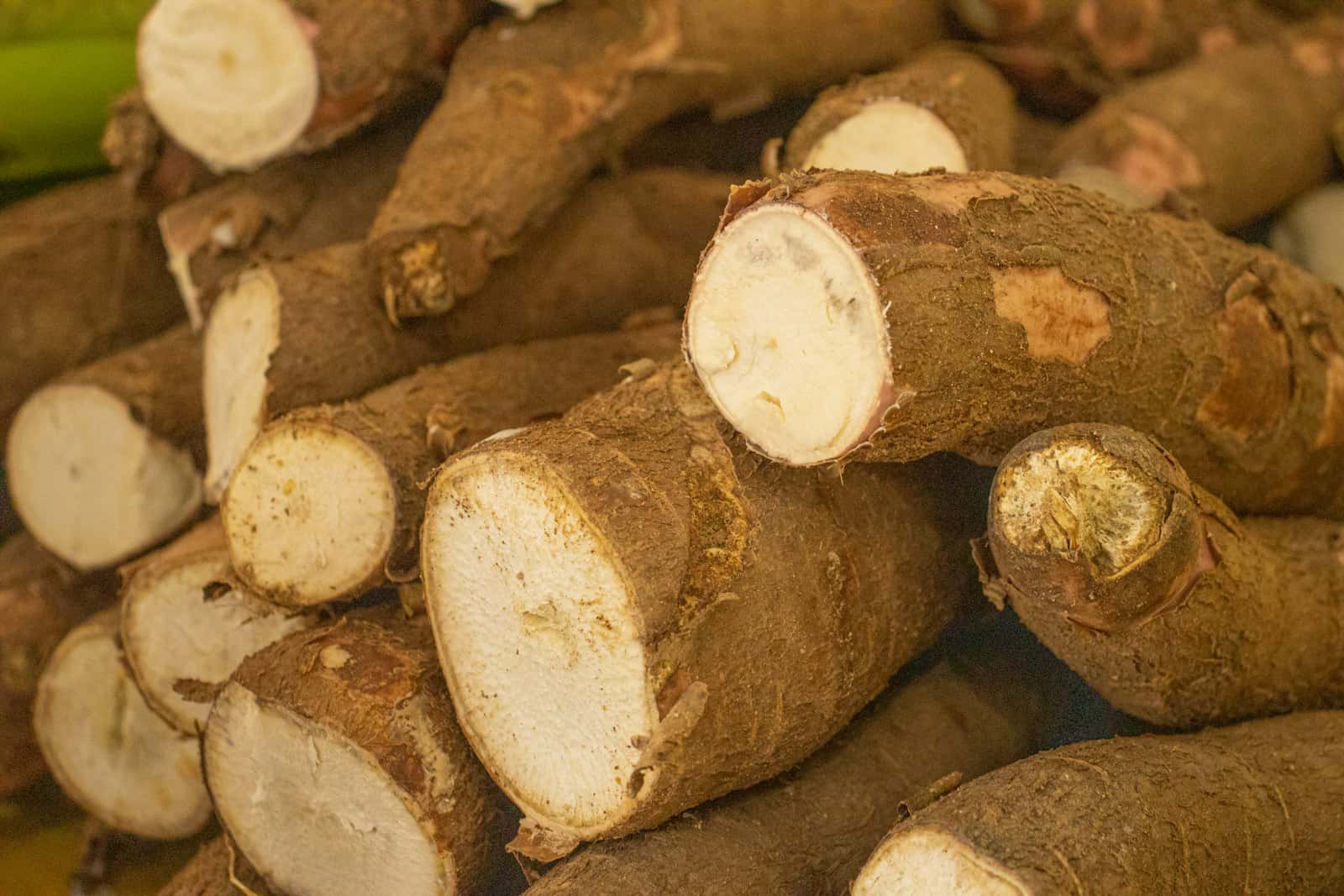
Starch-Based Sweeteners · Maltodextrins
Maltodextrin Supplier — Food-Grade Maltodextrin Powder
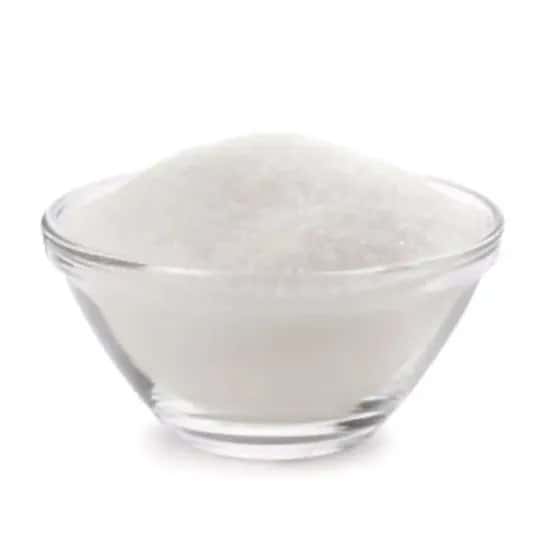
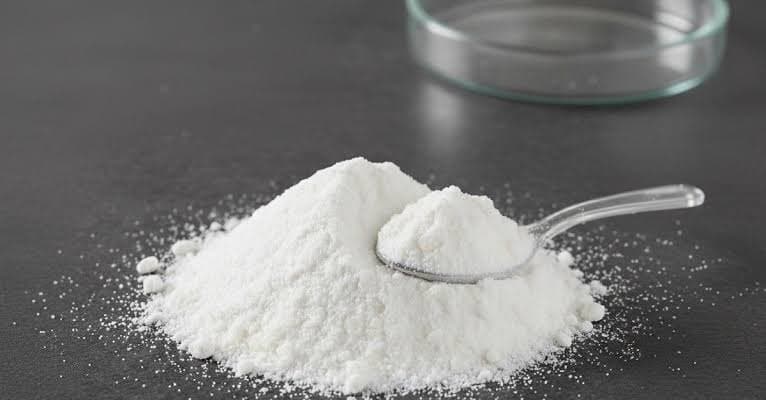
Starch hydrolysate with DE below 20 (21 CFR 184.1444): a low-sweetness, soluble white powder for bulking and carrying flavours, commonly packed in 25 kg bags.
- PowderForms supplied
- Multiple Thai producersMc Andrew and Partners, Siam Modified Starch +1
- COA with every lotSpecification in the quotation
Quick quote
Select a product ICUMSA 45 Refined SugarICUMSA 45Quote
 ICUMSA 150 White SugarICUMSA 150Quote
 VHP Raw SugarRaw cane sugar sold under the VHP (very high polarisation) labelQuote
 Thai Hi-Pol Raw SugarHigh-polarisation raw cane sugarQuote
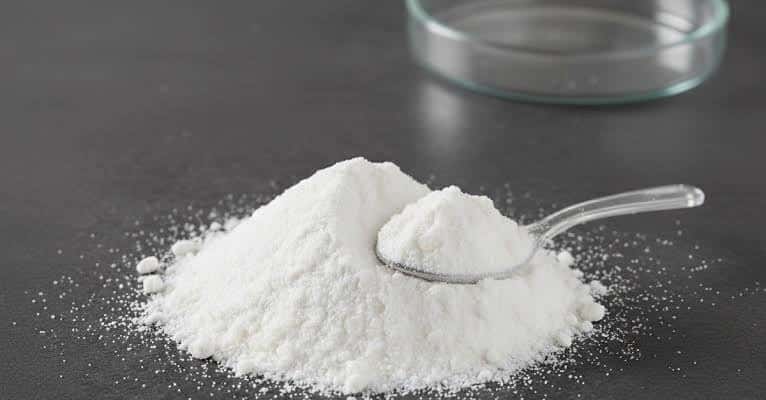 MaltodextrinStarch hydrolysate powder (DE < 20)Quote
 Glucose SyrupStarch hydrolysate syrup (nutritive sweetener)Quote
 DextroseCrystalline D-glucose (nutritive sweetener)Quote
 FructoseCrystalline D-fructose (nutritive sweetener)Quote
- Thailand basedUdon Thani, Thailand
- Ready stockCommercial supply
- Multiple Thai producersBroad product range
- Global exportShipped from Thailand
- Specification supportCOA with every lot
Starch-Based Sweeteners
Maltodextrin
Starch hydrolysate powder (DE < 20)
- Powder
- Sweetness
- Described as nonsweet
- Dextrose equivalent
- < 20
- CAS number
- 9050-36-6
- Forms
- Powder
Certificate of Analysis with every lot
What is Maltodextrin?
Maltodextrin is a starch hydrolysate made of D-glucose units linked mainly by α-1,4 bonds, with a dextrose equivalent (DE) below 20. The US regulation (21 CFR 184.1444) describes it as a nonsweet nutritive saccharide polymer. It is supplied as a white powder or a concentrated solution, made by partial hydrolysis of starch with acids and/or enzymes. Most commercial maltodextrin is a spray-dried, mostly white powder that is fully soluble in water. The digestible maltodextrins used in food typically fall between DE 3 and DE 20.
- Food Manufacturing
- Beverage
- Dairy
- Confectionery
Key features
- Supplied in powder form
- Specification limits from official standards
- Certificate of Analysis with every lot
- Packed in 25 kg bags
- Produced in Thailand by makers including Mc Andrew and Partners and Siam Modified Starch
- Exported from Thailand on your Incoterm
Technical data
Technical specifications
| Parameter | Value | Basis |
|---|---|---|
| Formula | (C₆H₁₀O₅)n | Standard / official specification |
| CAS number | 9050-36-6 | Standard / official specification |
| Dextrose equivalent (DE) | < 20 | Standard / official specification |
| DE range of digestible food maltodextrins | 3–20 | Typical value (reference) |
| Sweetness | Described as nonsweet | Standard / official specification |
| Moisture | Confirmed per lot on the Certificate of Analysis — contact ANUTIDA for the current specification. | |
| pH (solution) | Confirmed per lot on the Certificate of Analysis — contact ANUTIDA for the current specification. | |
| Sulphated ash | Confirmed per lot on the Certificate of Analysis — contact ANUTIDA for the current specification. | |
| Bulk density / particle size | Confirmed per lot on the Certificate of Analysis — contact ANUTIDA for the current specification. | |
Identity & status
Regulatory identity
| US | GRAS — 21 CFR 184.1444 (from corn, potato or rice starch; DE < 20) |
|---|---|
| US (other starches) | May be self-determined GRAS when the chemical structure matches the Food Chemicals Codex description |
| EU | No legal definition; generally understood as a starch hydrolysate with DE < 20 |
| EU allergen labelling | Wheat-based maltodextrins excluded from the cereals-containing-gluten entry (Reg. (EU) 1169/2011, Annex II) |
Maltodextrin is a food ingredient, not an additive, and has no INS/E number. Tariff classification can depend on DE, so confirm the HS code for your destination with your customs broker.
Applications & industries
- Dry soups, sauces and seasonings
- Powdered drink mixes
- Flavour carrier and spray-drying aid
- Ice cream, creamers and dairy desserts
- Coatings, bars and fillings
- Specialised nutrition formulations
- Tablet and powder excipient (pharma grade)
Packaging, origin and manufacturers
Packaging options
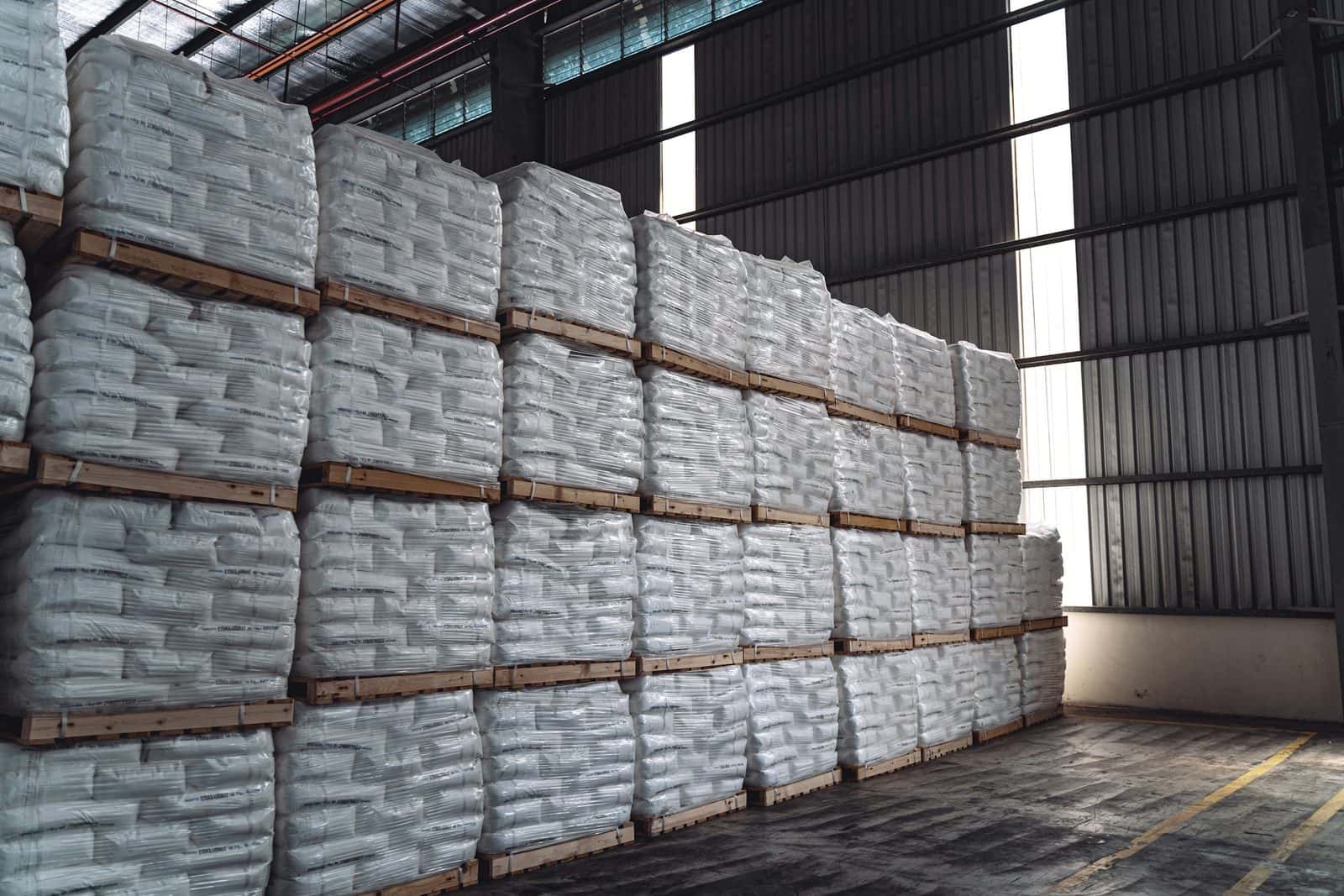
- 25 kg bags
Commonly supplied in 25 kg multi-wall paper or lined PP bags. The format for your order is confirmed in the quotation.
Origin
Stated in the quotation
Each quotation states the origin, producer and specification of the offered lot.
Supplied and exported by ANUTIDA — Udon Thani, Thailand
Manufacturer information
Multiple Thai manufacturers
- Mc Andrew and Partners
- Siam Modified Starch
- Ingredion Thailand
You buy from ANUTIDA. Name a preferred mill or brand in your request.
Paperwork & shipping
Documentation & export
Each quotation states the specification of the offered product. Export shipments travel with the document set agreed in your contract — typically a commercial invoice, packing list, bill of lading, certificate of origin and a Certificate of Analysis for the lot. List any further documents you need, such as third-party inspection, halal or kosher certificates or a health certificate, and they are confirmed in the quotation. Read how shipping works on the export and logistics pages.
- Minimum order
- Confirmed with quotation
- Lead time
- Confirmed with quotation
- Delivery
- Export from Thailand
Product guide
About Maltodextrin
Maltodextrin vs glucose syrup solids
DE 20 is the dividing line. Dried starch hydrolysates at or below DE 20 are maltodextrins. Above DE 20 they are dried glucose syrups, also called glucose syrup solids or corn syrup solids, and come under the glucose syrup definitions in Codex CXS 212-1999 and 21 CFR 168.121. Both are white powders from the same process, so the DE on the specification is what tells them apart. The practical consequences are covered in maltodextrin vs glucose syrup.
How DE changes performance
Within the maltodextrin range, DE controls most of the functional behaviour. As DE falls, viscosity, binding power and anti-crystallising effect increase. As DE rises, sweetness, hygroscopicity, browning, flavour enhancement and fermentability increase. Low-DE maltodextrins add body with almost no sweetness. Grades near DE 20 dissolve faster and contribute slightly more sweetness. Producers also offer agglomerated or granulated powders for better flow and dispersion.
Applications by industry
- Food manufacturing: bulking agent and carrier in dry soups, sauces, seasonings, snacks and instant foods, and a spray-drying aid for flavours.
- Beverages: carbohydrate base and body in powdered drink mixes, including sports drinks.
- Dairy: ice cream, coffee creamers and dairy desserts, where it adds solids and helps control freezing.
- Confectionery and bakery: binder, film former and texture modifier in coatings, cereal bars and fillings.
- Specialised nutrition: carbohydrate source in infant formula, enteral nutrition and sports products. These uses require the grade and documentation the formulator specifies.
- Pharmaceutical: tablet and powder applications. Pharmacopoeia-grade maltodextrin is a separate grade and must be specified.
Feedstock and regulatory notes
The US regulation names corn, potato and rice starch. Maltodextrin from other starches such as tapioca can be used in the US on a self-determined GRAS basis when it matches the chemical structure described in the Food Chemicals Codex. The EU has no legal definition of maltodextrin; in practice it is understood as a starch hydrolysate below DE 20. Wheat-based maltodextrins are excluded from the EU cereal-allergen list. Maltodextrin is a food ingredient, not an additive, so it has no INS or E number.
Handling and storage
Keep maltodextrin bags sealed and dry, because hygroscopicity rises with DE and caking follows moisture pick-up. For bulk-handling systems, include bulk density and flow requirements in your specification.
What to specify in your RFQ
- DE range (for example a low-DE or near-20 DE grade) and moisture limit
- Feedstock (tapioca, corn or other), plus allergen and GMO-status requirements
- Physical form: standard spray-dried or agglomerated, with bulk density and particle size
- Microbiological limits for your application (infant, clinical or general food)
- Packaging (25 kg bags), pallet and container configuration, and documents per lot
Buyer questions
Maltodextrin FAQ
What DE grades of maltodextrin are available?
Maltodextrin has a DE below 20, and food grades typically fall between DE 3 and DE 20. Producers offer low-DE and higher-DE grades and agglomerated versions. Tell us your target DE range and the quotation names a matching grade.
What is the difference between maltodextrin and corn syrup solids?
Both are dried starch hydrolysates. At or below DE 20 the product is maltodextrin; above DE 20 it is dried glucose syrup, also called corn or glucose syrup solids. See maltodextrin vs glucose syrup.
Is your maltodextrin made from tapioca or corn?
Maltodextrin is produced from several starches, including corn and tapioca. The feedstock and origin of the lot offered are stated in each quotation, so include any requirement in your RFQ.
How is maltodextrin packed and stored?
It is normally supplied in 25 kg bags on pallets. Store it sealed in a dry warehouse, because the powder picks up moisture and cakes if exposed.
Can you supply maltodextrin for infant or pharmaceutical use?
Those uses need specific grades, microbiological limits and documentation. State the application and required standard in the RFQ, and the quotation states the grade and documentation offered.
How do I order through ANUTIDA?
Send a request through the quote form with the grade, specification limits, quantity, packaging, destination port and Incoterm. ANUTIDA replies with a quotation that confirms the producer specification, origin, packaging, minimum order and lead time for that enquiry.
Last updated 6 October 2026
Related supply
Other Sweeteners You May Be Interested In
- SweetenerGlucose SyrupStarch hydrolysate syrup (nutritive sweetener)SpecificationView specification
- SweetenerDextroseCrystalline D-glucose (nutritive sweetener)SpecificationView specification
- SweetenerFructoseCrystalline D-fructose (nutritive sweetener)SpecificationView specification
 SweetenerHigh-Fructose Syrup (HFCS)Isomerised glucose–fructose syrupSpecificationView specification
Knowledge Center
Related Articles & Resources
- SweetenersMaltodextrin vs Glucose Syrup: The DE 20 Dividing LineMaltodextrin and glucose syrup come from the same starch hydrolysis. Maltodextrin stops below DE 20 and glucose syrup starts at DE 20, and that line decides sweetness, function, naming and regulation.Read guide
- SweetenersDextrose Monohydrate vs Dextrose AnhydrousBoth forms are at least 99.5% D-glucose on a dry basis. The difference is one molecule of crystal water, which changes total solids, dosage and moisture behaviour.Read guide
 SweetenersErythritol vs Xylitol: A Technical Comparison for BuyersErythritol and xylitol are the two crystalline, strongly cooling polyols. They differ in how they are made, how sweet they are and where the law lets you use them.Read guide
- SweetenersGlucose Syrup vs Dextrose: What Buyers Need to KnowBoth are made from starch and both are often called "glucose", but glucose syrup is a liquid mixture of saccharides (DE ≥ 20) while dextrose is crystallised D-glucose. Here is how they differ and how to choose.Read guide
Request a quotation
Need Maltodextrin or Other Sweeteners?
Tell us your product, specification, quantity and destination. ANUTIDA replies with packaging options and a written quotation.