ANUTIDAThai Sugar · Export — home page

Industries

Sugar & Sweeteners for Confectionery

Confectionery is applied sugar science: the product is defined by whether sucrose crystallises, stays glassy or holds water. ANUTIDA supplies the low-colour sugars, the syrups that control crystallisation and the polyols used in sugar-free lines.

Controlling crystallisation

Most confectionery formulas balance sucrose against a second carbohydrate. Sucrose provides sweetness and most of the bulk; glucose syrup improves sucrose solubility, slows its crystallisation and lowers water activity, which extends shelf life. Hard candy is a glass: stored warm and humid it softens, turns sticky and the sucrose can recrystallise, so the syrup ratio and the moisture of every raw material matter.

  • Hard candy and lollipops — refined sugar with glucose syrup, cooked to very low moisture; low colour keeps clear and pastel candies bright.
  • Jellies and gums — sugar and glucose syrup with a gelling agent; the sugar-to-syrup ratio sets texture and keeping quality.
  • Fondants, creams and fudge — crystallised on purpose: the syrup ratio and cooling decide how fine the crystals, and so the texture, will be.
  • Chocolate and coatings — fine or powdered sugar; maltitol is widely used in sugar-free chocolate.

Choosing sugars for confectionery

Sugar products for confectionery
ProductTypical useSpecification focus
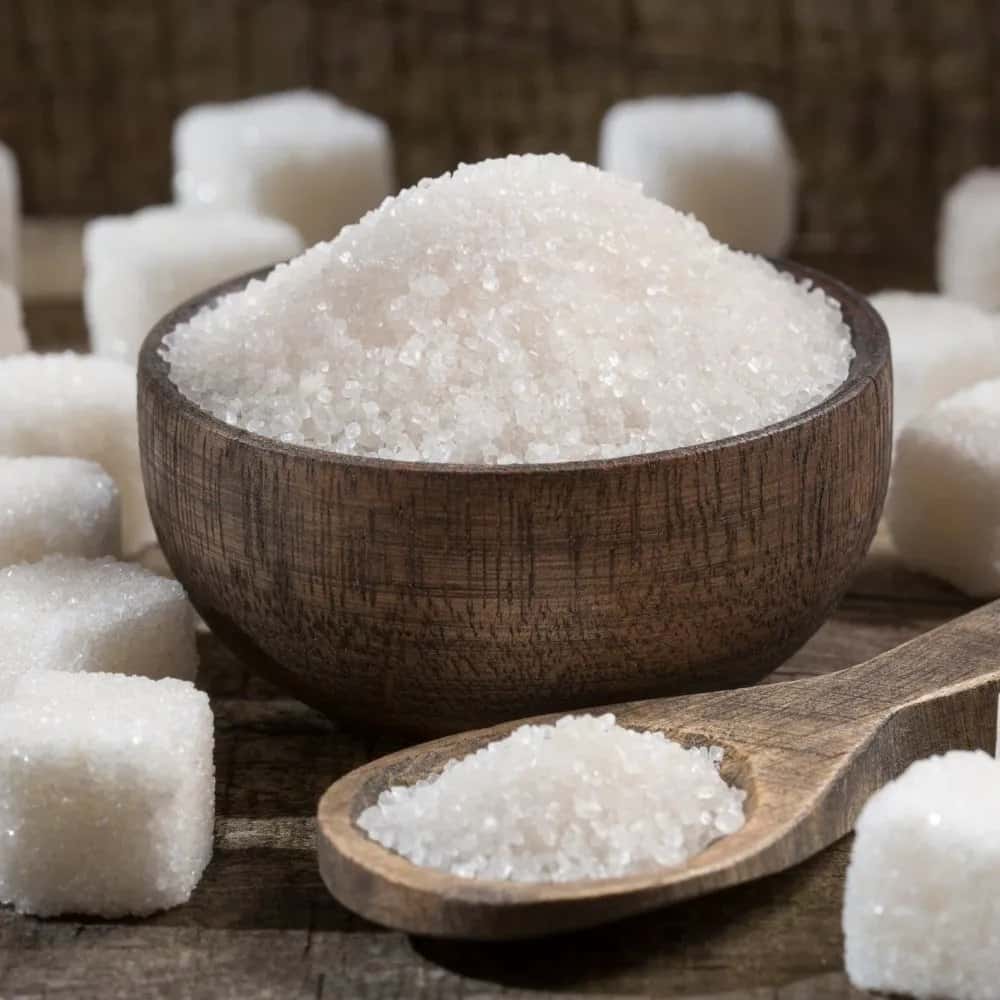
ICUMSA 45 refined sugarHard candy, clear jellies, white fondantColour ≤ 45 IU; low invert sugar limits browning during the cook
ICUMSA 100 / ICUMSA 150 white sugarCaramels, toffees, coloured and chocolate-coated sweetsColour is masked by the recipe; Thai confectioners used 14,627 t of white vs 934 t of refined sugar in 2025 (OCSB via USDA)
Icing sugar and caster sugarPressed tablets, dusting, panned coatingsParticle size; anticaking agent or none
Invert sugar syrupSoft centres, creams, marshmallowStays liquid at high solids; specify the invert %
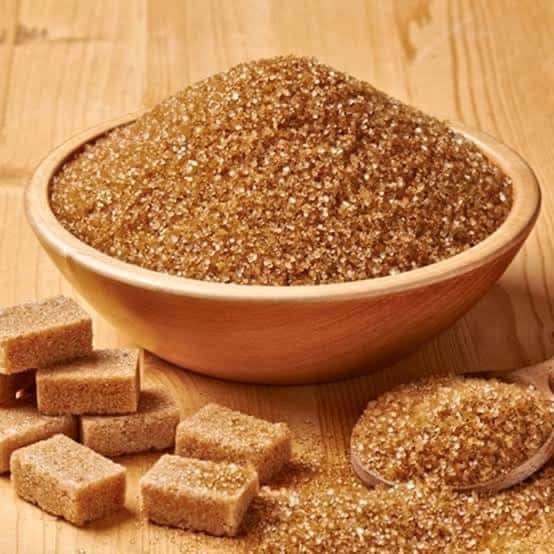
Natural brown sugarTraditional sweets, toffeeColour range and moisture
Sugar products for confectionery.

Colour comes from chemistry as well as from the raw material. Reducing sugars — glucose, fructose and invert sugar — take part in Maillard and caramelisation reactions when heated, so a sugar with low invert content and a syrup of the right DE keep high-boiled sweets pale, while caramel and toffee makers use the same reactions deliberately for colour and flavour.

Polyols and sweeteners for sugar-free lines

Sugar-free confectionery has to replace sucrose's bulk as well as its sweetness, so it is built on polyols, with high-intensity sweeteners topping up sweetness where needed. The FDA notes polyols are used in sugar-free candies and chewing gum and range from 25% to 100% of sugar's sweetness.

  • Maltitol — behaves closest to sucrose; used in chocolate, chewing gum and hard and chewy sweets. It does not brown by Maillard reaction, and crystalline maltitol is less hygroscopic than sugar.
  • Isomalt and other polyols for hard candy — sugar alcohols generally have a lower glass transition temperature than sucrose, so moisture control during cooking, cooling and wrapping is critical.
  • Sorbitol, xylitol, erythritol and mannitol — differ in sweetness, solubility and hygroscopicity; compare them on the polyols page before choosing.
  • Labelling — in the EU, products with more than 10% added polyols must state “excessive consumption may produce laxative effects”.
  • Glucose syrup and maltose syrup — the crystallisation-control syrups for sugar-based lines; EU glucose syrup has at least 70% dry matter and DE ≥ 20.

RFQ points for confectioners

What confectioners should specify
ParameterWhy it matters
Colour (ICUMSA)Clear and pastel products show every unit of colour
Invert / reducing sugarsIncrease browning and stickiness; Codex white sugar ≤ 0.04%
MoistureAffects cook times and shelf life; ICE White Sugar contract basis ≤ 0.06%
Granulation or particle sizeDissolving, dusting and mouthfeel
Glucose syrup DE and dry matterViscosity, sweetness and crystallisation control
Polyol form and specificationCrystalline or syrup, and the official specification (JECFA or EU) it must meet
DocumentsCOA per lot; halal or other certificates named in the request
What confectioners should specify.

Packaging and storage

Crystal sugar arrives in 50 kg or 25 kg lined bags or one-tonne jumbo bags; syrups in drums, IBCs or road tankers. Keep sugar and polyols sealed and dry — above about 70% relative humidity sugar becomes sticky — and away from odorous goods. The same applies to finished hard candy: the warmth and humidity that soften it can also set off sucrose recrystallisation during shelf life, so wrapping and warehouse conditions belong in the specification too. More on quality, logistics and our COA guide.

Sugar for confectionery

Refined Sugar

ICUMSA 45 Refined Sugar

Thai refined cane sugar in the 0–45 IU colour class with pol of at least 99.80 °Z — the quality behind the world white-sugar benchmark — supplied in 50 kg, 25 kg and 1-tonne bags for export.

  • ICUMSA 45
  • Thailand origin
  • Crystalline

Packaging: 50 kg, 25 kg, Jumbo
Icing Sugar

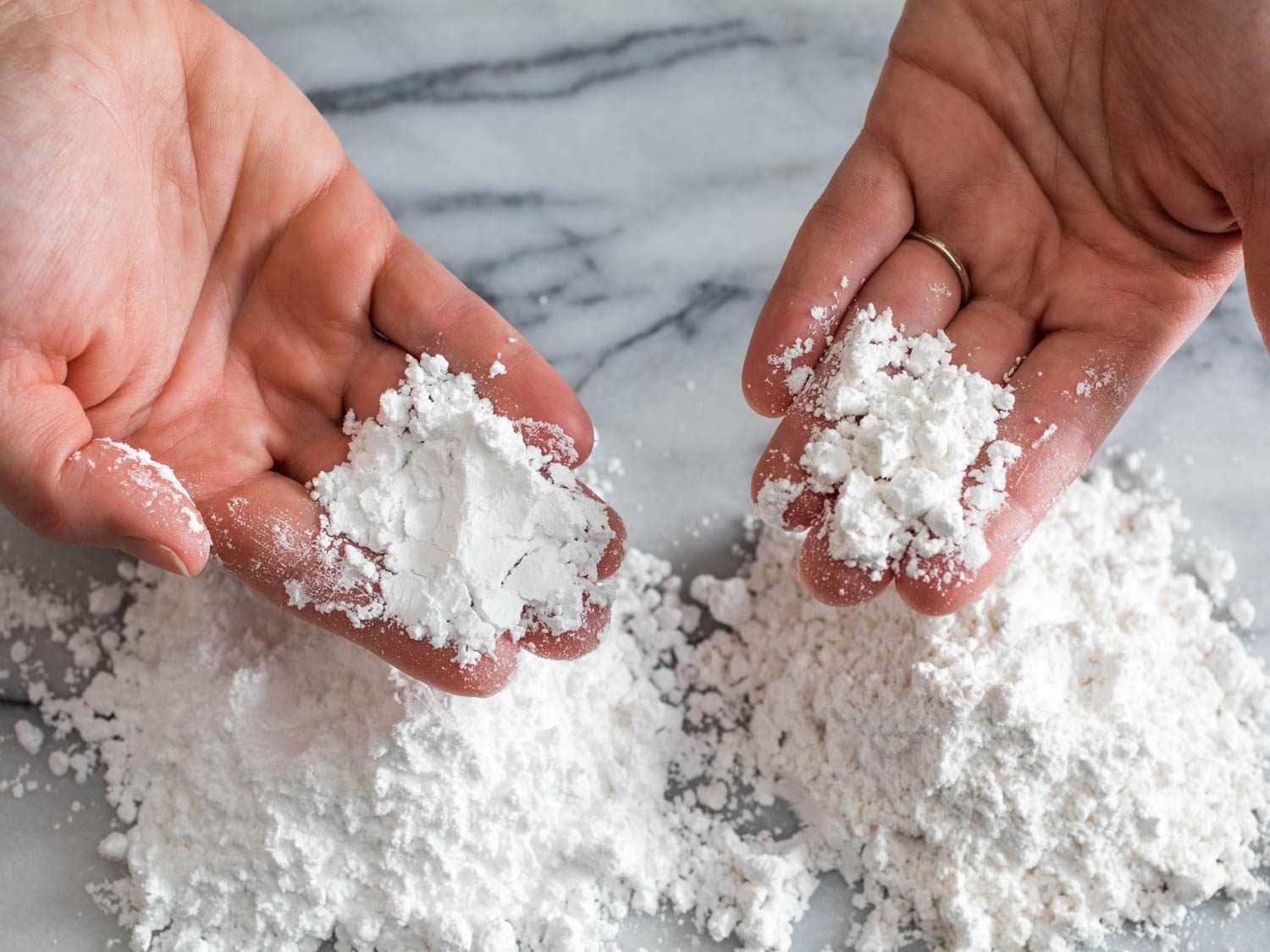
Icing Sugar

Finely milled Thai icing sugar made from white or refined sugar, with or without starch as an anticaking agent — Codex colour ≤ 60 IU — supplied in 25 kg sacks for bakeries and confectioners.

  • Thailand origin
  • Powder

Packaging: 25 kg

Specialty Sugar

Fine-Grain Caster Sugar

Thai refined or white sugar made to a fine crystal — Thai producers publish grain sizes of 0.40 mm or below — for fast dissolving in bakery, beverages and dry mixes; 25 kg sacks and 1 kg packs.

  • Thailand origin
  • Crystalline

Packaging: 25 kg, 1 kg

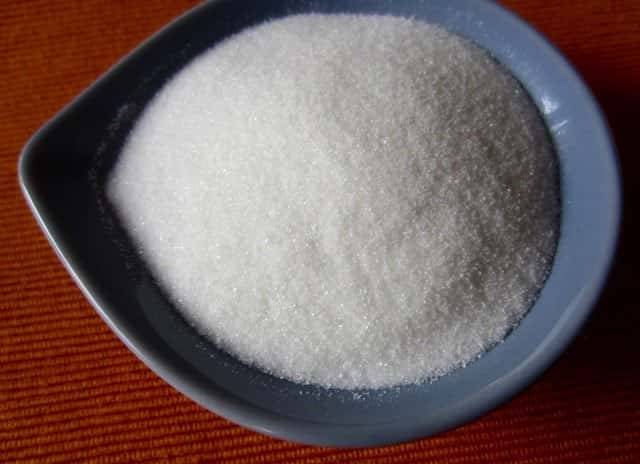
White Sugar

ICUMSA 100 White Sugar

Thai white cane sugar contracted at 100 IU or less — a buyer and producer tier inside Thai white grade 1 for users who want whiter sugar than standard mill white without moving to refined.

  • ICUMSA 100
  • Thailand origin
  • Crystalline

Packaging: 50 kg, 25 kg, Jumbo
White Sugar

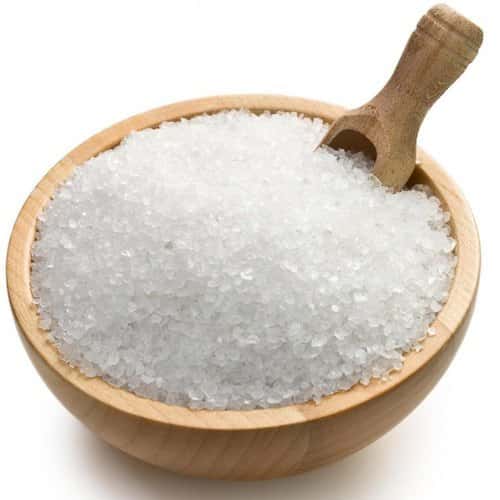
ICUMSA 150 White Sugar

Thai mill white cane sugar held to the Codex plantation-white colour ceiling of 150 IU (pol ≥ 99.5 °Z), inside Thai white sugar grade 1 — bagged for importers, repackers and food manufacturers.

  • ICUMSA 150
  • Thailand origin
  • Crystalline

Packaging: 50 kg, 25 kg, Jumbo
Liquid Sugar

Invert Sugar Syrup

Sucrose syrup partly or largely split into glucose and fructose by acid or enzyme hydrolysis, giving higher solids without crystallising — specified by inversion level against the EU definitions and delivered by tanker.

  • Thailand origin
  • Syrup

Packaging: Tanker

Brown Sugar

Natural Brown Sugar

Thai natural and golden brown cane sugars — free-flowing mill crystals that keep part of the cane's colour and flavour, specified by producer colour ranges and packed from 1 kg retail packs to 1-tonne bags.

  • Thailand origin
  • Crystalline

Packaging: 50 kg, 25 kg, Jumbo, 1 kg

Sweeteners for confectionery

Starch-Based Sweeteners

Glucose Syrup

Purified, concentrated starch hydrolysate with DE ≥ 20 and ≥ 70% total solids (Codex CXS 212), quoted by ANUTIDA against your DE and solids specification.

  • Syrup

Packaging: Drum, IBC, Flexitank, Tanker

Starch-Based Sweeteners

Dextrose

Purified, crystallised D-glucose (≥ 99.5% D-glucose, dry basis) in monohydrate or anhydrous form, commonly supplied in 25 kg or 50 kg bags with a COA for each lot.

  • Crystalline
  • Powder

Packaging: 25 kg, 50 kg

Sugar Alcohols & Polyols

Maltitol

Maltitol (E 965) as crystalline maltitol and as maltitol syrup, quoted against JECFA or EU specifications, for chocolate, confectionery, bakery and dairy use.

  • Crystalline
  • Powder

Packaging: 25 kg, Drum

Sugar Alcohols & Polyols

Isomalt

Isomalt (E 953), a low-hygroscopicity polyol made from sucrose, quoted against JECFA or EU specifications, for hard candy, coatings and confectionery.

  • Crystalline
  • Granular

Packaging: agreed per order

Sugar Alcohols & Polyols

Sorbitol

Sorbitol (E 420) as crystalline powder and as sorbitol syrup / 70% solution, quoted against JECFA or EU specifications, for food, pharmaceutical and technical use.

  • Powder
  • Crystalline

Packaging: 25 kg, Fibre drum, Drum, IBC, Flexitank, Tanker

Sugar Alcohols & Polyols

Xylitol

Xylitol (E 967), a five-carbon polyol about as sweet as sucrose, in crystalline and powder grades quoted against JECFA or EU specifications, for confectionery and food.

  • Crystalline
  • Granular

Packaging: 25 kg, 20 kg, Jumbo

Sugar Alcohols & Polyols

Erythritol

Erythritol (E 968), a fermentation-derived polyol, in granular and powder grades quoted against JECFA or EU specifications, for beverage, confectionery and bakery use.

  • Crystalline
  • Granular

Packaging: 25 kg, 20 kg, Jumbo

Sugar Alcohols & Polyols

Mannitol

D-mannitol (E 421), a low-hygroscopicity polyol quoted against JECFA, EU or pharmacopoeial specifications, for gum dusting, pressed mints and pharmaceutical use.

  • Crystalline
  • Powder

Packaging: 25 kg

Specialty Sweeteners

Isomaltulose

Isomaltulose, a disaccharide of glucose and fructose made from sucrose, about half as sweet as sugar. Supplied as the crystalline monohydrate to the EU novel-food specification.

  • Crystalline

Packaging: 25 kg

High-Intensity Sweeteners

Sucralose

Food-grade sucralose powder (E 955), about 600 times sweeter than sugar per the US FDA, supplied to the JECFA / EU specification with a COA per lot.

  • Powder
  • Granular

Packaging: Fibre drum, 25 kg

Frequently asked questions

Why do confectioners use glucose syrup with sugar?

Glucose syrup improves the solubility of sucrose and slows its crystallisation, and it lowers water activity. That keeps hard candy glassy and gives jellies and chews their texture and shelf life. The ratio of sugar to syrup, and the syrup's DE, are the main levers.

Do I need refined sugar for caramels and toffees?

Not necessarily. Where the recipe's own colour masks the sugar, white sugar of ICUMSA 100–150 is widely used — Thai confectioners used far more white than refined sugar in 2025. Keep ICUMSA 45 for clear, white and pastel products.

Which polyol should I use for sugar-free hard candy?

It depends on your process and target texture. Polyols differ in sweetness, solubility and hygroscopicity, and most have a lower glass transition temperature than sucrose, so moisture control matters more. Tell us your product and process and we will quote the grades that fit, with their official specifications.

Can you supply icing sugar without starch?

Specify it in your request. Codex permits icing sugar with up to 5% starch, or up to 1.5% of other anticaking agents, or none; the anticaking agent of the offered grade is stated in the quotation.

Request a quotation

Supplying confectionery?

Tell us the product, specification, quantity and destination. ANUTIDA's sales desk replies with packaging options and a written quotation.

Request Quote