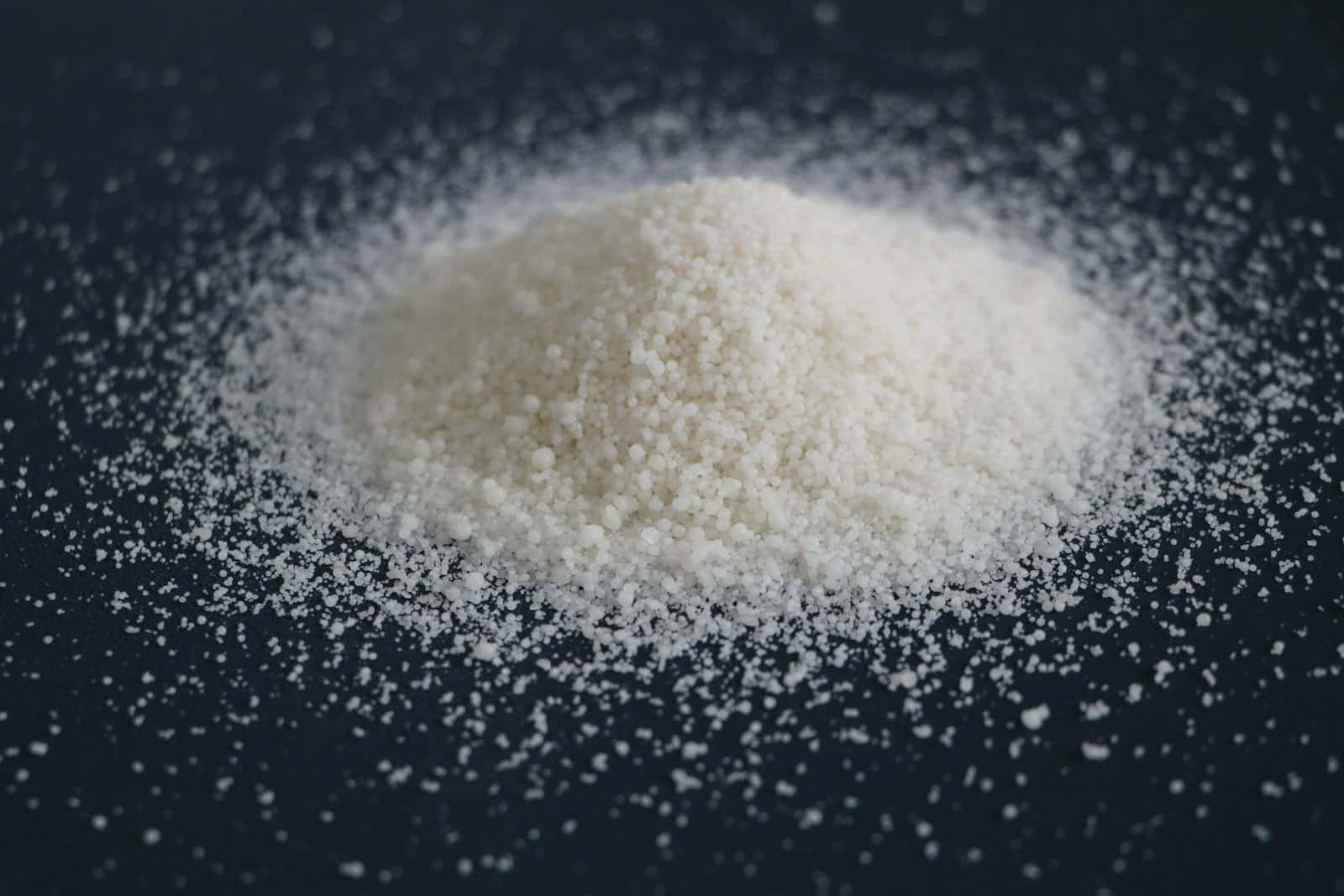
High-Intensity Sweeteners
Aspartame Supplier — Powder & Granular (E 951)
Aspartame (E 951) in powder and granular grades — about 200 times sweeter than sugar — supplied to the JECFA / EU specification with a COA per lot.
- Powder · GranularForms supplied
- Export from ThailandQuoted on your Incoterm
- COA with every lotSpecification in the quotation
Quick quote
Select a product ICUMSA 45 Refined SugarICUMSA 45Quote
 ICUMSA 150 White SugarICUMSA 150Quote
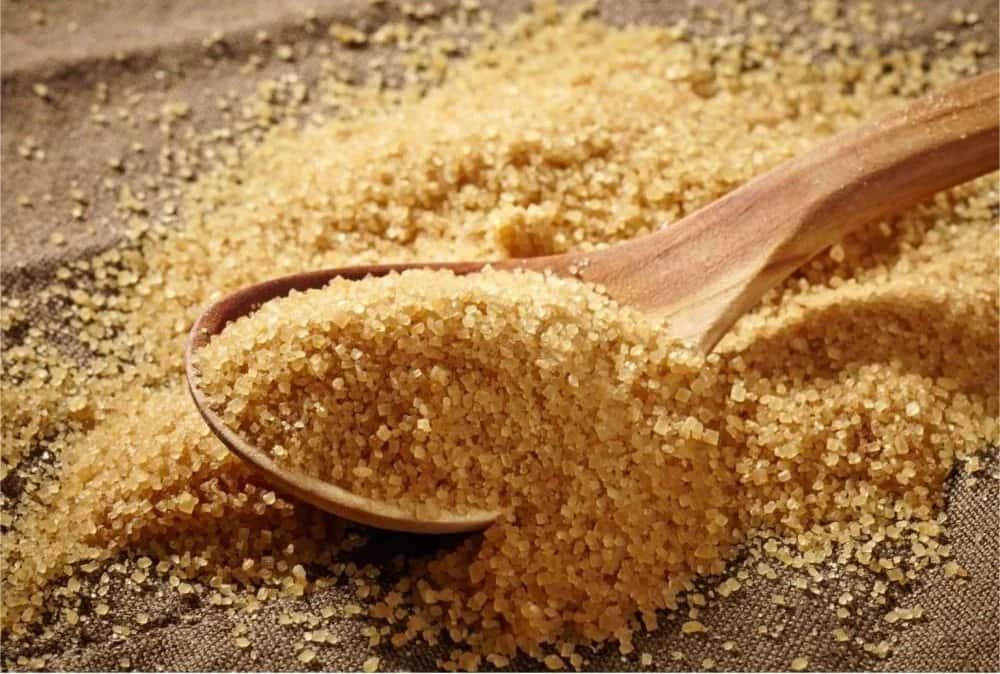 VHP Raw SugarRaw cane sugar sold under the VHP (very high polarisation) labelQuote
 Thai Hi-Pol Raw SugarHigh-polarisation raw cane sugarQuote
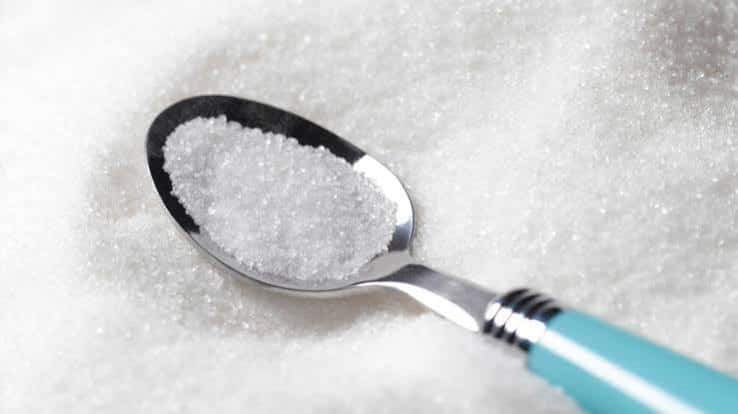 AspartameHigh-intensity sweetener (dipeptide methyl ester)Quote
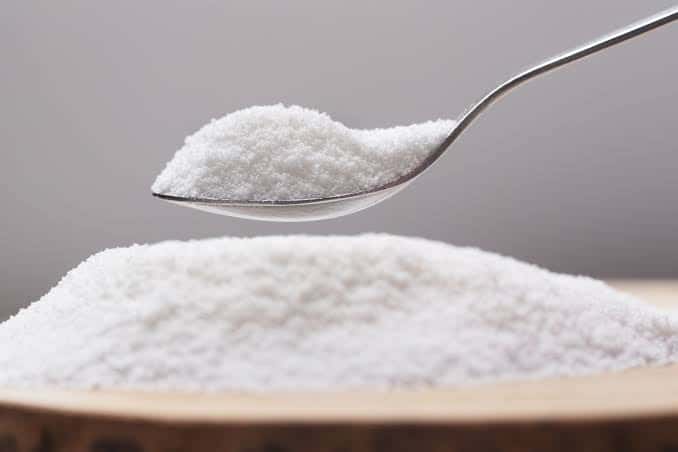 SucraloseHigh-intensity sweetener (chlorinated sucrose derivative)Quote
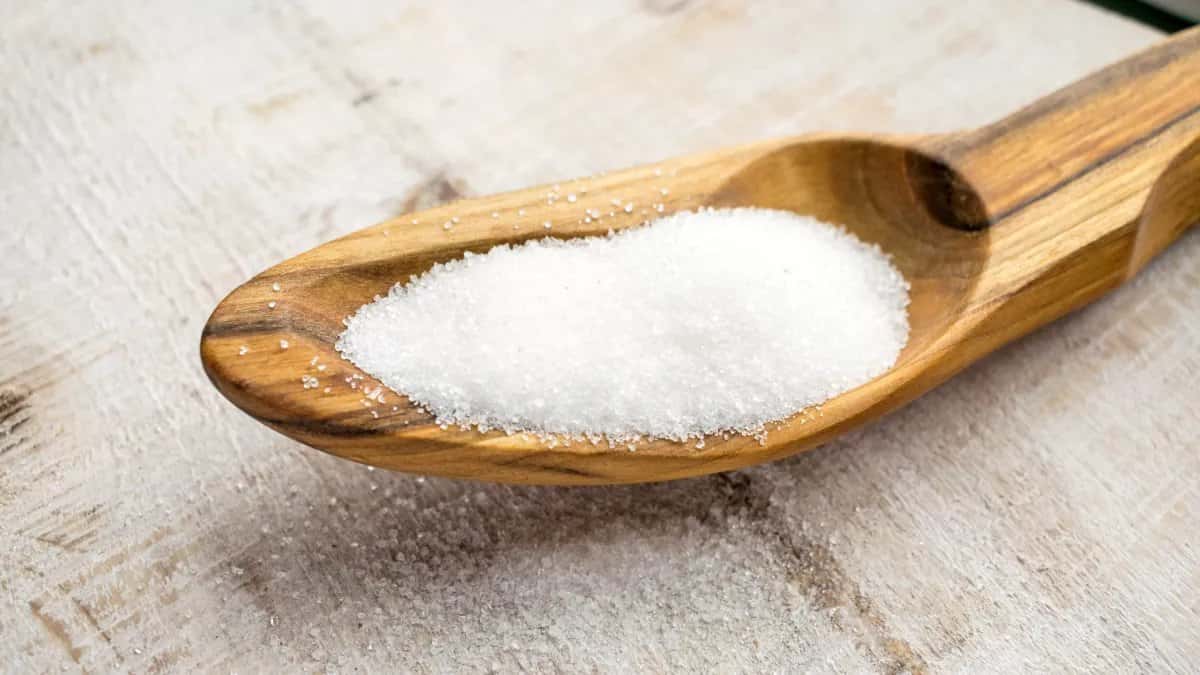 Acesulfame-KHigh-intensity sweetener (potassium salt of an oxathiazinone dioxide)Quote
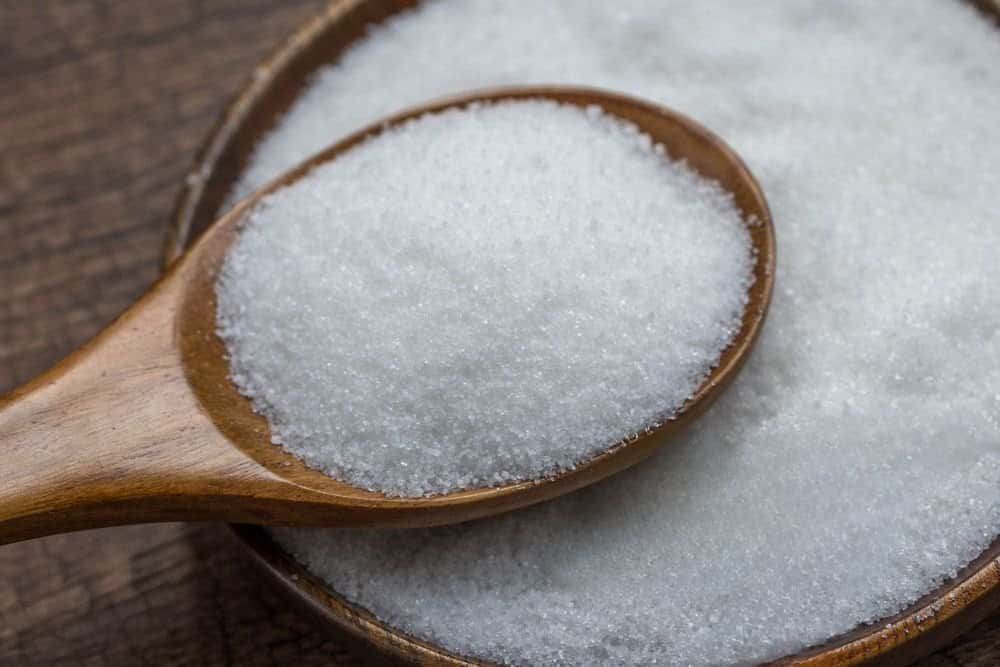 SaccharinHigh-intensity sweetener (benzisothiazolone dioxide and its salts)Quote
- Thailand basedUdon Thani, Thailand
- Ready stockCommercial supply
- Multiple Thai producersBroad product range
- Global exportShipped from Thailand
- Specification supportCOA with every lot
High-Intensity Sweeteners
Aspartame
High-intensity sweetener (dipeptide methyl ester)
- Powder
- Granular
- E 951
- INS 951
- Assay
- 98–102%
- Sweetness
- About 200×
- Moisture
- ≤ 4.5%
- pH
- 4.5–6.0
Certificate of Analysis with every lot
What is Aspartame?
Aspartame is the methyl ester of a dipeptide made from two amino acids, L-aspartic acid and L-phenylalanine — chemically N-L-α-aspartyl-L-phenylalanine 1-methyl ester (CAS 22839-47-0), abbreviated APM. It is INS 951 internationally and E 951 in the EU. The EU specification and the US FDA both describe it as about 200 times sweeter than sucrose.
- Beverage
- Dairy
- Confectionery
- Food Manufacturing
Key features
- Supplied in powder and granular forms
- Food additive identity E 951 / INS 951
- Specification limits from official standards
- Certificate of Analysis with every lot
- Packed in drums and 25 kg bags
- Exported from Thailand on your Incoterm
Technical data
Technical specifications
Powder
Aspartame powder
The crystallised and dried product before granulation; suited to dry mixes and fast dissolution. Same specification as granular.
Granular
Aspartame granular
Powder compacted, milled and sieved to a granule size; flows better and generates less dust. Same CAS number and specification as powder.
| Parameter | Value | Basis |
|---|---|---|
| Product | Aspartame, food grade | — |
| INS number | 951 | Standard / official specification |
| EU additive number | E 951 | Standard / official specification |
| CAS number | 22839-47-0 | Standard / official specification |
| Chemical formula / molecular weight | C₁₄H₁₈N₂O₅ / 294.31 | Standard / official specification |
| Description | White, odourless, crystalline powder | Standard / official specification |
| Assay (dried basis) | 98–102% | Standard / official specification |
| Loss on drying (105 °C, 4 h) | ≤ 4.5% | Standard / official specification |
| pH (1 in 125 solution) | 4.5–6.0 | Standard / official specification |
| Specific rotation [α]D20 (4% in 15 M formic acid) | +14.5° to +16.5° | Standard / official specification |
| Transmittance (1% in 2 M HCl, 430 nm) | ≥ 0.95 | Standard / official specification |
| Sulphated ash | ≤ 0.2% | Standard / official specification |
| 5-Benzyl-3,6-dioxo-2-piperazineacetic acid (DKP) | ≤ 1.5% | Standard / official specification |
| Other optical isomers (L,D- + D,L-APM) | ≤ 0.02% | Standard / official specification |
| Lead | ≤ 1 mg/kg | Standard / official specification |
| Arsenic (dry weight basis) | ≤ 3 mg/kg | Standard / official specification |
| Solubility | Slightly soluble in water; practically insoluble in ethanol | Standard / official specification |
| Relative sweetness (sucrose = 1) | About 200× | Typical value (reference) |
| Particle size / mesh | Confirmed per lot on the Certificate of Analysis — contact ANUTIDA for the current specification. | |
| Origin | Confirmed in each quotation | — |
Identity & status
Regulatory identity
| INS number | INS 951 |
|---|---|
| JECFA ADI | 0–40 mg/kg body weight — reaffirmed at the 96th JECFA (2023) |
| IARC (2023) | Hazard classification Group 2B (“possibly carcinogenic to humans”), limited evidence; released jointly with the JECFA risk assessment |
| EU status | E 951 — authorised sweetener (Regulation 1333/2008, Annex II Part B); specification in Regulation 231/2012 |
| EU labelling | “contains aspartame (a source of phenylalanine)” or “contains a source of phenylalanine” (Regulation 1169/2011, Annex III 2.3) |
| US status | Food additive, 21 CFR 172.804 — meets the Food Chemicals Codex specification; label statement “PHENYLKETONURICS: CONTAINS PHENYLALANINE” |
| US FDA ADI | 50 mg/kg body weight per day |
JECFA and the FDA set different ADIs for aspartame; both are shown as published. Permitted foods, maximum levels and label wording differ by market — confirm the rules of your destination country.
Applications & industries
- Carbonated soft drinks
- Powdered drink mixes
- Table-top sweeteners (tablets and powders)
- Chewing gum and confectionery
- Yoghurt, ice cream and dairy desserts
- Chewable vitamins and medicines (pharmacopoeia grade)
- Beverage
- Dairy
- Confectionery
- Food Manufacturing
- Pharmaceutical
- Nutraceutical
- Distributors & Wholesalers
Packaging, origin and manufacturers
Packaging options
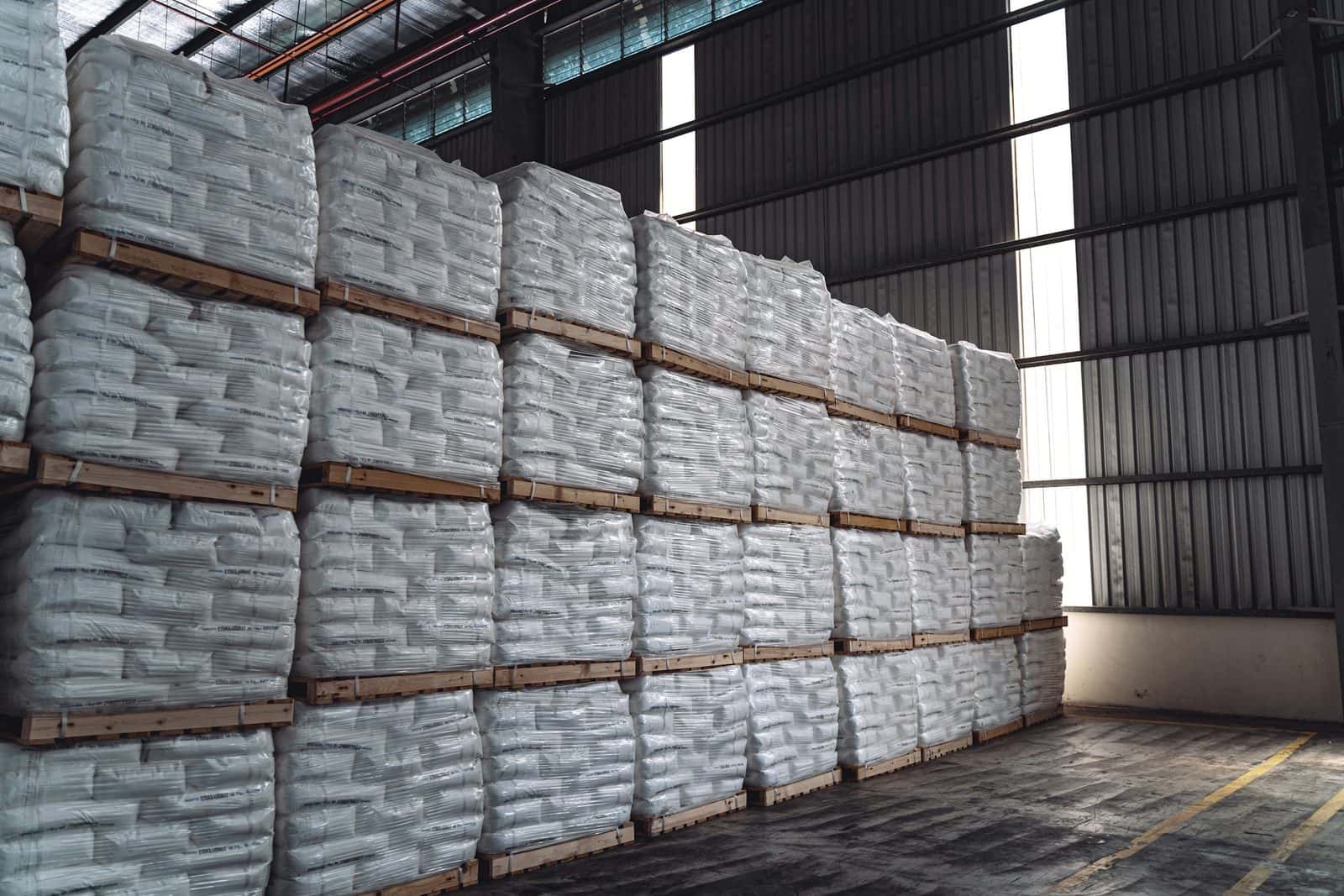
- Drums
- 25 kg bags
Formats documented in the trade include 25 kg drums and 25 kg bags; the format available for your order is confirmed in the quotation.
Origin
Stated in the quotation
Each quotation states the origin, producer and specification of the offered lot.
Supplied and exported by ANUTIDA — Udon Thani, Thailand
Manufacturer information
You buy from ANUTIDA. The producer of the offered lot is named in the quotation; state any preferred manufacturer or brand in your request.
Paperwork & shipping
Documentation & export
Each quotation states the specification of the offered product. Export shipments travel with the document set agreed in your contract — typically a commercial invoice, packing list, bill of lading, certificate of origin and a Certificate of Analysis for the lot. List any further documents you need, such as third-party inspection, halal or kosher certificates or a health certificate, and they are confirmed in the quotation. Read how shipping works on the export and logistics pages.
- Minimum order
- Confirmed with quotation
- Lead time
- Confirmed with quotation
- Delivery
- Export from Thailand
Product guide
About Aspartame
ANUTIDA supplies food-grade aspartame in powder and granular grades to beverage, dairy, confectionery and table-top sweetener manufacturers and to distributors, quoted against the JECFA and EU specifications.
How aspartame is made: powder and granular
A US Customs ruling on aspartame trade describes one producer’s process: a chemical reaction followed by purification, crystallisation and drying, which yields aspartame powder. Granular aspartame comes from the same process plus one step — the powder is de-aerated, compacted into sheets between rollers, broken into granules in a hammer mill and sieved to size. Both forms share the same CAS number, molecular formula and specification.
The choice is about handling, not chemistry. The same ruling records soft-drink manufacturers preferring granular aspartame because it gave less dusting and lower yield loss when packing beverage “kits”, while noting that the two forms can be used interchangeably in ready-to-drink beverages. Powder suits dry blends and fast dissolution; granules flow better and generate less dust.
Functional properties
- Sweetness: about 200 times sucrose (EU specification; US FDA).
- Heat: the FDA notes that aspartame is not heat stable and loses sweetness when heated, so it is typically not used in baked goods. US rules still permit it in baked goods and baking mixes at up to 0.5% of the ready-to-bake product, combined with other ingredients that keep the product sweet.
- Solubility: slightly soluble in water and practically insoluble in ethanol (JECFA, 2016).
- Degradation marker: the specifications limit 5-benzyl-3,6-dioxo-2-piperazineacetic acid (diketopiperazine, DKP) to 1.5% — a parameter worth checking on the COA.
Applications
WHO lists diet drinks, chewing gum, gelatin, ice cream, yoghurt and other dairy products, breakfast cereal, toothpaste and medications such as cough drops and chewable vitamins among the products that use aspartame. Main buyers are beverage producers (carbonated and powdered soft drinks), dairy processors, confectionery and gum makers, and table-top sweetener packers in food manufacturing. Pharmaceutical and supplement users must specify the pharmacopoeia grade (for example USP-NF or Ph. Eur.) in the RFQ. In EU flavoured drinks (category 14.1.4), aspartame is permitted up to 600 mg/l in energy-reduced drinks or drinks with no added sugar.
Mandatory phenylalanine labelling
Because aspartame is a source of phenylalanine, finished foods containing it carry a statement in both major regulatory systems:
- United States (21 CFR 172.804): the label of any food containing aspartame must bear “PHENYLKETONURICS: CONTAINS PHENYLALANINE”, prominently and in bold type. Table-top packs must also say not to use the product in cooking or baking.
- European Union (Regulation 1169/2011, Annex III 2.3): “contains aspartame (a source of phenylalanine)” where the ingredient list names it only by E-number, or “contains a source of phenylalanine” where it is named as aspartame. Table-top sweeteners containing aspartame must carry “contains a source of phenylalanine” (Regulation 1333/2008, Art. 23).
The 2023 IARC and JECFA evaluations
On 14 July 2023, WHO, FAO and IARC released two separate assessments. IARC, which evaluates hazards, classified aspartame as “possibly carcinogenic to humans” (Group 2B), citing limited evidence. JECFA, which assesses risk at given exposure levels, found no sufficient reason to change its acceptable daily intake and reaffirmed the ADI of 0–40 mg/kg body weight (96th meeting, 2023). The US FDA stated that it disagrees with IARC’s classification and that JECFA did not change the ADI. EU and US regulations continue to authorise aspartame within set conditions of use; buyers should follow the rules of their destination market.
Regulatory identity
Aspartame is an authorised EU sweetener (E 951) under Regulation 1333/2008, with purity criteria in Regulation 231/2012; JECFA revised its specification in 2016, adding a limit for other optical isomers. In the US it is listed in 21 CFR 172.804, which references the Food Chemicals Codex specification. The FDA’s own ADI is 50 mg/kg body weight per day.
What to specify in your RFQ
- Form: powder or granular, with mesh range if critical to your process.
- Specification reference: JECFA (2016), EU Regulation 231/2012, FCC, or a pharmacopoeia grade for pharmaceutical use.
- Quantity, packaging and destination market.
- Documents needed with each lot (COA and any market-specific certificates).
- Incoterm and discharge port — see logistics.
Buyer questions
Aspartame FAQ
What is the difference between aspartame powder and granular?
Only the physical form. Both come from the same synthesis and meet the same specification; granular aspartame is powder that has been compacted, milled and sieved, so it flows better and is less dusty.
What phenylalanine statement is required on finished products?
In the US, “PHENYLKETONURICS: CONTAINS PHENYLALANINE” (21 CFR 172.804). In the EU, “contains aspartame (a source of phenylalanine)” when the label uses only the E-number, or “contains a source of phenylalanine” when it names aspartame (Regulation 1169/2011, Annex III).
What did JECFA conclude in 2023?
JECFA reaffirmed its acceptable daily intake of 0–40 mg/kg body weight. In the same release IARC classified aspartame in hazard Group 2B on limited evidence. Regulators in the EU and US continue to authorise aspartame under defined conditions of use.
Can aspartame be used in baked goods?
The FDA notes that aspartame loses sweetness when heated and is typically not used in baked goods. US rules allow up to 0.5% in ready-to-bake products when combined with ingredients that keep the product sweet.
Which specification and documents come with each lot?
Lots are supplied against the specification agreed in the quotation (JECFA, EU Regulation 231/2012, FCC or a pharmacopoeia grade) and ship with a Certificate of Analysis. Ask for any other documents your market requires in the RFQ.
How do I order aspartame from ANUTIDA?
Send an RFQ with form, specification, quantity, destination and Incoterm via Request a Quote. Minimum order quantity and lead time are confirmed with the quotation.
Last updated 6 October 2026
Related supply
Other Sweeteners You May Be Interested In
- SweetenerSucraloseHigh-intensity sweetener (chlorinated sucrose derivative)SpecificationView specification
- SweetenerSaccharinHigh-intensity sweetener (benzisothiazolone dioxide and its salts)SpecificationView specification
- SweetenerAcesulfame-KHigh-intensity sweetener (potassium salt of an oxathiazinone dioxide)SpecificationView specification
 SweetenerSteviol GlycosidesHigh-intensity sweetener (food additive)SpecificationView specification
Knowledge Center
Related Articles & Resources
- SweetenersSugar Alcohols vs High-Intensity Sweeteners: How They DifferPolyols replace sugar’s bulk and part of its sweetness; high-intensity sweeteners replace sweetness only. Sweetness, use levels, labelling and formulation compared.Read guide
- SweetenersWhat Are Industrial Sweeteners? A Buyer’s Map of the Five FamiliesPolyols, high-intensity, natural, starch-based and specialty sweeteners do different jobs. How the five families differ in function, sweetness, form and regulatory identity.Read guide
 SweetenersDextrose Monohydrate vs Dextrose AnhydrousBoth forms are at least 99.5% D-glucose on a dry basis. The difference is one molecule of crystal water, which changes total solids, dosage and moisture behaviour.Read guide
 SweetenersErythritol vs Xylitol: A Technical Comparison for BuyersErythritol and xylitol are the two crystalline, strongly cooling polyols. They differ in how they are made, how sweet they are and where the law lets you use them.Read guide

Request a quotation
Need Aspartame or Other Sweeteners?
Tell us your product, specification, quantity and destination. ANUTIDA replies with packaging options and a written quotation.