ANUTIDAThai Sugar · Export — home page

Industries

Sugar & Sweeteners for Dairy & Ice Cream

Dairy is one of the largest industrial users of sugar in Thailand. In milk drinks, yoghurt, ice cream and condensed milk, sugar sets sweetness, body, freezing point and water activity — so dairy buyers specify it as carefully as their milk solids.

What sugar does in dairy products

  • Flavoured milk and drinking yoghurt — dissolved sugar adds sweetness, viscosity and mouthfeel. It also lowers water activity; cutting sugar in sweetened milk drinks raises it, with consequences for stability.
  • Ice cream and frozen desserts — sugars are the main ingredient lowering the freezing point of the mix, which governs texture, behaviour in the freezer and how firm the product is at serving temperature. Because freezing point is a colligative property, swapping one sugar for another changes softness as well as sweetness.
  • Sweetened condensed milk — made by evaporating milk and adding sugar; viscosity rises with the sugar addition, and lactose crystallisation has to be controlled during manufacture.
  • Yoghurt and desserts — sugar goes in with the milk or through fruit preparations; liquid sugars are widely used for both.
  • Colour — lactose already takes part in Maillard reactions during heat treatment; adding dextrose or invert syrup brings in further reducing sugars.

Grades for dairy plants

Sugar products for dairy applications
ProductTypical useNotes
ICUMSA 150 / ICUMSA 100 white sugarFlavoured milk, condensed milk, ice cream mixThai dairy plants used 159,901 t of white and 21,995 t of refined sugar in 2025 (OCSB data via USDA)
ICUMSA 45 refined sugarWhite or lightly coloured products and UHT milk drinksLowest colour: 0–45 IU at ≥ 99.80 °Z in the Thai refined class
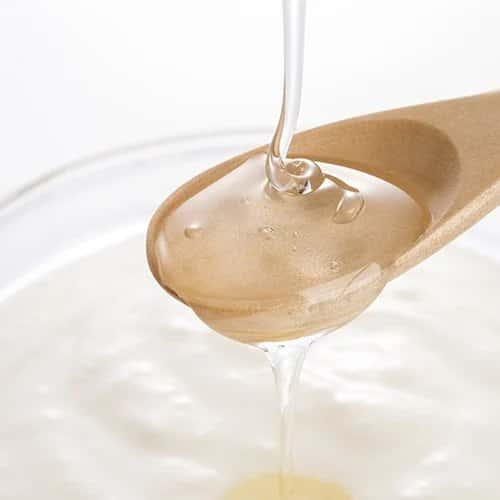
Liquid sucrose / invert sugar syrupIce cream mixes, milk drinks, fruit preparationsMetered dosing; short shelf life, delivered by tanker within range
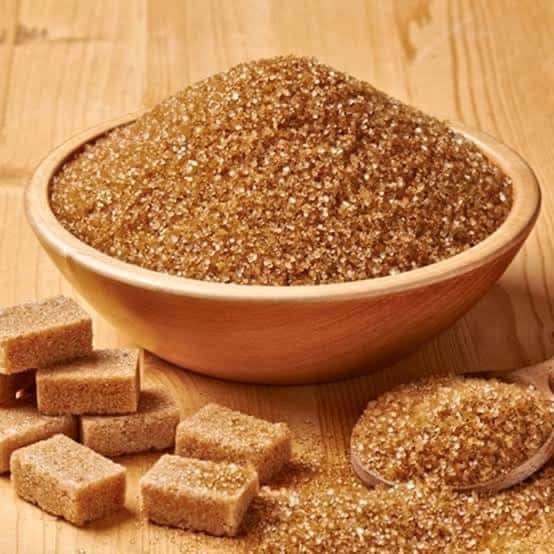
Natural brown sugarDesserts and drinks where caramel-like colour and cane flavour are part of the productColour range and moisture
Sugar products for dairy applications.

Sweeteners in dairy

  • Glucose syrup, dextrose and maltodextrin add solids and adjust sweetness and freezing behaviour in ice cream mixes. Specify DE and dry matter for syrups, and monohydrate or anhydrous for dextrose.
  • High-intensity sweeteners and steviol glycosides are used in reduced-sugar milk drinks and yoghurts. They replace sweetness only, so body has to be rebuilt with ingredients such as starch or gums.
  • Heat treatment — the FDA describes sucralose and acesulfame K as heat-stable; aspartame loses sweetness when heated, which matters for UHT and retorted products.
  • Erythritol and other polyols add bulk; in the EU, products with more than 10% added polyols carry a mandatory laxative-effect statement.

Some processors also cut added sugar by hydrolysing the milk's own lactose into glucose and galactose: a review by Mahato et al. puts the sweetness gain in milk at about the equivalent of 2% added sugar, and cites a yoghurt study in which consumers could not tell 4 g of added sucrose per 100 g from a lactose-hydrolysed yoghurt with under 2–3 g.

RFQ checklist for dairy

What dairy buyers should specify
ParameterWhat to state
Grade and colourICUMSA maximum — 45, 100 or 150
PolarisationMinimum °Z (≥ 99.80 refined, ≥ 99.50 white grade 1 in Thai classes)
MicrobiologyYour release limits for yeasts, moulds and bacteria, so they are reported on the COA
Sulphur dioxideCodex: ≤ 15 mg/kg for white sugar, ≤ 70 mg/kg for plantation white sugar
Liquid sugarDry matter, invert content and delivery temperature
SweetenersIdentity, form and the official specification (JECFA, EU or your market's)
Packaging and documents50 kg, 25 kg or jumbo bags, or tanker; COA per lot; halal or other certificates required
What dairy buyers should specify.

Supply and storage

Dairy is the third-largest industrial use of sugar in Thailand, after beverages and fruit and food products — 181,896 t in 2025 — and plants draw it continuously, so supply rhythm matters as much as price: agree call-off quantities and a buffer stock rather than buying spot. Store bags dry, off the floor and away from odours, because sugar picks up foreign smells readily. Liquid sugar has a short shelf life — one European producer quotes 8 weeks unopened — and should be held at around 20 ± 5 °C, because colder storage can make it recrystallise; in chilled plants, keep liquid-sugar tanks out of the cold rooms and plan tanker deliveries to consumption. See logistics, quality and the sugar storage guide.

Sugar for dairy

White Sugar

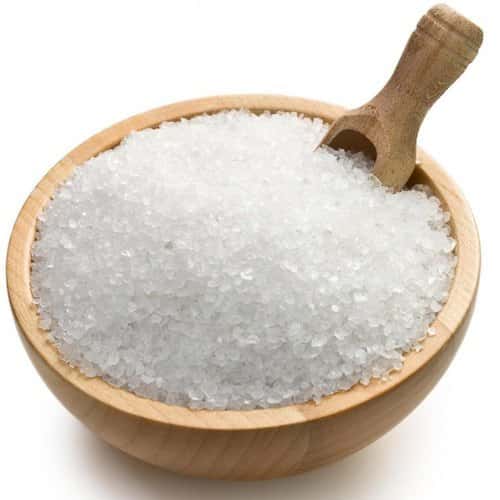
ICUMSA 150 White Sugar

Thai mill white cane sugar held to the Codex plantation-white colour ceiling of 150 IU (pol ≥ 99.5 °Z), inside Thai white sugar grade 1 — bagged for importers, repackers and food manufacturers.

  • ICUMSA 150
  • Thailand origin
  • Crystalline

Packaging: 50 kg, 25 kg, Jumbo
White Sugar

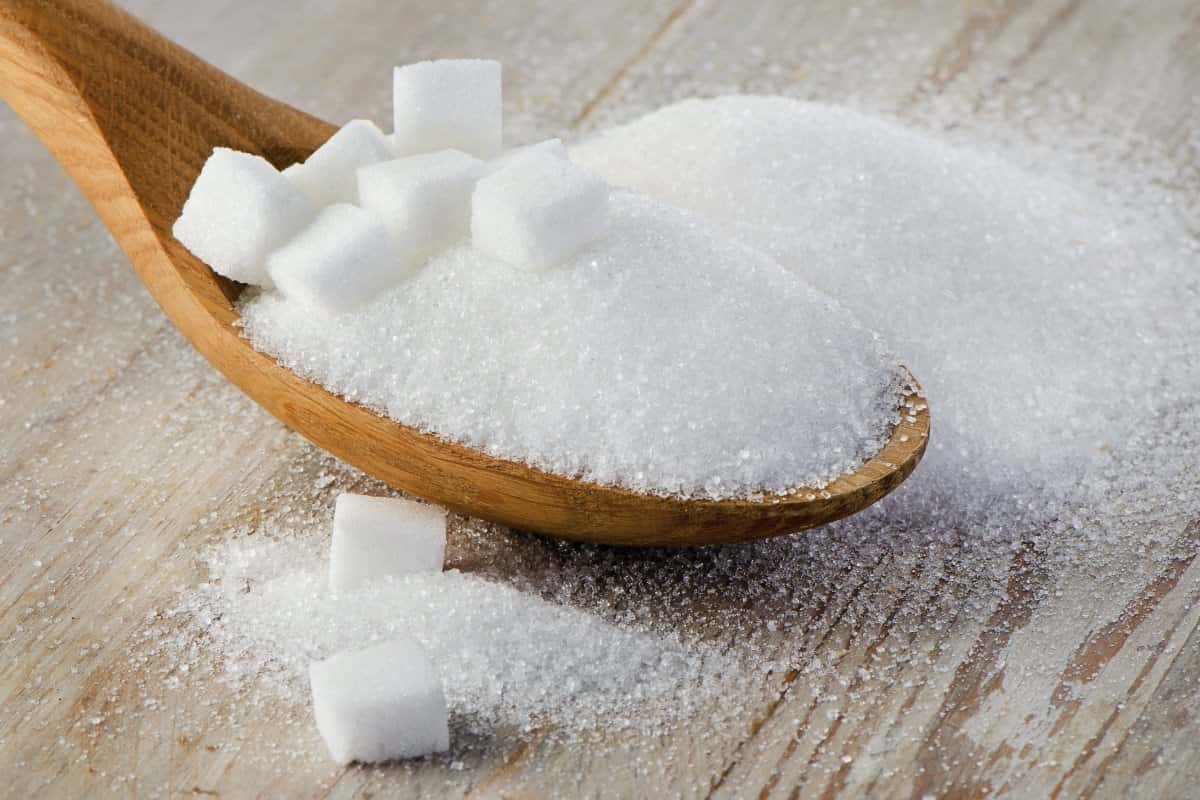
ICUMSA 100 White Sugar

Thai white cane sugar contracted at 100 IU or less — a buyer and producer tier inside Thai white grade 1 for users who want whiter sugar than standard mill white without moving to refined.

  • ICUMSA 100
  • Thailand origin
  • Crystalline

Packaging: 50 kg, 25 kg, Jumbo
Refined Sugar

ICUMSA 45 Refined Sugar

Thai refined cane sugar in the 0–45 IU colour class with pol of at least 99.80 °Z — the quality behind the world white-sugar benchmark — supplied in 50 kg, 25 kg and 1-tonne bags for export.

  • ICUMSA 45
  • Thailand origin
  • Crystalline

Packaging: 50 kg, 25 kg, Jumbo
Liquid Sugar

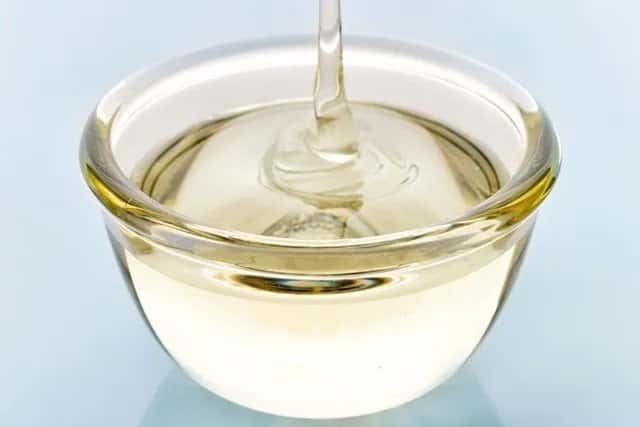
Liquid Sucrose

Thai liquid sucrose — refined-quality sugar dissolved to about 66–68 % solids with colour of 35 IU or less — delivered by road tanker to beverage and food plants.

  • Thailand origin
  • Syrup

Packaging: Tanker

Liquid Sugar

Invert Sugar Syrup

Sucrose syrup partly or largely split into glucose and fructose by acid or enzyme hydrolysis, giving higher solids without crystallising — specified by inversion level against the EU definitions and delivered by tanker.

  • Thailand origin
  • Syrup

Packaging: Tanker

Brown Sugar

Natural Brown Sugar

Thai natural and golden brown cane sugars — free-flowing mill crystals that keep part of the cane's colour and flavour, specified by producer colour ranges and packed from 1 kg retail packs to 1-tonne bags.

  • Thailand origin
  • Crystalline

Packaging: 50 kg, 25 kg, Jumbo, 1 kg

Sweeteners for dairy

Starch-Based Sweeteners

Glucose Syrup

Purified, concentrated starch hydrolysate with DE ≥ 20 and ≥ 70% total solids (Codex CXS 212), quoted by ANUTIDA against your DE and solids specification.

  • Syrup

Packaging: Drum, IBC, Flexitank, Tanker

Starch-Based Sweeteners

Dextrose

Purified, crystallised D-glucose (≥ 99.5% D-glucose, dry basis) in monohydrate or anhydrous form, commonly supplied in 25 kg or 50 kg bags with a COA for each lot.

  • Crystalline
  • Powder

Packaging: 25 kg, 50 kg

Starch-Based Sweeteners

Maltodextrin

Starch hydrolysate with DE below 20 (21 CFR 184.1444): a low-sweetness, soluble white powder for bulking and carrying flavours, commonly packed in 25 kg bags.

  • Powder

Packaging: 25 kg

High-Intensity Sweeteners

Sucralose

Food-grade sucralose powder (E 955), about 600 times sweeter than sugar per the US FDA, supplied to the JECFA / EU specification with a COA per lot.

  • Powder
  • Granular

Packaging: Fibre drum, 25 kg

High-Intensity Sweeteners

Acesulfame-K

Acesulfame potassium (Ace-K, E 950): a heat-stable sweetener about 200 times sweeter than sugar, often used together with other sweeteners.

  • Crystalline
  • Powder

Packaging: agreed per order

Natural Sweeteners

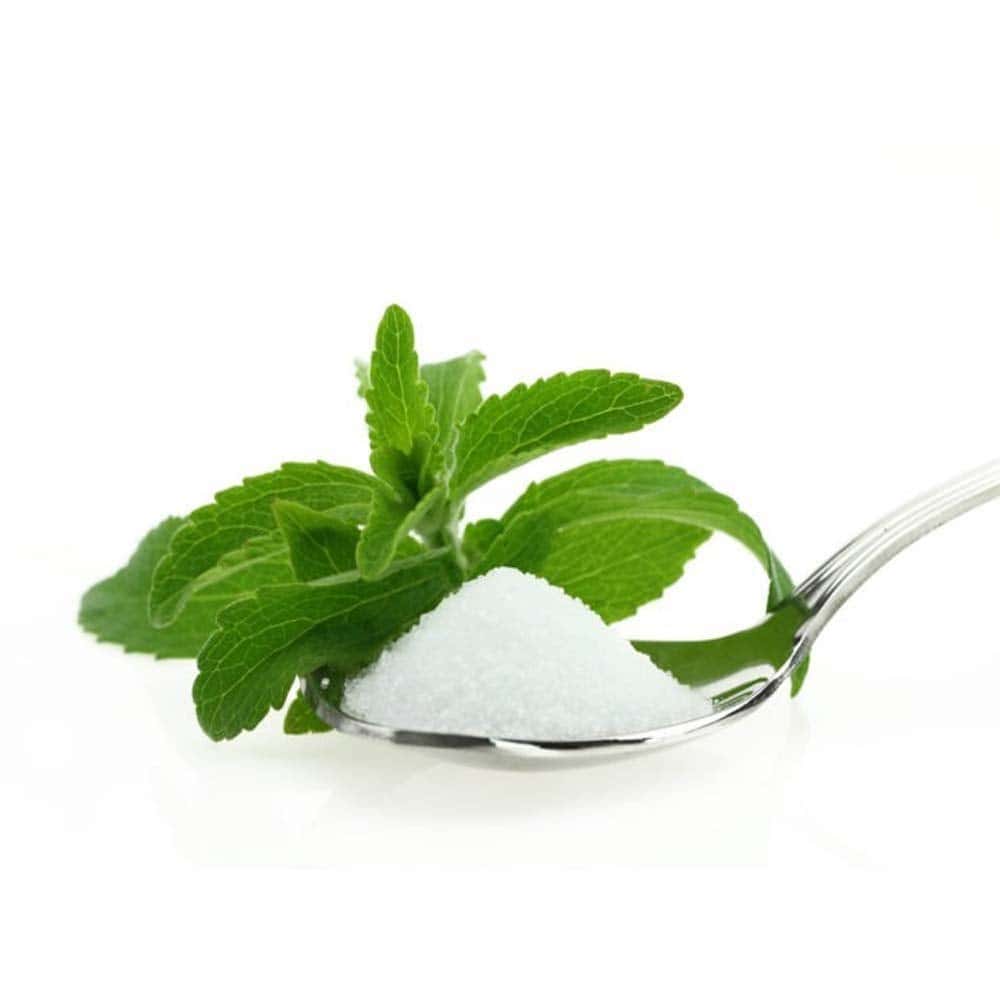
Steviol Glycosides

Purified steviol glycosides with ≥ 95 % total glycosides — leaf-extracted (E 960a), fermentation, enzyme-modified and glucosylated grades supplied by ANUTIDA.

  • Powder

Packaging: Fibre drum

Sugar Alcohols & Polyols

Erythritol

Erythritol (E 968), a fermentation-derived polyol, in granular and powder grades quoted against JECFA or EU specifications, for beverage, confectionery and bakery use.

  • Crystalline
  • Granular

Packaging: 25 kg, 20 kg, Jumbo

Starch-Based Sweeteners

Fructose

Purified, crystallised D-fructose with ≥ 98.0% fructose and ≤ 0.5% glucose (Codex CXS 212-1999).

  • Crystalline

Packaging: agreed per order

Frequently asked questions

Which sugar grade do dairy plants use?

Mostly white sugar. OCSB data published by USDA show Thai dairy plants used about seven times more white than refined sugar in 2025. Refined ICUMSA 45 is chosen for white or lightly coloured products where colour is critical.

Does the type of sugar affect ice cream texture?

Yes. Sugars are the main ingredient lowering the freezing point of the mix, and freezing point depends on the number of dissolved molecules, so replacing sucrose with glucose syrup, dextrose or a polyol changes softness and freezing behaviour as well as sweetness.

Can high-intensity sweeteners replace sugar in flavoured milk?

They can replace the sweetness, but not the body sugar gives. Reduced-sugar milk drinks usually add other ingredients, such as starch or gums, to restore mouthfeel. Choose a heat-stable sweetener if the product is UHT-treated or retorted.

Request a quotation

Supplying dairy?

Tell us the product, specification, quantity and destination. ANUTIDA's sales desk replies with packaging options and a written quotation.

Request Quote