Sugar Alcohols & Polyols
Erythritol Supplier — Granular & Powder
Erythritol (E 968), a fermentation-derived polyol, in granular and powder grades quoted against JECFA or EU specifications, for beverage, confectionery and bakery use.
- Crystalline · Granular · PowderForms supplied
- Export from ThailandQuoted on your Incoterm
- COA with every lotSpecification in the quotation
Quick quote
Select a product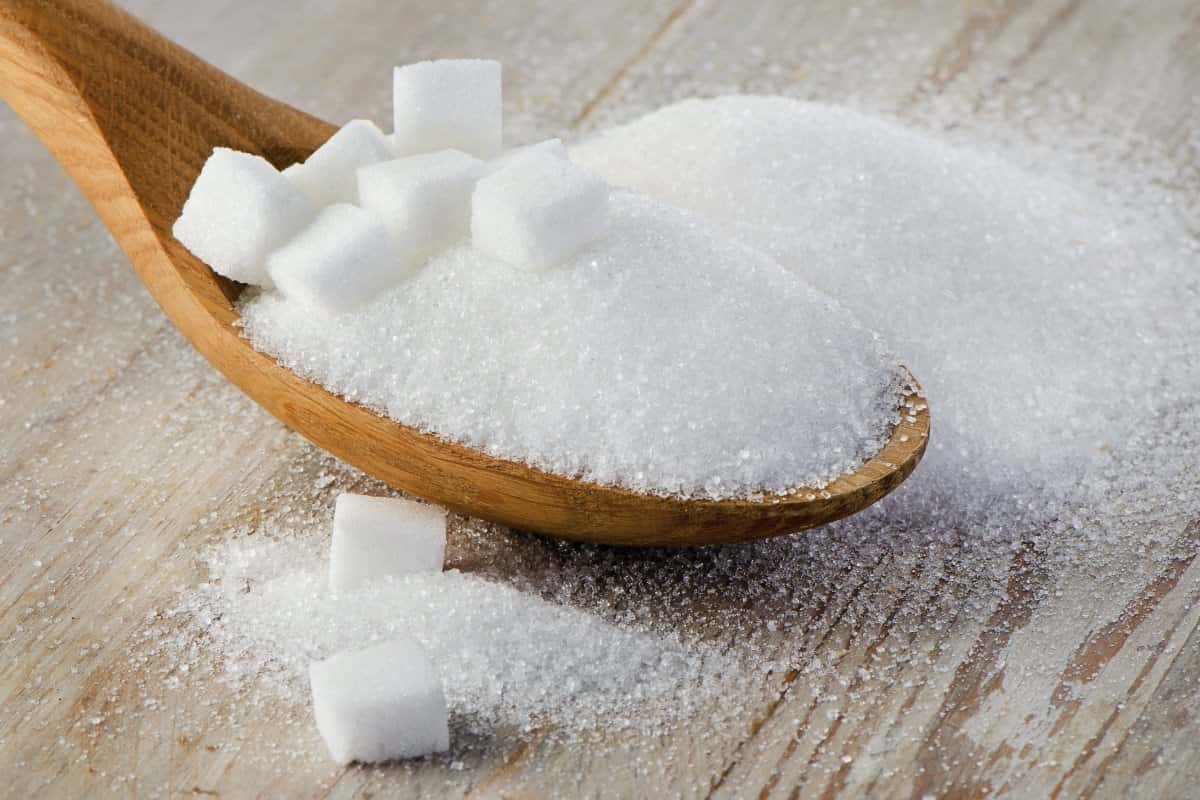 ICUMSA 45 Refined SugarICUMSA 45Quote
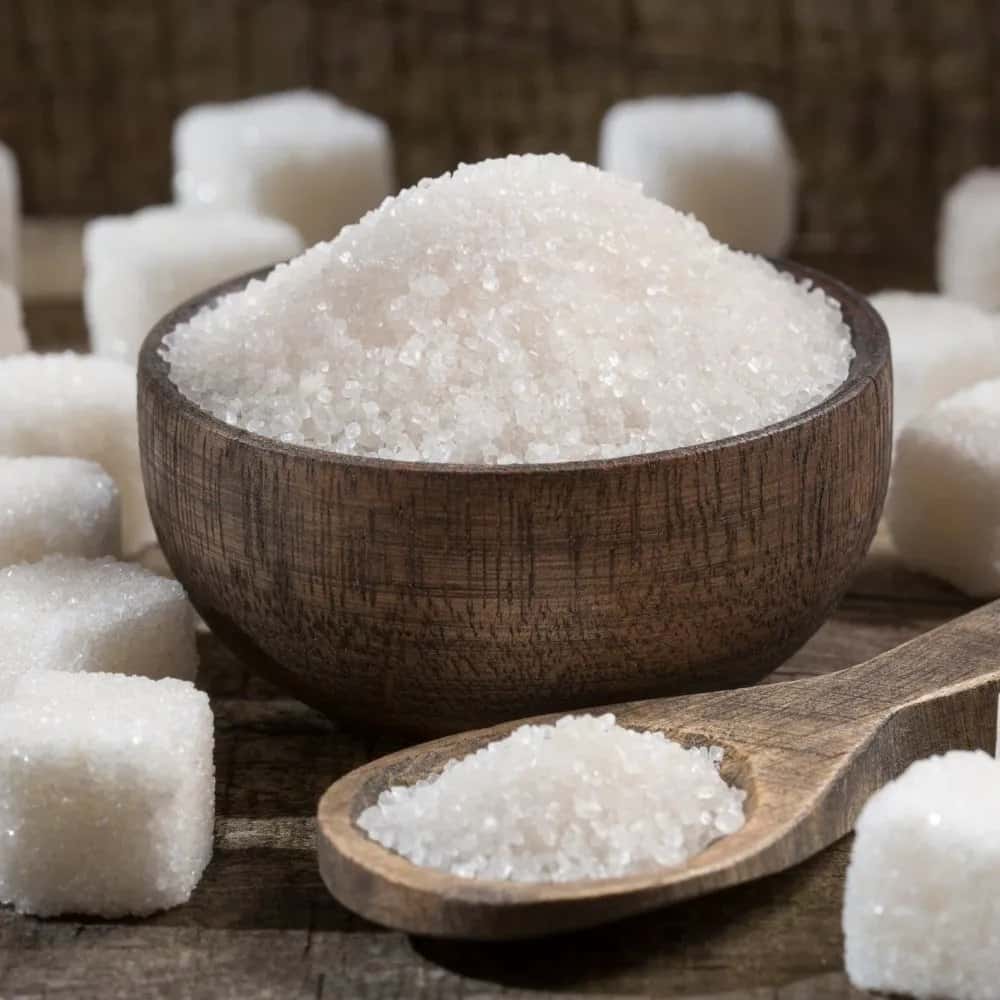 ICUMSA 150 White SugarICUMSA 150Quote
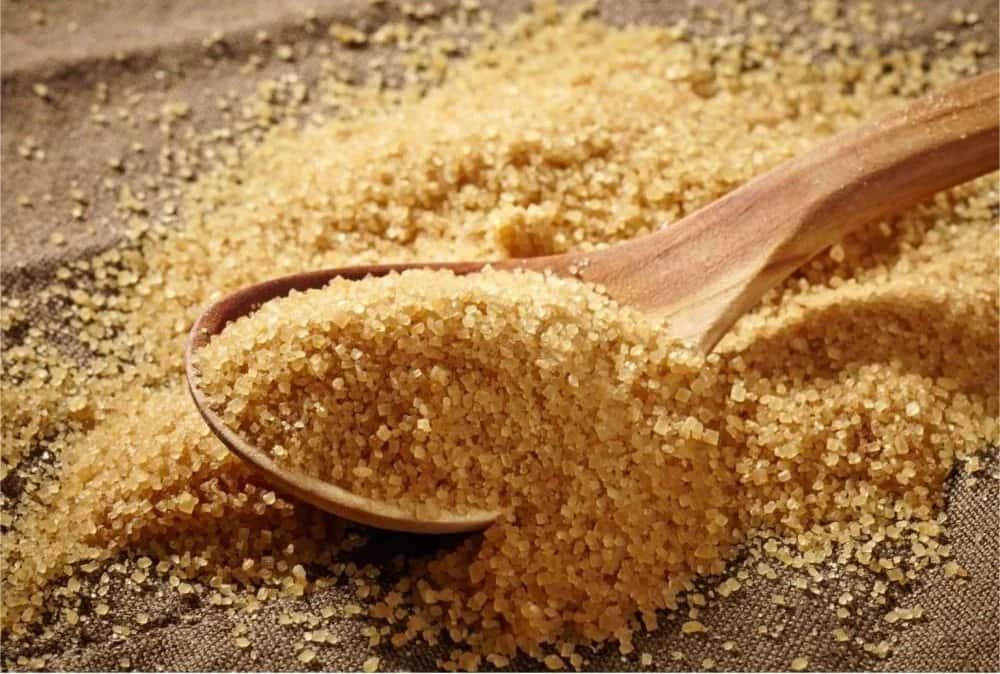 VHP Raw SugarRaw cane sugar sold under the VHP (very high polarisation) labelQuote
 Thai Hi-Pol Raw SugarHigh-polarisation raw cane sugarQuote
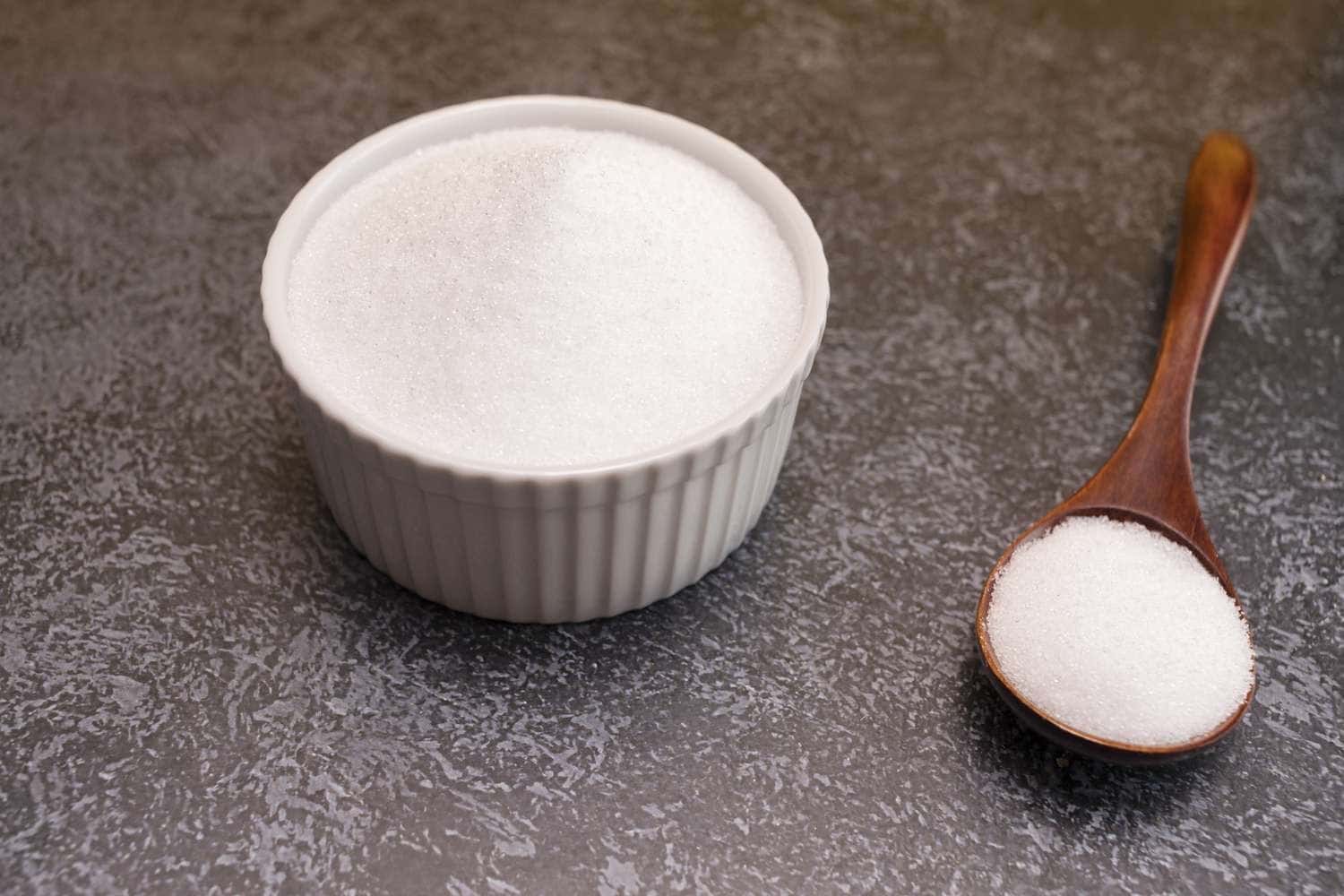 ErythritolSugar alcohol (polyol)Quote
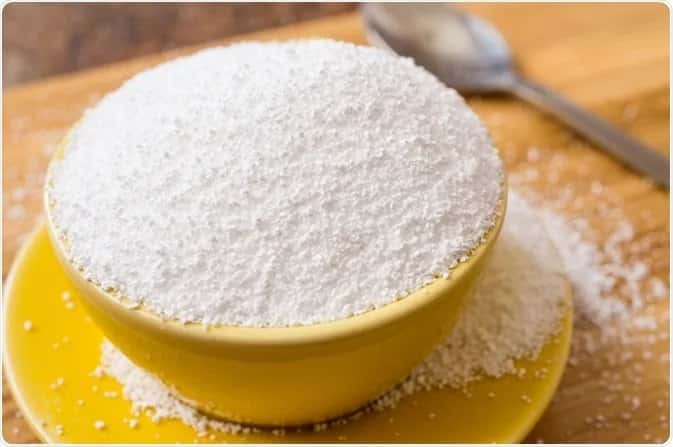 SorbitolSugar alcohol (polyol)Quote
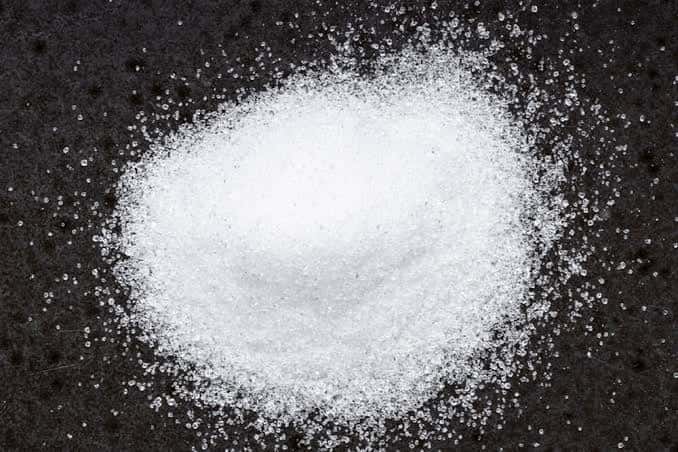 MaltitolSugar alcohol (polyol)Quote
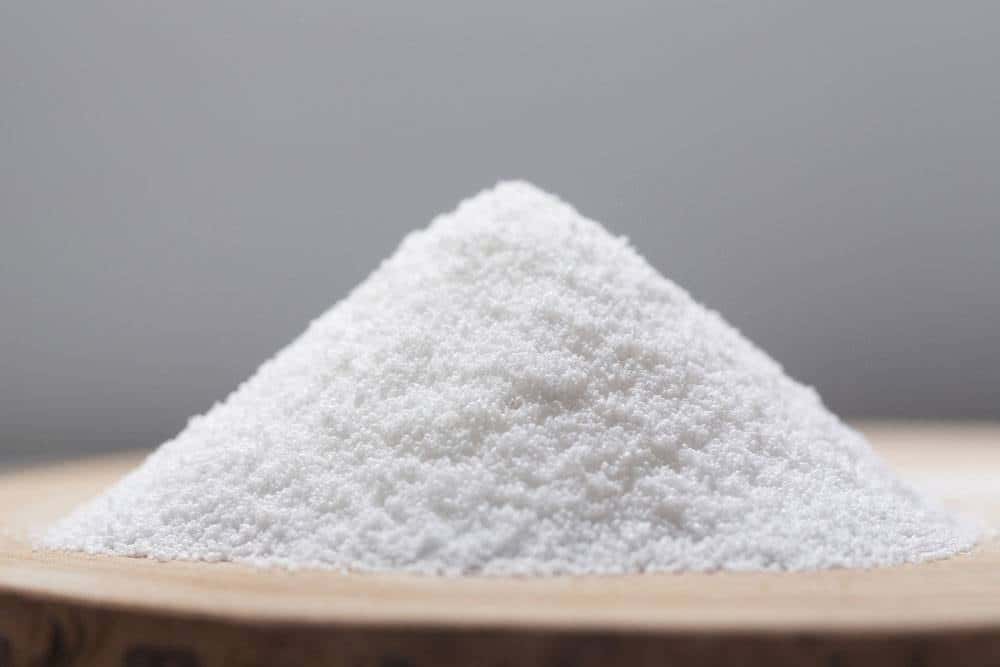 XylitolSugar alcohol (polyol)Quote
- Thailand basedUdon Thani, Thailand
- Ready stockCommercial supply
- Multiple Thai producersBroad product range
- Global exportShipped from Thailand
- Specification supportCOA with every lot
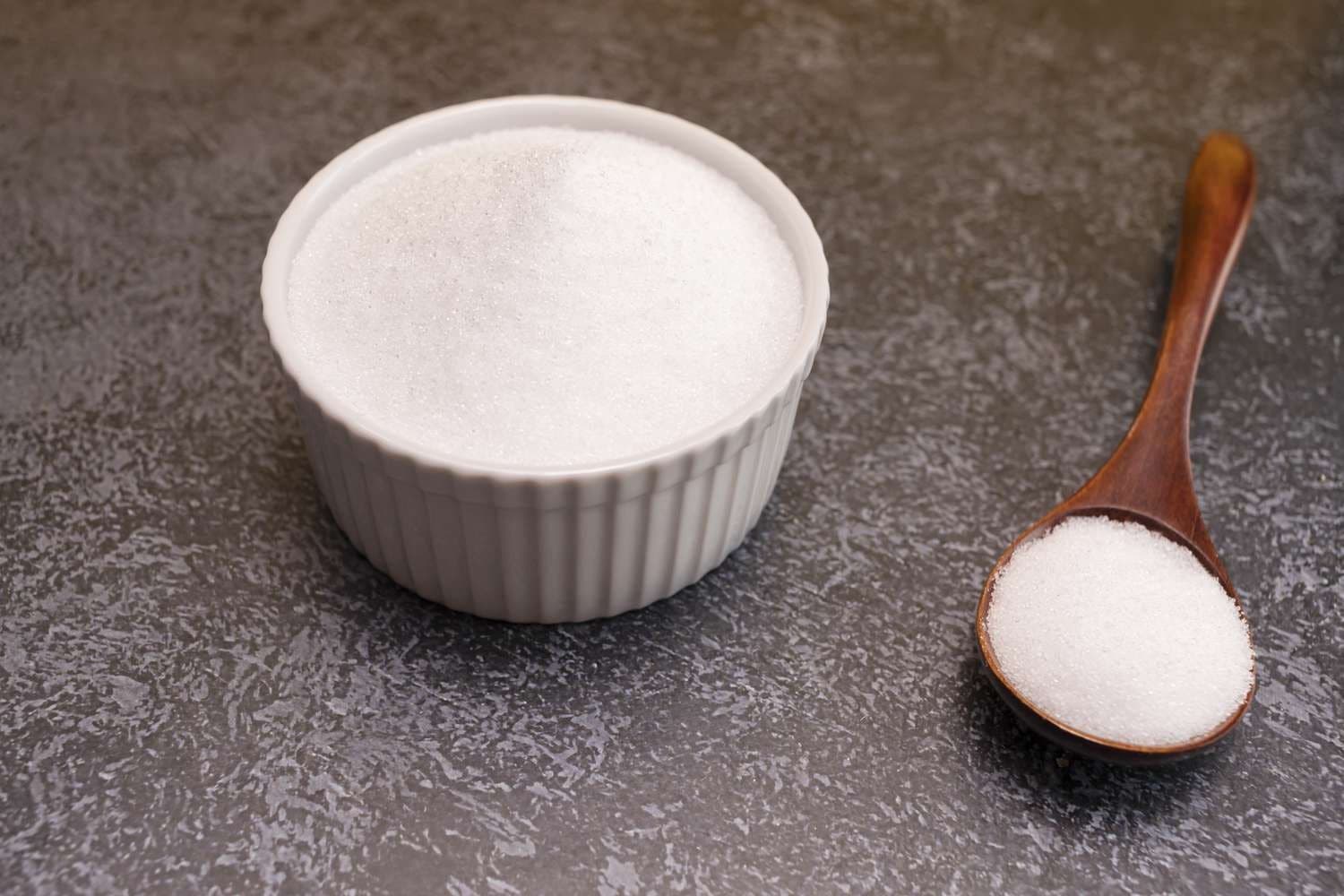
Sugar Alcohols & Polyols
Erythritol
Sugar alcohol (polyol)
- Crystalline
- Granular
- Powder
- E 968
- INS 968
- Assay
- ≥ 99% (after drying)
- Sweetness
- ≈ 60–80
- Moisture
- ≤ 0.2%
- Ash
- ≤ 0.1%
Certificate of Analysis with every lot
What is Erythritol?
Erythritol (meso-erythritol, 1,2,3,4-butanetetrol, C4H10O4) is a four-carbon sugar alcohol with the INS and EU number 968. It is the smallest of the commercial polyols, with a formula weight of 122.12. JECFA and the EU describe it as white, odourless, non-hygroscopic, heat-stable crystals with a sweetness of about 60–80% that of sucrose. JECFA lists its technical functions as flavour enhancer, humectant, carrier and sweetener.
- Beverage
- Confectionery
- Bakery
- Dairy
Key features
- Supplied in crystalline, granular and powder forms
- Food additive identity E 968 / INS 968
- Specification limits from official standards
- Certificate of Analysis with every lot
- Packed in 25 kg bags, 20 kg bags and jumbo bags (fibc)
- Exported from Thailand on your Incoterm
Technical data
Technical specifications
Granular
Erythritol, granular / crystalline
Standard crystalline grade. Particle size is stated on the specification and COA.
Also known as: erythritol granular, erythritol crystals
Powder
Erythritol powder
Milled grade for fast dissolving and smooth textures. Particle size is stated on the specification and COA.
Also known as: powdered erythritol, erythritol fine powder
| Parameter | Value | Basis |
|---|---|---|
| INS number | 968 | Standard / official specification |
| EU additive number | E 968 | Standard / official specification |
| CAS number | 149-32-6 | Standard / official specification |
| Chemical formula | C4H10O4 (formula weight 122.12) | Standard / official specification |
| Assay | ≥ 99% (after drying)Same limit in EU Reg. 231/2012. | Standard / official specification |
| Loss on drying (70 °C, 6 h, vacuum desiccator) | ≤ 0.2% | Standard / official specification |
| Sulfated ash | ≤ 0.1% | Standard / official specification |
| Reducing substances (as D-glucose) | ≤ 0.3% | Standard / official specification |
| Ribitol and glycerol | ≤ 0.1% | Standard / official specification |
| Lead | ≤ 0.5 mg/kg | Standard / official specification |
| Conductivity (20% dry-solids solution, 20 °C) | ≤ 20 μS/cm | Standard / official specification |
| Melting range (identification) | 119–123 °C | Standard / official specification |
| Relative sweetness (sucrose = 100) | ≈ 60–80 | Typical value (reference) |
| Particle size / mesh | Confirmed per lot on the Certificate of Analysis — contact ANUTIDA for the current specification. | |
Identity & status
Regulatory identity
| INS number | 968 |
|---|---|
| EU specifications | E 968, Regulation (EU) No 231/2012 (fermentation by Moniliella pollinis or Moniliella megachilensis) |
| EU flavoured drinks (14.1.4) | Up to 16,000 mg/l, only in energy-reduced drinks or drinks with no added sugars, as flavour enhancer only (Reg. (EC) 1333/2008, as amended by Reg. (EU) 2015/1832) |
| JECFA ADI | Not specified (53rd JECFA, 1999) |
| EFSA opinion (2023) | ADI of 0.5 g/kg bw per day set by the EFSA panel; exemption from the laxative-effect statement not supported |
| EU label statement | “excessive consumption may produce laxative effects” for foods containing more than 10% added polyols (Reg. (EU) 1169/2011, Annex III, 2.4) |
| United States | FDA “no questions” letters to GRAS notices GRN 76 (2001), 208, 382, 401, 789 and 1296 (2026) |
Additive approvals, use levels and labelling differ by destination market. Confirm the rules for your market; ANUTIDA states in each quotation the specification the lot is supplied against.
Applications & industries
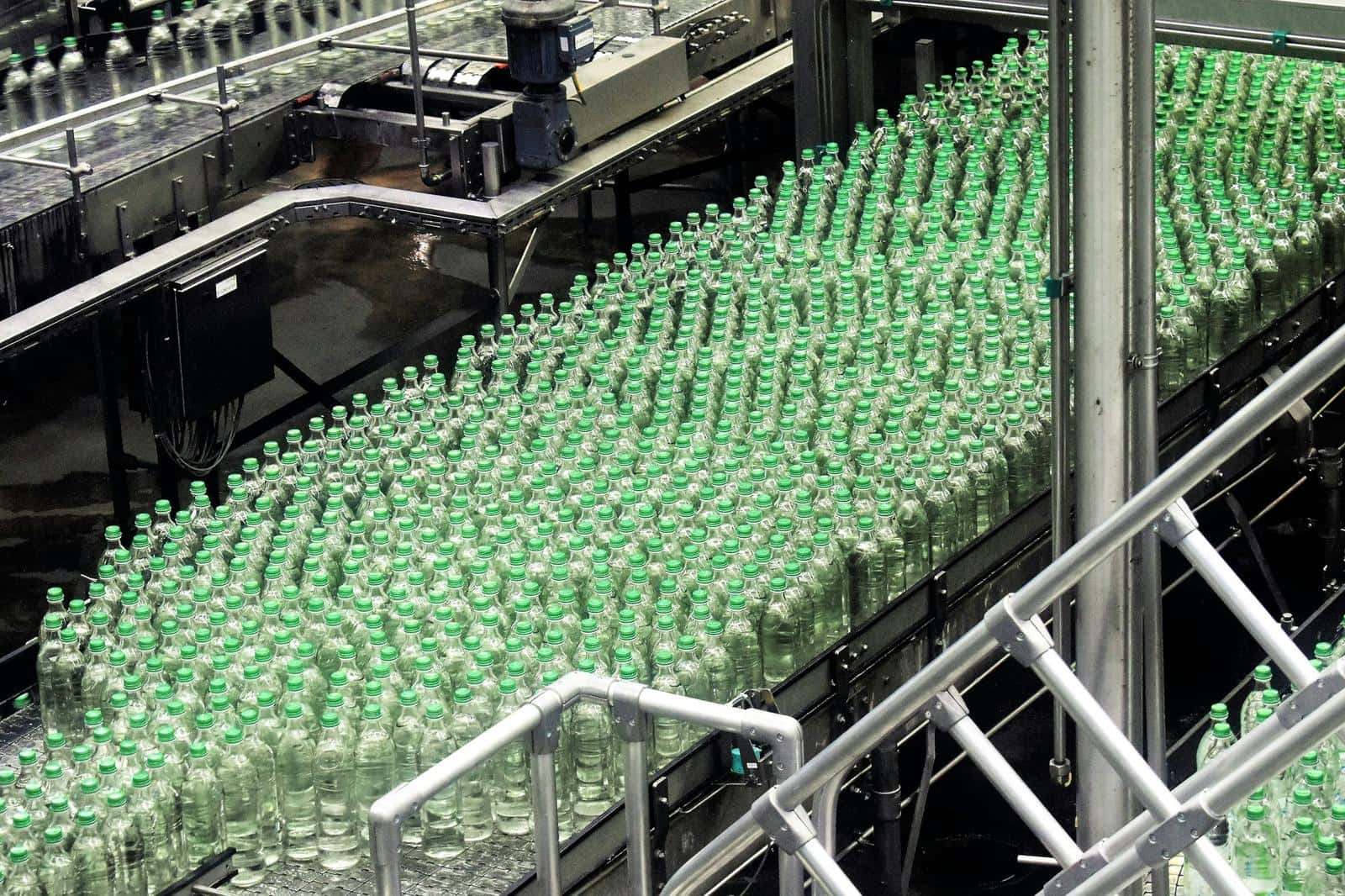
- Flavoured drinks (EU: flavour enhancer, energy-reduced or no-added-sugar drinks)
- Table-top sweetener blends with high-intensity sweeteners
- Hard and soft candies, mints and chewing gum
- Cakes, cookies and bakery fillings
- Yogurt, dairy drinks and frozen desserts
- Puddings and dessert mixes
Packaging, origin and manufacturers
Packaging options
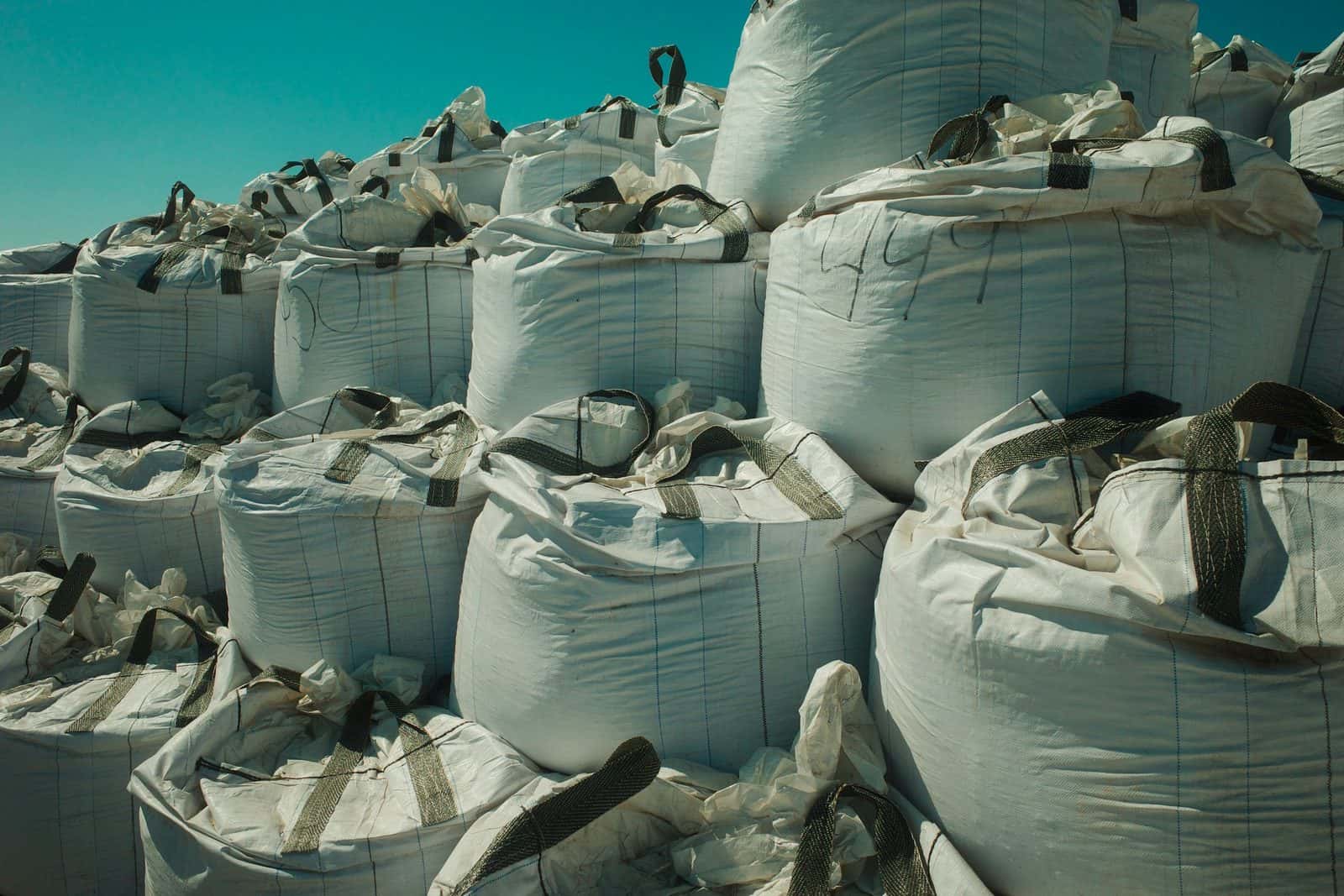
- 25 kg bags
- 20 kg bags
- Jumbo bags (FIBC)
Erythritol is commonly packed in 20 kg or 25 kg lined bags and in 1-tonne bulk bags. These are formats commonly supplied in the trade; the format for your order is confirmed in the quotation.
Origin
Stated in the quotation
Each quotation states the origin, producer and specification of the offered lot.
Supplied and exported by ANUTIDA — Udon Thani, Thailand
Manufacturer information
You buy from ANUTIDA. The producer of the offered lot is named in the quotation; state any preferred manufacturer or brand in your request.
Paperwork & shipping
Documentation & export
Each quotation states the specification of the offered product. Export shipments travel with the document set agreed in your contract — typically a commercial invoice, packing list, bill of lading, certificate of origin and a Certificate of Analysis for the lot. List any further documents you need, such as third-party inspection, halal or kosher certificates or a health certificate, and they are confirmed in the quotation. Read how shipping works on the export and logistics pages.
- Minimum order
- Confirmed with quotation
- Lead time
- Confirmed with quotation
- Delivery
- Export from Thailand
Product guide
About Erythritol
Erythritol differs from sorbitol, maltitol or xylitol in how it is made. It is not produced by hydrogenating a sugar; it is made by fermentation.
How erythritol is produced
A carbohydrate source, typically glucose from a starch hydrolysate (wheat or corn starch in the JECFA description), is fermented by food-grade osmophilic yeasts. The heat-sterilised broth is filtered and purified by ion exchange, activated carbon and ultrafiltration; the erythritol is then crystallised, washed and dried. The current EU specification names Moniliella pollinis and Moniliella megachilensis as production organisms. In the US, FDA has also responded “no questions” to a 2026 GRAS notice (GRN 1296) for erythritol made by Yarrowia lipolytica fermentation. If your product is sold in the EU, confirm with the quotation that the production organism matches the EU definition.
Forms and grades
- Granular / crystalline erythritol: the standard commercial grade.
- Erythritol powder: milled grades with a finer particle size.
- Both carry the same JECFA/EU identity; the difference is particle size, which is grade-specific and stated on the specification and COA.
Functional properties
- Sweetness: about 60–80% of sucrose, so it is frequently blended with high-intensity sweeteners such as steviol glycosides.
- Very low hygroscopicity: erythritol is rated very low for hygroscopicity among polyols, which helps keep it free-flowing.
- Strong cooling effect: it has the most negative heat of solution of the common polyols, so crystals dissolving in the mouth give a distinct cooling sensation, which suits mints and other products where a cooling note is wanted.
- Heat stability: the crystals are heat-stable and reducing substances are limited to 0.3%, so erythritol contributes little to Maillard browning.
- High purity: the assay is at least 99% after drying, with loss on drying of 0.2% or less.
See erythritol vs xylitol for a property-by-property comparison with the other strongly cooling polyol.
Applications by industry
The first US GRAS notice for erythritol (GRN 76) covered a wide range of foods: bakery fillings, cakes and cookies, chewing gum, hard and soft candies, dairy drinks, yogurt, frozen dairy desserts, puddings, beverages and table-top sweeteners. Erythritol is the only polyol permitted in EU flavoured drinks (food category 14.1.4), at up to 16,000 mg/l in energy-reduced drinks or drinks with no added sugars, and only as a flavour enhancer. That makes it the polyol of choice for beverage formulators selling into the EU. It is also widely used in confectionery, bakery, dairy and table-top sweetener blends in general food manufacturing.
Formulation and handling
- Store in the original closed bags in a clean, dry, odour-free area at ambient temperature. Erythritol has been shown to remain stable for up to four years at 20 °C and 50% relative humidity.
- Agree the grade (granular or powder) and its particle-size range before the first delivery; the food specifications do not set particle size.
- Polyol labelling applies: in the EU, foods with more than 10% added polyols carry “excessive consumption may produce laxative effects”. In 2023 EFSA's panel concluded that the data did not support exempting erythritol from this statement.
Regulatory identity
Erythritol is INS 968 and E 968, with EU purity criteria in Regulation (EU) No 231/2012, and is permitted under Regulation (EC) No 1333/2008. JECFA allocated an ADI “not specified” in 1999. In its 2023 re-evaluation, EFSA's scientific panel set an ADI of 0.5 g/kg body weight per day; that is a scientific opinion, and the conditions of use remain those in the EU regulation. In the US, FDA has issued “no questions” letters to several erythritol GRAS notices, starting with GRN 76 in 2001.
What to specify when you request an erythritol quotation
- Grade: granular/crystalline or powder, and the particle-size range you need.
- Specification basis (JECFA, EU Regulation 231/2012 or FCC) and, for EU sales, conformity with the EU definition of the production organism.
- Critical limits such as assay, loss on drying, reducing substances and lead.
- Packaging (20 kg or 25 kg bags, or 1-tonne bulk bags), volume, delivery schedule and destination.
Buyer questions
Erythritol FAQ
Which erythritol grades does ANUTIDA supply?
Granular (crystalline) erythritol and milled erythritol powder. Both meet the same JECFA/EU identity; they differ in particle size, which is stated on the specification and COA.
Can erythritol be used in drinks sold in the EU?
Yes, within limits. Erythritol is the only polyol permitted in EU flavoured drinks (category 14.1.4): up to 16,000 mg/l, only in energy-reduced drinks or drinks with no added sugars, and only as a flavour enhancer. Other polyols may not be used in that category.
Which specification and documents come with each lot?
Each lot is supplied against the specification agreed in the quotation (for example JECFA, EU Regulation 231/2012 or FCC) and ships with a Certificate of Analysis. Ask in your RFQ for any other documents your market requires.
How is erythritol packed and stored?
Commonly in 20 kg or 25 kg lined bags or 1-tonne bulk bags. Store it in closed bags in a clean, dry, odour-free area at ambient temperature. The format for your order is confirmed in the quotation.
How do I order erythritol from ANUTIDA?
Send a request for quotation stating the form and grade, the specification you buy against, quantity, packaging, destination port and the documents you need. ANUTIDA replies with a quotation that confirms the specification, packaging, minimum order quantity and lead time for that order.
Last updated 6 October 2026
Related supply
Other Sweeteners You May Be Interested In
- SweetenerXylitolSugar alcohol (polyol)SpecificationView specification
- SweetenerMaltitolSugar alcohol (polyol)SpecificationView specification
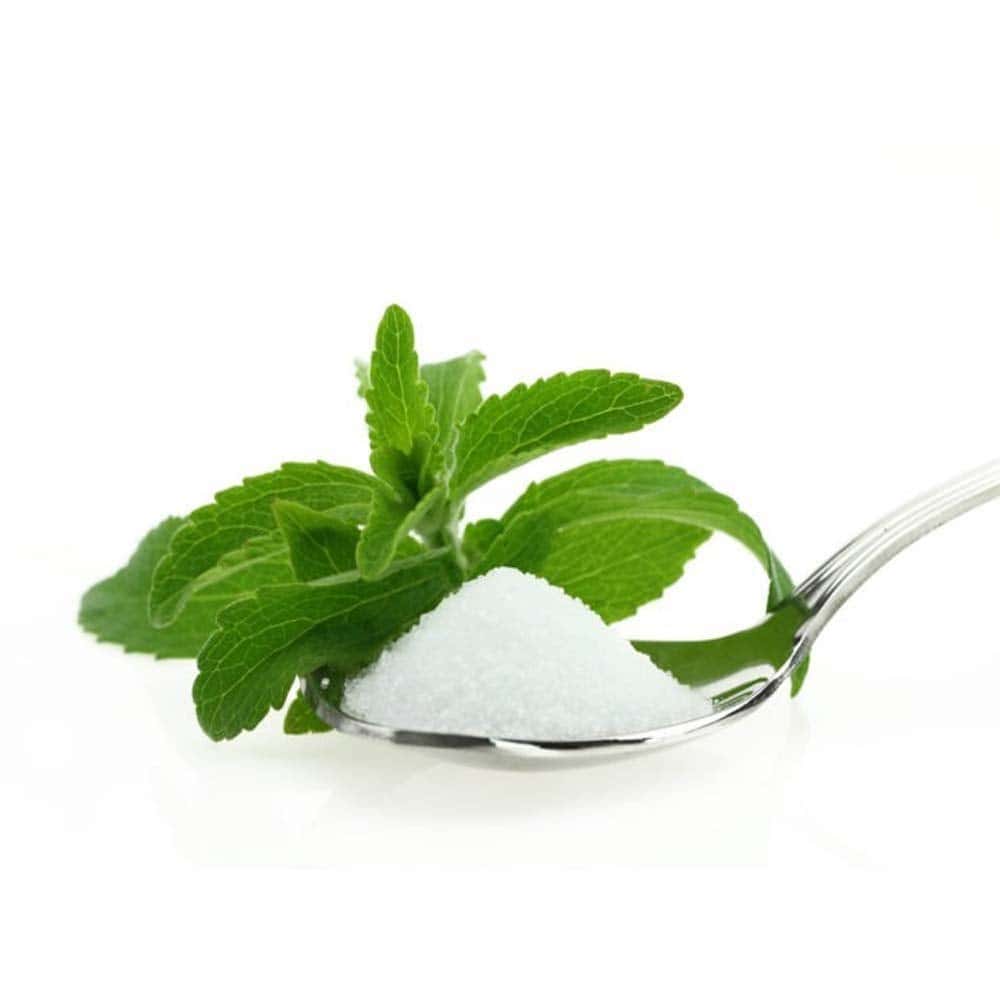 SweetenerSteviol GlycosidesHigh-intensity sweetener (food additive)SpecificationView specification
 SweetenerMonk Fruit ExtractFruit-derived high-intensity sweetener (mogrosides)SpecificationView specification
Knowledge Center
Related Articles & Resources
- SweetenersErythritol vs Xylitol: A Technical Comparison for BuyersErythritol and xylitol are the two crystalline, strongly cooling polyols. They differ in how they are made, how sweet they are and where the law lets you use them.Read guide
 SweetenersDextrose Monohydrate vs Dextrose AnhydrousBoth forms are at least 99.5% D-glucose on a dry basis. The difference is one molecule of crystal water, which changes total solids, dosage and moisture behaviour.Read guide
 SweetenersGlucose Syrup vs Dextrose: What Buyers Need to KnowBoth are made from starch and both are often called "glucose", but glucose syrup is a liquid mixture of saccharides (DE ≥ 20) while dextrose is crystallised D-glucose. Here is how they differ and how to choose.Read guide
 SweetenersHFCS 42 vs HFCS 55: Composition, Uses and LabellingHFCS 42 and HFCS 55 differ in fructose content, solids, sweetness, typical use, EU name and HS subheading. A side-by-side guide for buyers of high-fructose syrup.Read guide

Request a quotation
Need Erythritol or Other Sweeteners?
Tell us your product, specification, quantity and destination. ANUTIDA replies with packaging options and a written quotation.