High-Intensity Sweeteners
Sucralose
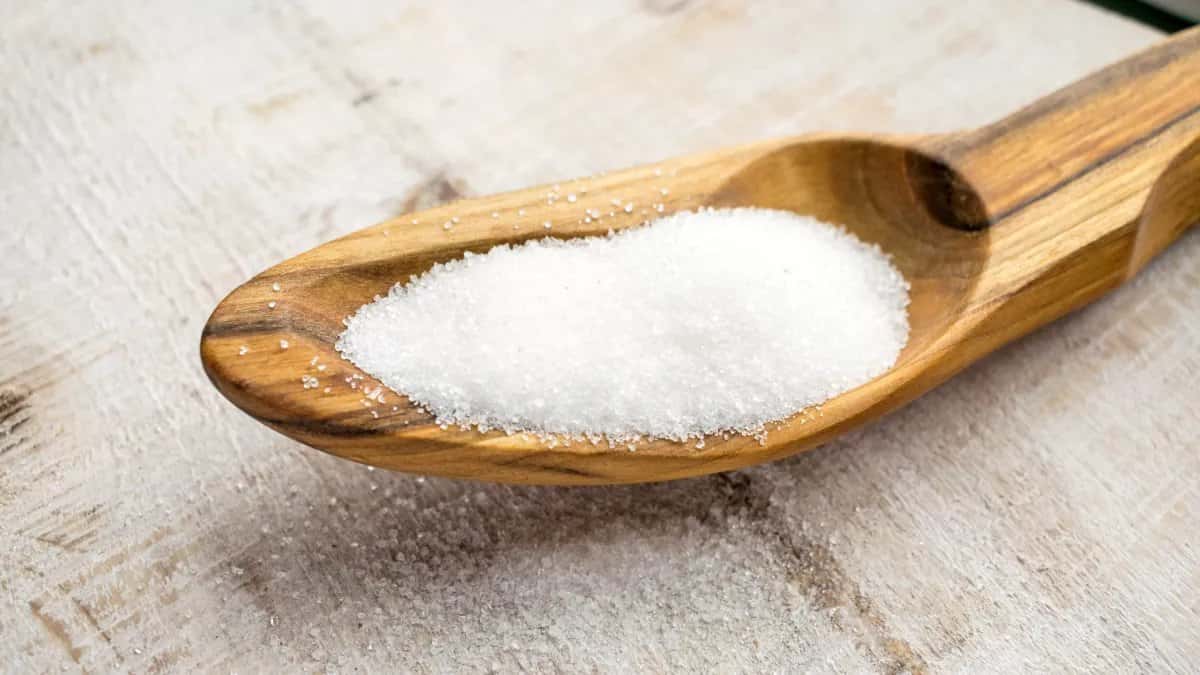
Food-grade sucralose powder (E 955), about 600 times sweeter than sugar per the US FDA, supplied to the JECFA / EU specification with a COA per lot.
- Powder
- Granular
Packaging: Fibre drum, 25 kg
Industrial sweeteners
Products
High-Intensity Sweeteners
Food-grade sucralose powder (E 955), about 600 times sweeter than sugar per the US FDA, supplied to the JECFA / EU specification with a COA per lot.
Packaging: Fibre drum, 25 kg
High-Intensity Sweeteners
Acesulfame potassium (Ace-K, E 950): a heat-stable sweetener about 200 times sweeter than sugar, often used together with other sweeteners.
Packaging: agreed per order
High-Intensity Sweeteners
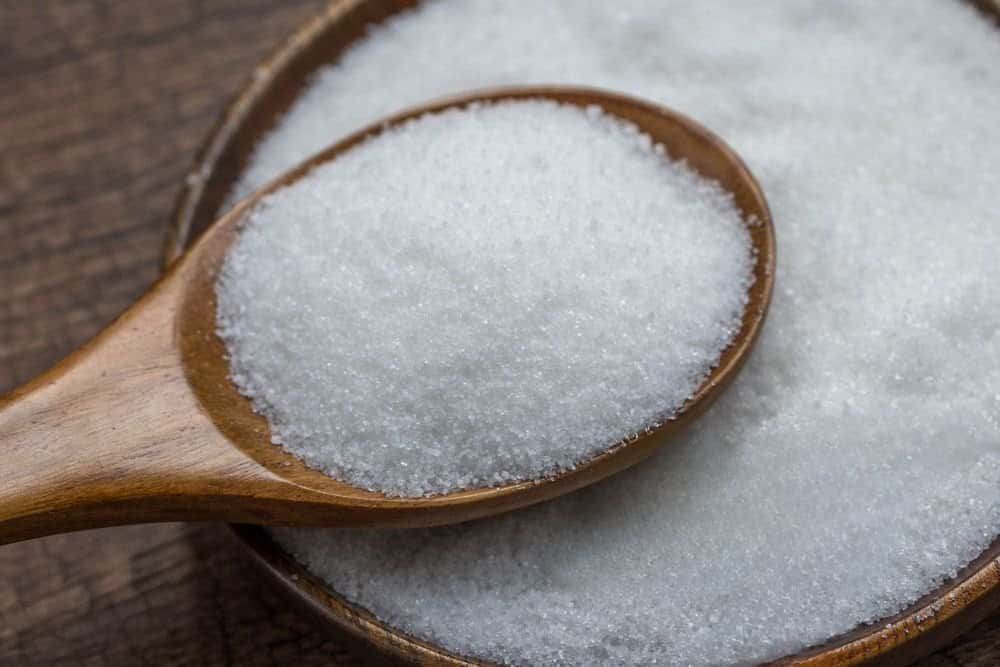
Aspartame (E 951) in powder and granular grades — about 200 times sweeter than sugar — supplied to the JECFA / EU specification with a COA per lot.
Packaging: Drum, 25 kg
High-Intensity Sweeteners
Saccharin (E 954) as sodium saccharin, calcium saccharin or insoluble (acid) saccharin — 200–700 times sweeter than sugar per the US FDA, each form to its own specification.
Packaging: 25 kg
High-Intensity Sweeteners
Neotame (E 961): a heat-stable sweetener about 7,000–13,000 times sweeter than sugar, made from aspartame and dosed in very small quantities.
Packaging: agreed per order
High-Intensity Sweeteners
Advantame (E 969): an aspartame-derived sweetener about 20,000 times sweeter than sugar per the US FDA, used at trace levels.
Packaging: agreed per order
High-intensity (or high-potency) sweeteners are food additives that are many times sweeter than sucrose, so they are dosed in milligrams per kilogram or litre rather than in percent. Six are covered here: sucralose (E 955), acesulfame-K (E 950), aspartame (E 951), saccharin and its salts (E 954), neotame (E 961) and advantame (E 969). All six are authorised sweeteners in the EU under Regulation 1333/2008, with identity and purity criteria in Regulation 231/2012, and the US FDA lists them as approved food additives. Unlike sugar, they add sweetness without bulk, body or browning, so sugar-reduced recipes usually pair them with a bulking ingredient.
| Sweetener | INS / EU number | Sweetness vs sucrose (FDA, typical) | JECFA ADI (mg/kg bw) | US regulation | Traded forms |
|---|---|---|---|---|---|
| Sucralose | INS 955 / E 955 | About 600× | 0–15 | 21 CFR 172.831 | Powder; micronised and granular grades |
| Acesulfame-K (Ace-K) | INS 950 / E 950 | About 200× | 0–15 | 21 CFR 172.800 | Crystalline powder, mesh-graded |
| Aspartame | INS 951 / E 951 | About 200× | 0–40 | 21 CFR 172.804 | Powder and granular |
| Saccharin | INS 954; salts 954(ii), 954(iv) / E 954 | 200–700× | 0–5 (group) | 21 CFR 180.37 | Sodium (granular, powder), calcium and insoluble (acid) saccharin |
| Neotame | INS 961 / E 961 | 7,000–13,000× | 0–2 | 21 CFR 172.829 | Powder |
| Advantame | E 969 | About 20,000× | 0–5 | 21 CFR 172.803 | Powder |
Specify the exact substance and form — sodium saccharin and insoluble saccharin, or aspartame powder and granules, are different items on a specification and a COA. Name the specification reference (JECFA, EU Regulation 231/2012, Food Chemicals Codex or a pharmacopoeia grade), because limits differ between them: acesulfame-K fluoride, for example, is capped at 3 mg/kg by JECFA and the EU but at 30 mg/kg in 21 CFR 172.800. Check the destination market’s conditions of use: the EU sets maximum levels per food category (in flavoured drinks, for instance, 300 mg/l for sucralose, 600 mg/l for aspartame and 80 mg/l for saccharins, only in energy-reduced or no-added-sugar drinks), and US rules for saccharin limit it to special dietary foods and listed technological uses.
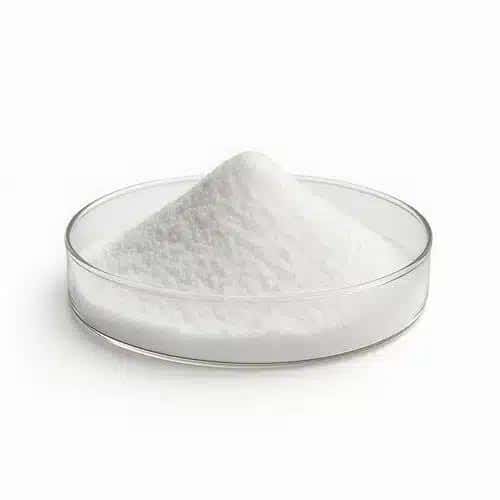
High-intensity sweeteners are dry powders or granules. Formats documented in the trade include 25 kg drums and 25 kg bags (see each product page); the format for each product and order is confirmed in the quotation. Keep containers closed and dry, and follow the storage and retest guidance on each lot’s documentation. For shipping options see logistics; for documents and testing see quality.
In sugar-reduced foods, high-intensity sweeteners are normally paired with a bulking ingredient. For bulk, texture and body, see sugar alcohols and polyols and starch-based sweeteners; for plant-derived alternatives such as steviol glycosides and monk fruit, see natural sweeteners; for rare sugars and functional carbohydrates, see specialty sweeteners. For sucrose itself, see sugar.
Sucralose, acesulfame-K, aspartame, saccharin (sodium, calcium and insoluble forms), neotame and advantame, all in food grade. Origin, packaging and lead time are confirmed in each quotation.
The US FDA describes sucralose, acesulfame-K, neotame and advantame as heat stable and suitable for baked goods. Aspartame loses sweetness when heated and is typically not used in baked goods.
In the EU, foods containing any sweetener carry “with sweetener(s)” with the name of the food. Aspartame additionally requires a phenylalanine statement in the EU and the US. US rules for saccharin require the amount used to be declared.
Each lot ships with a Certificate of Analysis against the specification agreed in the quotation (JECFA, EU Regulation 231/2012, FCC or a pharmacopoeia grade). Ask in your RFQ for any other documents your market requires.
Use Request a Quote with the sweetener, form or grade, specification, quantity, destination and Incoterm. Minimum order quantity and lead time are confirmed with the quotation.
Request a quotation
Send the product, specification, quantity, packaging and destination. ANUTIDA replies with a written quotation.