Specialty Sweeteners · Functional carbohydrates
Isomaltulose Supplier — Crystalline Isomaltulose
Isomaltulose, a disaccharide of glucose and fructose made from sucrose, about half as sweet as sugar. Supplied as the crystalline monohydrate to the EU novel-food specification.
- CrystallineForms supplied
- Thai producerRajburi Sugar
- COA with every lotSpecification in the quotation
Quick quote
Select a product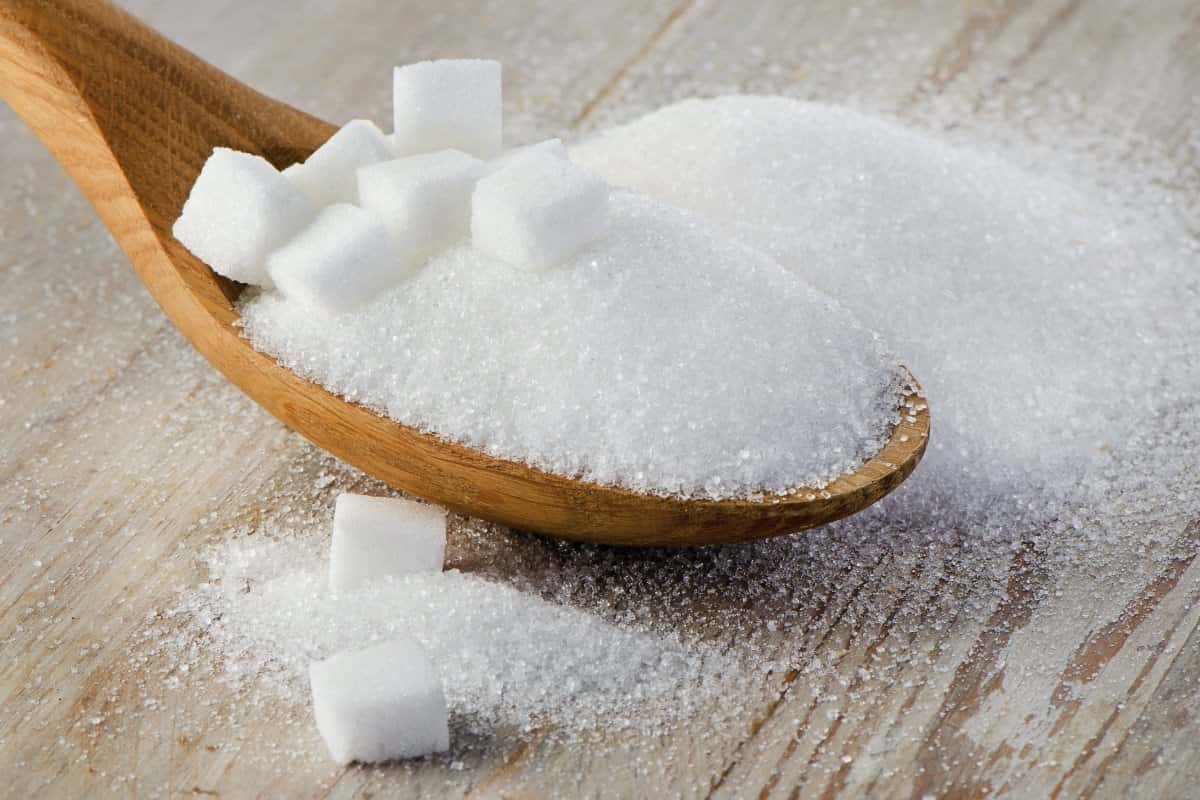 ICUMSA 45 Refined SugarICUMSA 45Quote
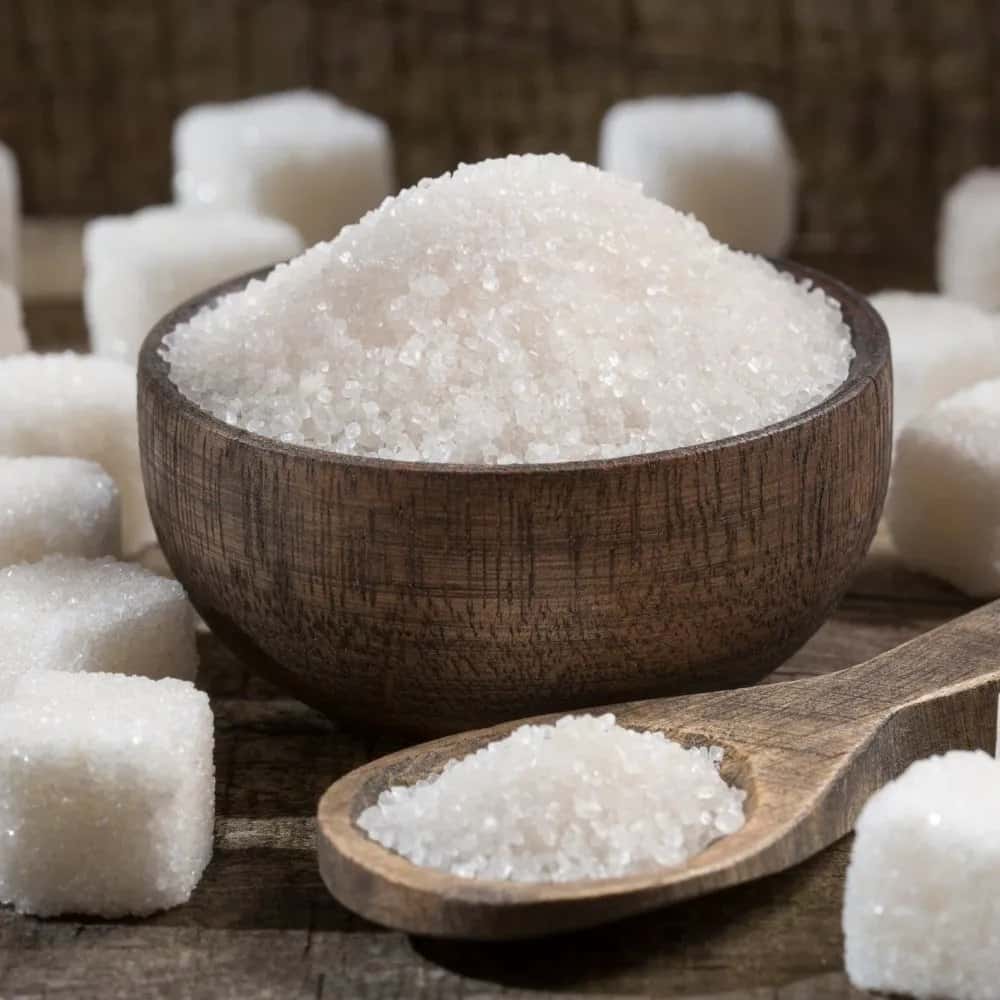 ICUMSA 150 White SugarICUMSA 150Quote
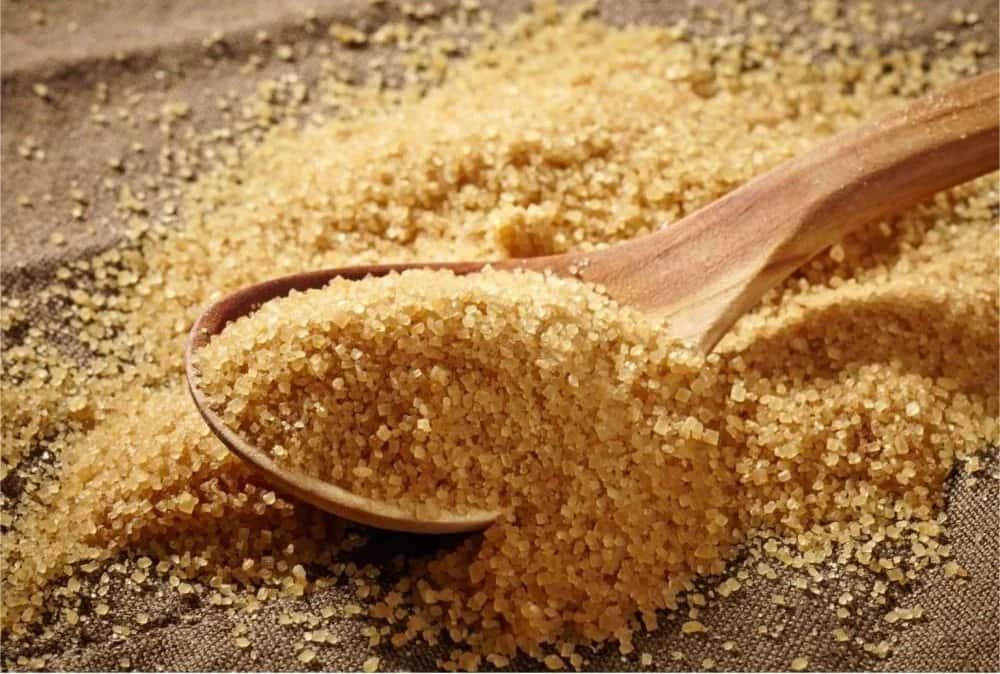 VHP Raw SugarRaw cane sugar sold under the VHP (very high polarisation) labelQuote
 Thai Hi-Pol Raw SugarHigh-polarisation raw cane sugarQuote
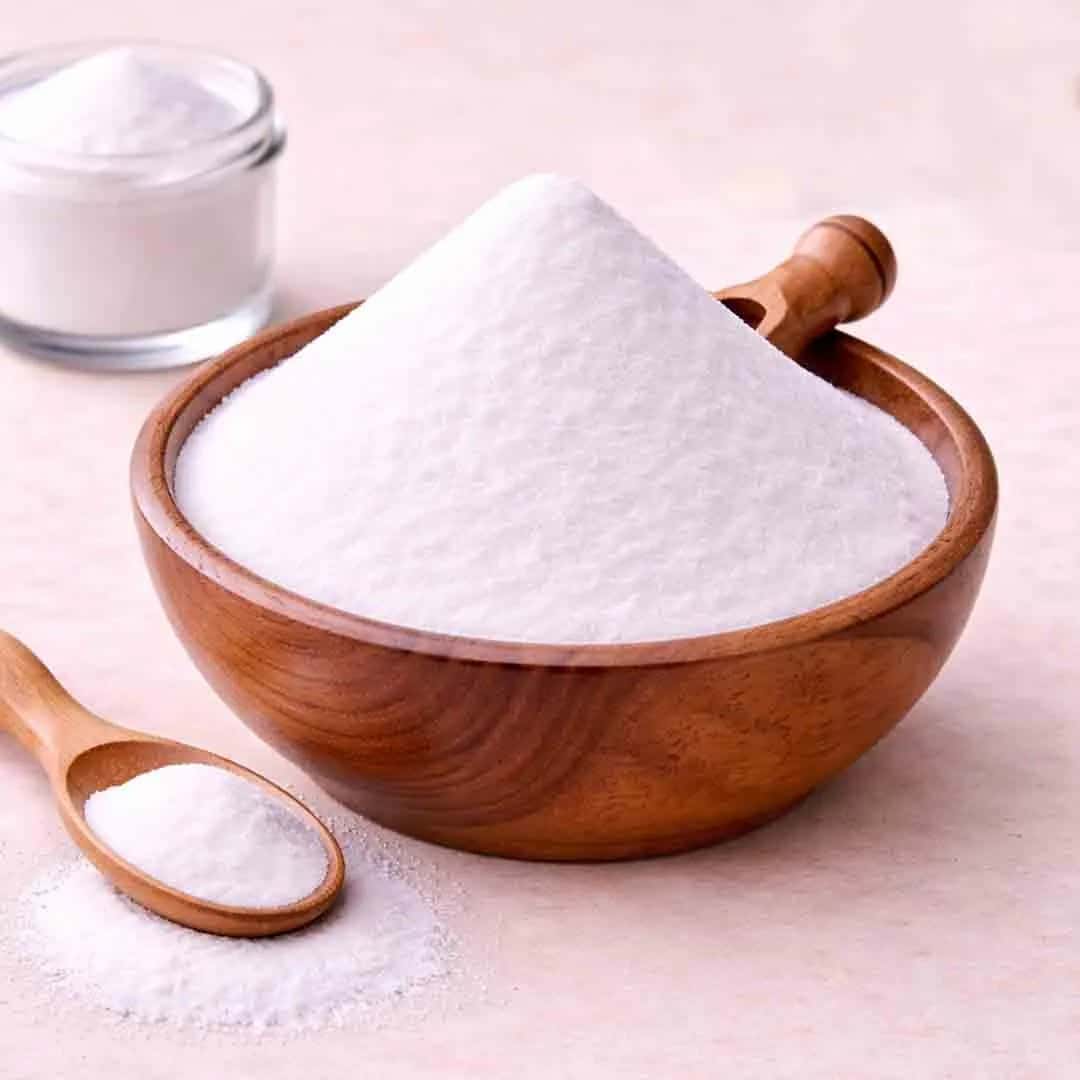 IsomaltuloseDisaccharide (made from sucrose)Quote
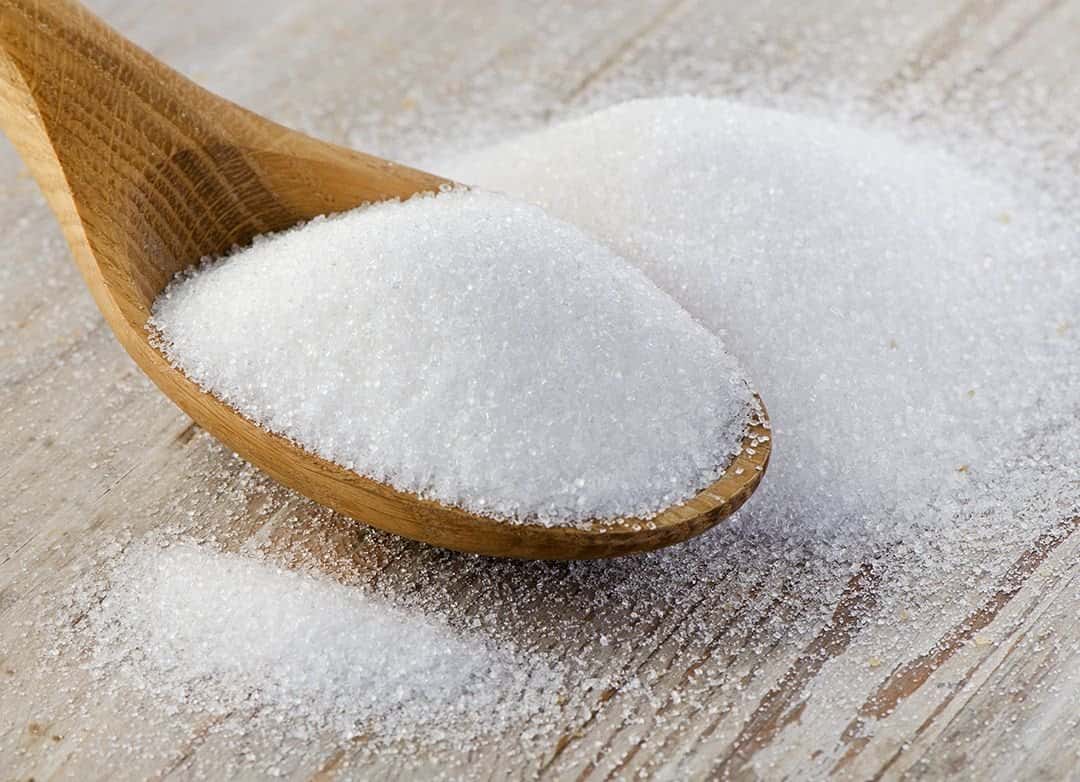 AlluloseRare sugar (monosaccharide)Quote
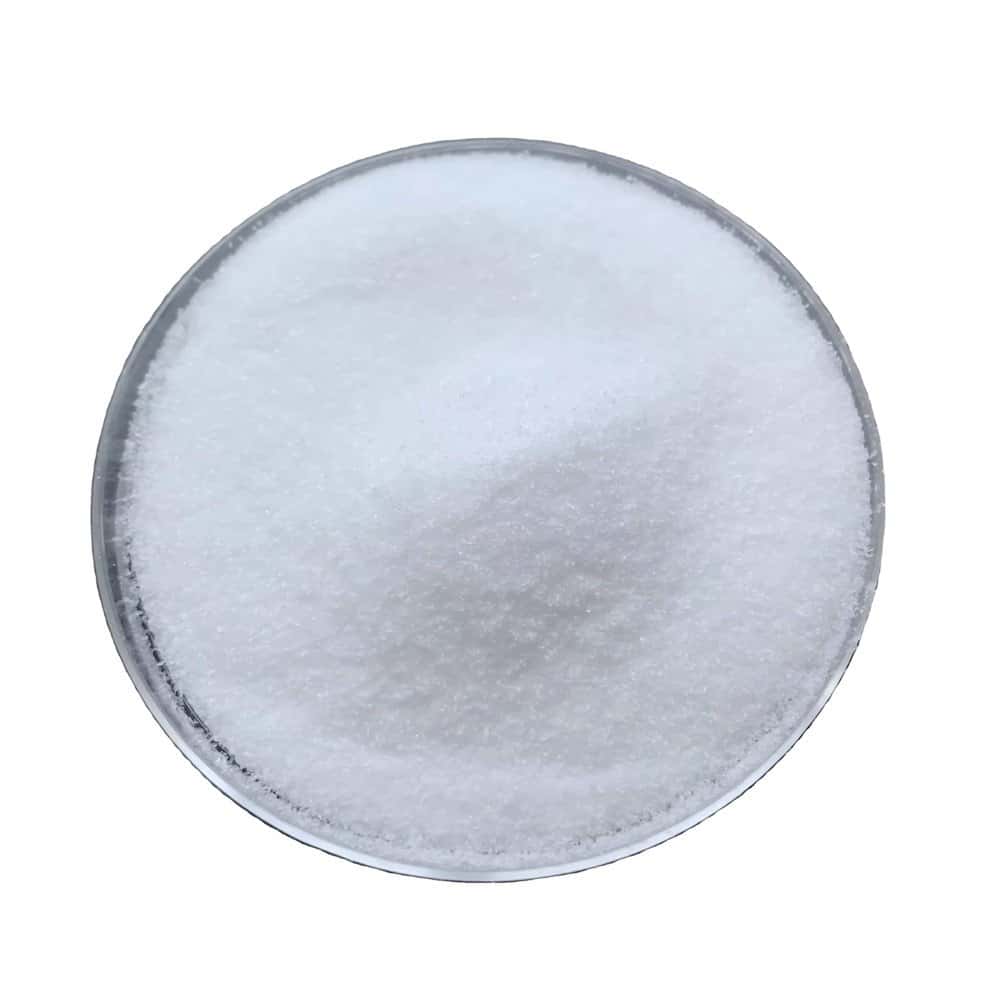 D-TagatoseRare sugar (monosaccharide)Quote
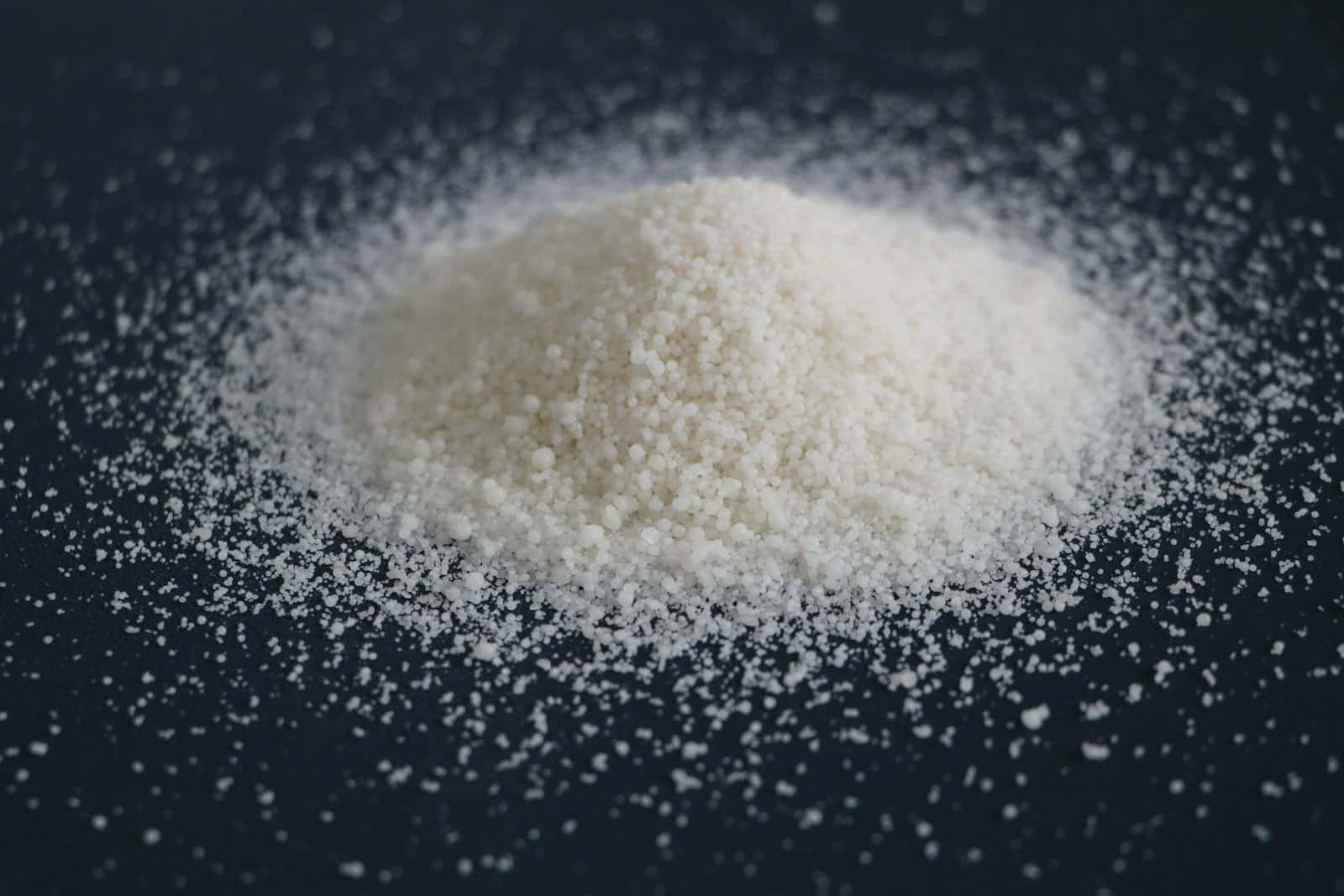 TrehaloseDisaccharide (non-reducing)Quote
- Thailand basedUdon Thani, Thailand
- Ready stockCommercial supply
- Multiple Thai producersBroad product range
- Global exportShipped from Thailand
- Specification supportCOA with every lot
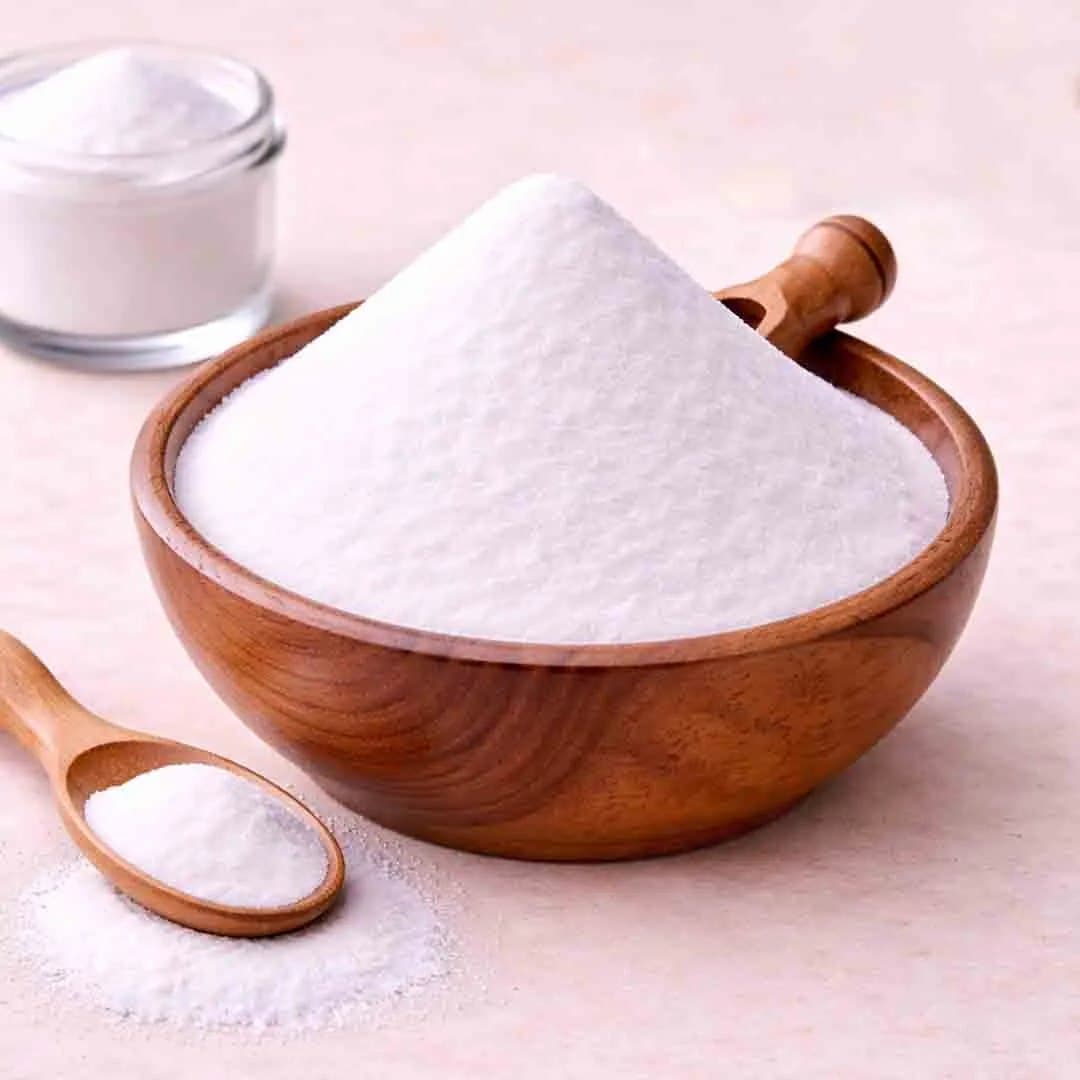
Specialty Sweeteners
Isomaltulose
Disaccharide (made from sucrose)
- Crystalline
- Assay
- ≥ 98%
- Sweetness
- ≈ 50
- Moisture
- ≤ 6.5%
- Forms
- Crystalline
Certificate of Analysis with every lot
What is Isomaltulose?
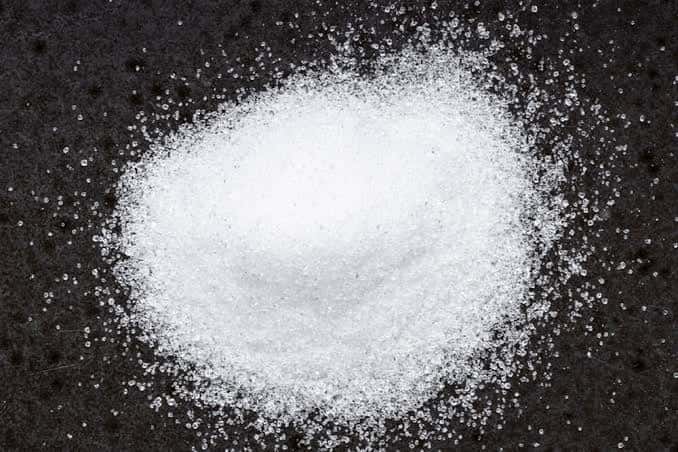
Isomaltulose is a reducing disaccharide of one glucose and one fructose unit, the same building blocks as sucrose. In isomaltulose they are joined by an α-1,6-glycosidic bond. Its chemical name is 6-O-α-D-glucopyranosyl-D-fructofuranose, and the commercial product is the monohydrate (C12H22O11·H2O, CAS 13718-94-0). It is a virtually odourless, white crystalline material with a sweet taste. A typical figure for its sweetness is about 50% of sucrose. Its composition is the same as that of sucrose, but the different bond gives it different processing properties. You may also see it sold under trademarked names; this page uses the generic name.
- Beverage
- Confectionery
- Dairy
- Bakery
Key features
- Supplied in crystalline form
- Specification limits from official standards
- Certificate of Analysis with every lot
- Packed in 25 kg bags
- Produced in Thailand by makers including Rajburi Sugar
- Exported from Thailand on your Incoterm
Technical data
Technical specifications
| Parameter | Value | Basis |
|---|---|---|
| CAS number | 13718-94-0 | Standard / official specification |
| Chemical formula | C12H22O11·H2O (formula weight 360.3, monohydrate) | Standard / official specification |
| Assay (dry basis) | ≥ 98% | Standard / official specification |
| Loss on drying (60 °C, 5 h) | ≤ 6.5% | Standard / official specification |
| Lead | ≤ 0.1 mg/kg | Standard / official specification |
| Relative sweetness (sucrose = 100) | ≈ 50 | Typical value (reference) |
| Particle size / mesh | Confirmed per lot on the Certificate of Analysis — contact ANUTIDA for the current specification. | |
Identity & status
Regulatory identity
| European Union | Authorised novel food in the Union list (Reg. (EU) 2017/2470); designation “Isomaltulose” |
|---|---|
| EU label statement | “Isomaltulose is a source of glucose and fructose” must accompany the name |
| United States | GRN 184 isomaltulose (2006) and GRN 681 dried isomaltulose syrup (2017): “FDA has no questions” |
| Canada | Novel food information published by Health Canada (no objection to use as a food ingredient) |
| Australia & New Zealand | Listed in Schedule 25 (permitted novel foods) |
| Not the same as isomalt | Isomalt (E 953) is hydrogenated isomaltulose, a separate food additive |
Requirements differ by destination market. Confirm the rules for your market and intended use; ANUTIDA states in each quotation the specification the lot is supplied against.
Applications & industries
- Powdered and ready-to-drink beverages
- Hard candies and chewy confectionery
- Dairy products
- Bakery products
- Compressed tablets and dry mixes
- Partial or full sucrose replacement
Packaging, origin and manufacturers
Packaging options
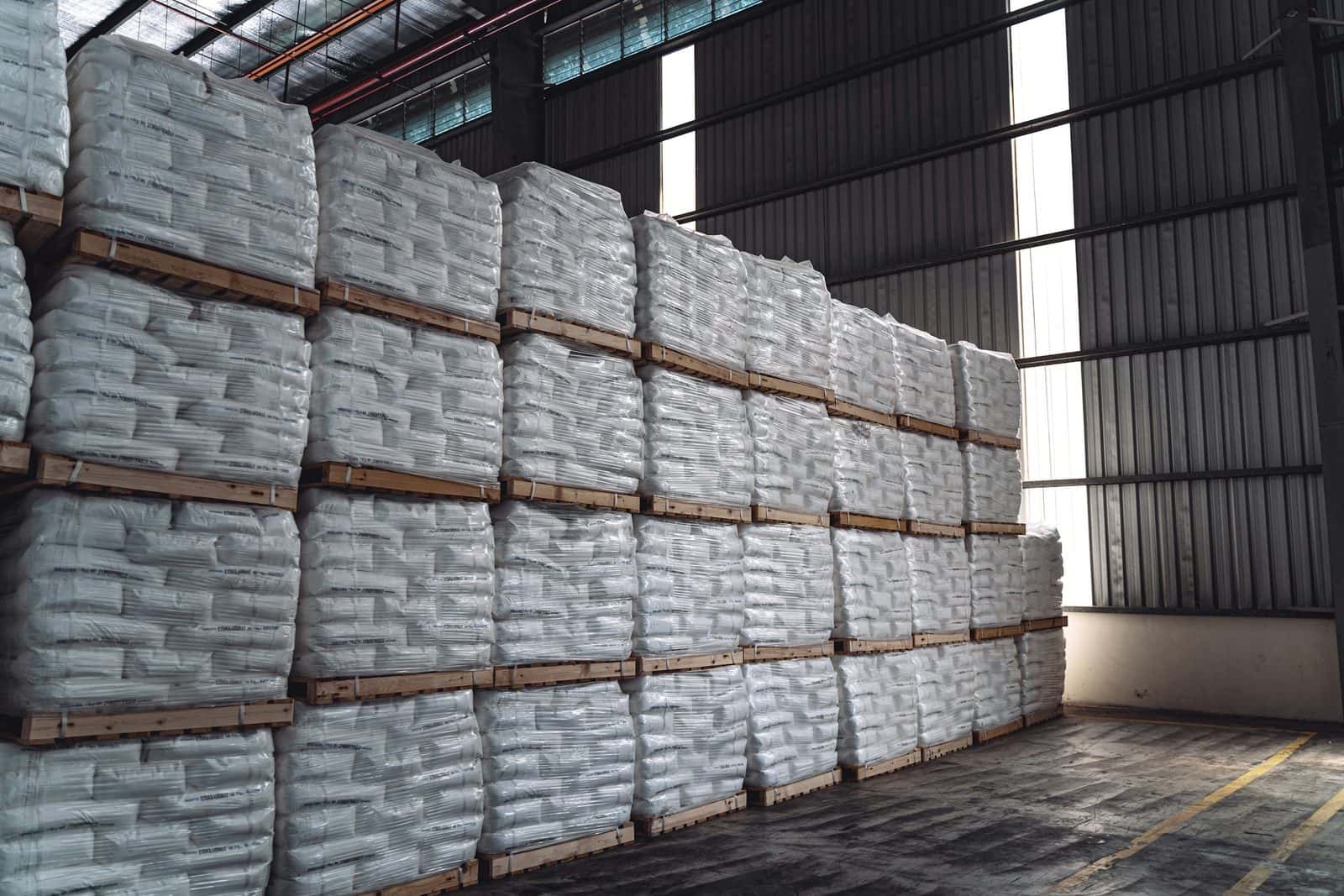
- 25 kg bags
Crystalline isomaltulose is commonly packed in 25 kg bags. This is the format commonly supplied in the trade; the format for your order is confirmed in the quotation.
Origin
Stated in the quotation
Each quotation states the origin, producer and specification of the offered lot.
Supplied and exported by ANUTIDA — Udon Thani, Thailand
Manufacturer information
Thai manufacturer
You buy from ANUTIDA. Name a preferred mill or brand in your request.
Paperwork & shipping
Documentation & export
Each quotation states the specification of the offered product. Export shipments travel with the document set agreed in your contract — typically a commercial invoice, packing list, bill of lading, certificate of origin and a Certificate of Analysis for the lot. List any further documents you need, such as third-party inspection, halal or kosher certificates or a health certificate, and they are confirmed in the quotation. Read how shipping works on the export and logistics pages.
- Minimum order
- Confirmed with quotation
- Lead time
- Confirmed with quotation
- Delivery
- Export from Thailand
Product guide
About Isomaltulose
How isomaltulose is produced
Isomaltulose is made from sucrose by an enzymatic rearrangement. A sucrose isomerase (sucrose-6-glucosylmutase) converts the glucose–fructose linkage of sucrose into the α-1,6 linkage of isomaltulose. In one process assessed by Health Canada, the enzyme comes from non-viable cells of the bacterium Protaminobacter rubrum acting on food-grade sucrose. The isomaltulose is then purified and crystallised as the monohydrate. The process starts from food-grade sucrose.
Functional properties
- Mild sweetness: about half as sweet as sucrose with a sugar-like taste. It is often used with other sweeteners when full sweetness is needed.
- Sugar-like bulk: as a crystalline disaccharide it gives solids, body and crystal structure in dry mixes and confectionery.
- Reducing sugar: unlike sucrose, isomaltulose has a free reducing group, so it can take part in Maillard browning when heated with proteins. Check colour in heat-treated products.
- Crystal water: the commercial monohydrate contains water of crystallisation. This is why its loss-on-drying limit (6.5%) is much higher than that of anhydrous sugars.
Applications by industry
US GRAS notice GRN 184 covers isomaltulose as a nutritive sweetener in many food categories and beverages. Common uses include powdered and ready-to-drink beverages, confectionery such as hard candies and chewy sweets, and dairy products. It is also used in bakery products, compressed tablets and other formulated foods made by food manufacturers. Formulators most often use it to replace part or all of the sucrose where a milder sweetness and a sucrose-based carbohydrate are wanted.
Isomaltulose made in Thailand
Isomaltulose is produced in Thailand. A company in a Thai cane-sugar group makes it from sugarcane-derived sucrose and packs it in 25 kg bags. The origin of each lot ANUTIDA supplies is confirmed in the quotation.
Labelling and regulatory identity
Isomaltulose is authorised in the EU as a novel food. Its specification (assay, loss on drying, lead) is set in the Union list under Regulation (EU) 2017/2470. EU labels must name it “Isomaltulose” and add the statement “Isomaltulose is a source of glucose and fructose”. In the US, FDA had no questions about GRAS notice 184 (2006), and separately about dried isomaltulose syrup in GRN 681 (2017). Health Canada has published novel food information on isomaltulose, and in Australia and New Zealand it is listed in Schedule 25 as a permitted novel food.
What to specify in your RFQ
- Product: crystalline isomaltulose (monohydrate), not isomalt, isomaltulose powder or dried isomaltulose syrup.
- Specification basis (the EU Union-list specification is the usual reference) and particle size if it matters.
- Destination market and the label wording you need.
- Packaging, volume, delivery schedule, destination port and Incoterm.
Buyer questions
Isomaltulose FAQ
Is isomaltulose the same as isomalt?
No. Isomaltulose is a sugar (a glucose–fructose disaccharide). Isomalt (E 953) is made by hydrogenating isomaltulose and is a sugar alcohol with its own additive specification and labelling rules.
How sweet is isomaltulose?
A typical value is about 50% of the sweetness of sucrose, with a sugar-like taste. It is often combined with other sweeteners where full sweetness is needed.
What must an EU label say for isomaltulose?
The ingredient is named “Isomaltulose” and must be accompanied by the statement “Isomaltulose is a source of glucose and fructose”.
Which specification and documents come with each lot?
Isomaltulose is usually supplied against the EU novel-food specification: assay of at least 98% (dry basis), loss on drying of no more than 6.5% and lead of no more than 0.1 mg/kg. Each lot ships with a Certificate of Analysis. List any other documents your market requires in the RFQ.
How is isomaltulose packed?
Commonly in 25 kg bags. Store it closed in a cool, dry place. The format for your order is confirmed in the quotation.
How do I order isomaltulose from ANUTIDA?
Send a request for quotation with the form and grade, the specification you need, quantity, packaging, destination port and preferred Incoterm. ANUTIDA replies with a quotation. Minimum order quantity, lead time and origin are confirmed in that quotation.
Last updated 6 October 2026
Related supply
Other Sweeteners You May Be Interested In
Knowledge Center
Related Articles & Resources
 SweetenersDextrose Monohydrate vs Dextrose AnhydrousBoth forms are at least 99.5% D-glucose on a dry basis. The difference is one molecule of crystal water, which changes total solids, dosage and moisture behaviour.Read guide
 SweetenersErythritol vs Xylitol: A Technical Comparison for BuyersErythritol and xylitol are the two crystalline, strongly cooling polyols. They differ in how they are made, how sweet they are and where the law lets you use them.Read guide
 SweetenersGlucose Syrup vs Dextrose: What Buyers Need to KnowBoth are made from starch and both are often called "glucose", but glucose syrup is a liquid mixture of saccharides (DE ≥ 20) while dextrose is crystallised D-glucose. Here is how they differ and how to choose.Read guide
 SweetenersHFCS 42 vs HFCS 55: Composition, Uses and LabellingHFCS 42 and HFCS 55 differ in fructose content, solids, sweetness, typical use, EU name and HS subheading. A side-by-side guide for buyers of high-fructose syrup.Read guide
Request a quotation
Need Isomaltulose or Other Sweeteners?
Tell us your product, specification, quantity and destination. ANUTIDA replies with packaging options and a written quotation.