Thai sugar ships to Jordan, the UAE, Saudi Arabia, Israel and the other Gulf states, and GCC tariffs on sugar are zero. What matters for each shipment is product registration, Arabic labelling and halal documentation. ANUTIDA supplies and exports Thai sugar to Middle East buyers and arranges the export permits, customs clearance and shipping documents each shipment requires.
Thai-reported UN Comtrade data put 2025 exports of HS 1701 to Jordan, the UAE, Saudi Arabia, Israel, Qatar, Kuwait, Lebanon, Bahrain and Oman at about 43,476 t (our sum of the partner rows), led by Jordan (25,000 t) and the UAE (17,660 t). OCSB data reproduced by the USDA show 16,410 t of Thai white and refined sugar to the UAE in 2025 (raw value), up 12.4% on 2024, plus 251 t of raw sugar.
Thai HS 1701 sugar exports to Middle East markets (tonnes, Thai-reported)
Market
2023
2024
2025
Jordan
—
—
25,000
United Arab Emirates
7,736
17,004
17,660
Saudi Arabia
696
433
288
Israel
11,093
93
236
Qatar
149
536
168
Kuwait
24,042
202
63
Bahrain
270
21
20
Oman
250
288
16
Thai HS 1701 sugar exports to Middle East markets (tonnes, Thai-reported). Source: UN Comtrade public data, Thailand-reported exports of HS 1701 (net weight, rounded). “—” = no quantity shown for that year. The UAE 2023 weight is flagged as estimated.
Egypt imports roughly 1 million t of raw sugar a year for local refining; since 30 March 2026, each import needs a permit approved by the Ministers of Supply and Investment.
Products for Middle East buyers
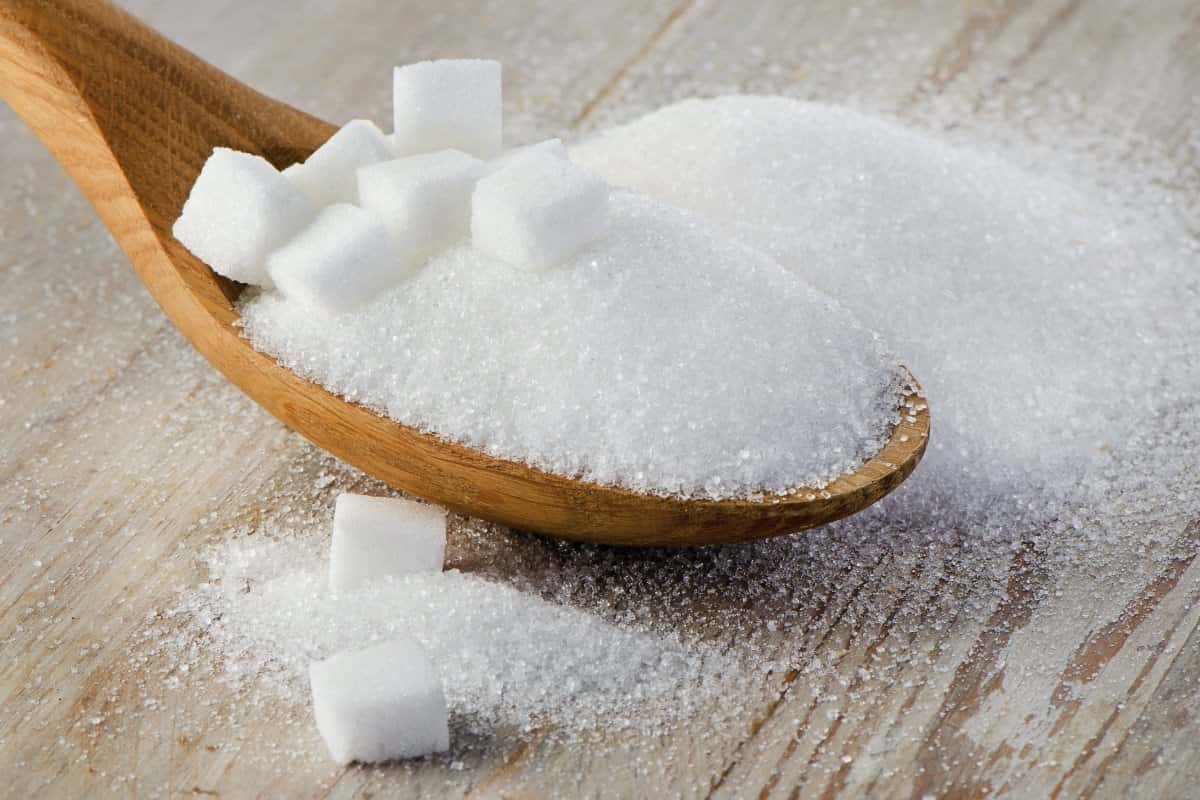
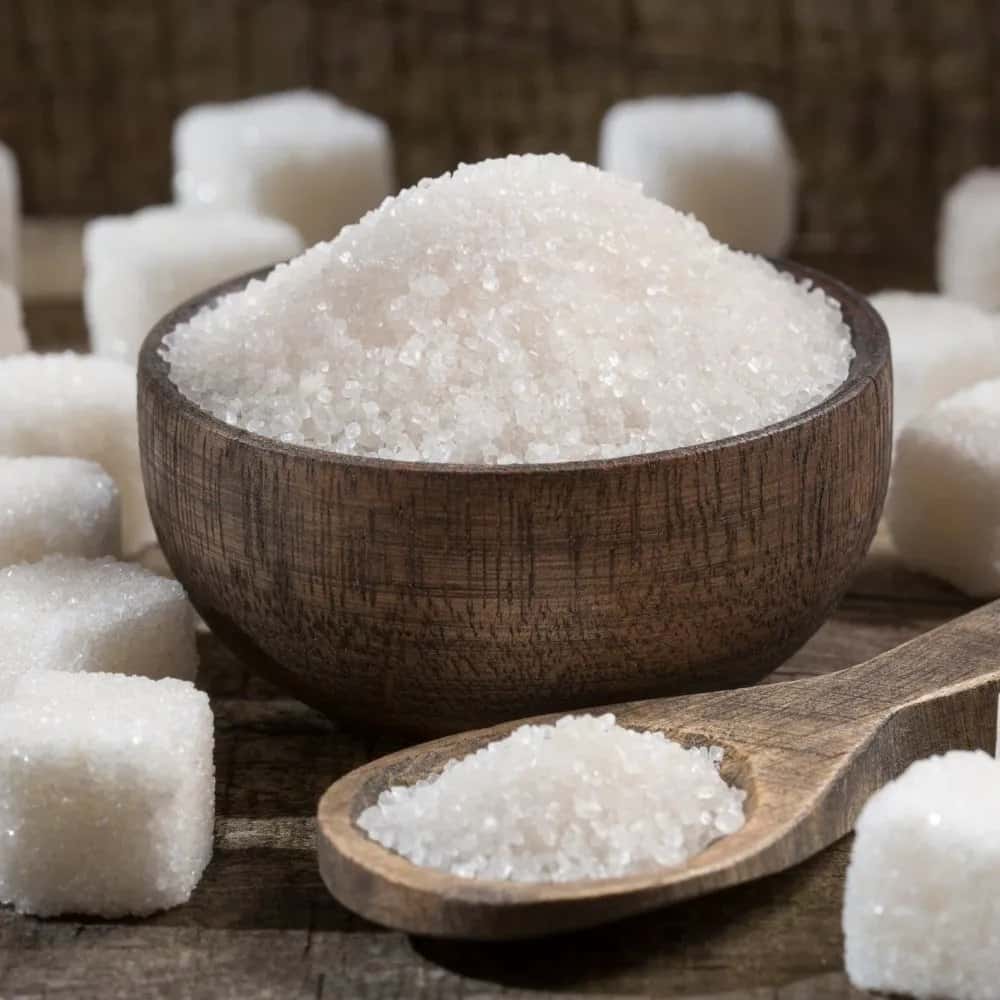
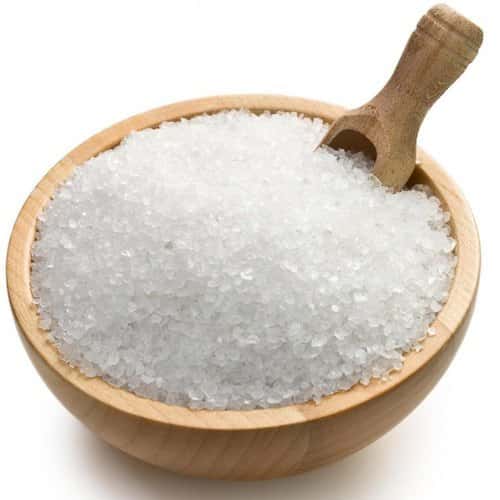
Thai sugar reaches the region mainly as white and refined sugar in bags. ICUMSA 45 refined sugar, Thailand's refined class of 0–45 IU, suits beverage, dairy and confectionery plants; ICUMSA 150 and ICUMSA 100 white sugar suit distributors and repackers whose markets accept it.
The Gulf also refines imported raw sugar at scale. Dubai's Government Media Office describes the Al Khaleej Sugar complex at Jebel Ali as able to produce more than 7,000 t of refined sugar a day, with raw sugar discharged by a dedicated conveyor, and the company lists Thailand among its raw sugar origins; in Saudi Arabia, United Sugar Company refines at Jeddah port. Refiners can request Thai Hi-Pol raw sugar quoted against their polarisation and colour specification.
Import rules: registration, labels and halal
WITS/TRAINS reports a 0% MFN applied tariff on raw (HS 170114) and other sugar (HS 170199) for the UAE and Saudi Arabia (2023) and Israel (2022), and 0% on HS 170199 for Kuwait, Qatar, Oman and Bahrain (2023). Under the GCC single-entry-point rule goods move duty-free between GCC states, but in practice only unopened containers transhipped between GCC markets benefit; repacked or partial shipments may pay a further 5% at destination.
Registration and labelling come first. UAE importers register each food item in the federal ZAD portal, or Dubai Municipality's FIRS/ZADI, before applying for an import permit, and Dubai laboratory-tests items registered there for the first time. Labels must be in Arabic under UAE.S GSO 9:2019; solid sugar is exempt from an expiry date but must show a production date and a packing date. Saudi Arabia requires every imported food product to be registered through an SFDA e-account, a chamber-certified invoice and, depending on the product, a certificate of origin and a halal certificate; Saudi Customs assesses duty on CIF invoice values.
On halal, the UAE's national mark is voluntary, but halal claims must be backed by a certificate from an approved certifier. In Thailand the Central Islamic Council of Thailand (CICOT) certifies halal and issues the export halal certificate HL.2, with country-specific documents for the UAE and Saudi Arabia. Ask for halal documentation in your enquiry so it is matched to the lot shipped.
Logistics
Middle East orders are mostly bagged sugar in containers from Laem Chabang. Bagged sugar fills a 20-ft container by weight before volume (Maersk lists a 28,300 kg maximum payload), and the Refined Sugar Association's default box for container sales is the 20-ft ISO container. Saudi Arabia's requirement to ship containerised imports on pallets, due from 1 June 2026, was suspended until further notice in May 2026; any wooden pallets or dunnage used must be ISPM 15-treated and marked. For regional distribution, Jebel Ali Port and Free Zone handled over 90% of Dubai's sugar exports to more than 114 countries (2022). See logistics and how much sugar fits in a container.
Documents, inspection and payment
Plan for a commercial invoice (chamber-certified for Saudi Arabia), packing list, bill of lading, certificate of origin (chamber-attested for the UAE), weight and quality certificate, and a halal certificate where claimed. The Thai Chamber of Commerce issues non-preferential certificates of origin and legalises trade documents. At the Saudi border, SFDA inspectors check documents, identity and condition and may take samples; non-compliant consignments must be re-exported or destroyed, while containers with documents in order normally clear within five working days. Payment follows standard sugar practice: cash against documents is the Refined Sugar Association default for white sugar, and letters of credit operate under UCP 600. See sugar export documentation.
Market notes
Import rules change. These notes summarise published sources as of 6 October 2026 — confirm current requirements with your customs broker before contracting.
United Arab Emirates
Thai exports: 17,660 t of HS 1701 in 2025 and 17,004 t in 2024 (Comtrade); OCSB data show 16,410 t white/refined plus 251 t raw in 2025.
MFN applied tariff 0% on HS 170114 and 170199 (2023).
Each food item is registered in the ZAD portal (Dubai: FIRS/ZADI) before an import permit is issued; first-time Dubai registrations are laboratory-tested (USDA FAIRS, Nov 2025).
Arabic labels under UAE.S GSO 9:2019; solid sugar needs production and packing dates but no expiry date. A chamber-attested certificate of origin is required for all foods (USDA FAIRS, Nov 2025).
Al Khaleej Sugar at Jebel Ali refines imported raw sugar and can produce more than 7,000 t a day (Dubai Media Office, 2022).
Saudi Arabia
Thai HS 1701 exports: 696 t (2023), 433 t (2024) and 288 t (2025).
MFN applied tariff 0% on HS 170114 and 170199 (2023); duty is assessed on CIF invoice value.
SFDA E-Clearance: importer e-account and online registration of every food product; chamber-certified invoice, certificate of origin and halal certificate where applicable; Arabic labels under SFDA.FD/GSO 9:2022 (USDA FAIRS, Jul 2025).
Mawani's pallet requirement for containerised imports, planned from 1 June 2026, was suspended until further notice (May 2026).
Jordan
Thailand shipped 25,000 t of HS 1701 to Jordan in 2025 (about US$11.5 million FOB), the largest Middle East destination that year.
MFN applied tariff (2023): 0% on raw cane sugar; 0–5% across the HS 170199 lines.
JFDA regulates food under Food Law No. 30 (2015); labels in Arabic; importers registered with the Ministry of Industry, Trade and Supply (unregistered shipments pay a 2.5% CIF penalty; USDA FAIRS, Jun 2025).
ASYCUDA declarations need the commercial invoice and certificate of origin; legalisation has not been required since 2018 (USDA FAIRS, Jun 2025).
Israel
Thai HS 1701 exports: 11,093 t (2023), 93 t (2024) and 236 t (2025).
MFN applied tariff 0% on HS 170114 and 170199 (2022 data).
Hebrew labels are mandatory; the Ministry of Health has adopted EU food rules under its “Food Reform”; only licensed importers with a food importer registration certificate may clear food, with lab testing at quarantine stations and approved laboratories (USDA FAIRS, Jan 2026).
Kuwait
Thai HS 1701 exports: 24,042 t in 2023, then 202 t (2024) and 63 t (2025).
MFN applied tariff 0% on HS 170199 (2023); GCC rules on intra-GCC movement apply.
Qatar, Oman and Bahrain
Thai HS 1701 exports in 2025: Qatar 168 t, Bahrain 20 t, Oman 16 t.
MFN applied tariff 0% on HS 170199 in all three (2023).
Egypt
Since 30 March 2026 (Decision No. 119 of 2026) raw and refined sugar imports need approval from the Ministers of Supply and Investment on an import permit stating the volume.
Egypt imports roughly 1 million t of raw sugar a year for local refining; USDA forecasts 1.06 million t of imports in MY 2026/27 (USDA, May 2026).
The sugar export ban was extended to 30 April 2027.
WITS/TRAINS tariff data (2019) show 20% on raw cane sugar and a 12.5% average on HS 170199; confirm the current rates before contracting.
Frequently asked questions
What import duty applies to Thai sugar in the GCC?
WITS/TRAINS data show a 0% MFN applied tariff on refined and other sugar (HS 170199) in the UAE, Saudi Arabia, Kuwait, Qatar, Oman and Bahrain (2023), and 0% on raw cane sugar in the UAE and Saudi Arabia. Product registration, Arabic labelling and certificates, not duty, are the main requirements.
Is halal documentation available for Thai sugar?
USDA cites standard halal certification as one of Thai sugar's advantages. In Thailand, CICOT certifies halal and issues the export halal certificate HL.2. Request halal documentation in your enquiry so it covers the lot shipped.
What labelling does sugar need for the UAE and Saudi Arabia?
Arabic labels are mandatory in both. In the UAE, solid sugar is exempt from an expiry date but must show production and packing dates; Saudi labels must show the product name, packer, country of origin, ingredients and shelf life under SFDA rules.
Do I need an import permit for sugar in Egypt?
Yes. Since 30 March 2026, raw and refined sugar imports require ministerial approval of an import permit stating the volume (Decision No. 119 of 2026).
Thai refined cane sugar in the 0–45 IU colour class with pol of at least 99.80 °Z — the quality behind the world white-sugar benchmark — supplied in 50 kg, 25 kg and 1-tonne bags for export.
Thai mill white cane sugar held to the Codex plantation-white colour ceiling of 150 IU (pol ≥ 99.5 °Z), inside Thai white sugar grade 1 — bagged for importers, repackers and food manufacturers.
Thai white cane sugar contracted at 100 IU or less — a buyer and producer tier inside Thai white grade 1 for users who want whiter sugar than standard mill white without moving to refined.
Thailand's benchmark raw export grade: raw cane sugar with a minimum pol of 98.5° (wet basis) under the Platts Thai Hi-Pol assessment, loaded in bulk at Thai ports or bagged for smaller buyers.