Specialty Sweeteners · Rare sugars
Allulose Supplier — Crystalline Allulose & Allulose Syrup
Allulose (D-psicose), a rare sugar made from fructose, as crystals or syrup. US GRAS notices apply; it is not authorised in the EU; Thailand requires product-specific novel-food approval.
- Crystalline · SyrupForms supplied
- Export from ThailandQuoted on your Incoterm
- COA with every lotSpecification in the quotation
Quick quote
Select a product ICUMSA 45 Refined SugarICUMSA 45Quote
 ICUMSA 150 White SugarICUMSA 150Quote
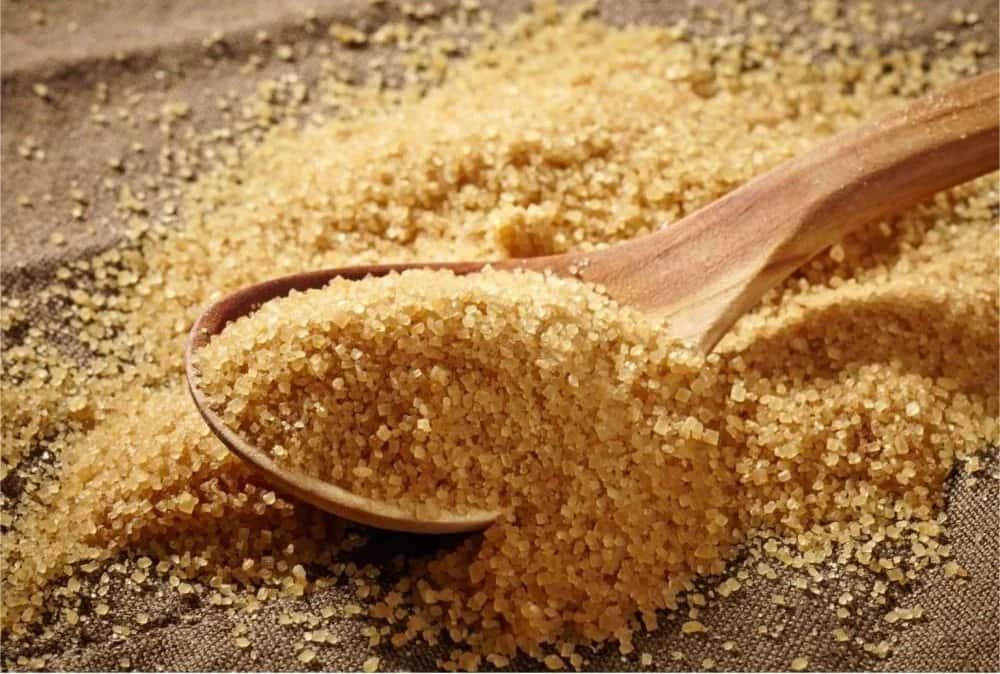 VHP Raw SugarRaw cane sugar sold under the VHP (very high polarisation) labelQuote
 Thai Hi-Pol Raw SugarHigh-polarisation raw cane sugarQuote
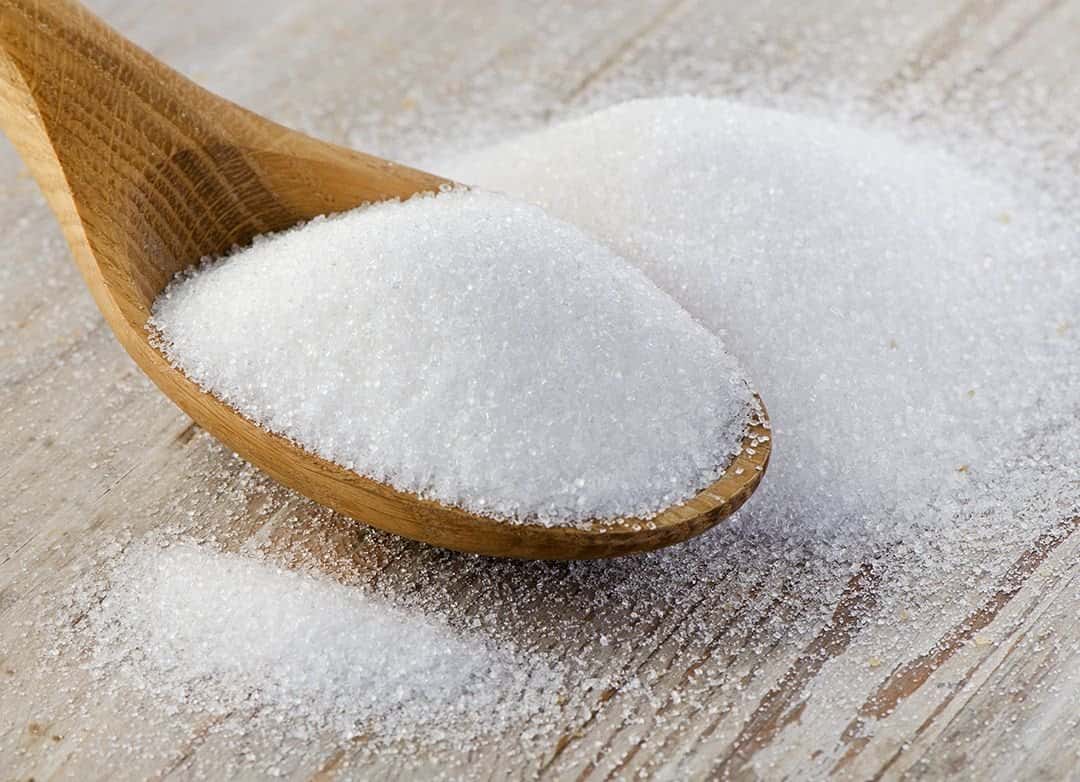 AlluloseRare sugar (monosaccharide)Quote
 D-TagatoseRare sugar (monosaccharide)Quote
 IsomaltuloseDisaccharide (made from sucrose)Quote
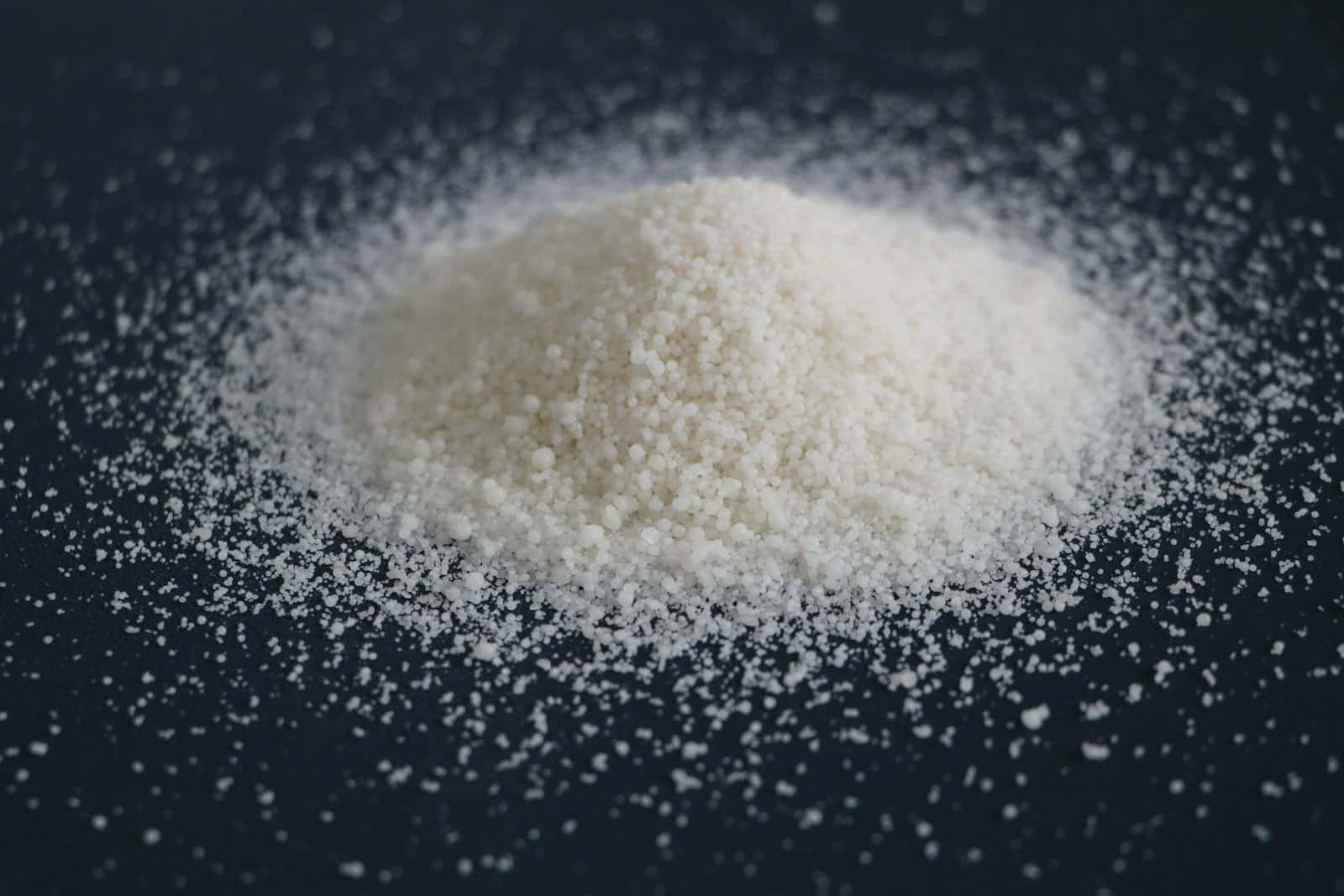 TrehaloseDisaccharide (non-reducing)Quote
- Thailand basedUdon Thani, Thailand
- Ready stockCommercial supply
- Multiple Thai producersBroad product range
- Global exportShipped from Thailand
- Specification supportCOA with every lot
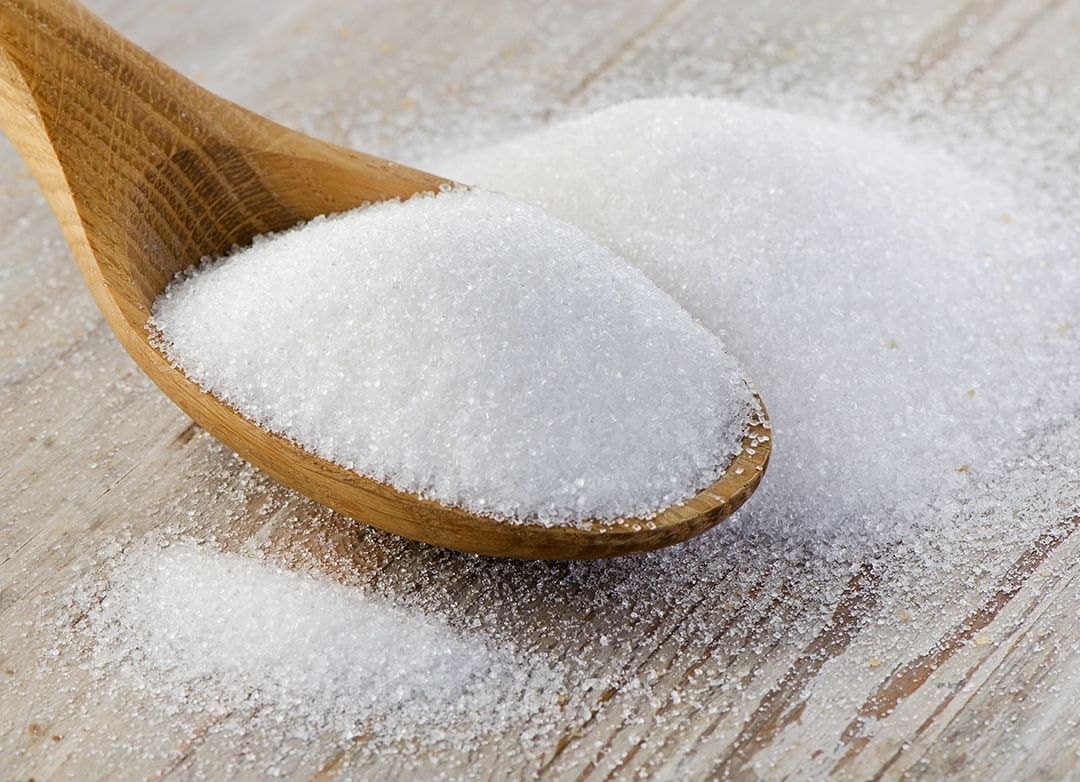
Specialty Sweeteners
Allulose
Rare sugar (monosaccharide)
- Crystalline
- Syrup
- Sweetness
- ≈ 70
- CAS number
- 551-68-8
- Forms
- Crystalline · Syrup
- Packaging
- 25 kg · Drum
Certificate of Analysis with every lot
What is Allulose?
Allulose, also called D-psicose (chemically D-ribo-2-hexulose), is a monosaccharide with the formula C6H12O6, the same as glucose and fructose. It is an epimer of D-fructose: the two molecules differ only in the orientation of the hydroxyl group on the third carbon. The US FDA notes that allulose occurs naturally in small amounts in wheat, raisins, dried figs, molasses, maple syrup and brown sugar. Those amounts are small, so commercial allulose is manufactured. A typical figure for its sweetness is about 70% of sucrose. It is therefore used as a bulk ingredient that replaces part of the sugar in a recipe, not as a high-intensity sweetener.
- Beverage
- Bakery
- Confectionery
- Dairy
Key features
- Supplied in crystalline and syrup forms
- Certificate of Analysis with every lot
- Packed in 25 kg bags and drums
- Exported from Thailand on your Incoterm
Technical data
Technical specifications
Crystalline
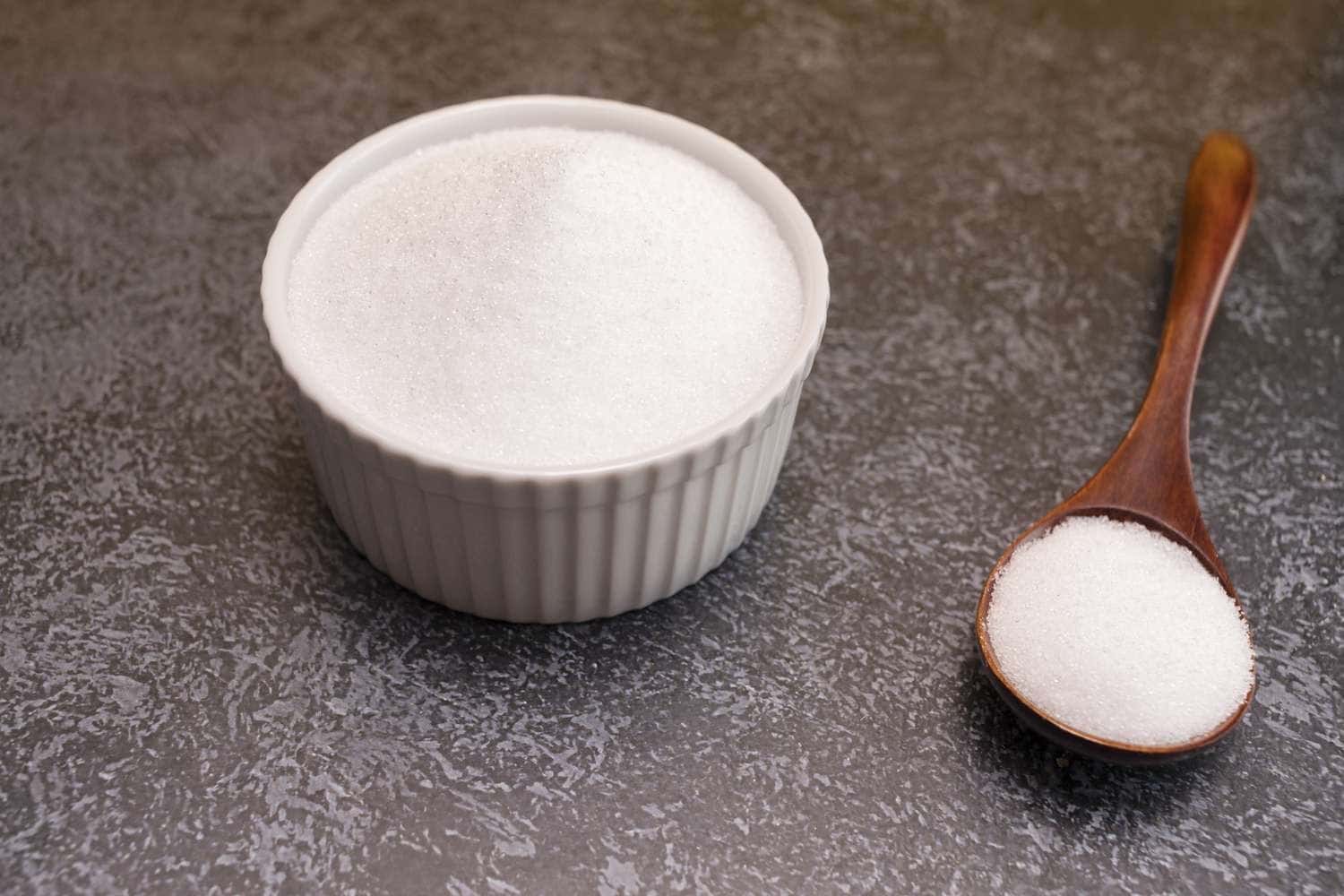
Crystalline allulose
White crystalline powder. The values below are one producer's specification filed with the US FDA in GRN 828. The supplier's own specification and the lot COA govern each order.
Also known as: allulose crystals, allulose powder
Syrup
Allulose syrup
Clear liquid. The values below are one producer's specification filed with the US FDA in GRN 828. Syrup strength varies by supplier.
Also known as: liquid allulose, D-allulose syrup
| Parameter | Value | Basis |
|---|---|---|
| CAS number | 551-68-8 | — |
| Chemical formula | C6H12O6 (molecular weight 180.16) | — |
| Chemical class | Monosaccharide (ketohexose), epimer of D-fructose | — |
| Relative sweetness (sucrose = 100) | ≈ 70 | Typical value (reference) |
| Allulose content (dry basis) | Confirmed per lot on the Certificate of Analysis — contact ANUTIDA for the current specification. | |
| Moisture / dry solids | Confirmed per lot on the Certificate of Analysis — contact ANUTIDA for the current specification. | |
Crystalline allulose
| Parameter | Value | Basis |
|---|---|---|
| Allulose (dry-weight basis) | ≥ 98% | Producer specification |
| Moisture | ≤ 2% | Producer specification |
| Ash | ≤ 0.1% | Producer specification |
| Lead (Pb) | ≤ 0.5 mg/kg | Producer specification |
| Arsenic (As) | ≤ 0.5 mg/kg | Producer specification |
| Particle size / mesh | Confirmed per lot on the Certificate of Analysis — contact ANUTIDA for the current specification. | |
Allulose syrup
| Parameter | Value | Basis |
|---|---|---|
| Allulose (dry basis) | ≥ 90% | Producer specification |
| Brix | ≥ 65 °Bx | Producer specification |
| pH | 3.0–7.0 | Producer specification |
| Ash | ≤ 0.5% | Producer specification |
| Dry matter | Confirmed per lot on the Certificate of Analysis — contact ANUTIDA for the current specification. | |
Identity & status
Regulatory identity
| United States | 11 GRAS notices on D-psicose with “FDA has no questions” letters, GRN 400 (2012) to GRN 1309 (6 July 2026) |
|---|---|
| US nutrition labelling | FDA guidance (Oct 2020): enforcement discretion to exclude allulose from Total and Added Sugars and to use 0.4 kcal/g; still declared within Total Carbohydrate |
| European Union | Not authorised. Not in the Union list of novel foods (Reg. (EU) 2017/2470, consolidated 10 Aug 2026) |
| EFSA opinion | June 2025: safety of D-allulose “cannot be established” (applicant did not provide requested data) |
| Australia & New Zealand | Schedule 25 permitted novel food since 29 Oct 2024: listed foods with maximum levels, tabletop sweetener, laxative advisory statement |
| Thailand | Novel food; Thai FDA approvals are specific to the applicant and product, and other users need the approval holder's consent letter or their own safety assessment |
Each market approves allulose separately, and some approvals are tied to a producer or production route. Confirm the status for your destination and intended use before ordering. ANUTIDA states in each quotation the specification the lot is supplied against.
Applications & industries
- Reduced-sugar beverages
- Bakery products
- Hard and soft candies, frostings
- Yoghurt and frozen dairy desserts
- Jams, sweet sauces and syrups
- Tabletop sweeteners
Packaging, origin and manufacturers
Packaging options
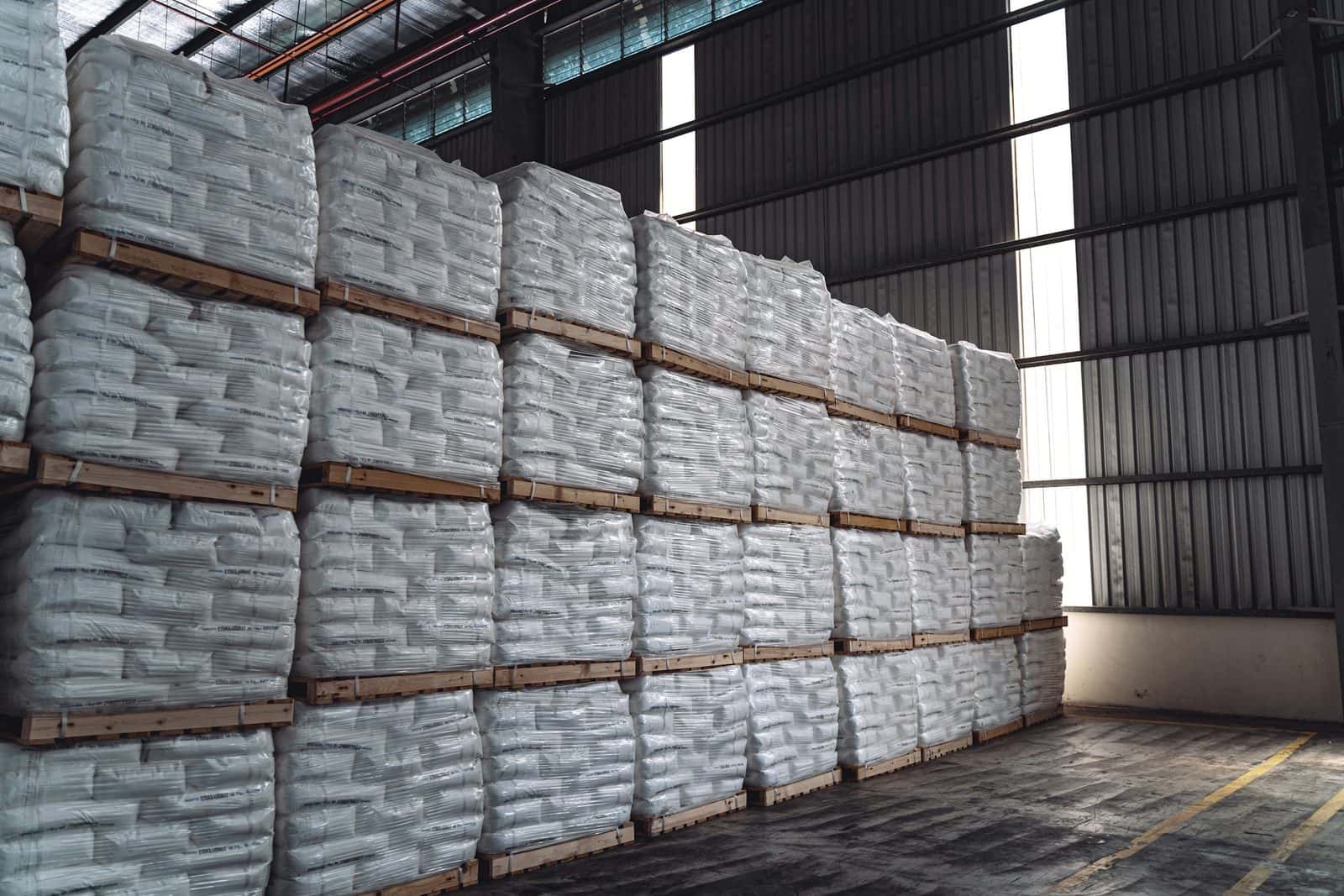
- 25 kg bags
- Drums
Crystalline allulose is commonly packed in 25 kg lined bags, and allulose syrup in drums (for example 275 kg). These are formats commonly supplied in the trade; the format for your order is confirmed in the quotation.
Origin
Stated in the quotation
Each quotation states the origin, producer and specification of the offered lot.
Supplied and exported by ANUTIDA — Udon Thani, Thailand
Manufacturer information
You buy from ANUTIDA. The producer of the offered lot is named in the quotation; state any preferred manufacturer or brand in your request.
Paperwork & shipping
Documentation & export
Each quotation states the specification of the offered product. Export shipments travel with the document set agreed in your contract — typically a commercial invoice, packing list, bill of lading, certificate of origin and a Certificate of Analysis for the lot. List any further documents you need, such as third-party inspection, halal or kosher certificates or a health certificate, and they are confirmed in the quotation. Read how shipping works on the export and logistics pages.
- Minimum order
- Confirmed with quotation
- Lead time
- Confirmed with quotation
- Delivery
- Export from Thailand
Product guide
About Allulose
How allulose is produced
Allulose is made from fructose by enzymatic epimerisation. An enzyme known as D-psicose 3-epimerase (or allulose 3-epimerase) converts part of the fructose in a syrup into allulose. The reaction stops at an equilibrium, so the mixture is separated by chromatography and the allulose-rich fraction is concentrated. The process in US GRAS notice GRN 828 is typical: fructose syrup passes through an immobilised-enzyme reactor, is purified and separated, and is concentrated to a syrup of at least 90% allulose. Part of that syrup is then crystallised and dried to give a crystalline product of at least 98% allulose. Producers use epimerase enzymes from different microorganisms. Some regulators assess a specific production route, so the enzyme source can matter for market access.
Forms and how buyers choose
- Crystalline allulose: a white crystalline powder for dry mixes, tabletop products, bakery and confectionery. The GRN 828 specification is at least 98% allulose on a dry-weight basis.
- Allulose syrup: a clear liquid for beverages, sauces, syrups, dairy and frozen desserts, where the recipe is already liquid. GRN 828 specifies at least 90% allulose on a dry basis, at 65 °Brix or more.
- Purity on a dry basis and the solids content of syrups vary between producers, so compare both when you evaluate offers.
Functional properties
- Bulk and solids: as a sugar it supplies body and solids, which high-intensity sweeteners cannot. That makes it a partial replacement for sucrose, glucose syrup or fructose.
- Moderate sweetness: about 70% of sucrose. It is often combined with other sweeteners where full sugar-level sweetness is needed.
- Reducing sugar: like fructose, allulose is a ketose and can take part in Maillard browning when heated with proteins. Check crust and colour development in bakery trials.
Applications by industry
The food categories named in the US GRAS notices show where allulose is used. They include bakery products, non-alcoholic beverages, confectionery (hard and soft candies, chewing gum, frostings) and dairy items such as yoghurt and frozen dairy desserts. They also cover breakfast cereals, jams and jellies, sweet sauces and syrups, salad dressings and tabletop sweeteners, which matter for general food manufacturing. Permitted foods and maximum levels differ between markets and between individual GRAS notices. Check the conditions for each destination before you finalise a formulation.
Regulatory status by market
- United States: FDA has issued “no questions” letters for 11 GRAS notices on D-psicose, from GRN 400 (2012) to GRN 1309 (July 2026). Each notice covers the notifier's own product, intended uses and production method.
- US labelling: FDA's final guidance (October 2020) says the agency intends to use enforcement discretion, pending rulemaking. Allulose may be left out of “Total Sugars” and “Added Sugars”, and 0.4 kcal/g may be used to calculate calories. Allulose is still counted in “Total Carbohydrate”.
- Australia and New Zealand: D-allulose has been in Schedule 25 (permitted novel foods) since 29 October 2024. It may be sold at retail as a tabletop sweetener and added to listed foods up to set limits, for example 3.5% in water-based flavoured drinks and 10% in bakery products. Foods containing it need an advisory statement on possible laxative effects. FSANZ assessed one enzymatic production route, and one brand had exclusive use for the first 15 months. Confirm that your product is covered.
- Thailand: allulose is regulated as a novel food. Thai FDA's published list includes allulose approvals dated 2025 and 2026, each for a named applicant and product. An approval applies only to the company that applied. Another company using the same ingredient needs that applicant's consent letter or must obtain its own safety assessment.
What to specify in your RFQ
- Form (crystalline or syrup), minimum allulose content on a dry basis and, for syrup, dry solids or °Brix.
- Destination market and the regulatory basis you rely on, such as a specific GRN, a Thai novel-food approval (with the approval holder's consent) or the FSANZ permission.
- Production-enzyme information if your market or customer requires it.
- Packaging, volume, delivery schedule, destination port and Incoterm.
Buyer questions
Allulose FAQ
Can allulose be sold in the European Union?
No. D-allulose is not in the EU Union list of novel foods, so it cannot be placed on the EU market as a food or ingredient. In 2025 EFSA concluded that its safety could not be established on the data submitted. Do not order allulose for EU-bound products.
What forms of allulose does ANUTIDA supply?
Crystalline allulose and allulose syrup. State the minimum allulose content on a dry basis and, for syrup, the solids or °Brix you need. The quotation confirms the specification.
Which specification is allulose supplied against?
The specification agreed in the quotation. One notifier's specification in US GRAS notice GRN 828 is shown on this page for reference. Each lot ships with a Certificate of Analysis against the agreed specification.
Can allulose be used in food made in Thailand?
Thai FDA regulates allulose as a novel food. Its approvals are issued to a specific applicant and product. If you plan to use an approved ingredient, you need the approval holder's consent letter for your own registration, or your own safety assessment. Raise this in your RFQ so the documents can be checked before you order.
How is allulose packed?
Crystalline allulose is commonly packed in 25 kg lined bags and syrup in drums. Store it closed, cool and dry. The format for your order is confirmed in the quotation.
How do I order allulose from ANUTIDA?
Send a request for quotation with the form and grade, the specification you need, quantity, packaging, destination port and preferred Incoterm. ANUTIDA replies with a quotation. Minimum order quantity, lead time and origin are confirmed in that quotation.
Last updated 6 October 2026
Related supply
Other Sweeteners You May Be Interested In
- SweetenerD-TagatoseRare sugar (monosaccharide)SpecificationView specification
 SweetenerErythritolSugar alcohol (polyol)SpecificationView specification
 SweetenerFructoseCrystalline D-fructose (nutritive sweetener)SpecificationView specification
- SweetenerIsomaltuloseDisaccharide (made from sucrose)SpecificationView specification
Knowledge Center
Related Articles & Resources
 SweetenersDextrose Monohydrate vs Dextrose AnhydrousBoth forms are at least 99.5% D-glucose on a dry basis. The difference is one molecule of crystal water, which changes total solids, dosage and moisture behaviour.Read guide
- SweetenersErythritol vs Xylitol: A Technical Comparison for BuyersErythritol and xylitol are the two crystalline, strongly cooling polyols. They differ in how they are made, how sweet they are and where the law lets you use them.Read guide
 SweetenersGlucose Syrup vs Dextrose: What Buyers Need to KnowBoth are made from starch and both are often called "glucose", but glucose syrup is a liquid mixture of saccharides (DE ≥ 20) while dextrose is crystallised D-glucose. Here is how they differ and how to choose.Read guide
 SweetenersHFCS 42 vs HFCS 55: Composition, Uses and LabellingHFCS 42 and HFCS 55 differ in fructose content, solids, sweetness, typical use, EU name and HS subheading. A side-by-side guide for buyers of high-fructose syrup.Read guide
Request a quotation
Need Allulose or Other Sweeteners?
Tell us your product, specification, quantity and destination. ANUTIDA replies with packaging options and a written quotation.