Thai sugar
Liquid Sugar Supplier from Thailand
- Thai origin
- Commercial supply
- Published specifications
- Export from Thailand
On this pageLiquid Sugar
Products
Liquid Sugar products
Liquid sucrose and invert syrup made from Thai sugar — supplied by ANUTIDA for beverage and food manufacturers.
Sugar
Invert Sugar Syrup
Invert sugar syrup (hydrolysed sucrose syrup)
- Ash
- ≤ 0.4 % of dry matter
- Invert sugar
- > 50 % of dry matter
Buyer's guide
Liquid sucrose and invert syrup
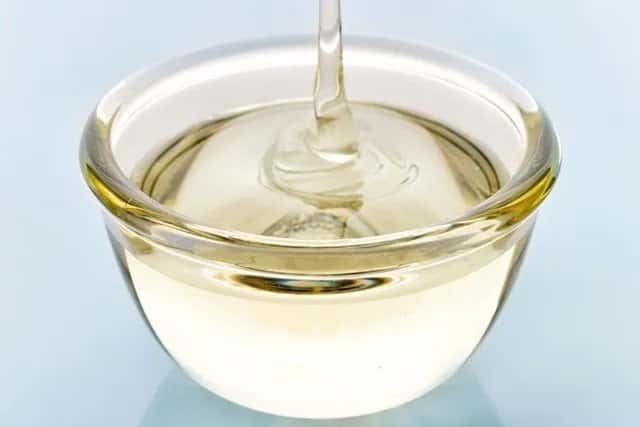
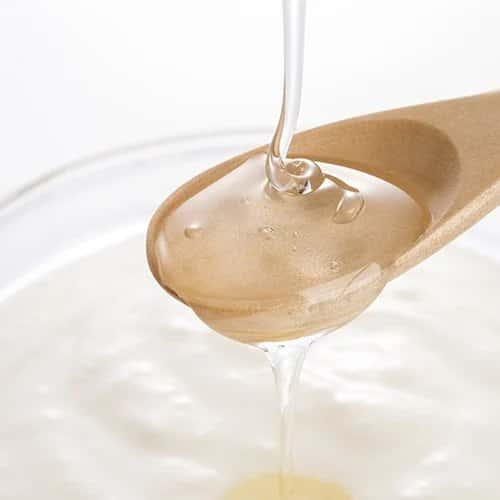
Liquid sucrose is made by dissolving refined sugar or purified sugar liquor, then filtering, decolourising and often sterilising the solution. Invert syrup goes a step further: the sucrose is hydrolysed — with acid or the enzyme invertase — into glucose and fructose, which lets the syrup hold more solids without crystallising. EU law gives the clearest definitions:
| Product | Defining limits | Colour |
|---|---|---|
| Sugar solution | Dry matter ≥ 62%; invert sugar ≤ 3% of dry matter | ≤ 45 IU (≤ 25 IU for “white” sugar solution) |
| Invert sugar solution | Invert sugar > 3% and ≤ 50% of dry matter | — |
| Invert sugar syrup | Invert sugar > 50% of dry matter | — |
Thai liquid sugar specifications
Thai producers publish tight colour and concentration limits for liquid sucrose. TRR specifies a maximum of 35 IU, 66.0–68.0% concentration at 20 °C and no more than 0.5% invert sugar; KSL gives 35 IU or less and 66.5–67.5 °Brix in its annual report; KTIS lists 0–35 IU. KSL's New Krung Thai mill is equipped to produce liquid sugar, and Mitr Phol sells retail syrups of 65 and 77 °Brix.
Thai regulation treats mill syrups as sugar. The 2022 amendment to the Cane and Sugar Act redefined “sugar” to include cane juice and syrup produced in mill processes, and the Cane and Sugar Board's notification on sugar types lists syrup for use as raw material (evaporated, at least 20% Brix) alongside the crystal classes. Liquid sugar from a Thai mill therefore falls under the same OCSB production controls as crystal sugar.
Delivery, shelf life and export
Liquid sugar is heavy, perishable and needs hygienic handling. TRR documents delivery by 30-tonne road tanker. European producer data show why distance matters: liquid sucrose at about 66.5% dry matter keeps for around eight weeks in unopened containers, or four weeks in clean bulk tanks fitted with sterile-air filters, at 20 ± 5 °C; colder storage can cause crystallisation. Invert syrup is more stable, at about 12 months in closed containers and two months in bulk tanks.
Check the destination's import rules as well: China, for example, has suspended import permits for syrup and premix products under HS 1702.90 from 74 Thai manufacturers since 10 December 2024, and USDA reported the suspension still in force in April 2026. For distant buyers, compare liquid sugar with importing refined sugar and dissolving it on site — the step liquid sucrose is designed to remove.
- Liquid sucrose suits plants within tanker range that use steady volumes and want to remove dissolving equipment and its cost.
- Crystal refined sugar suits distant or seasonal buyers: kept dry, it keeps for years, and it ships in bags or jumbo bags in standard containers.
Specifying liquid sugar
- Solids: °Brix or dry-matter range, measured at a stated temperature.
- Invert content: a maximum for liquid sucrose, or a target range for invert syrup.
- Colour: in ICUMSA units — published Thai liquid sucrose specifications are 35 IU or below.
- Microbiology and hygiene: limits for yeasts, moulds and mesophilic bacteria, and evidence of tanker cleaning.
- Delivery and shelf life: tanker size, delivery frequency and the use-by period after loading.
Who uses liquid sugar
Thai producers aim liquid sucrose at carbonated beverages and energy drinks, where it removes the dissolving step and cuts processing cost. European suppliers add confectionery, ice cream, fruit preparations and dairy. The main buyers are beverage, dairy, confectionery and food manufacturers.
How ordering works
A clear process from enquiry to export.
- 01Define your requirementGrade, quantity, packaging and destination port.
- 02Confirm specificationWe confirm the specification, packing and documents for your market.
- 03Request your quoteA written quotation with specification, origin and delivery terms.
- 04Export coordinationANUTIDA arranges packing, export clearance, loading and shipping documents.
Shipments travel with the document set agreed in your contract — typically a commercial invoice, packing list, bill of lading, certificate of origin and a Certificate of Analysis for the lot. Minimum order and lead time are confirmed with each quotation. See export and logistics.
Thai manufacturers producing liquid sugar
ANUTIDA supplies liquid sugar made across the Thai sugar industry. Name a preferred mill or brand in your request and the manufacturer is confirmed with each offer.
Liquid Sugar — buyer questions
Quick answers to common questions from international buyers.
What Brix is Thai liquid sucrose?
Thai producer specifications are about 66–68% solids — for example 66.0–68.0% at 20 °C, or 66.5–67.5 °Brix. Confirm the range with the offer.
Can liquid sugar be exported from Thailand?
Yes. Liquid sucrose keeps for weeks rather than years, so delivery distance and transit time shape the choice; for distant markets ANUTIDA can also quote refined sugar for dissolving on site.
What is the difference between liquid sucrose and invert syrup?
Liquid sucrose is dissolved sucrose with very little invert sugar. Invert syrup has been hydrolysed into glucose and fructose; under EU rules it is an invert sugar syrup when more than 50% of the dry matter is invert sugar.
How long does liquid sugar keep?
Much less than crystal sugar. European producer data give about eight weeks for liquid sucrose in unopened containers (four weeks in bulk tanks) and about 12 months for invert syrup in closed containers, at 20 ± 5 °C.
Related sugar categories
Knowledge Center
Guides for liquid sugar buyers
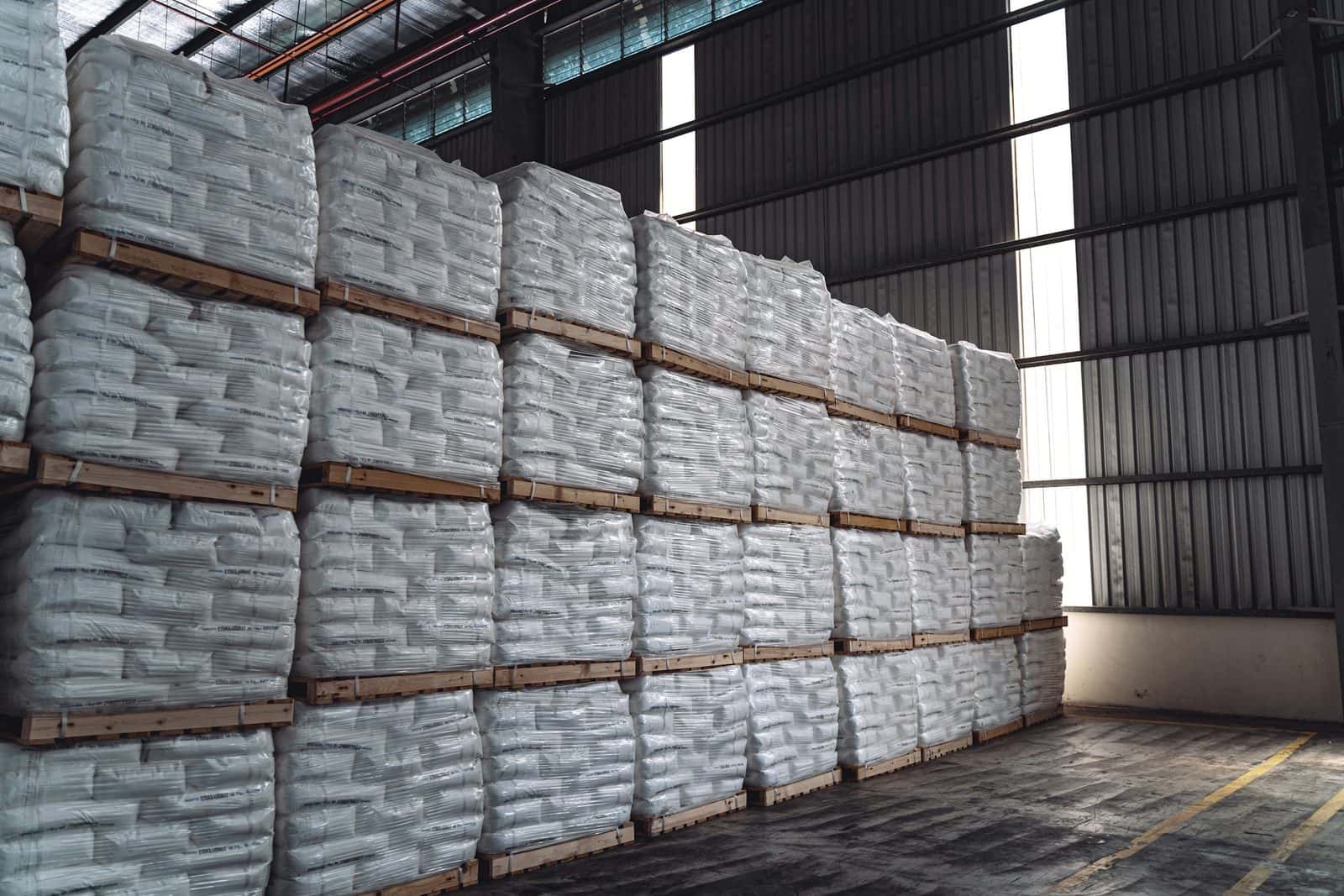 LogisticsSugar Storage Guide: Humidity, Temperature, Caking and Shelf LifeHow to store bagged sugar: humidity and temperature ranges from cargo-insurance guidance, why sugar cakes, odour and contamination risks, stacking, and what sources say on shelf life.Read guide
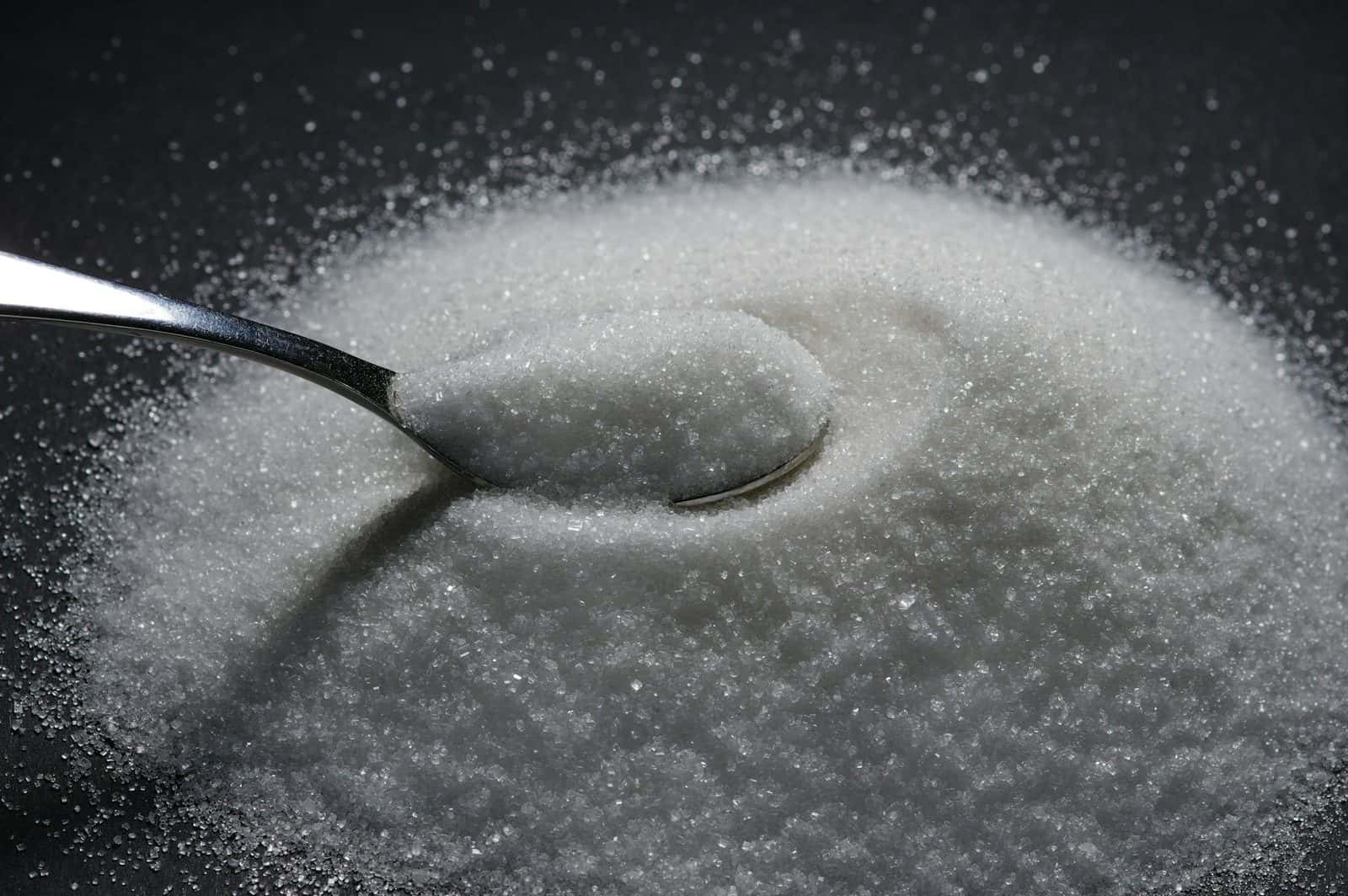 SpecificationsHow to Read a Sugar Specification: Parameter by ParameterPol, colour, moisture, ash, invert, SO₂, granulation and microbiology explained — plus how to tell a standard limit from a contract term or a typical value, with a worked example.Read guide
 SpecificationsSugar Certificate of Analysis (COA): What It Contains and How to Check ItWhat a sugar Certificate of Analysis should contain, the ICUMSA methods behind each result, how to check it against your contract, and the points to confirm.Read guide
 SugarRaw Sugar vs Refined Sugar: Production, Uses, Buyers and BenchmarksRaw sugar is a refinery feedstock; refined sugar is ready for food use. How each is made, who buys raw sugar, how both are priced on ICE, and what Thai export data shows.Read guide
Need liquid sugar for your market?
Tell us your product, specification, quantity and destination.
ANUTIDA reviews your requirement and replies with packaging options and a written quotation.