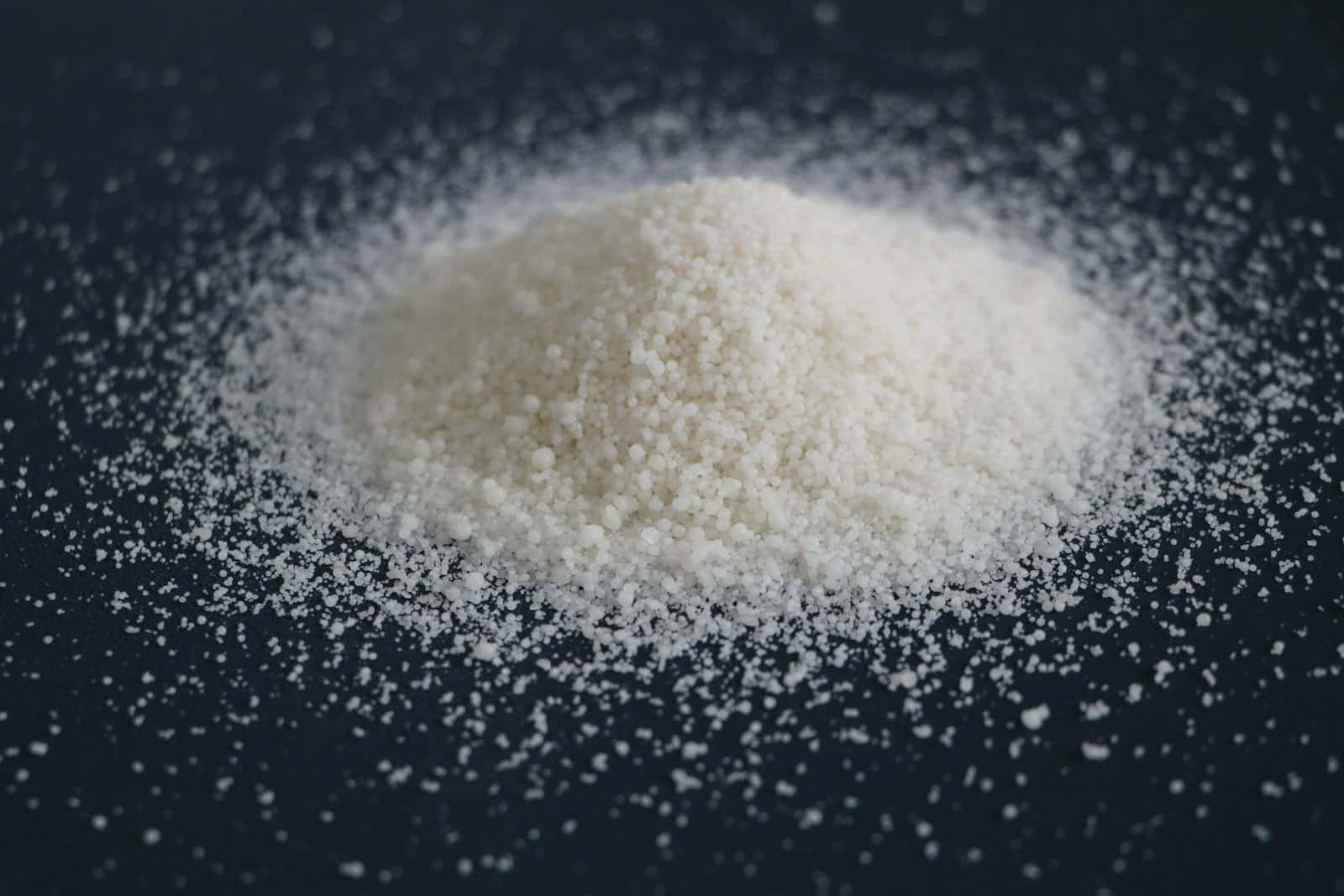
High-Intensity Sweeteners
Neotame Supplier — High-Potency Sweetener (E 961)
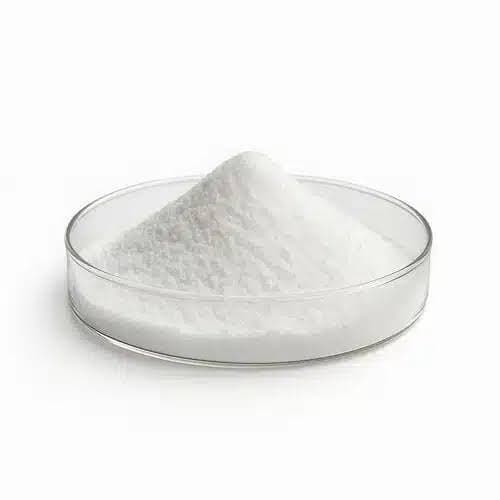
Neotame (E 961): a heat-stable sweetener about 7,000–13,000 times sweeter than sugar, made from aspartame and dosed in very small quantities.
- PowderForms supplied
- Export from ThailandQuoted on your Incoterm
- COA with every lotSpecification in the quotation
Quick quote
Select a product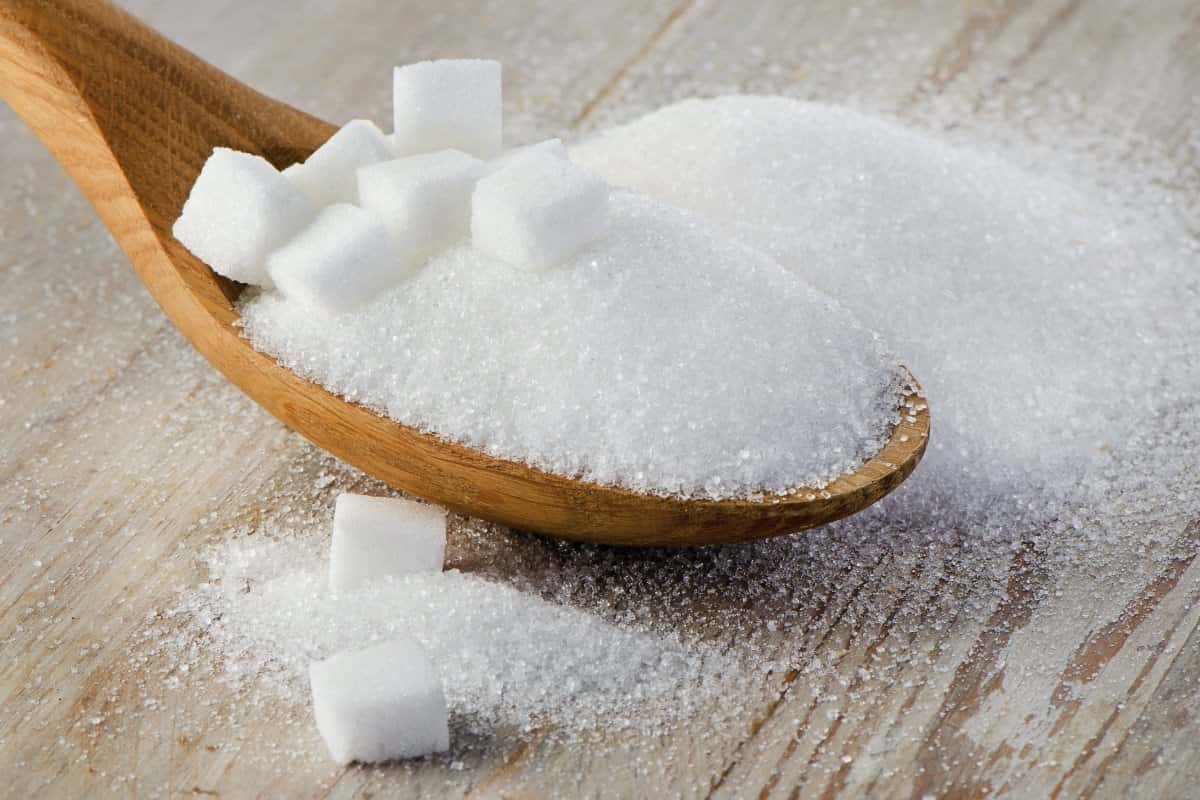 ICUMSA 45 Refined SugarICUMSA 45Quote
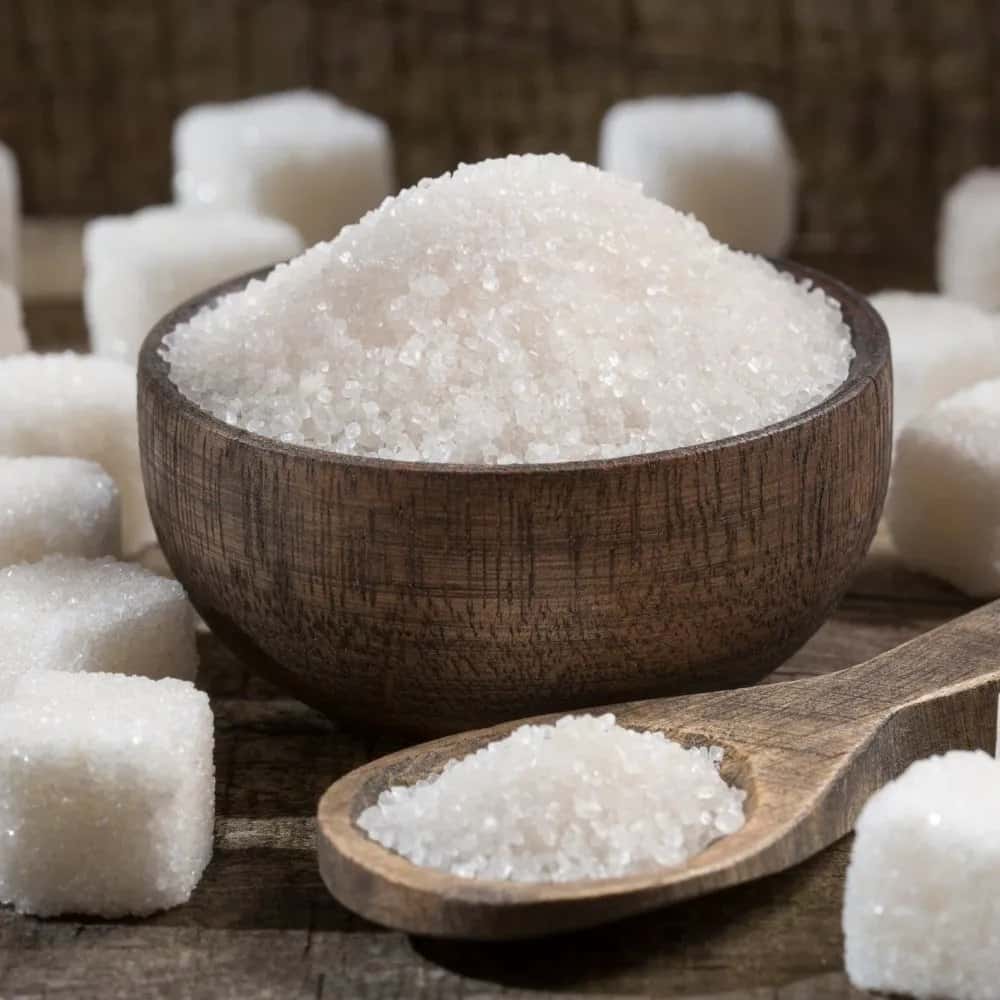 ICUMSA 150 White SugarICUMSA 150Quote
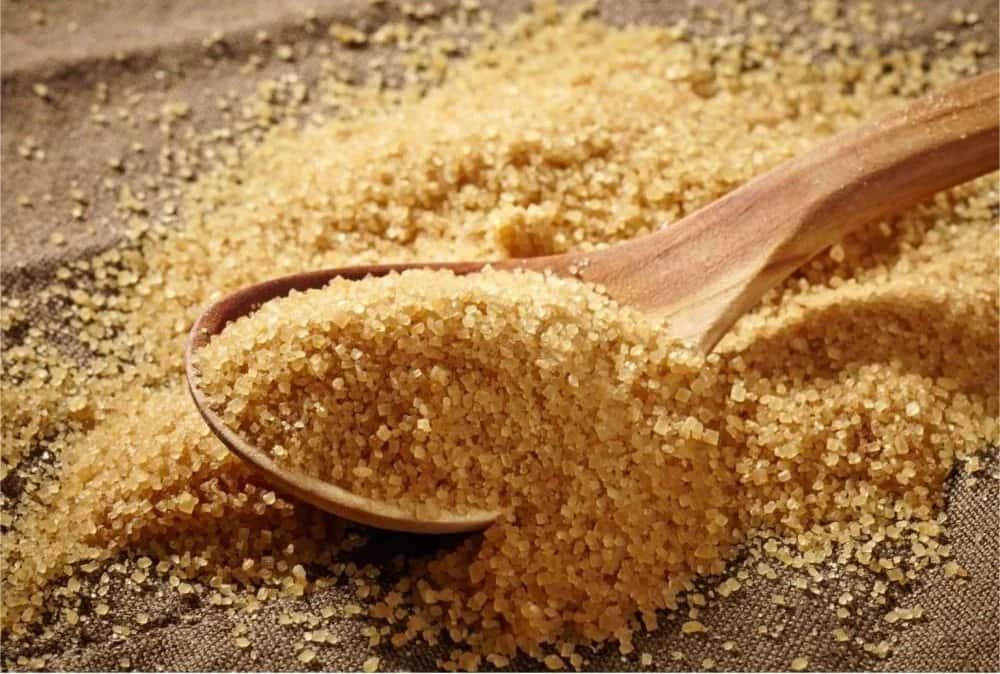 VHP Raw SugarRaw cane sugar sold under the VHP (very high polarisation) labelQuote
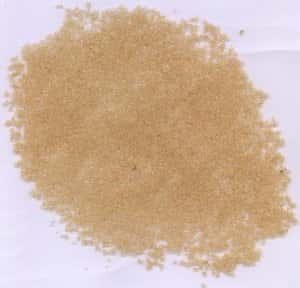 Thai Hi-Pol Raw SugarHigh-polarisation raw cane sugarQuote
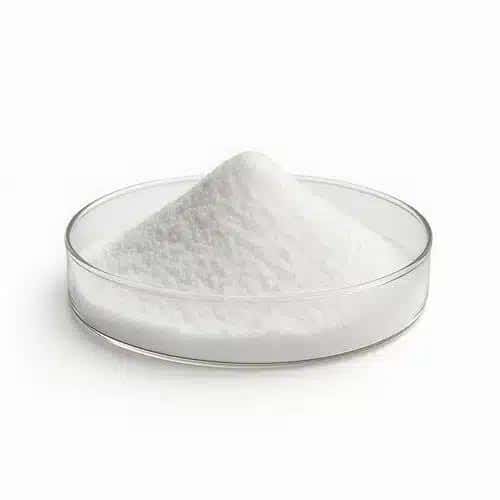 NeotameHigh-intensity sweetener (N-alkylated aspartame derivative)Quote
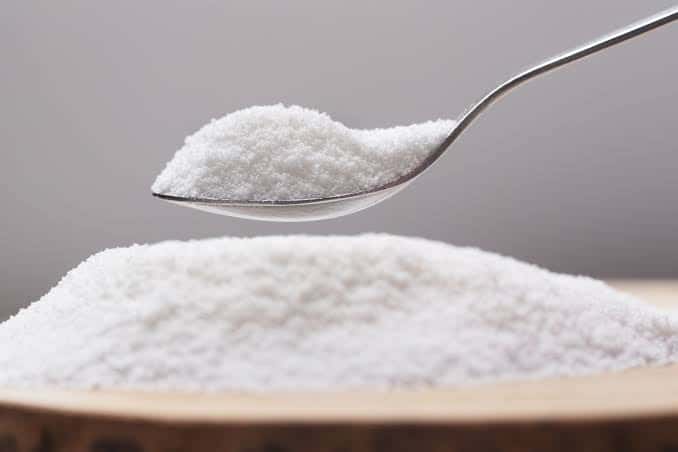 SucraloseHigh-intensity sweetener (chlorinated sucrose derivative)Quote
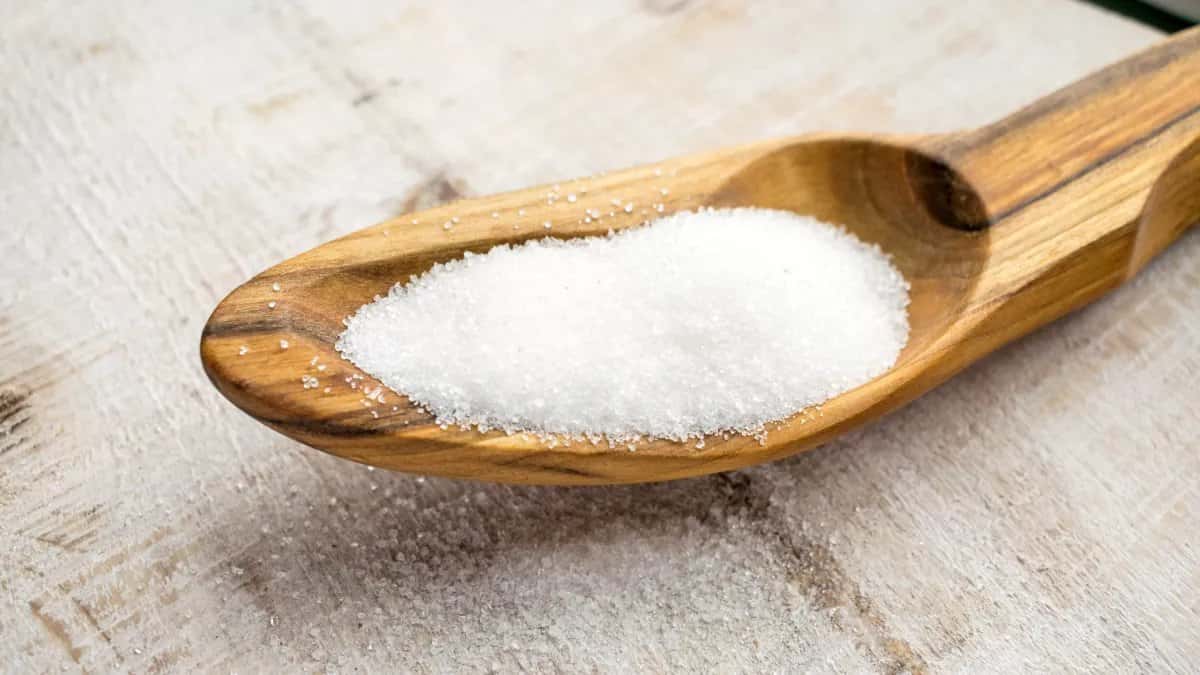 Acesulfame-KHigh-intensity sweetener (potassium salt of an oxathiazinone dioxide)Quote
 AspartameHigh-intensity sweetener (dipeptide methyl ester)Quote
- Thailand basedUdon Thani, Thailand
- Ready stockCommercial supply
- Multiple Thai producersBroad product range
- Global exportShipped from Thailand
- Specification supportCOA with every lot
High-Intensity Sweeteners
Neotame
High-intensity sweetener (N-alkylated aspartame derivative)
- Powder
- E 961
- INS 961
- Assay
- 97.0–102.0%
- Sweetness
- About 7,000–13,000×
- Moisture
- ≤ 5.0%
- pH
- 5.0–7.0
Certificate of Analysis with every lot
What is Neotame?
Neotame is N-[N-(3,3-dimethylbutyl)-L-α-aspartyl]-L-phenylalanine 1-methyl ester (CAS 165450-17-9), INS 961 and E 961 in the EU. Structurally it is aspartame with a 3,3-dimethylbutyl group attached to the aspartic acid nitrogen. The US FDA describes it as approximately 7,000 to 13,000 times sweeter than table sugar, which places it among the most potent sweeteners authorised for food.
- Beverage
- Food Manufacturing
- Bakery
- Distributors & Wholesalers
Key features
- Supplied in powder form
- Food additive identity E 961 / INS 961
- Specification limits from official standards
- Certificate of Analysis with every lot
- Exported from Thailand on your Incoterm
Technical data
Technical specifications
| Parameter | Value | Basis |
|---|---|---|
| Product | Neotame, food grade | — |
| INS number | 961 | Standard / official specification |
| EU additive number | E 961 | Standard / official specification |
| CAS number | 165450-17-9 | Standard / official specification |
| Chemical formula / molecular weight | C₂₀H₃₀N₂O₅ / 378.47 | Standard / official specification |
| Description | White to off-white powder | Standard / official specification |
| Assay (anhydrous basis) | 97.0–102.0%EU: ≥ 97.0% on the dried basis. | Standard / official specification |
| Water (Karl Fischer) | ≤ 5.0% | Standard / official specification |
| pH (0.5% solution) | 5.0–7.0 | Standard / official specification |
| Melting range | 81–84 °C | Standard / official specification |
| N-[N-(3,3-dimethylbutyl)-L-α-aspartyl]-L-phenylalanine | ≤ 1.5% | Standard / official specification |
| Other related substances | ≤ 2.0% | Standard / official specification |
| Sulphated ash | ≤ 0.2% | Standard / official specification |
| Specific rotation [α]D20 (0.5% solution, anhydrous basis) | −40.0° to −43.3° | Standard / official specification |
| Lead | ≤ 1 mg/kg21 CFR 172.829: ≤ 2.0 mg/kg. | Standard / official specification |
| Solubility | Sparingly soluble in water; very soluble in ethanol | Standard / official specification |
| Relative sweetness (sucrose = 1) | About 7,000–13,000× | Typical value (reference) |
| Origin | Confirmed in each quotation | — |
Identity & status
Regulatory identity
| INS number | INS 961 |
|---|---|
| JECFA ADI | 0–2 mg/kg body weight (61st JECFA, 2003) |
| EU status | E 961 — authorised sweetener (Regulation 1333/2008, Annex II Part B); specification in Regulation 231/2012 |
| US status | Food additive, 21 CFR 172.829 — sweetener and flavour enhancer in foods generally, except meat and poultry |
| US FDA ADI | 0.3 mg/kg body weight per day |
| US tariff classification (example) | HTSUS 2924.29.7100 (CBP ruling N033867, 2008) |
JECFA and the FDA set different ADIs for neotame; both are shown as published. Confirm the rules of your destination market before formulating.
Applications & industries
- Flavoured drinks (energy-reduced or no added sugar)
- Sugar-substitute tablets
- Baked goods
- Flavour enhancement at low levels
- Sweetener blends
Packaging, origin and manufacturers
Packaging options
- Packing agreed per order
Packaging format is confirmed in the quotation.
Origin
Stated in the quotation
Each quotation states the origin, producer and specification of the offered lot.
Supplied and exported by ANUTIDA — Udon Thani, Thailand
Manufacturer information
You buy from ANUTIDA. The producer of the offered lot is named in the quotation; state any preferred manufacturer or brand in your request.
Paperwork & shipping
Documentation & export
Each quotation states the specification of the offered product. Export shipments travel with the document set agreed in your contract — typically a commercial invoice, packing list, bill of lading, certificate of origin and a Certificate of Analysis for the lot. List any further documents you need, such as third-party inspection, halal or kosher certificates or a health certificate, and they are confirmed in the quotation. Read how shipping works on the export and logistics pages.
- Minimum order
- Confirmed with quotation
- Lead time
- Confirmed with quotation
- Delivery
- Export from Thailand
Product guide
About Neotame
How neotame is produced
The EU specification describes the process: aspartame is reacted with 3,3-dimethylbutyraldehyde in methanol under hydrogen pressure over a palladium-on-carbon catalyst. The product is filtered, the solvent removed by distillation, and neotame washed with water, centrifuged and vacuum-dried. The specification limits the de-esterified compound, N-[(3,3-dimethylbutyl)-L-α-aspartyl]-L-phenylalanine, to 1.5%.
Functional properties
- Potency: 7,000–13,000 times sucrose (US FDA), so use levels are tens of milligrams per kilogram or less.
- Heat stability: the FDA describes neotame as heat stable and usable in baked goods.
- Solubility: sparingly soluble in water and very soluble in ethanol (JECFA); the EU specification gives 4.75% (w/w) in water at 60 °C.
- Flavour enhancement: both JECFA and US rules list neotame as a sweetener and flavour enhancer; EU rules allow a separate, lower level where it is used only as a flavour enhancer.
Formulation and handling
At this potency, dosing neat into a batch is impractical for most plants; a pre-dilution or a pre-blend on a carrier, prepared under controlled weighing, makes even distribution achievable. In EU flavoured drinks (category 14.1.4), for example, the limit is 20 mg/l as a sweetener (energy-reduced or no added sugar only) and 2 mg/l as a flavour enhancer. In the US, L-leucine may be used as a lubricant at up to 3.5% of the weight of neotame sugar-substitute tablets.
Applications
US rules permit neotame as a general-purpose sweetener and flavour enhancer in foods other than meat and poultry, and address its use in sugar-substitute tablets; the FDA notes it is suitable for baked goods. In the EU its use is authorised category by category — flavoured drinks being one example — so check the permitted level for each product you plan to make.
Specification points buyers should check
Official limits differ slightly. JECFA and 21 CFR 172.829 set an assay of 97.0–102.0%, while the EU sets at least 97.0% on the dried basis. Lead is limited to 1 mg/kg by JECFA and the EU but to 2.0 mg/kg in the US regulation. JECFA and US rules also cap other related substances at 2.0% and residue on ignition at 0.2%.
Regulatory identity
JECFA established an ADI of 0–2 mg/kg body weight for neotame in 2003. It is an authorised EU sweetener (E 961) under Regulation 1333/2008, with purity criteria in Regulation 231/2012, and a US food additive under 21 CFR 172.829. The FDA’s ADI is 0.3 mg/kg body weight per day. A US Customs ruling classified neotame under HTSUS 2924.29.7100 (aromatic amides).
Buyer questions
Neotame FAQ
How sweet is neotame?
The US FDA gives approximately 7,000 to 13,000 times the sweetness of table sugar.
How is neotame related to aspartame?
Neotame is made from aspartame by reacting it with 3,3-dimethylbutyraldehyde under hydrogen; the result is a separate additive (E 961) with its own specification and ADI.
Which specification applies?
Lots are quoted against JECFA, EU Regulation 231/2012 or 21 CFR 172.829 as agreed. Note that the US lead limit (2.0 mg/kg) is higher than the JECFA/EU limit (1 mg/kg). Each lot ships with a Certificate of Analysis.
How do I order neotame from ANUTIDA?
Send an RFQ with specification, quantity, destination and Incoterm via Request a Quote. Packaging, minimum order quantity and lead time are confirmed with the quotation.
Last updated 6 October 2026
Related supply
Other Sweeteners You May Be Interested In
- SweetenerAspartameHigh-intensity sweetener (dipeptide methyl ester)SpecificationView specification
 SweetenerAdvantameHigh-intensity sweetener (N-substituted aspartame derivative)SpecificationView specification
- SweetenerSucraloseHigh-intensity sweetener (chlorinated sucrose derivative)SpecificationView specification
- SweetenerAcesulfame-KHigh-intensity sweetener (potassium salt of an oxathiazinone dioxide)SpecificationView specification
Knowledge Center
Related Articles & Resources
- SweetenersSugar Alcohols vs High-Intensity Sweeteners: How They DifferPolyols replace sugar’s bulk and part of its sweetness; high-intensity sweeteners replace sweetness only. Sweetness, use levels, labelling and formulation compared.Read guide
- SweetenersWhat Are Industrial Sweeteners? A Buyer’s Map of the Five FamiliesPolyols, high-intensity, natural, starch-based and specialty sweeteners do different jobs. How the five families differ in function, sweetness, form and regulatory identity.Read guide
 SweetenersDextrose Monohydrate vs Dextrose AnhydrousBoth forms are at least 99.5% D-glucose on a dry basis. The difference is one molecule of crystal water, which changes total solids, dosage and moisture behaviour.Read guide
 SweetenersErythritol vs Xylitol: A Technical Comparison for BuyersErythritol and xylitol are the two crystalline, strongly cooling polyols. They differ in how they are made, how sweet they are and where the law lets you use them.Read guide

Request a quotation
Need Neotame or Other Sweeteners?
Tell us your product, specification, quantity and destination. ANUTIDA replies with packaging options and a written quotation.