Icing Sugar
Powdered Icing Sugar
Finely milled Thai icing sugar made from white or refined sugar, with or without starch as an anticaking agent — Codex colour ≤ 60 IU — supplied in 25 kg sacks for bakeries and confectioners.
- For food & beverage use
- Thai origin, global export
- COA with every lot
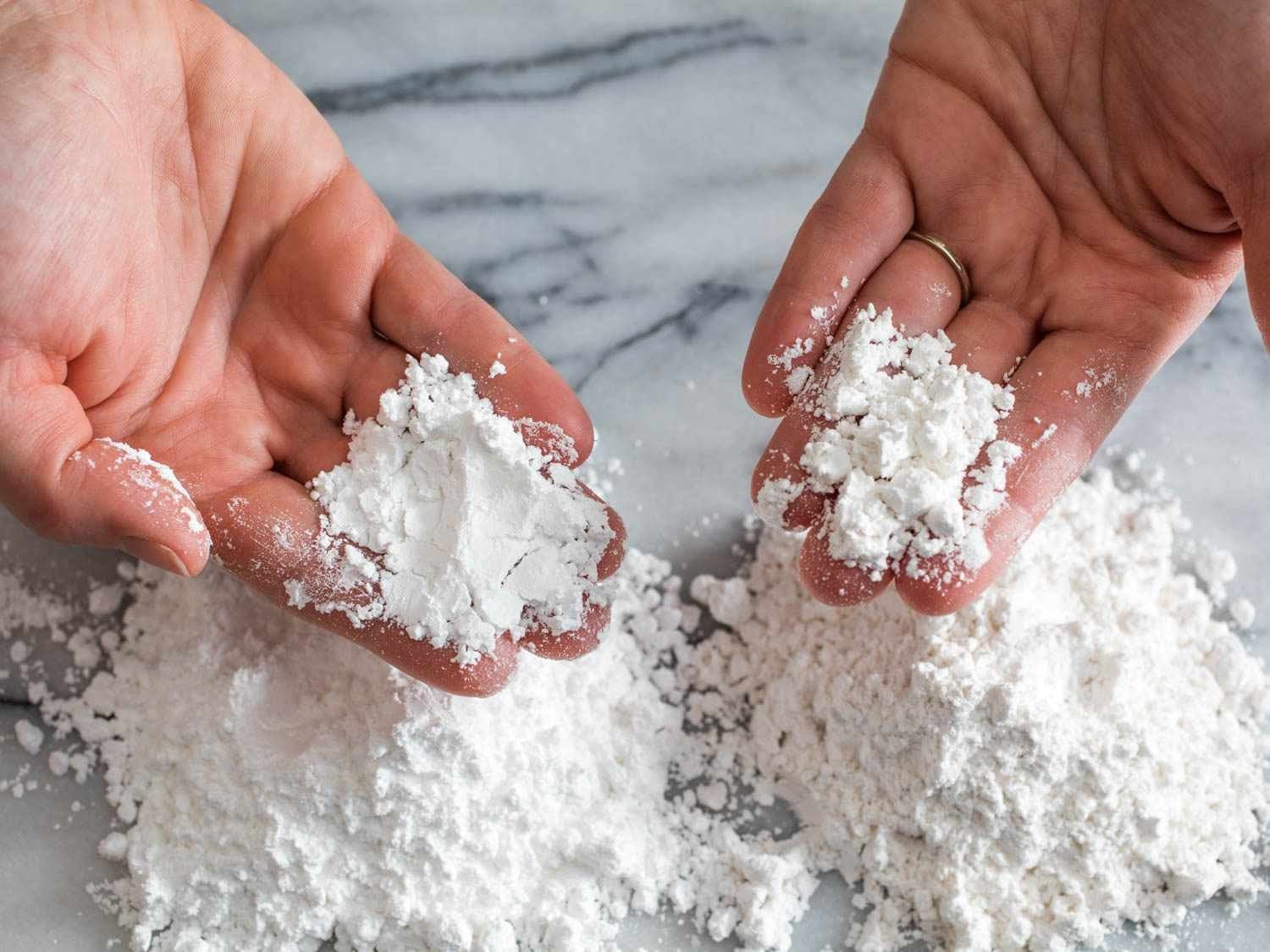
Supplied from Thailand for export
Pack sizes
- 25 kg bags
- Delivery terms
- FOB, CFR, CIF or your Incoterm
- Export regions
- Asia, Africa, Middle East, Americas
On this pageIcing Sugar
Overview
What icing sugar is
Icing sugar — also called powdered or confectioners' sugar — is white or refined sugar milled to a fine powder, with or without an anticaking agent to keep it free-flowing. The Codex Standard for Sugars gives powdered sugar voluntary quality values of 60 IU colour and 0.04 % each for conductivity ash and invert sugar, and allows up to 5 % starch, or up to 1.5 % of listed anticaking agents where no starch is used.
Typical applications
Key specifications
- ICUMSA colour
- ≤ 60 IUOfficial specification
- Ash
- ≤ 0.04 % m/mOfficial specification
- Invert sugar
- ≤ 0.04 % m/mOfficial specification
- SO₂
- ≤ 15 mg/kgOfficial specification
Used for
- Cake frosting and buttercream
- Glazes and dusting
- Macarons, tarts and cookies
- Fondants and confectionery
- Dry dessert mixes
Technical specifications
Icing Sugar specification
Limits shown with their basis. Each lot's actual values are reported on its Certificate of Analysis.
| Parameter | Value | Basis |
|---|---|---|
| Product type | Powdered sugar milled from white or refined sugar | |
| Colour — Codex powdered sugar | ≤ 60 IUCodex CXS 212 annex value — for voluntary use between trading partners (2001-amended text)Standard / official specification | |
| Conductivity ash — Codex powdered sugar | ≤ 0.04 % m/mCodex CXS 212 annex value — for voluntary use between trading partners (2001-amended text)Standard / official specification | |
| Invert sugar — Codex powdered sugar | ≤ 0.04 % m/mCodex CXS 212 annex value — for voluntary use between trading partners (2001-amended text)Standard / official specification | |
| Starch — Codex powdered sugar | ≤ 5.0 % m/mCodex CXS 212 annex value — for voluntary use between trading partners (2001-amended text)Standard / official specification | |
| Anticaking agents where no starch is used — Codex | ≤ 1.5 % m/mCodex CXS 212 additive provision in the 2001 text; later amendments may have moved additive limits to the GSFA — confirm the limit in your contractStandard / official specification | |
| Sulphur dioxide — Codex powdered sugar | ≤ 15 mg/kgCodex CXS 212 additive provision in the 2001 text; later amendments may have moved additive limits to the GSFA — confirm the limit in your contractStandard / official specification | |
| Anticaking agent — Thai retail icing sugar (Mitr Phol) | Tapioca starchProducer specification | |
| Polarisation — Thai producer industrial icing sugar (TRR) | ≥ 95°Producer specification | |
| Average particle size — Thai producer industrial icing sugar (TRR) | 75–106 µmProducer specification | |
| Fineness — India IS 1152:2003 (reference) | ≥ 98 % through 150 µm; ≥ 75 % through 75 µmStandard / official specification | |
| Moisture | Confirmed per lot on the Certificate of Analysis — contact ANUTIDA for the current specification. | |
| Origin | Thailand | |
Codex rows are voluntary reference values for powdered sugar from the 2001-amended text; Codex's loss-on-drying value does not apply to icing sugar with added starch. TIS 755-2565 is the Thai standard; its limits are in the paid standard and are not reproduced here. Producer rows are Thai producers' published figures, and the IS 1152 row is a published fineness reference. The specification of your lot is confirmed on its certificate of analysis.
Regulatory identity
- Thai Industrial Standard
- TIS 755-2565 Powdered sugar (icing sugar), voluntary — covers finely ground sugar made from white or refined sugar complying with TIS 56; limits not reproduced here
- Codex identity
- Powdered sugar (icing sugar): finely pulverised white sugar with or without anticaking agent (CXS 212-1999, Section 1)
Brands we supply
Supplied under leading Thai brands
ANUTIDA supplies Icing Sugar under 2 Thai mill brands. Name your preferred brand in your request; brand, pack and labelling are confirmed in the quotation.
- Mitr PholPack photo coming soon
- LINPack photo coming soon
Packaging
Packaging for your operation
Thai industrial icing sugar is documented in 25 kg sacks. Any other pack size is confirmed in the quotation.
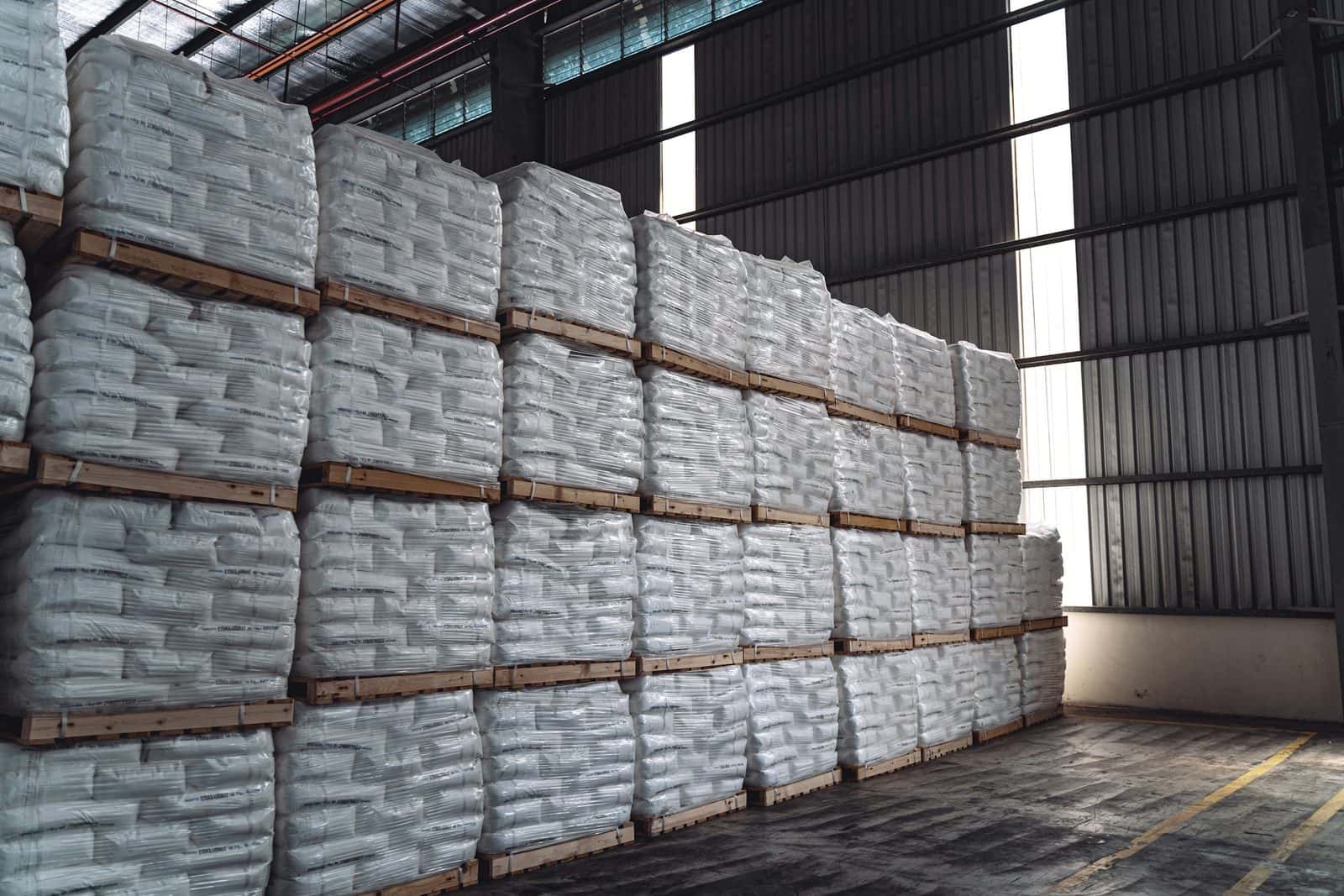 25 kg bags25 kg net bags (woven polypropylene with liner, or multi-wall paper with a polyethylene liner for powders). Easier manual handling for bakeries and smaller production lines.
Logistics
From Thailand to your port
ANUTIDA arranges the export permits, customs clearance and shipping documents for each shipment, on the Incoterm you choose. Container loads, payloads and shipping modes are covered in the logistics guides.

Documentation
Specifications and documents
The documents behind your technical review, your contract and your import clearance.
Certificate of Analysis
Issued with every lot, reporting its actual values against the agreed specification.
With every lot
- Product specificationEach limit for Icing Sugar with its basis, as published on this page. Download PDF
- Export documentsInvoice, packing list, bill of lading, certificate of origin and the certificates your market requires.See the document set
Product guide
Buying Icing Sugar
Thailand has a dedicated voluntary standard, TIS 755-2565 Powdered sugar (icing sugar), covering finely ground sugar made from white or refined sugar that complies with TIS 56. Its numeric limits are in the paid standard and are not reproduced here.
How it is made in Thailand
Refined or white sugar is pulverised in mills and sieved to the target fineness, and starch may be blended in. Thai retail icing sugar uses tapioca starch as the anticaking ingredient — Mitr Phol lists it on its icing-sugar pack — while one German producer specifies 3 ± 1 % maize starch in its starch-containing grade. OCSB's closing report for 2025/26 records icing and powdered sugar at mills including those of the Mitr Phol and Thai Roong Ruang groups.
How it is specified
Fineness and the anticaking system matter as much as purity. Thai Roong Ruang publishes its industrial pure icing sugar with an average particle size of 75–106 µm and pol of at least 95°. For a sieve-based reference, India's IS 1152 requires at least 98 % through a 150 µm sieve and 75 % through 75 µm. ICUMSA keeps separate methods for the polarisation of powdered sugars that contain anticaking agents and for measuring the agents themselves, so name the method when the product contains starch.
- Anticaking agent: none, starch (state the type — tapioca or maize — and the maximum %) or another permitted agent
- Fineness: average particle size or sieve passing (for example % through 75 µm and 150 µm)
- Colour, ash and invert sugar, using the Codex powdered-sugar values as a reference
- Moisture and caking limits suited to the voyage and your storage
Applications
Thai producers market icing sugar for cake frosting, macarons, tarts, cookies and glazes, and India's IS 1152 notes that it is mostly used for dusting and confectionery.
- Bakery: frostings, buttercream, glazes and dusting — bakery
- Confectionery: fondants, pressed sweets and fillings — confectionery
- Dairy and desserts: toppings and dessert mixes — dairy
- Food manufacturing: dry mixes and coatings — food manufacturing
Packaging and storage
Industrial icing sugar is documented in 25 kg sacks. Keep it sealed, dry and cool: one European producer gives two years at 20 ± 5 °C and below 65 % relative humidity for icing sugar with starch, and Thai retail icing sugar carries a two-year shelf life. See the sugar storage guide and 25 kg vs 50 kg bags.
What to put in your RFQ
- Starch or other anticaking agent, and its maximum level
- Fineness specification and the sieve sizes or particle-size method
- Colour, ash, invert sugar and moisture limits
- Pack size, pallet pattern and labelling
- Volume, destination and Incoterm
Related products
All sugar products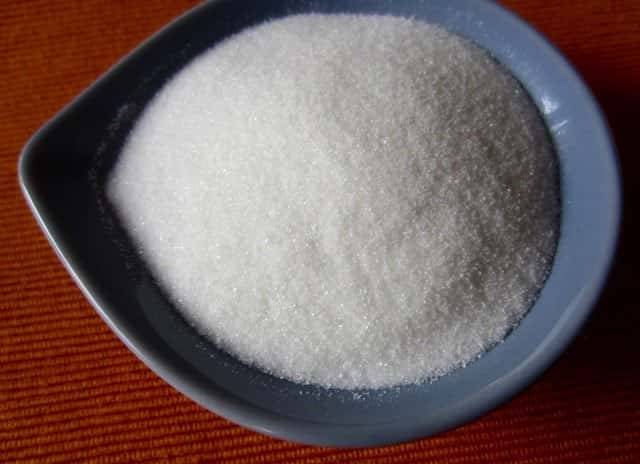 SugarFine-Grain Caster SugarFine-grain white or refined cane sugarSpecificationView specification
 SugarICUMSA 45 Refined SugarRefined cane sugarSpecificationView specification
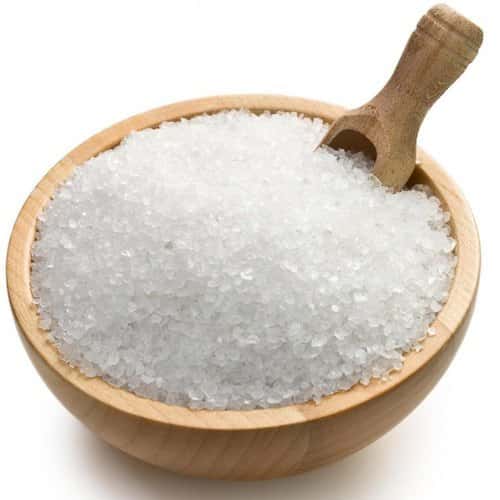 SugarICUMSA 100 White SugarWhite cane sugar, 100 IU tier within Thai white grade 1SpecificationView specification
 SugarICUMSA 150 White SugarMill (plantation) white cane sugarSpecificationView specification
Frequently asked questions
Icing Sugar — buyer questions
Does Thai icing sugar contain starch?
Thai retail icing sugar is made with tapioca starch as the anticaking agent. Codex covers icing sugar with or without an anticaking agent and allows up to 5 % starch, so state which you need and the maximum level.
How fine is it?
One Thai producer publishes an average particle size of 75–106 µm for its industrial icing sugar. If you work to a sieve specification, quote it — India's IS 1152, for example, requires at least 98 % through 150 µm and 75 % through 75 µm.
Is there a Thai standard for icing sugar?
Yes: TIS 755-2565 Powdered sugar (icing sugar), a voluntary standard for icing sugar made from TIS 56-compliant white or refined sugar. Its limits are in the paid standard.
What shelf life should I expect?
Thai retail icing sugar carries a two-year shelf life, and one European producer gives two years for icing sugar with starch at 20 ± 5 °C and below 65 % relative humidity.
What packaging is available for industrial users?
25 kg sacks are documented for Thai industrial icing sugar; mention any other pack you need in your request.
Which Thai brands of Icing Sugar does ANUTIDA supply?
ANUTIDA supplies Icing Sugar under the Mitr Phol and LIN brands. Name your preferred brand in your request; brand, pack and labelling are confirmed in the quotation.
Last updated 6 October 2026

Request a quotation
Let's discuss your requirements
Get a tailored quote for Icing Sugar: specification, packaging, price basis and shipping to your port.