Raw Sugar
Raw Cane Sugar
Thai raw cane sugar — pol of at least 97.00 °Z and colour from 601 IU under Thai rules — priced off the ICE No. 11 96° basis and shipped mainly in bulk to destination refineries.
- For refining & industrial use
- Thai origin, global export
- COA with every lot
Supplied from Thailand for export
Pack sizes
- Bulk (vessel)
- 50 kg bags
- Delivery terms
- FOB, CFR, CIF or your Incoterm
- Export regions
- Asia, Africa, Middle East, Americas
On this pageRaw Cane Sugar
Overview
What raw cane sugar is
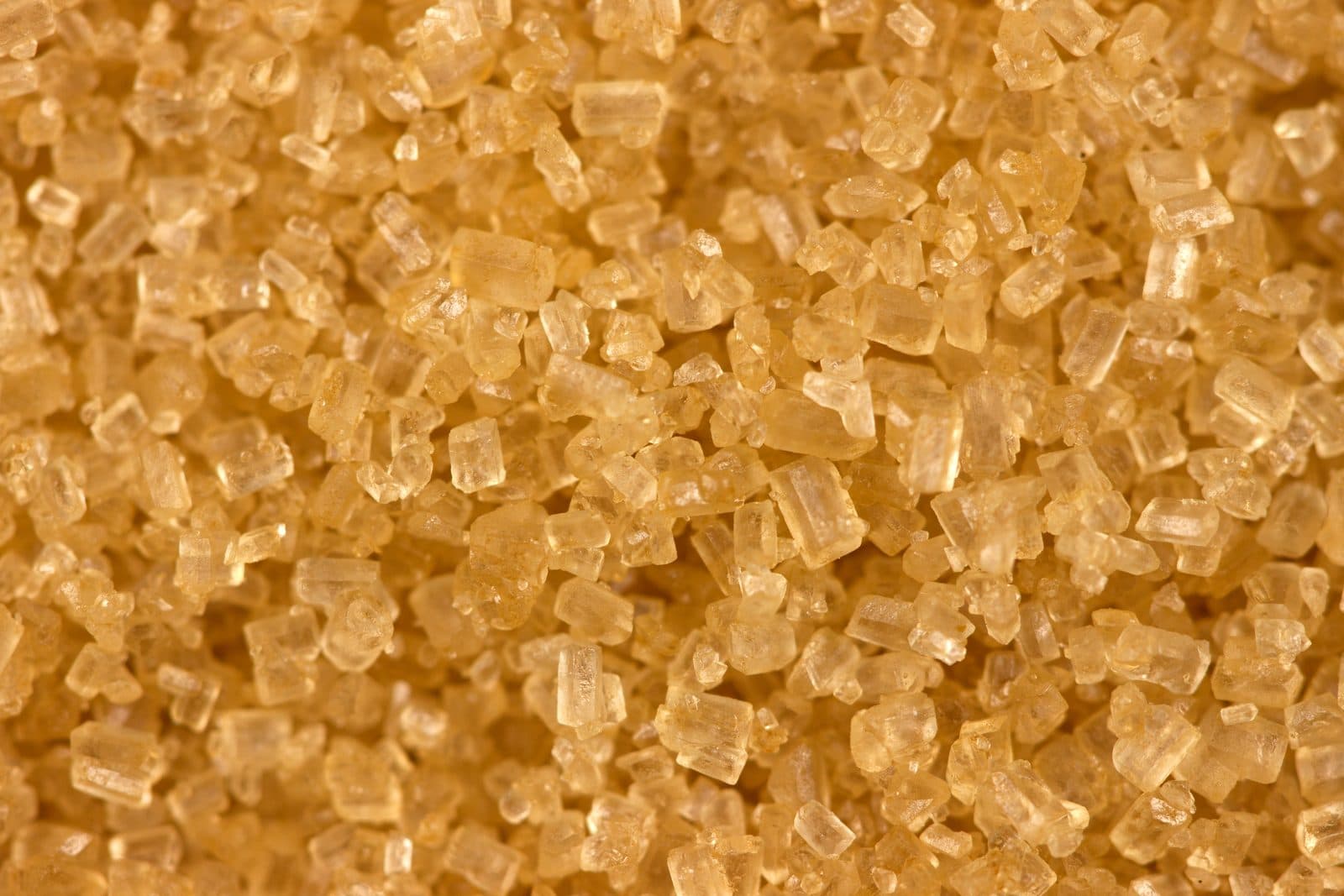
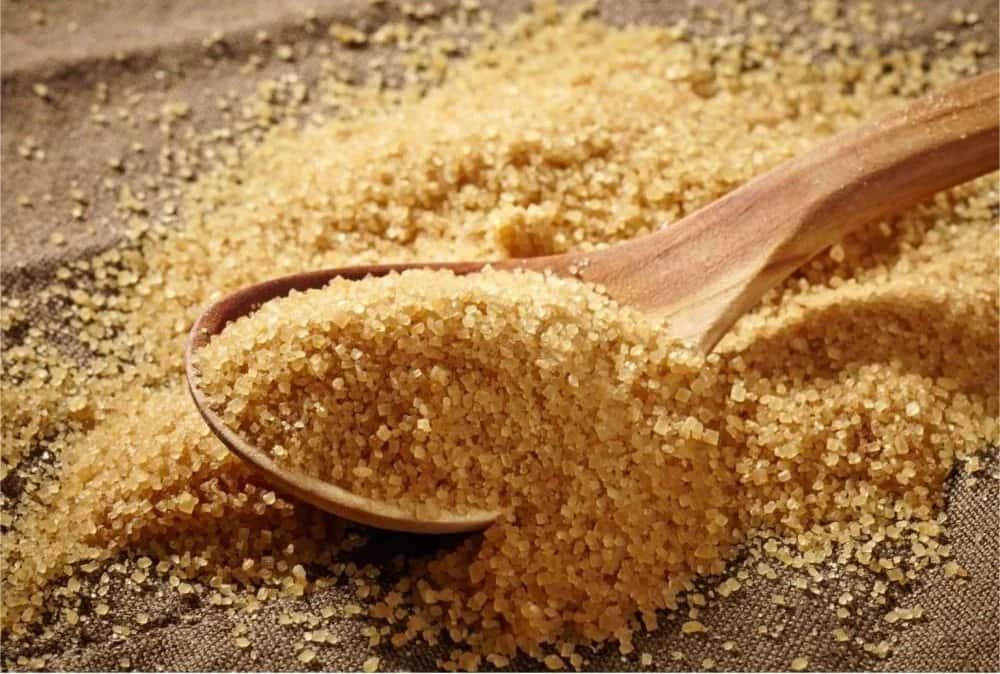
Raw sugar is partly purified cane sugar. Its crystals still carry a film of cane molasses, which gives them a light-to-dark brown colour, and it is made to be refined before it is eaten. Codex defines raw cane sugar as sucrose crystallised from partially purified cane juice without further purification. Thai rules classify it as raw sugar (น้ำตาลทรายดิบ): polarisation of at least 97.00 °Z and colour of 601 ICUMSA units or more.
Typical applications
Key specifications
- ICUMSA colour
- ≥ 601 IUOfficial specification
- Polarisation
- ≥ 97.00 °ZOfficial specification
- Moisture
- ≤ 0.60 %Producer specification
- SO₂
- ≤ 20 mg/kgOfficial specification
Used for
- Cane sugar refining
- Feedstock for refined and white sugar
- Distilling and fermentation (cited by a Thai producer)
- Vinegar production (cited by a Thai producer)
Technical specifications
Raw Cane Sugar specification
Limits shown with their basis. Each lot's actual values are reported on its Certificate of Analysis.
| Parameter | Value | Basis |
|---|---|---|
| Product type | Raw centrifugal cane sugar (Thai raw sugar class)Standard / official specification | |
| Polarisation — Thai raw sugar class (OCSB) | ≥ 97.00 °ZStandard / official specification | |
| Colour — Thai raw sugar class (OCSB) | ≥ 601 IUBoundary lowered from 1,000 IU in 2021Standard / official specification | |
| Polarisation basis — ICE Sugar No. 11 contract | 96° average; premiums up to 99.3°No colour, moisture or ash term in the contractExchange contract basis | |
| Polarisation — Thai producer spec (KTIS One Report 2025) | ≥ 98.00 %Producer specification | |
| Moisture — Thai producer spec (KTIS One Report 2025) | ≤ 0.60 %Producer specification | |
| Colour — Indonesia raw-sugar import requirement (MOT Reg. 18/2025) | ≥ 600 IUDestination rule as reported by USDAStandard / official specification | |
| Sulphur dioxide — Codex raw cane sugar | ≤ 20 mg/kgCodex CXS 212 additive provision in the 2001 text; later amendments may have moved additive limits to the GSFA — confirm the limit in your contractStandard / official specification | |
| Ash | Confirmed per lot on the Certificate of Analysis — contact ANUTIDA for the current specification. | |
| Grain size | Confirmed per lot on the Certificate of Analysis — contact ANUTIDA for the current specification. | |
| Origin | Thailand | |
Thai class limits come from the Cane and Sugar Board notification B.E. 2564 and set only pol and colour. The ICE No. 11 row is the pricing basis of the futures contract, not a lot specification. Producer rows are one Thai mill's published figures; the Indonesian row is a destination import rule. Each offer states the actual specification, confirmed at loading.
Regulatory identity
- Thai sugar class
- Raw sugar (น้ำตาลทรายดิบ): pol ≥ 97.00 °Z, colour ≥ 601 IU — Cane and Sugar Board notification B.E. 2564
- Codex identity
- Raw cane sugar: partially purified sucrose crystallised from partially purified cane juice, crystals covered by a film of cane molasses (CXS 212-1999)
- Exchange reference
- ICE Futures U.S. Sugar No. 11 — Thailand is a deliverable origin
- Thai export control
- Sugar exports need Cane and Sugar Board permission under the Cane and Sugar Act, and sugar is subject to export licensing. ANUTIDA arranges the export permits, customs clearance and shipping documents each shipment requires.
Thai producers
Produced by Thai mill groups
Raw Cane Sugar is documented at 17 Thai mill groups. You buy from ANUTIDA; name a preferred mill in your request.
- Mitr PholSugar products · 8 millsView profile
- Thai Roong RuangSugar products · 10 millsView profile
- KI Sugar GroupSugar products · 2 millsView profile
- KSLSugar products · 5 millsView profile
- KTISSugar products · 3 millsView profile
- Khonburi SugarSugar products · 2 millsView profile
- CristallaSugar products · 3 millsView profile
- WangkanaiSugar products · 4 millsView profile
- Eastern Sugar & CaneSugar products · 2 millsView profile
- TSM GroupSugar products · 2 millsView profile
- Buriram SugarSugar products · 1 millView profile
- Kaset PholSugar products · 1 millView profile
- Mitr KasetSugar products · 2 millsView profile
- Rayong SugarSugar products · 2 mills
- Nakornphet SugarSugar products · 1 millView profile
- Rajburi SugarSugar products · 2 millsView profile
- Rerm UdomSugar products · 1 mill
Packaging
Packaging for your operation
Bulk vessel loading is the normal mode for Thai raw sugar. Thai mills document 50 kg bags for higher-pol raw sugar; bagged raw sugar of other specifications is confirmed in the quotation.
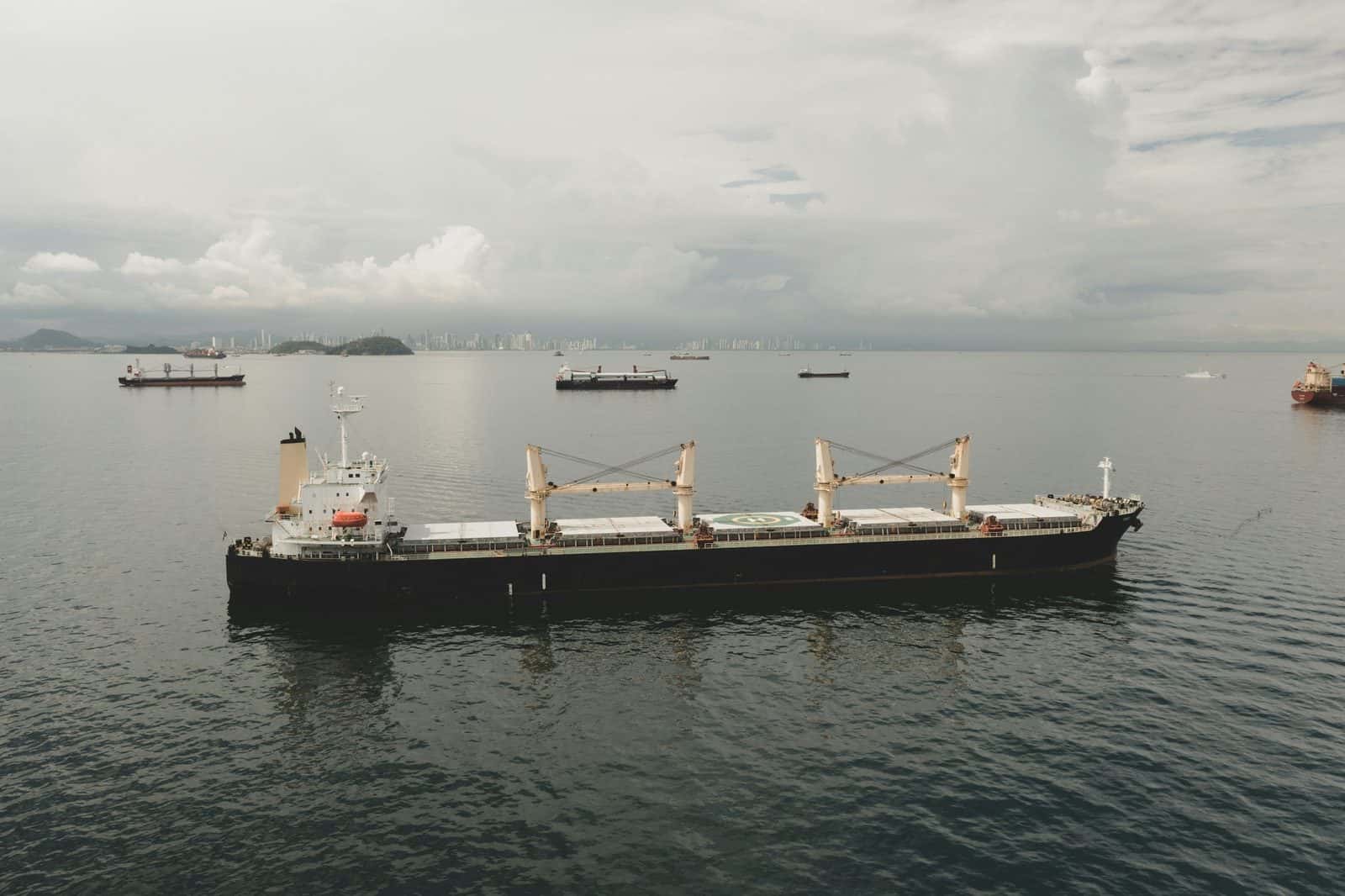 Bulk (vessel)Loose bulk loaded into the holds of bulk carriers — the normal shipping mode for raw and high-pol sugar destined for refineries.
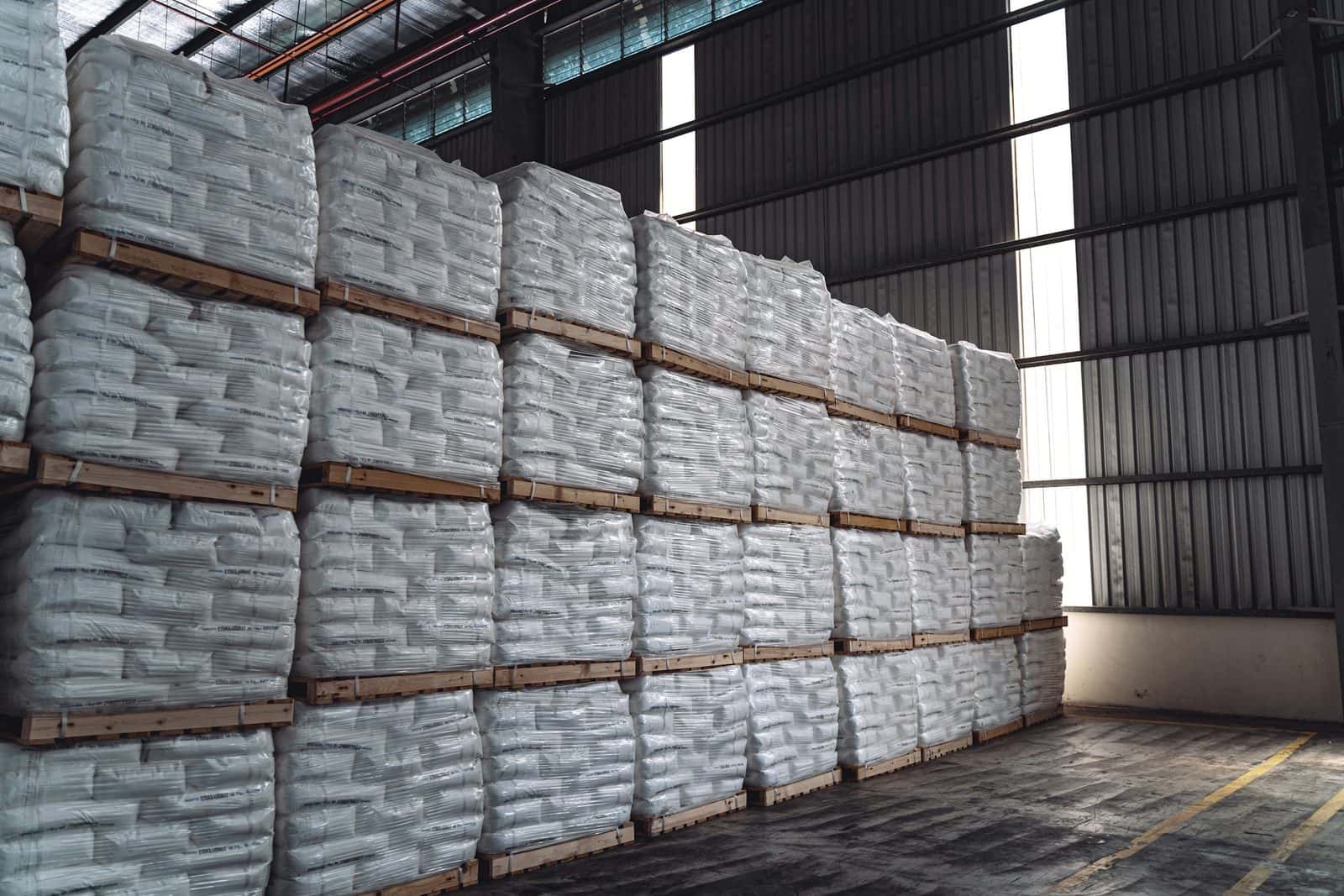 50 kg bagsWoven polypropylene bags, normally with an inner polyethylene liner, filled to 50 kg net. The standard export unit for crystal sugar; floor-loaded or palletised in dry containers.
Logistics
From Thailand to your port
ANUTIDA arranges the export permits, customs clearance and shipping documents for each shipment, on the Incoterm you choose. Container loads, payloads and shipping modes are covered in the logistics guides.
Documentation
Specifications and documents
The documents behind your technical review, your contract and your import clearance.
Certificate of Analysis
Issued with every lot, reporting its actual values against the agreed specification.
With every lot
- Product specificationEach limit for Raw Cane Sugar with its basis, as published on this page. Download PDF
- Export documentsInvoice, packing list, bill of lading, certificate of origin and the certificates your market requires.See the document set
Product guide
Buying Raw Cane Sugar
The 601 IU floor is recent. In 2021 Thailand moved the boundary between raw sugar and white grade 3 from 1,000 IU to 600 IU, after Indonesia — the largest buyer of Thai raws — cut its raw-sugar import colour limit to 600 IU. Some producer pages still show the older ranges, so read published specifications with their date in mind.
How Thailand produces and moves raw sugar
Cane is crushed, the juice clarified and evaporated to syrup, then boiled to crystallise; centrifuges separate the crystals, which leave the mill without further purification. Raw sugar is the bulk of Thai output: OCSB's closing report for the 2025/26 season records 9.18 million tonnes of raw sugar, of which 8.97 million tonnes were handled in bulk and the remainder bagged. About half of Thai raw sugar comes from the Northeast and is trucked to bulk sugar terminals at Laem Chabang and Sri Racha.
Who buys Thai raw sugar
Refineries. In calendar 2025 Thailand exported 2.50 million tonnes (raw value) of raw sugar, led by Indonesia (1.56 million t) and South Korea (0.50 million t), followed by Vietnam and Japan; USDA notes that both Indonesia and South Korea run large domestic refining industries. In Indonesia only refineries holding producer-importer (API-P) status may import raw sugar for refining, and volumes are set through the government's annual commodity balance. Thai producers also name distilleries and vinegar makers among raw-sugar users.
How raw sugar is priced and specified
The world benchmark is ICE Futures U.S. Sugar No. 11: sound raw centrifugal cane sugar on a basis of 96° average polarisation, delivered in bulk FOB the receiver's vessel at a port in the country of origin. Higher pol earns premiums on a fixed scale up to 99.3°, and Thailand is a deliverable origin. The No. 11 rules contain no colour, moisture or ash terms, so those come from the physical contract or the buyer's refinery specification.
Thai producers publish their own figures: KTIS gives raw sugar above 601 IU with pol of at least 98.00 % and moisture of at most 0.60 %, while Thai Roong Ruang lists its industrial raw sugar at 1,500 IU maximum and 98.80 pol minimum. Higher-pol raws trade under their own names — see Thai Hi-Pol and VHP — and raw vs refined sugar explains what refining removes.
Bulk or bagged
Most Thai raw sugar ships loose in the holds of bulk carriers; the Platts Thai benchmark assumes parcels of around 12,000 t loaded FOB at Thai ports. Bagged raw sugar serves smaller buyers and container routes — Buriram Sugar, for example, sells both bulk and bagged raw sugar and packs its higher-pol raws in 50 kg bags. Raw sugar holds 0.25–1.1 % water, deliquesces as humidity approaches 80 % and can cake if loaded hot, so hold and container condition matter. See how sugar is shipped internationally and logistics.
What to put in your RFQ
- Pol basis or minimum (for example 96° basis with ICE No. 11 premiums, or a fixed minimum)
- The colour range your refinery or import permit requires — Indonesia, for instance, requires at least 600 IU for raw sugar
- Moisture, ash, grain size and any refinery-specific limits
- Vessel size and load port, or bagged volume and number of containers
- Pricing basis, Incoterm, laycan and supervision — see FOB vs CFR vs CIF
Related products
All sugar products SugarThai Hi-Pol Raw SugarHigh-polarisation raw cane sugarSpecificationView specification
 SugarVHP Raw SugarRaw cane sugar sold under the VHP (very high polarisation) labelSpecificationView specification
 SugarICUMSA 45 Refined SugarRefined cane sugarSpecificationView specification
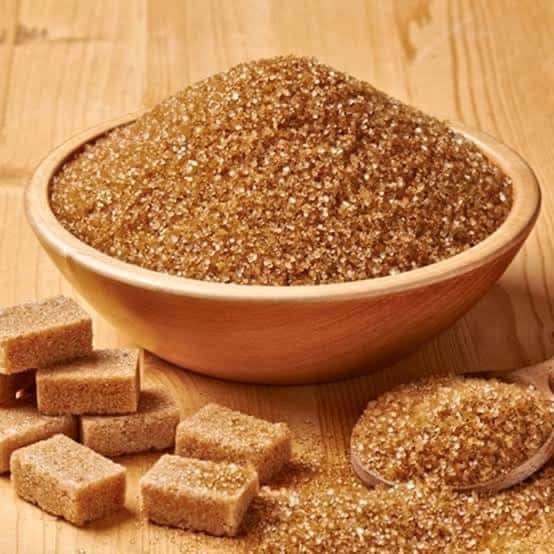 SugarNatural Brown SugarNatural (mill-made) brown cane sugarSpecificationView specification
Frequently asked questions
Raw Sugar — buyer questions
Can raw cane sugar be eaten as it is?
It is not intended for direct consumption. Thai producers describe raw sugar as needing refining into white or refined sugar first; for a brown sugar made for food use, see natural brown sugar.
What does 'basis 96°' mean?
ICE Sugar No. 11 prices raw sugar at 96° average polarisation. Sugar testing higher earns a premium on a fixed scale up to 99.3°; below 96° a deduction applies under the current schedule, and the 96–95° line drops out from the March 2028 delivery month.
Why do some Thai specifications say raw sugar starts at 1,001 IU?
Those pages predate 2021, when Thailand lowered the raw/white boundary to 601 IU so that Thai raws could meet Indonesia's 600 IU import minimum.
Is raw sugar shipped in containers?
Mostly it goes in bulk carriers. Bagged raw sugar — documented in 50 kg bags by Thai mills for higher-pol grades — can move in containers for smaller buyers.
Who supervises loading?
Under ICE No. 11, weighing, sampling and pol testing at loading are supervised by an independent company appointed by the seller, and the buyer may appoint its own. Physical contracts usually set similar terms — see sugar export documentation.
Last updated 6 October 2026
Request a quotation
Let's discuss your requirements
Get a tailored quote for Raw Cane Sugar: specification, packaging, price basis and shipping to your port.